 ultimate-guide
Emergency Plumbing Call Out Fees: What to Expect
Table of Contents
- What Constitutes a Plumbing Emergency
- Understanding Emergency Plumbing Call Out Fees
- After-Hours Plumbing Rates and Weekend Surcharges
- What Is Included in a Plumbing Call Out Fee
- Factors That Influence Emergency Plumbing Costs
- Emergency Plumbing Quote Checklist
- How to Minimize Emergency Plumbing Costs
- Conclusion
Last Updated: August 16, 2026
What Constitutes a Plumbing Emergency
A plumbing emergency is any sudden failure in your water system that poses an immediate risk to your home, health, or safety and requires urgent professional intervention. True emergencies include burst pipes flooding your basement, sewage backing up into your home, complete loss of water pressure, or gas leaks near plumbing fixtures. These threaten structural integrity, create health hazards, or prevent basic household function.
What doesn't qualify as an emergency includes a slow drip from a faucet, a running toilet that refills occasionally, a single backed-up drain, or a water heater that's stopped working (assuming you have alternate hot water access). These need fixing but can wait until business hours.
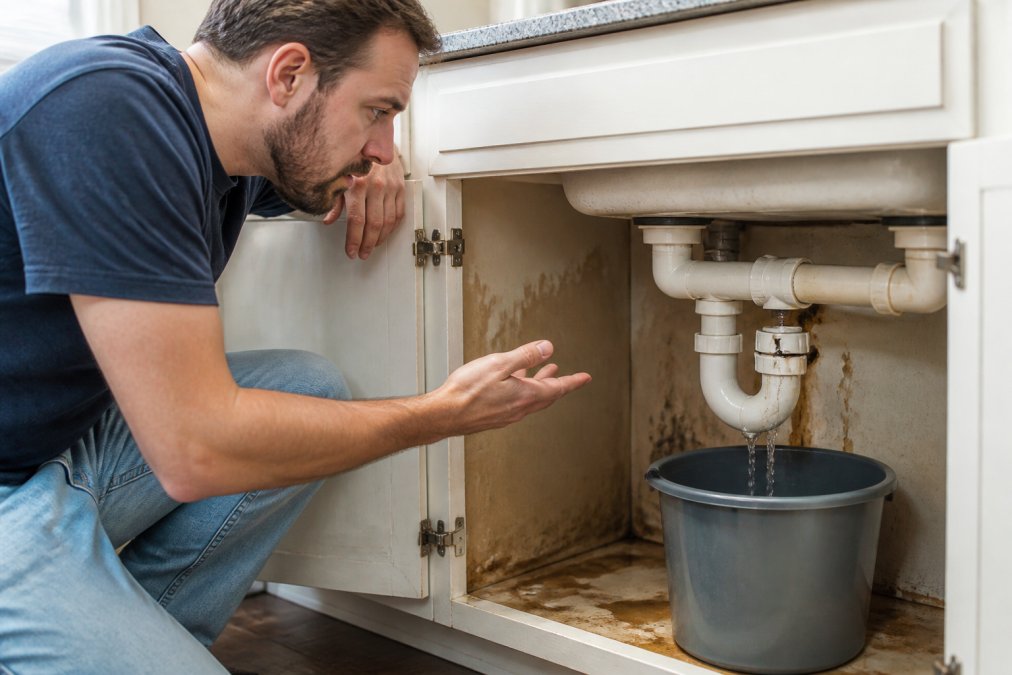
Understanding this boundary helps you set realistic expectations about cost and response time. UMark Plumbing and Drain Inc. handles both emergency and routine calls, with pricing that reflects the urgency level and resources required.
Understanding Emergency Plumbing Call Out Fees
An emergency plumbing call out fee is the charge a plumber assesses just to show up at your property and diagnose the problem. This fee covers the technician's travel time, dispatch coordination, and diagnostic work required to identify what's wrong.
Most licensed plumbers charge this fee regardless of whether you proceed with repairs. The reasoning is straightforward: a technician has committed time and resources to your location, and the diagnostic work itself has value.
Service dispatch fee vs. hourly labor rates
A service dispatch fee is a flat charge that covers the initial visit, diagnosis, and basic assessment. Once the plumber identifies the problem, actual repair work is billed either at an hourly rate or as a flat-rate job, depending on complexity.
Hourly labor rates apply when the scope of work is uncertain or the repair involves multiple steps. The plumber charges for each hour (or fraction thereof) spent performing the actual repair work.
The key difference: the call out fee gets you a diagnosis. The hourly rate pays for the solution.
Flat-rate pricing vs. time-and-materials
Flat-rate pricing means the plumber quotes a single price for the entire job, diagnosis, materials, and labor combined. Once you approve the estimate, that's what you pay, regardless of how long the work actually takes.
Time-and-materials pricing charges separately for labor hours and the cost of materials used. You pay the hourly rate for technician time plus the actual cost of any pipes, fittings, valves, or other components the job requires.
A straightforward repair with a predictable solution suits flat-rate pricing. A complex emergency where the plumber discovers additional damage as they work might require time-and-materials billing to be fair to both parties.
After-Hours Plumbing Rates and Weekend Surcharges
After-hours plumbing rates are significantly higher than daytime rates because they require technicians to be available outside standard business hours. A burst pipe at 2 AM on a Sunday morning commands premium pricing because the plumber must maintain 24/7 staffing and pay overtime wages.
Most plumbers charge a surcharge, often 50% to 100% above the standard call out fee, for emergency calls between evening hours (typically 5 PM to 8 AM) and on weekends and statutory holidays.
A practical consideration: if your emergency can safely wait 12-18 hours, waiting until morning business hours can reduce your costs dramatically. A minor leak that's contained might warrant that decision. A burst pipe actively flooding your basement does not.
What Is Included in a Plumbing Call Out Fee
The call out fee covers the technician's arrival at your property, their time spent diagnosing the problem, and the basic assessment needed to provide you with a repair estimate. It does not typically include the repair work itself, which is billed separately.
A standard call out fee usually encompasses:
- Travel time to your location
- Initial inspection of the problem area
- Diagnostic testing (water pressure checks, leak detection, camera inspection of drains)
- Verbal or written estimate for the repair work
- Basic troubleshooting to confirm the issue
Diagnostic fee and leak detection
A diagnostic fee is sometimes charged separately from the call out fee, particularly for complex problems that require specialized equipment. Leak detection using thermal imaging cameras, acoustic listening devices, or dye testing often incurs an additional charge beyond the standard call out fee.
Once the leak is located, that diagnostic information becomes part of the repair estimate.
Trip charge and emergency response time
A trip charge is another term for the call out fee, covering the plumber's journey to your property. Emergency response time is how quickly the plumber can arrive after you call. A plumber who guarantees a 30-minute response time during evenings and weekends will charge more than one who offers 2-4 hour response windows.
The faster you need help, the more you'll pay.
Factors That Influence Emergency Plumbing Costs
Emergency plumbing costs depend on multiple variables beyond just the call out fee.
Geographic variance and location
Location significantly impacts emergency plumbing costs. Urban areas with higher population density typically have more competitive pricing than rural regions where plumbers must travel longer distances. Plumbers in areas with higher cost of living or stricter building codes generally charge more than those in regions with newer construction and simpler systems.
Complexity of the repair and materials needed
A simple repair like replacing a washer in a leaking faucet costs far less than replacing a section of main water line. The complexity determines how long the job takes and what materials are required.
Materials themselves add significant cost. Copper piping costs more than PVC. If your repair requires materials that must be special-ordered, you'll face additional delays and potentially higher costs. Older homes with corroded pipes may require additional work beyond the initial problem, expanding the scope and cost of the job.
Emergency Plumbing Quote Checklist
Before you approve any emergency plumbing quote, verify that it includes these elements:
- Call out fee clearly itemized separately from repair costs
- After-hours or weekend surcharge explicitly stated if applicable
- Hourly rate or flat-rate price for the actual repair work
- Materials list with individual costs (not a lump sum for "parts")
- Estimated time to completion or hourly range if time-and-materials
- Warranty or guarantee on the repair work itself
- Payment terms (due upon completion, deposit required, etc.)
- Scope of work clearly describing what the plumber will do and what they won't address
- Cleanup and disposal of old materials included or charged separately
- Permits or inspections required and who handles them
A professional quote answers the question: "What will this cost, and what exactly am I paying for?" If your estimate is vague or doesn't separate the call out fee from repair costs, ask for clarification before approving the work.
How to Minimize Emergency Plumbing Costs
Emergency plumbing costs feel unavoidable, but several strategies can reduce the financial impact or prevent emergencies from occurring in the first place.
DIY temporary mitigation steps
While you should never attempt permanent repairs yourself, temporary mitigation steps can prevent a bad situation from becoming catastrophic. If a pipe is leaking, placing a bucket underneath and turning off the water to that fixture buys time before the plumber arrives.
The main water shut-off valve is your most important tool. Knowing its location and being able to operate it quickly can prevent thousands of dollars in water damage. Most homes have a shut-off valve near the water meter or where the main line enters the house. Locate it now, before an emergency, and ensure all household members know where it is.
For a burst pipe, turning off the water stops active flooding. For a backed-up drain, a plunger might clear minor blockages. For a leaking water heater, turning off the gas (if applicable) and the water supply prevents further damage while you wait for the plumber.
These temporary steps minimize damage and reduce the scope of work the plumber must perform, which directly reduces your costs.
Insurance coverage for emergency calls
Many homeowners don't realize their home insurance might cover emergency plumbing damage or repair costs. Sudden, accidental damage from burst pipes, frozen pipes, or plumbing system failures is often covered under standard homeowner policies.
Contact your insurance provider before an emergency occurs to understand what's covered. Some insurers require you to mitigate damage (turn off water, place buckets) before filing a claim, which is another reason knowing how to access your main shut-off valve matters.
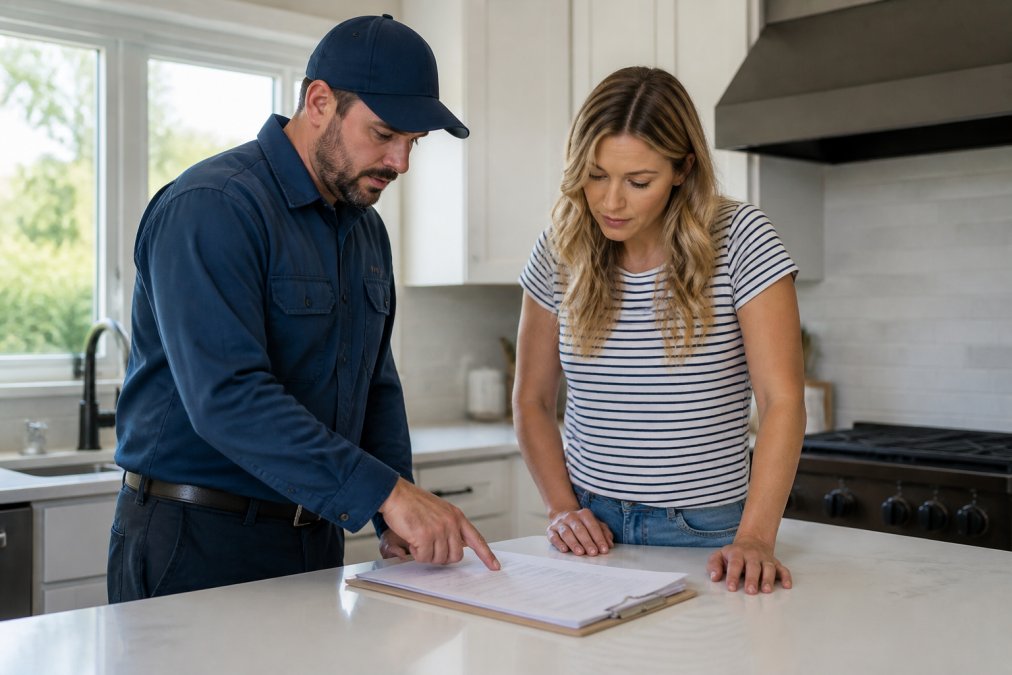
Vetting a plumber during a crisis
When you're in crisis mode, it's tempting to call the first plumber who answers and approve whatever they quote. Resist that instinct. Even in an emergency, you have time to ask basic qualifying questions.
Before approving any emergency call out, ask: How long until they arrive? What's the call out fee? Will they provide a written estimate before starting work? Are they licensed and insured? What's their warranty on the repair?
A plumber who hesitates to answer these questions or refuses to provide a written estimate before work begins is a red flag. Legitimate, professional plumbers expect these questions, especially during emergencies.
UMark Plumbing and Drain Inc. operates with 24/7 emergency availability and a certified team with over 20 years of experience, which means you're getting a plumber who understands the pressure you're under and responds accordingly.
Emergency plumbing costs feel unpredictable because the situations that trigger them are unpredictable. But understanding the structure of emergency plumbing call out fees, the difference between dispatch charges and repair costs, how after-hours surcharges work, and what factors influence total cost gives you control over the process even when the emergency itself feels chaotic.
The best strategy is prevention: maintain your plumbing system, know where your main shut-off valve is, and have a trusted plumber identified before you need one at 2 AM. When an emergency does occur, take a breath, mitigate immediate damage, and call a licensed professional who can provide a clear estimate and transparent pricing.
For homeowners in North York and Vaughan facing emergency plumbing situations, UMark Plumbing and Drain Inc. provides 24/7 emergency response with certified technicians and transparent pricing. Get a free quote today and know exactly what to expect when you need help most.
Frequently Asked Questions
How much does an emergency plumbing call out fee typically cost?
Emergency plumbing call out fees vary based on time of day, location, and the plumber's experience level. Most licensed plumbers charge a service dispatch fee separate from hourly labor rates. After-hours calls (evenings, weekends, holidays) typically include surcharges on top of the base call out fee. Request a detailed quote that breaks down the dispatch fee, hourly rate, and any additional charges before work begins. This protects you from unexpected costs and lets you compare fairly across plumbers.
What factors influence after-hours plumbing rates?
After-hours plumbing rates are higher because licensed plumbers must be available outside regular business hours, which increases their operational costs. Weekend and holiday premiums reflect the inconvenience of working during off-peak times. Geographic location also affects pricing, rural areas may charge more due to longer travel distances. Late-night emergency response times (2 AM calls versus 6 PM calls) may incur additional surcharges. Always ask your plumber upfront what their after-hours surcharge is so you know the full cost before they arrive.
What is included in a plumbing call out fee?
A plumbing call out fee typically covers the service dispatch, sending a journeyman plumber to your location and performing an initial diagnostic. This usually includes leak detection and a basic assessment of the problem. The call out fee does not typically cover repairs, parts, or extended labor beyond the diagnostic period. Some plumbers apply the call out fee toward the final invoice if you proceed with repairs; others charge it separately. Always clarify what the call out fee includes and whether it's credited toward repair costs before the plumber begins work.
How can I minimize costs during a plumbing emergency?
First, shut off the main water supply immediately to prevent additional damage, this is your most important DIY step. Document the problem with photos for your insurance claim if applicable. Call during business hours if the emergency can wait (burst pipes at 2 AM cost more than the same repair at 9 AM). Get quotes from multiple licensed plumbers before deciding. Ask about flat-rate pricing versus time-and-materials billing. Finally, ask your plumber about preventative maintenance plans, regular inspections catch issues before they become costly emergencies.
This article was written using GrandRanker