 ultimate-guide
Preventative Plumbing Maintenance Checklist for Rental Units
Table of Contents
- Why Preventative Plumbing Maintenance Matters for Rental Properties
- Landlord Plumbing Maintenance Responsibilities: What You Must Know
- Monthly Plumbing Inspection Routines: Your Core Checklist
- Rental Property Plumbing Inspection Checklist: Seasonal and Annual Tasks
- How to Prevent Clogged Drains in Rental Units
- Emergency Plumbing Repair for Landlords: When to Call a Professional
- Smart Home Leak Detection and Tenant Education
- Conclusion
- Frequently Asked Questions
Last Updated: October 3, 2026
Why Preventative Plumbing Maintenance Matters for Rental Properties
Preventative plumbing maintenance prevents costly emergencies. Small leaks become structural damage; slow drains become backed-up sewer lines. At UMark Plumbing and Drain Inc., we've seen landlords lose thousands to preventable water damage, burst pipes, and mold remediation simply because they waited for a problem to announce itself.
For rental properties, maintenance is a liability protection strategy. Tenants expect working plumbing, building codes require it, and insurance policies often exclude damage from neglected systems. The cost of preventative plumbing maintenance is negligible compared to emergency repairs, legal fees, or lost rental income.
Properties with documented preventative maintenance attract better tenants, command higher rents, and sell for more. Lenders and insurance companies see a well-maintained system as lower risk.
Landlord Plumbing Maintenance Responsibilities: What You Must Know
Building codes require you to maintain plumbing systems in safe, working condition: adequate water supply, functioning drains, and fixtures that pose no health or safety risks.
Routine Maintenance vs. Code Violations: The Critical Distinction
Routine maintenance includes flushing sediment from water heaters, cleaning aerators, testing shut-off valves, and clearing slow drains.
Code violations are immediate safety or health hazards requiring action within days:
- No hot water supply, Building codes require adequate hot water (typically 43-49°C at the tap). A failed water heater must be replaced or repaired within 24-48 hours in most jurisdictions.
- Sewage backup or foul odors, Indicates a main line blockage or system failure. This is a health hazard and must be resolved immediately.
- Visible mold or water damage from active leaks, Mold poses respiratory risks and must be remediated. Active leaks causing structural damage require emergency repair.
- No water pressure or supply, Tenants cannot occupy a unit without potable water. This is an emergency.
- Contaminated water, Discoloration, sediment, or odors in the water supply indicate a system failure and must be investigated and corrected immediately.
This distinction determines your response timeline and liability exposure. A slow drain is maintenance; a backed-up sewer line is a code violation.
Documentation as Your Legal Shield
Documented preventative maintenance is your legal defense. Keep records of inspection dates, repairs completed (with contractor name, date, and invoice), tenant-reported issues and response timelines, and professional assessments.
Shared Responsibilities: What Tenants Must Do
Clarify tenant responsibilities in your lease: clearing their own drains (hair, soap, debris), reporting leaks immediately, not misusing fixtures (no grease, non-flushable items), and allowing access for inspections with 24 hours' notice.
When to Escalate to a Professional
If unsure whether an issue is routine maintenance or a code violation, consult a licensed plumber. The cost ($100-$200) is negligible compared to code violation fines or liability claims.
Monthly Plumbing Inspection Routines: Your Core Checklist
A monthly 30-minute walk-through catches 80% of problems before they become emergencies. Look for visible signs of trouble and make it a habit on the same day each month.
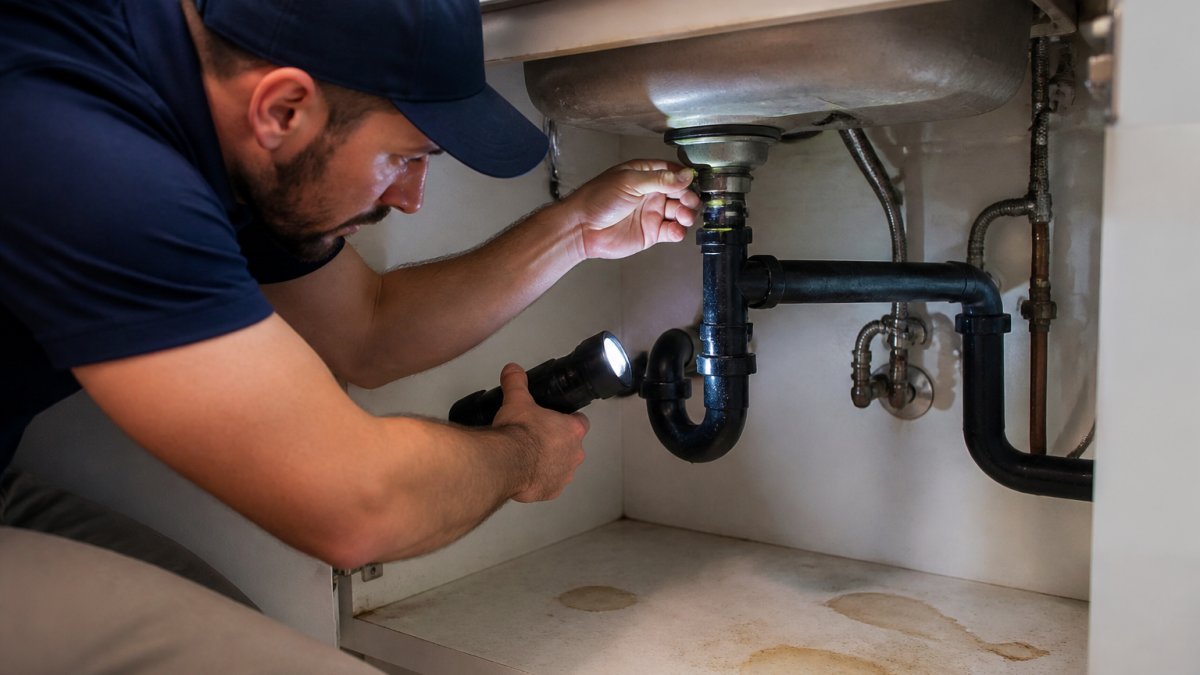
Checking for leaks under sinks and toilets
Water stains under sinks are the most visible warning sign. Look at cabinet floors, sink basins, and walls behind toilets for discoloration, soft spots, or visible moisture. A slow drip you can see is easier to fix than a hidden leak that rots framing for months.
Press on the wall and floor around the toilet base for soft, spongy areas indicating water damage. Smell for mold; a musty odor suggests weeks of moisture. Toilet leaks at the wax ring seal happen silently inside walls until structural damage appears.
Testing shut-off valves and pressure relief valves
Every sink, toilet, and appliance should have its own shut-off valve. Test monthly by turning the handle slowly; it should stop water flow with moderate pressure. If a valve won't turn, leaks, or doesn't stop flow, it needs replacement.
The water heater has a pressure relief valve that prevents dangerous pressure buildup. If nothing happens when you test it, the valve is blocked and needs professional attention.
Inspecting faucet aerators and fixture functionality
Faucet aerators collect sediment and restrict flow. Unscrew, rinse, and replace if clogged. Check that all fixtures have adequate flow; weak flow indicates sediment buildup or a failing pressure regulator.
Run water in each sink, shower, and tub. Listen for unusual sounds (banging, hissing, whistling) indicating pressure issues. Check that drains empty completely; pooling water means a blockage is starting.
Rental Property Plumbing Inspection Checklist: Seasonal and Annual Tasks
Beyond monthly checks, seasonal and annual tasks catch issues that develop slowly. Spring and fall are ideal times for comprehensive inspections because you're preparing for temperature changes that stress plumbing systems.
Water heater maintenance and sediment flushing
Sediment builds up inside water heaters and reduces efficiency. Every 6-12 months, drain a bucket of water from the tank's drain valve. If the water is cloudy or brown, sediment is accumulating. This is one of the most cost-effective preventative plumbing maintenance tasks you can do.
Check the temperature setting. Look for rust stains on the tank exterior, which indicate corrosion starting.
Identifying signs of pipe corrosion
Look for blue-green stains on copper pipes, white deposits on galvanized steel, or pinhole leaks. Corrosion restricts flow and can contaminate water. Check exposed pipes in basements, crawlspaces, and under sinks. Early detection means you can plan replacement rather than face emergency repairs.
Drain cleaning and blockage prevention
Pour boiling water down drains monthly to dissolve grease. Install drain screens in kitchens. Educate tenants not to pour grease, coffee grounds, paper products, or feminine hygiene items down drains.
How to Prevent Clogged Drains in Rental Units
Provide drain screens in every sink and shower to catch debris. Instruct tenants never to pour cooking grease down drains. Use enzymatic drain cleaners monthly as preventative maintenance. If a drain is slow, address it immediately with a plunger or hand auger. UMark Plumbing and Drain Inc. offers professional drain cleaning when DIY methods don't work.
Emergency Plumbing Repair for Landlords: When to Call a Professional
Call a professional for burst pipes, sewage backups, no water supply, water spraying from pipes, visible sewage, water pooling under the house, or multiple drains backing up. UMark Plumbing and Drain Inc. provides 24/7 emergency services. Keep your plumber's contact information accessible to tenants.
Smart Home Leak Detection and Tenant Education
Smart Water Sensors and Early Detection
Smart water sensors alert you to leaks before they cause damage. Most sensors run $30-$60 each and send real-time alerts via smartphone app.
Water Quality and Hard Water as a Preventative Maintenance Strategy
One of the most overlooked aspects of preventative plumbing maintenance is water quality.
Signs of hard water damage include:
- Reduced water pressure, Mineral deposits narrow the interior of pipes and restrict flow.
- Slow-draining fixtures, Aerators and showerheads clog with mineral deposits.
- Water heater failure, Sediment buildup reduces heating efficiency and causes premature tank failure. Hard water can reduce water heater lifespan from 12-15 years to 8-10 years.
- Soap scum and staining, Hard water prevents soap from lathering and leaves white or chalky deposits on fixtures and tile.
- Corrosion of fixtures, The mineral deposits can trap moisture and accelerate corrosion of metal components.
Alternatively, point-of-use softeners for the water heater alone are less expensive and provide significant protection for your most expensive plumbing component.
Test your water hardness using an inexpensive test kit (available at hardware stores) or request a water quality report from your municipal water provider.
Tenant Education and Plumbing Care
Educate tenants about their role in preventative plumbing maintenance.
Include plumbing care in your lease or tenant handbook. A simple checklist sets expectations and protects you legally:
- Report leaks immediately, Even small drips should be reported within 24 hours.
- Don't pour grease down drains, Grease solidifies and traps debris, causing blockages.
- Use drain screens, Hair and food particles should be caught before entering pipes.
- Know where your shut-off valve is, Show tenants the shut-off valve under their sink and explain how to use it in an emergency.
- Don't flush non-flushable items, Only toilet paper should be flushed. Wipes, feminine hygiene products, and paper towels cause blockages.
- Report water discoloration or odors, These may indicate water quality issues or system problems.
When tenants know what you expect, compliance improves and disputes decrease. Consider providing a one-page "Plumbing Care Guide" at move-in, laminated and posted under the kitchen sink.
Combining Technology and Education
The most effective preventative maintenance strategy combines smart technology with tenant awareness.
Conclusion
Preventative plumbing maintenance for rental units isn't a burden, it's the most cost-effective way to protect your investment. A monthly inspection, seasonal checks, and smart tenant communication catch problems before they become emergencies. You'll reduce emergency repair costs, avoid tenant disputes, and maintain property value.
When maintenance needs exceed your expertise, UMark Plumbing and Drain Inc. is ready to help. Our certified team has over 20 years of experience with rental properties and commercial systems. We handle everything from routine inspections to emergency repairs, available 24/7 when problems can't wait. Get a free quote and let us show you how professional preventative plumbing maintenance protects your bottom line.
Frequently Asked Questions
How often should a landlord perform plumbing inspections?
Monthly visual inspections catch small issues before they become costly problems. Walk through the unit, check under sinks and toilets for leaks, and test that shut-off valves operate smoothly. Conduct a more thorough inspection before tenant turnover and at least annually. Seasonal checks before winter and spring help identify corrosion, sediment buildup, and pressure issues that could lead to emergency repairs.
Are landlords responsible for plumbing maintenance in rental units?
Yes. Landlords are responsible for maintaining the plumbing system in a safe, functional condition. This includes preventative maintenance, emergency repairs, and ensuring compliance with local plumbing codes. Tenants must report issues promptly, but the cost and responsibility for repairs falls on the landlord. Preventative maintenance reduces emergency repair costs and minimizes tenant complaints.
What should be included in a seasonal plumbing maintenance checklist?
Spring: flush water heater sediment, check hose bibs and outdoor faucets, inspect grout integrity around tubs and showers. Summer: test all faucets and fixtures, verify drainage system performance, check for mold in bathrooms. Fall: insulate exposed pipes, test backflow prevention devices, clean gutters and downspouts. Winter: ensure heating works near pipes, check for leaks from frozen pipes, test shut-off valves. Each season addresses specific risks to your plumbing infrastructure.
What are the most common plumbing issues in rental properties?
Clogged drains, leaking faucets, running toilets, and burst pipes are the most frequent problems. These often stem from lack of preventative maintenance, tenant misuse, or aging fixtures. Water pressure issues, sediment buildup in water heaters, and cross-connection problems also occur regularly. A preventative maintenance checklist catches 70% of these before they become emergencies, saving money on costly repairs and tenant downtime.
How do I prevent clogged drains in rental units?
Educate tenants on what can and cannot go down drains, no grease, hair, or non-flushable items. Install drain screens in sinks and showers. Schedule annual drain cleaning as preventative maintenance. Inspect trap integrity during inspections. For units with a history of clogs, use enzymatic drain treatments monthly. Regular preventative measures reduce blockages by 80% and prevent the need for emergency drain repairs.
What's the difference between preventative maintenance and emergency plumbing repair?
Preventative maintenance includes monthly inspections, sediment flushing, leak detection, and seasonal checks to catch problems early. Emergency plumbing repair addresses burst pipes, severe leaks, or system failures that require immediate professional intervention. Preventative maintenance costs less and prevents 60-70% of emergency situations. For landlords, investing in a preventative checklist protects your property and reduces unexpected, expensive repair bills.
Can smart home leak detection help with preventative plumbing maintenance?
Yes. Smart leak detectors monitor for water under sinks, near water heaters, and along supply lines 24/7. They send alerts before small leaks become major water damage. This technology complements your manual inspection routine and helps catch issues between visits. Pairing smart detection with a preventative maintenance checklist gives you comprehensive protection and faster response times to emerging problems.
How does plumbing code compliance fit into preventative maintenance?
Plumbing codes set standards for safe, functional systems. Preventative maintenance ensures your system meets these standards, backflow prevention devices, pressure relief valves, proper venting, and grout integrity all relate to code compliance. Regular inspections verify your system is code-compliant, reducing liability and ensuring tenant safety. If issues arise, a compliant system is easier and cheaper to repair than one that has drifted out of spec.