 ultimate-guide
Recurring Bathroom Sink Clogs: Causes and Solutions
Table of Contents
- Why Bathroom Sink Clogs Keep Coming Back
- Common Causes of Recurring Bathroom Sink Clogs
- How to Unclog a Bathroom Sink: Step-by-Step Methods
- Diagnostic Checklist for Recurring Clogs
- Signs of a Main Sewer Line Blockage
- When to Call a Plumber for Sink Clogs
- Preventative Maintenance to Stop Recurring Clogs
- Frequently Asked Questions
Last Updated: September 26, 2026
Why Bathroom Sink Clogs Keep Coming Back
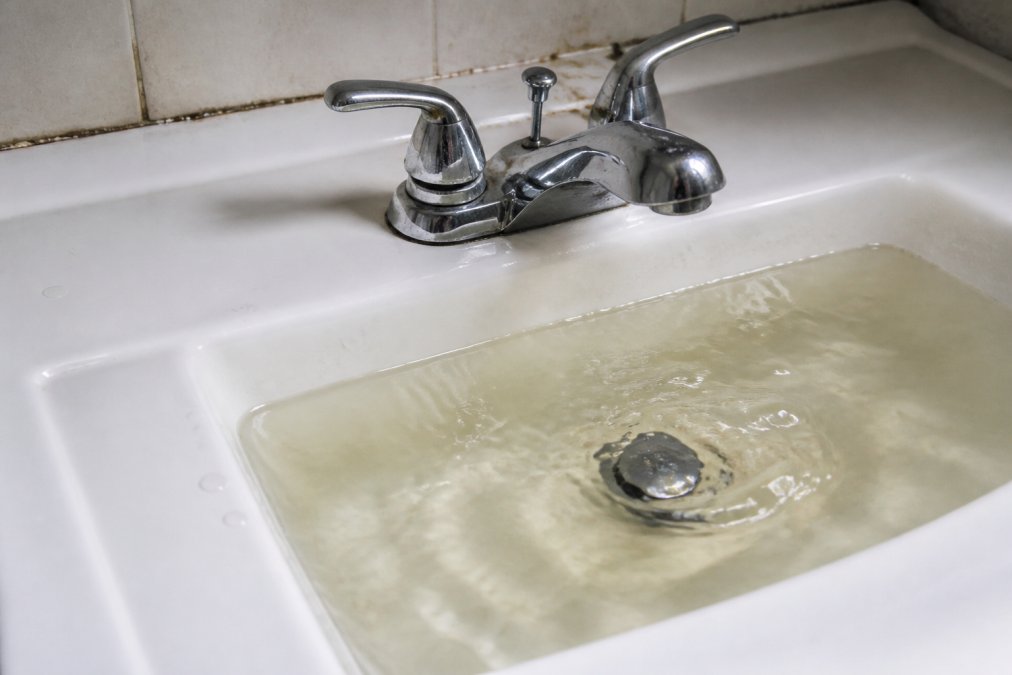
Recurring bathroom sink clogs are frustrating because they feel like the problem was never truly solved. You call someone, they clear the drain, and two weeks later you're plunging again. The issue isn't always that the initial fix was poor, it's that most people treat the symptom, not the cause.
Bathroom sink clogs typically fall into two categories: lifestyle-driven accumulation and structural plumbing issues. Understanding which one you're dealing with changes everything about how you approach prevention. A recurring clog caused by hair and soap buildup requires a completely different strategy than one caused by hard water mineral deposits or a flawed drain assembly.
The real problem is that most homeowners don't have a diagnostic framework. They unclog the sink, assume the problem is solved, and then repeat the cycle when the same blockage returns. This guide walks you through identifying what's actually causing your recurring bathroom sink clogs, how to fix it properly, and how to prevent it from happening again.
Common Causes of Recurring Bathroom Sink Clogs
Most recurring clogs trace back to one of six core issues.
Hair Accumulation and Bio-Film Buildup
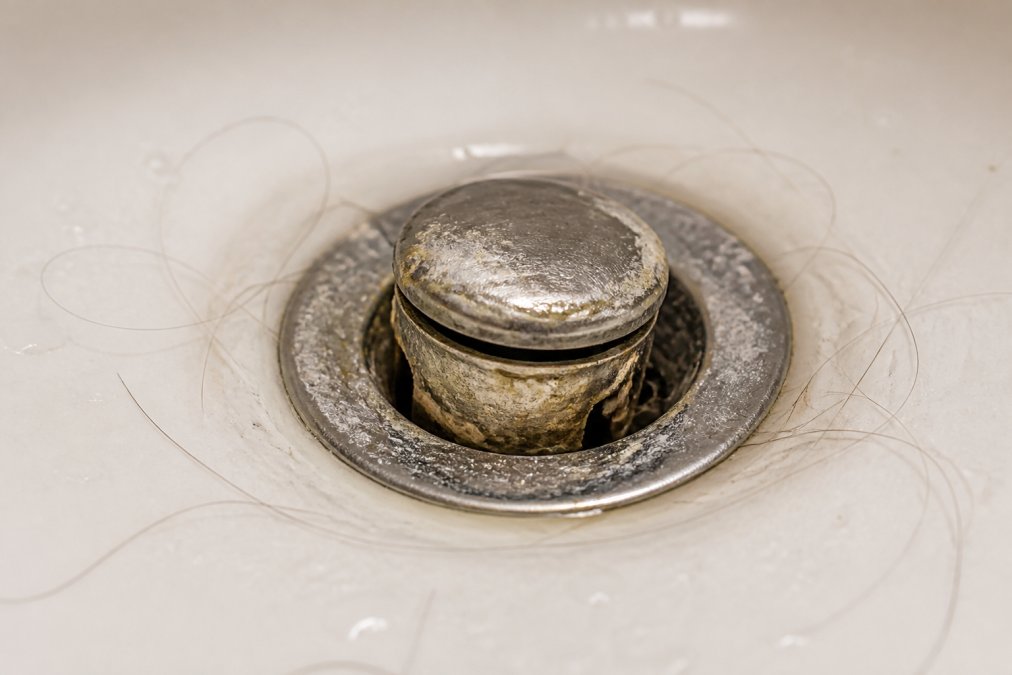
Hair doesn't just sit in your drain, it traps other debris and creates a sticky film that accelerates clogging. When hair combines with soap residue and skin cells, it forms a bio-film that adheres to the pipe walls. This buildup is the single most common cause of recurring bathroom sink clogs in residential settings.
Soap Scum and Mineral Deposits
Soap scum isn't just a cosmetic issue, it's a structural problem inside your pipes. As soap residue accumulates on pipe walls, it creates a sticky surface that traps hair, toothpaste, and other debris. Over months, this buildup narrows the effective diameter of your drain, reducing water flow velocity and making clogs inevitable.
Toothpaste and Grooming Product Residue
Toothpaste contains abrasive particles and thickening agents that don't dissolve in water the way you'd expect. When toothpaste mixes with saliva and water, it forms a paste-like substance that can accumulate in the drain. Add hair and soap residue to this mix, and you have the perfect recipe for a clog.
Pop-Up Stopper and Drain Assembly Problems
Your pop-up stopper assembly is a common culprit that most homeowners overlook. The stopper mechanism has a rod that extends down into the drain assembly. This rod and the pivot ball it connects to create natural debris entrapment points. Hair and soap scum accumulate around these components, forming blockages right at the drain entrance.
P-Trap Design Issues and Debris Entrapment
The P-trap is the curved section of pipe under your sink. Its purpose is to hold standing water that blocks sewer gases from entering your home. However, the P-trap's design also makes it a natural debris collection point. Water slows as it enters the trap, allowing heavier particles to settle.
Hard Water and Pipe Corrosion
Hard water doesn't just create mineral deposits, it accelerates corrosion in metal pipes. As mineral scale builds up on the interior, it creates rough spots where debris catches more easily. In older homes with galvanized steel pipes, the corrosion process is even more aggressive.
How to Unclog a Bathroom Sink: Step-by-Step Methods
Once you've identified the cause, the unclogging method matters. Different clogs respond to different approaches.
Plunger Method for Surface Clogs
The plunger is your first line of defense for clogs that are close to the drain opening. This method works best for hair-based clogs that haven't yet traveled deep into the drain system.
Steps:
- Fill the sink with enough water to cover the plunger cup completely
- Place the plunger directly over the drain opening, ensuring a tight seal
- Push down and pull up rapidly 15-20 times, maintaining the seal
- Check if water drains, if not, repeat 2-3 more times
- If the clog clears, run hot water for 30 seconds to flush remaining debris
Drain Snake and Manual Removal
A drain snake (also called a plumbing snake) is a flexible cable with a hook or corkscrew end that physically removes debris from deeper in the drain system. This method works for clogs that the plunger can't reach.
Steps:
- Remove the pop-up stopper assembly if possible
- Feed the snake into the drain opening, rotating it as you push
- When you feel resistance, rotate the snake to catch the debris
- Pull back slowly, extracting the clog material
- Repeat if necessary until water flows freely
- Flush with hot water to clear remaining debris
Enzyme-Based vs. Chemical Drain Cleaners
Chemical drain cleaners use caustic compounds that dissolve organic material through heat and chemical reaction. Enzyme-based cleaners use naturally occurring proteins that break down organic compounds without heat or caustic action.
Diagnostic Checklist for Recurring Clogs
Use this checklist to identify what's actually causing your recurring bathroom sink clogs:
- Do you have a hair catcher over the drain? (If no, hair accumulation is likely the cause)
- How often do you experience clogs? (Weekly = lifestyle issue; monthly = structural issue)
- Does the clog return in the same location? (Same spot = structural problem; varies = lifestyle issue)
- Have you tested your water hardness? (Hard water accelerates mineral buildup)
- Is the drain assembly (pop-up stopper) visibly corroded or damaged?
- Does water drain slowly even after clearing the clog? (Indicates mineral deposits or corrosion)
- Have you inspected the P-trap under the sink for rough spots or debris?
- Are you using enzyme-based or chemical cleaners? (Affects long-term prevention)
Signs of a Main Sewer Line Blockage
Recurring bathroom sink clogs can sometimes indicate a deeper problem in your main sewer line. If multiple drains in your home are slow or backing up simultaneously, the issue isn't your sink, it's your sewer system.
Warning signs include:
- Multiple drains (sink, shower, toilet) backing up at the same time
- Gurgling sounds coming from drains or the toilet
- Sewage smell in your bathroom or yard
- Wet patches in your lawn or basement
- Slow drainage throughout the house, not just the bathroom sink
When to Call a Plumber for Sink Clogs
You can handle simple, recurring clogs yourself. But certain situations require professional help.
Call a plumber when:
- The clog returns within days after clearing it (indicates structural or deep blockage)
- Multiple drains in your home are affected simultaneously
- You've tried plunging and snaking without success
- The drain assembly is corroded or damaged
- You suspect hard water mineral deposits are the cause
- You need a professional inspection of the P-trap or drain system
- Water is backing up into your sink from other fixtures
Preventative Maintenance to Stop Recurring Clogs
The best solution is preventing clogs before they start. These practices eliminate most recurring bathroom sink clog issues:
Monthly:
- Use an enzyme-based drain cleaner to break down soap scum and bio-film
- Remove and clean the pop-up stopper assembly
- Flush the drain with hot water for 30 seconds after use
Weekly:
- Place a hair catcher over the drain
- Rinse the sink thoroughly after brushing teeth or washing face
- Avoid letting grooming products go down the drain
Quarterly:
- Inspect the P-trap under the sink for corrosion or debris
- Check water pressure and drainage speed throughout the home
- Consider professional drain inspection if clogs are recurring
Annually:
- Have a professional inspect your drain system and plumbing vents
- Test your water hardness and consider a water softening system if needed
- Clean or replace your home's main water line strainer
Frequently Asked Questions
Why does my bathroom sink keep clogging even after I've had it professionally cleaned?
Recurring bathroom sink clogs usually stem from lifestyle habits, water quality, or structural plumbing issues rather than a one-time blockage. Hair accumulation, soap scum, and mineral deposits form continuously in the drain. If your P-trap or drain assembly has design flaws, or if hard water is corroding your pipes, clogs will return frequently. A professional plumber can diagnose whether the issue is preventable through maintenance or requires structural repair to the drain assembly or pipes.
What are the safest methods to unclog a bathroom sink without damaging pipes?
Start with a plunger or drain snake, which are mechanical and safe for most drain systems. Enzyme-based cleaners are gentler than chemical drain cleaners and break down organic buildup like hair and soap scum without harming pipe integrity. Avoid mixing chemical cleaners, as this creates hazardous fumes. If you're unsure about your pipe material or condition, call a professional plumber to assess before using any cleaner. Hydro-jetting is a professional option that clears debris without chemicals.
How often should I clean my bathroom drain to prevent recurring clogs?
Most households benefit from drain maintenance every 1-3 months, depending on usage and water quality. Homes with hard water or multiple people sharing one bathroom may need more frequent cleaning. Install a drain strainer to catch hair before it enters the P-trap, and remove trapped debris weekly. If you notice slow drainage or gurgling sounds, clean the drain immediately rather than waiting. Professional plumbing inspection annually can identify early signs of corrosion or debris buildup before clogs occur.
When should I call a professional plumber for a sink clog instead of trying DIY methods?
Call a plumber if clogs return within weeks of clearing, if multiple fixtures are draining slowly, or if you hear gurgling sounds from the sewer line. These signs indicate a deeper blockage in the main sewer line or structural issues with your plumbing system that DIY methods won't fix. Also call if you've tried plunging and drain snakes without success, or if chemical cleaners haven't worked. A certified plumber can perform a professional inspection if needed to restore proper water flow and drainage velocity.
Recurring bathroom sink clogs are solvable once you understand what's causing them. Whether it's hair accumulation, soap buildup, hard water mineral deposits, or a structural drain assembly issue, the solution depends on accurate diagnosis. UMark Plumbing and Drain Inc. provides professional drain inspection and cleaning services that identify the root cause and implement lasting fixes. Get a free quote today and stop the cycle of recurring clogs for good.