 ultimate-guide
How to Prevent Water Damage in Home: 2026 Guide
Table of Contents
- Why Water Damage Prevention Is a Year-Round Job
- The 2026 Home Water Damage Prevention Checklist
- How to Detect Hidden Plumbing Leaks Early
- Sump Pump Maintenance Checklist for Heavy Rains
- Water Damage Insurance Coverage: What to Document
- DIY vs. Calling a Professional Plumber
- Immediate Steps to Take After a Leak or Flood
- Conclusion: Build a Water Damage Prevention Habit
- Frequently Asked Questions
Last Updated: September 6, 2026
Water damage is one of the most costly and disruptive problems a homeowner can face, and most of it builds slowly through undetected leaks, poor drainage, and neglected maintenance. The UMark Plumbing and Drain Inc. team has spent over 20 years responding to these emergencies, and this guide distills what we have learned into a practical, year-round prevention plan.
The vast majority of water damage is preventable with regular inspections and knowing when a small repair signals a bigger problem. Water intrusion is a leading cause of structural issues and mold growth, and prevention costs a fraction of remediation.
Why Water Damage Prevention Is a Year-Round Job
The most common mistake homeowners make is treating water damage prevention as a seasonal chore. The risks change with the weather: frozen pipes and ice dams in winter, snowmelt and groundwater infiltration in spring, intense storms in summer, and preparation for the next freeze in autumn. A prevention plan that only runs from May to September leaves your home exposed for the other half of the year.
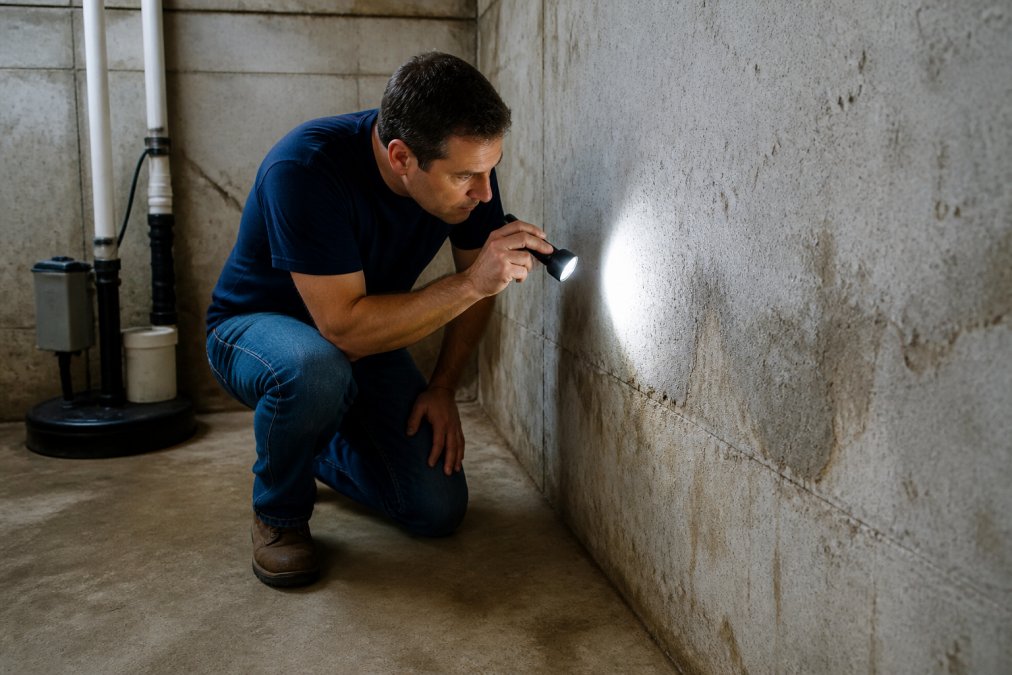
Many insurance-based guides offer generic advice like "clean your gutters," but rarely explain how to identify early warning signs. A musty smell in a basement, a subtle stain on a ceiling, or a sudden increase in your water bill should trigger an immediate investigation, waiting for a visible leak means the problem has progressed past the point of easy prevention.
The 2026 Home Water Damage Prevention Checklist
A thorough prevention strategy covers three main zones: the exterior envelope, the internal plumbing system, and the below-grade drainage. This checklist breaks down the actions you should take in each area to prevent water damage in home. Work through this list at least twice a year, ideally in the spring and again in the fall.
Roof, Eavestroughs, and Downspouts
Your roof and eavestrough system is the first line of defense against rain and snowmelt. Clogged eavestroughs are a leading cause of ice dams in the winter and water overflow that saturates the soil around your foundation. Clean your eavestroughs at least twice a year, and more often if you have overhanging trees. Ensure downspouts extend at least 1.8 metres away from your foundation to direct water away from the structure. Check for loose shingles and damaged flashing around chimneys and vents, as these are common entry points for water during heavy rain.
Plumbing Fixtures and Appliances
The majority of expensive interior water damage comes from appliance failures. Washing machine supply hoses, dishwasher connections, and water heater tanks are the usual suspects. Inspect washing machine hoses for cracks or bulges every six months and replace them every five years as a precaution. Check the seal around your dishwasher door and the connection point under the sink. Water heaters typically last 8 to 12 years, and the area around the base of the tank should remain dry (energy.gov). If you see rust or pooling water, it is time to call a professional before the tank fails completely. For a proactive approach, consider installing leak detection sensors near these high-risk appliances; they provide an immediate alert when moisture is present.
Outdoor Drainage and Winterization
Proper grading is essential for keeping water away from your foundation. The soil around your home should slope away from the walls so that rainwater does not pool against the basement. Before the first frost, disconnect all outdoor hoses and shut off the exterior water supply. Drain the lines completely to prevent freezing, which can cause pipes to burst. This winterization step is critical in Canadian climates and is often overlooked until a spring thaw reveals the damage.
How to Detect Hidden Plumbing Leaks Early
Detecting hidden plumbing leaks early is the single most effective way to minimize damage. While the manual water meter test is a reliable starting point, the modern, high-value approach integrates smart home technology to catch leaks the moment they start. This moves you from reactive detection to proactive, automated monitoring.
The Manual Baseline: Know Your Water Meter
Start with the fundamentals. Turn off all water-using fixtures, then check the water meter. If the low-flow indicator spins when everything is off, you have a leak. A sudden, unexplained spike in your water bill also suggests a leak. Listen for running water at night, check for discoloration on ceilings and walls, and note soft spots in flooring or a persistent musty odour, all strong indicators of hidden moisture.
The Tech-Forward Upgrade: Automated Shut-Off Valves and IoT Sensors
The most significant advancement in leak prevention is smart home water monitoring. Unlike simple alarms that sound when water is already on the floor, these systems detect anomalies in water pressure or flow patterns and can act automatically.
Smart Leak Detection Sensors: Place these small, Wi-Fi-enabled devices near high-risk areas: under sinks, behind washing machines, near the water heater, and beside the sump pump. They detect moisture and send an immediate alert to your smartphone. Advanced models also monitor temperature and humidity, alerting you to conditions that could lead to pipe freezing. A starter kit of three sensors costs between $100 and $250, a fraction of the cost of a single drywall repair.
Whole-Home Water Monitoring Systems: These devices clamp onto your main water line and track water usage in real-time. They learn your home's typical consumption patterns. If the system detects a continuous flow when all fixtures should be off, such as a stuck toilet flapper or a pinhole leak, it can automatically shut off the main water valve. This is a powerful defense against catastrophic failures while you are away. Many models are designed for DIY setup, while others require a licensed plumber.
The Trade-Off: Smart Systems vs. Manual Checks
Smart systems are not a substitute for visual inspections, a sensor will not tell you that your eavestroughs are clogged or that window caulking is failing. The most robust strategy is a hybrid approach: use smart technology for internal plumbing failures 24/7, and maintain a manual, seasonal checklist for the exterior envelope and structural elements.
Sump Pump Maintenance Checklist for Heavy Rains
A sump pump is your basement's primary defense against groundwater infiltration during heavy rains. Maintenance takes about 15 minutes. Test the pump by pouring a bucket of water into the sump pit, it should activate automatically and drain quickly. Check the discharge line outside for debris and ice, and ensure it directs water away from the foundation. Inspect the power cord and outlet for damage. Consider a battery backup system, as pumps often fail during storms when the power goes out.
| Maintenance Task | How Often | Why It Matters |
|---|---|---|
| Test pump with water | Monthly | Confirms the float switch and motor work |
| Clean the pit and inlet screen | Every 3 months | Prevents clogs that cause pump failure |
| Check discharge line | Monthly | Ensures water exits away from the foundation |
| Inspect power cord and outlet | Monthly | Prevents electrical failure during a storm |
| Test battery backup | Every 3 months | Provides protection during power outages |
Water Damage Insurance Coverage: What to Document
Understanding your water damage insurance coverage is crucial before a disaster occurs. Standard Canadian home insurance policies typically cover sudden and accidental water damage, such as a burst pipe, but often exclude sewer backup, overland flooding, and gradual leaks. These perils usually require separate endorsements. Review your policy carefully.
Documentation is your best tool for a smooth claims process. Create a home inventory with photos and receipts. If you experience a leak, document the damage with photos and video before any cleanup begins. Keep records of maintenance you have performed, as insurers may ask for proof. This paper trail can be the difference between a covered claim and a denied one.
DIY vs. Calling a Professional Plumber
Knowing the difference between a DIY fix and a professional job can save money and prevent further damage. Simple tasks like replacing a washing machine hose, cleaning a P-trap, or installing a leak detection sensor are well within the reach of a competent homeowner.
Call a licensed professional for issues involving main water lines, sewer backups, or leaks inside walls. A small DIY mistake can cause significant water damage. A professional has the tools to detect leaks accurately and fix the root cause, not just the symptom. Recurring clogs or slow drains throughout the house point to a main line issue requiring specialized equipment. UMark Plumbing and Drain Inc. provides 24/7 emergency services for burst pipes and severe leaks.
Immediate Steps to Take After a Leak or Flood
When a leak or flood happens, your first actions determine the extent of the damage. This section provides a time-sequenced emergency action plan for the first 60 minutes, the critical window that separates minor cleanup from major restoration.
The First 60 Minutes: A Time-Sequenced Action Plan
Minutes 0-2: Stop the Water Source.
Your priority is to stop the flow of water. Shut off the main water shut-off valve. Locate this valve before an emergency, and ensure everyone in the household knows where it is. If the leak is from a specific appliance, like a washing machine, shut off the dedicated supply valve behind the unit. If water is coming from outside, you cannot stop the source, so focus on protecting your belongings.
Minutes 2-5: Cut the Power.
Turn off the electricity to the affected area if there is standing water. Do not enter a flooded room until the power is off. If the water level is high or you cannot safely reach the breaker panel, call an electrician immediately. Water and electricity are a lethal combination.
Minutes 5-15: Document Everything.
Before you move a single item or start cleanup, document the damage thoroughly. This is the most critical step for your insurance claim. Take photos and video of the entire affected area, including the source of the leak, the water level, and any damaged belongings. Capture close-ups of visible cracks, burst pipes, or failed seals. This evidence proves the sudden and accidental nature of the loss, often required for coverage.
Minutes 15-30: Move and Elevate.
Move furniture, electronics, and valuables to a dry location. If you cannot move large items, elevate them on blocks or wooden planks to get them out of the water. Remove area rugs and curtains. The goal is to prevent water from wicking up into porous materials like upholstery and drywall.
Minutes 30-60: Begin Water Removal and Drying.
Use towels, mops, and a wet/dry vacuum to remove standing water, working from the source outward. Increase air circulation with fans and a dehumidifier to prevent mold growth, which can begin within 24 to 48 hours (the CDC). Ensure your sump pump is operational. Do not use a regular household vacuum to pick up water, this is an electrical hazard.
The Critical Distinction: Clean Water vs. Contaminated Water
Not all water is the same. Clean water from a burst pipe or a leaking appliance is relatively safe to handle with basic precautions. However, water from a sewer backup or a flood that has contacted the ground is contaminated with bacteria and pathogens. If the water is dark, smells foul, or comes from a toilet or sewer line, do not attempt to clean it yourself. Evacuate the area and call a professional restoration service immediately. They have the specialized equipment and training to handle hazardous water safely.
What Not to Do in the First Hour
Avoid tearing out wet drywall or carpet immediately. Premature demolition can destroy evidence needed for your insurance claim and compromise structural integrity. Let the insurance adjuster or a professional restoration company assess the damage first. Do not turn on your HVAC system, as this can spread mold spores. Keep the affected area isolated by closing doors.
Conclusion: Build a Water Damage Prevention Habit
Preventing water damage is not a one-time project; it is a habit of regular inspection and maintenance. By following this checklist, you can protect your home from common sources of water intrusion and catch small problems before they become major expenses. Be proactive, not reactive, and know your limits. For complex plumbing issues or emergency leaks, having a reliable professional on call is essential. UMark Plumbing and Drain Inc. offers certified 24/7 emergency services and over 20 years of experience. Get a free quote today.
Frequently Asked Questions
Will homeowners insurance cover moisture damage?
Standard Canadian home insurance policies typically cover sudden and accidental water damage, such as a burst pipe. However, gradual damage from long-term leaks, poor maintenance, or groundwater seepage is usually excluded. Sewer backup and overland flooding require separate riders or endorsements. Review your policy annually and ask your insurer about adding these protections. Taking photos and keeping maintenance records strengthens any future claim.
How often should I inspect my home for potential water leaks?
Perform a basic visual inspection of visible plumbing, under sinks, and around the water heater every three months. Twice a year, check your roof, eavestroughs, downspouts, and the grading around your foundation. Test your sump pump before the spring thaw and before heavy fall rains. An annual professional plumbing inspection can catch hidden issues in walls or slabs that you cannot see.
Will water damage go away on its own if left to dry?
No. While surface moisture may evaporate, water soaks into drywall, wood framing, and insulation. This creates ideal conditions for mold growth within 24 to 48 hours and can compromise structural integrity over time. Even a small leak behind a wall can rot studs and attract pests. Always dry the area thoroughly and address the source of the leak before it spreads.
What are the early warning signs of a hidden plumbing leak?
Watch for an unexplained increase in your water bill, the sound of running water when all fixtures are off, musty odors, or discolored patches on walls and ceilings. Peeling paint or wallpaper, warped flooring, and a constantly running water meter are also strong indicators. If you notice any of these signs, shut off your main water valve and call a professional to locate the leak.
Does insurance cover weeping tiles and foundation leaks?
Coverage for weeping tiles and foundation leaks depends on the cause. Water entering through your foundation due to groundwater pressure or flooding is generally excluded under a standard policy and requires overland flood coverage. If a sudden pipe burst inside the foundation causes the leak, the resulting water damage may be covered. Check your policy wording or speak with your broker to clarify what perils are included.
What kills mold from water damage?
For small areas under one square metre, a solution of water and unscented detergent can clean mold from hard surfaces. Do not use bleach, as it can be ineffective on porous materials and produces harmful fumes. Porous items like drywall and carpet usually need to be removed and replaced. For larger infestations, hire a certified mold remediation professional to ensure safe removal.