 ultimate-guide
Preventing Water Damage in Finished Basements
Table of Contents
- Understanding Water Damage Risk in Finished Basements
- Exterior Grading and Surface Water Runoff Management
- Gutter and Downspout Maintenance for Water Control
- Sump Pump Maintenance Tips and Testing
- Backwater Valve Installation and Sewage Backup Prevention
- Signs of Basement Water Damage and Early Detection
- Moisture Control in Finished Basements: Materials and Monitoring
- Foundation Waterproofing, Window Wells, and Interior Drainage
- Frequently Asked Questions
Last Updated: September 1, 2026
Understanding Water Damage Risk in Finished Basements
Water enters finished basements through hydrostatic pressure from below, surface runoff from above, and foundation cracks. Unlike unfinished basements, water damage here destroys drywall, flooring, insulation, and personal belongings, turning a structural problem into a financial emergency.
At UMark Plumbing and Drain Inc., we've seen countless preventable water damage cases. Most homeowners discover the problem only after water has already compromised their space. With the right layered defense, you can stop water before it becomes a crisis.
Preventing water damage requires exterior controls (grading, gutters, downspouts), interior safeguards (sump pumps, drainage systems), and ongoing monitoring.
Exterior Grading and Surface Water Runoff Management
Foundation grading is your first line of defense. Soil around your home should slope away from the foundation at a minimum grade of 5 percent over the first 3 meters, roughly 15 centimetres of drop per 3 meters of distance. This directs surface water away from foundation walls and prevents pooling.
Many basements fail because grading has settled or eroded over time. Walk around your foundation after heavy rain and observe where water collects. If water pools against the foundation, you have a grading problem that requires adding soil and reshaping the landscape. Monitor grading annually, especially after heavy rainfall or freeze-thaw cycles.
Gutter and Downspout Maintenance for Water Control
Gutters and downspouts are your home's first drainage system. Clean gutters channel roof runoff away from your foundation. Clogged gutters cause water to overflow at the foundation line, saturating soil and creating ideal conditions for water infiltration.
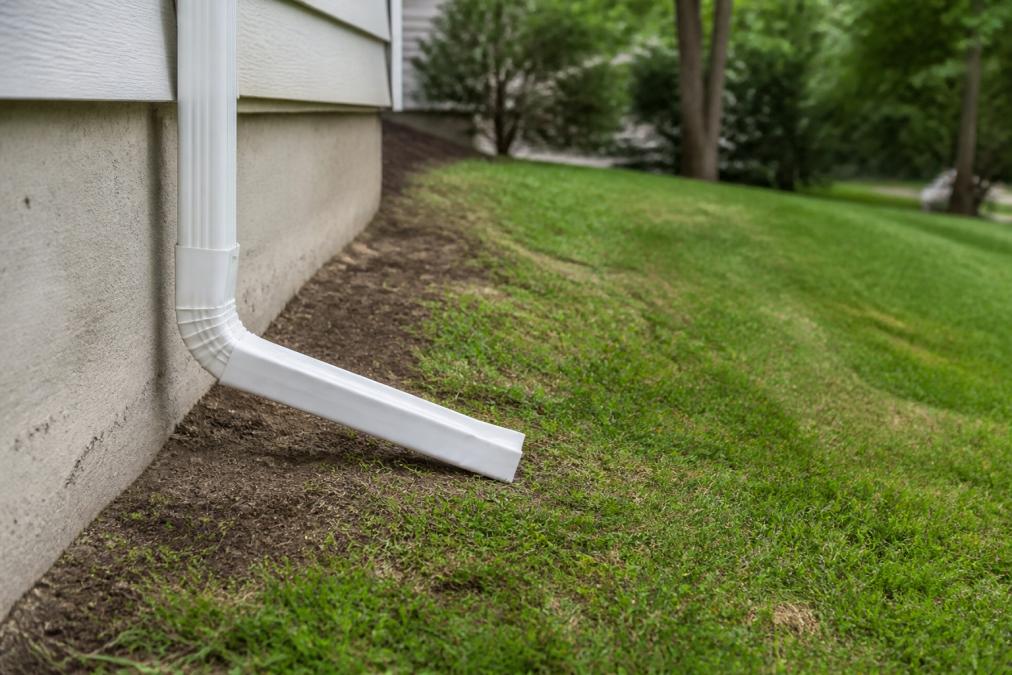
Downspout extensions should discharge water at least 1.2 to 1.8 meters away from the foundation. Many homes have short downspouts that dump water right at the foundation base, defeating the entire purpose. Maintain gutters by cleaning them twice annually: spring and fall. Check downspout connections for leaks and ensure all gutters slope toward downspouts so water doesn't pool.
Sump Pump Maintenance Tips and Testing
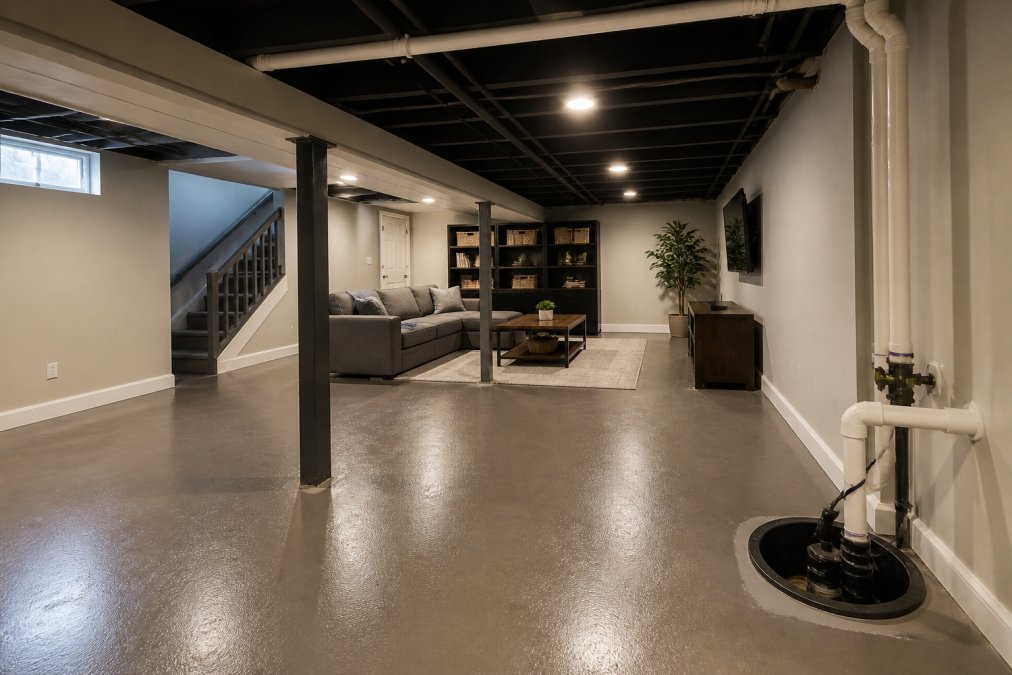
A sump pump is your basement's emergency drainage system. For finished basements, a functioning sump pump is often the difference between a dry space and a flooded one.
Test your pump monthly during the dry season by pouring water into the sump pit and verifying it activates and discharges water outside. Check the discharge line regularly to ensure it extends away from the foundation and isn't frozen or blocked. Replace your sump pump every 7-10 years. For finished basements, a backup pump or battery-powered system provides additional protection during power outages, which often occur during heavy rain.
Backwater Valve Installation and Sewage Backup Prevention
A backwater valve prevents sewage from backing up into your basement through floor drains and toilets. When municipal sewers become overwhelmed during heavy rain, water can reverse flow through your home's drainage system. For finished basements with bathrooms or laundry facilities, a backwater valve is essential insurance.
Backwater valve installation requires professional plumbing work because it involves your main drainage line. The valve sits in your sewer line and allows water to flow out but prevents reverse flow. Maintenance is straightforward: have the valve inspected annually to ensure it opens and closes freely. Some municipalities offer rebates for backwater valve installation, which may reduce the cost significantly.
Signs of Basement Water Damage and Early Detection
Recognizing basement water damage early prevents catastrophic losses in finished spaces. Water can hide behind walls, under flooring, and in insulation cavities for days before becoming visible.
Visible and Hidden Warning Signs
Efflorescence, white mineral deposits on concrete, indicates water is moving through the foundation. Musty or moldy odors are a critical warning sign; mold produces volatile organic compounds that create distinctive odors before visible growth appears. Staining on walls or floors shows where water has entered. Water marks often appear higher than the actual water level because water wicks up through concrete and drywall.
Cracks in foundation walls are potential entry points. Horizontal cracks are particularly concerning because they indicate structural stress and are more likely to leak. Condensation on windows, pipes, or metal surfaces indicates high humidity above 60%, a precursor to mold growth.
Water Movement in Finished Spaces
Water enters finished basements through foundation cracks, window wells, and floor-to-wall joints. Water wicking is particularly damaging: when water contacts drywall, it wicks upward through the gypsum core, saturating the material from bottom to top. A finished wall can absorb water 0.9 to 1.2 meters up from the floor without visible evidence at the base.
Flooring traps water underneath. If water infiltrates under LVP or carpet, it remains trapped against the subfloor, creating ideal conditions for mold. Mold can colonize the subfloor without any visible sign on the finished flooring surface.
Documentation for Insurance Claims
Document your finished basement before water damage occurs. Take photos and video of all finished surfaces, flooring, walls, and contents. If water damage occurs, photograph all visible water, staining, and damage from multiple angles, note the date and cause, and photograph the water level on walls using a ruler for scale. Contact your insurance provider immediately after water damage. Most policies require prompt notification and may require you to take steps to prevent further damage.
Post-Flood Remediation for Finished Spaces
For minor water infiltration (less than 2.5 centimetres, no sewage), quick action can save finished surfaces. The goal is to dry the space within 24-48 hours before mold colonizes. Stop the water source, remove standing water using a wet-dry vacuum, open windows and doors, run dehumidifiers and fans, and monitor humidity levels; they should drop below 60% within 24 hours.
If water has contacted drywall or insulation, assess whether materials can be salvaged. Drywall wet for less than 24 hours and drying rapidly may be salvageable. Wet insulation is generally not salvageable; replace it rather than attempting to dry it. For major flooding (more than 5 centimetres, sewage involvement, or water present for more than 24 hours), professional water damage remediation is necessary.
After water damage, continue monitoring humidity and moisture for 2-4 weeks. Mold can begin colonizing within 24-48 hours of water exposure. If humidity remains elevated or musty odors develop, mold is likely growing in hidden cavities.
Moisture Control in Finished Basements: Materials and Monitoring
Finished basements demand moisture-resistant materials because standard construction materials fail rapidly when exposed to water.
Choosing Water-Resistant Flooring
Standard carpet absorbs water and becomes a mold incubator within 24-48 hours of exposure. Luxury vinyl plank (LVP) or rigid core vinyl flooring resists water absorption and can be dried quickly after minor leaks. Ceramic tile or porcelain over a waterproofed subfloor is the most water-resistant option but requires proper installation with a moisture barrier. Avoid standard laminate flooring, which swells and delaminates when exposed to moisture.
Wall Materials and Vapor Barriers
Use closed-cell spray foam insulation instead of fiberglass batts in basement walls. Fiberglass absorbs water like a sponge and loses all insulating value when wet. Closed-cell foam maintains its R-value even when saturated and resists mold growth.
Install a continuous vapor barrier (6-mil polyethylene or specialized basement membrane) on the interior side of foundation walls before framing. This barrier prevents moisture from wicking through concrete into wall cavities. Use moisture-resistant drywall (cement board or "green board") for basement walls instead of standard drywall. This material upgrade costs 15-25% more but prevents costly mold remediation.
Active Moisture Monitoring and Smart Detection
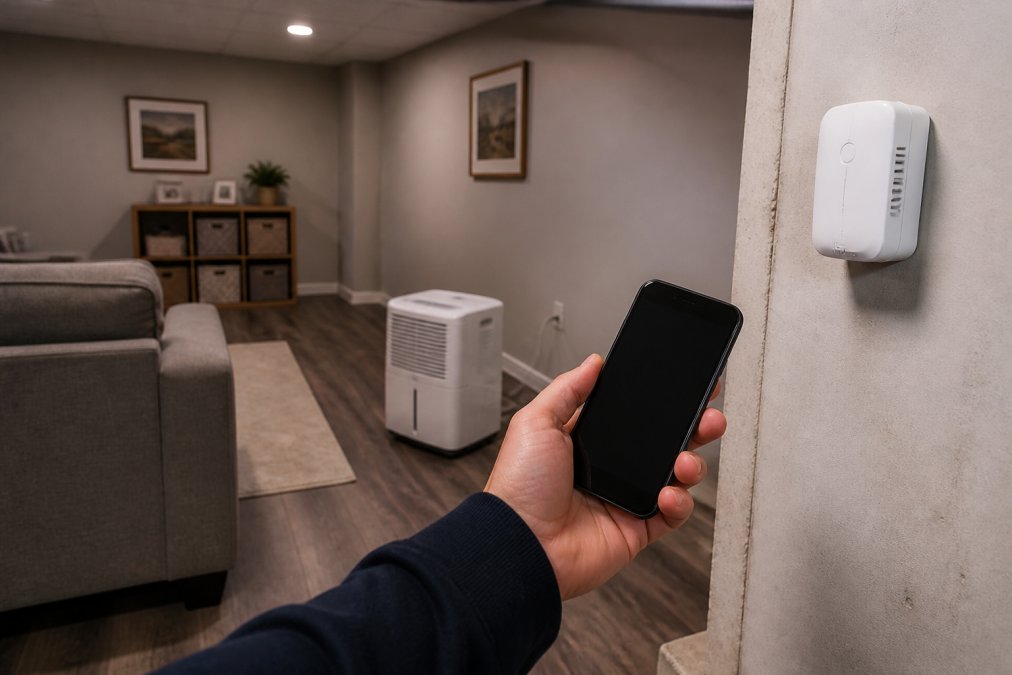
Smart humidity sensors track basement moisture levels continuously and alert you to spikes before mold or water damage becomes visible. Smart leak detectors placed near sump pump discharge lines, under windows, or along foundation walls provide early warning of water infiltration. Integrated systems combine humidity sensors, leak detectors, and sump pump monitors into a single platform.
For finished basements, moisture monitoring is insurance against hidden damage. By the time you notice dampness or smell mold, damage is often extensive. Smart monitoring catches these problems early, when remediation is simple and inexpensive.
Dehumidification and Ventilation
Run a dehumidifier continuously during humid months (typically May through September) or year-round if your basement stays damp. A dehumidifier removes moisture from the air, maintaining humidity below 60%, which prevents mold growth. A basement of 46-74 square meters typically requires a 24-33 litre-per-day unit.
Ensure basement ventilation is adequate. Install exhaust fans in bathrooms and laundry areas to remove moisture at the source.
Foundation Waterproofing, Window Wells, and Interior Drainage
Foundation waterproofing creates a barrier between soil water and your basement interior. Exterior waterproofing, applied to the outside of foundation walls, is the most effective approach but requires excavation and is expensive. Interior waterproofing involves applying sealers to interior walls and is less effective but more affordable for existing homes.
Foundation cracks require sealing with hydraulic cement or polyurethane injections to prevent water infiltration. Window wells are common water entry points; install window well covers or drain systems to direct water away. Interior drainage systems collect water that infiltrates through foundation walls and floor joints, directing it to the sump pump. A comprehensive waterproofing approach combines exterior grading, gutter maintenance, interior drainage, and sump pump protection.
Preventing water damage in finished basements requires vigilance and maintenance, but the investment pays off by protecting your space and your home's structural integrity. Start with exterior grading and gutter maintenance, which cost little and prevent most water problems. Add a functioning sump pump, consider a backwater valve, and monitor moisture levels inside. When you're ready to implement these protections or need professional assessment of your basement's vulnerability, UMark Plumbing and Drain Inc. offers certified, 24/7 service to help you build a comprehensive water defense system. Get a free quote today and take control of your basement's moisture risk.
Frequently Asked Questions
How can I prevent water damage in my finished basement?
Prevent water damage through a multi-layered approach: ensure proper exterior grading sloping away from your foundation, maintain gutters and downspouts with extensions directing water at least two metres away, install and maintain a working sump pump, consider a backwater valve to prevent sewage backup, seal foundation cracks, install window well covers, and control interior moisture with a dehumidifier. Regular inspections catch problems early before they affect finished materials like drywall and flooring.
What are the signs of basement water damage I should watch for?
Early signs include efflorescence (white mineral deposits on concrete), musty odors, visible mold or mildew, water stains on walls or floors, peeling paint, rust on metal fixtures, and dampness after heavy rain. In finished basements, watch for warped drywall, buckled flooring, or discoloration on carpets and baseboards. Moisture readings above 50-60% relative humidity also indicate a problem developing. Catching these early prevents costly remediation of finished spaces.
How often should I perform sump pump maintenance?
Test your sump pump monthly by pouring water into the pit to ensure it activates and drains properly. Clean the intake screen quarterly to prevent clogs. Have the check valve inspected annually to confirm it's preventing backflow. Replace the pump every 5-10 years depending on usage, or sooner if it runs constantly or makes unusual noises. In finished basements, a failing pump can destroy drywall, flooring, and belongings, so regular maintenance is essential insurance.
Is a backwater valve necessary for basement flood prevention?
A backwater valve is highly recommended if your home's main drain connects to a municipal combined sewer system. During heavy rainfall or sewer backups, sewage can flow backward into your basement through floor drains and toilets. A backwater valve prevents this by allowing water to flow out but blocking reverse flow. For finished basements with toilets or floor drains, installation protects your investment from costly sewage contamination and mold remediation.
What moisture level should I maintain in a finished basement?
Keep relative humidity between 30-50% to prevent mold growth and protect finished materials like drywall and flooring. Above 60% humidity, mold and mildew develop rapidly; below 30%, materials can crack and shrink. Use a dehumidifier to maintain this range, especially in basements with limited air circulation. Monitor humidity with an inexpensive hygrometer. Proper ventilation, vapor barriers on walls, and insulation also help control moisture in finished spaces.
How does exterior grading prevent basement water damage?
Proper grading directs surface water runoff away from your foundation instead of allowing it to pool and seep into the soil around your basement walls. The ground should slope downward at least 5-10 centimetres over the first 1.5 metres away from your foundation. This reduces hydrostatic pressure against foundation walls and prevents water infiltration. Combined with gutters, downspouts, and interior drainage systems, correct grading is one of the most cost-effective water damage prevention strategies for finished basements.
What materials should I use in a finished basement to resist water damage?
Choose water-resistant materials: cement board or tile instead of standard drywall in damp areas, vinyl or ceramic flooring rather than carpet or hardwood, and moisture-resistant insulation. Install a vapor barrier on basement walls before finishing. Use paint rated for high-moisture environments. Avoid placing valuable items or important documents on basement floors. These choices protect your finished space investment and simplify remediation if water intrusion occurs despite prevention efforts.
This article was written using GrandRanker