 ultimate-guide
What Causes Recurring Toilet Clogs: 7 Reasons
Table of Contents
- Why Your Toilet Keeps Clogging
- Non-Flushable Items and Flushable Wipes
- Excessive Toilet Paper Usage and Low-Flow Toilets
- [Hard Water Mineral Buildup in Your Trapway](#hard-water-mineral-buildup-in Your-trapway)
- Blocked Plumbing Vents and Drain Pipes
- Signs of a Main Sewer Line Blockage
- Best Toilet Plunger for Frequent Clogs and DIY Fixes
- When to Replace a Toilet vs. Repair It
Last Updated: August 17, 2026
Why Your Toilet Keeps Clogging
A toilet that clogs repeatedly signals a problem in your plumbing system that needs attention. At UMark Plumbing and Drain Inc., we've spent over 20 years diagnosing persistent toilet problems. Recurring clogs typically stem from one of seven specific causes, and identifying which one applies determines whether you need a quick fix or professional intervention.
The difference between a one-time clog and a pattern matters. A single blockage might clear with a plunger, but when your toilet backs up every few weeks or months, you're looking at a systemic problem in your trapway, drain pipe, plumbing vent, or usage habits. This guide walks you through each possibility and explains when to call a professional.
Non-Flushable Items and Flushable Wipes
The most obvious cause of recurring toilet clogs is flushing items that don't belong. The real culprit many people overlook is "flushable" wipes. Despite marketing claims, flushable wipes don't break down like toilet paper. They remain largely intact as they travel through your trapway and drain pipe, accumulating and trapping other debris. Municipal water treatment facilities have spent millions addressing wipes-related clogs in sewer lines.
The solution is straightforward: flush only toilet paper and human waste. Stop flushing facial tissues, paper towels, cotton pads, dental floss, hair, feminine hygiene products, and any wipe labeled "flushable."
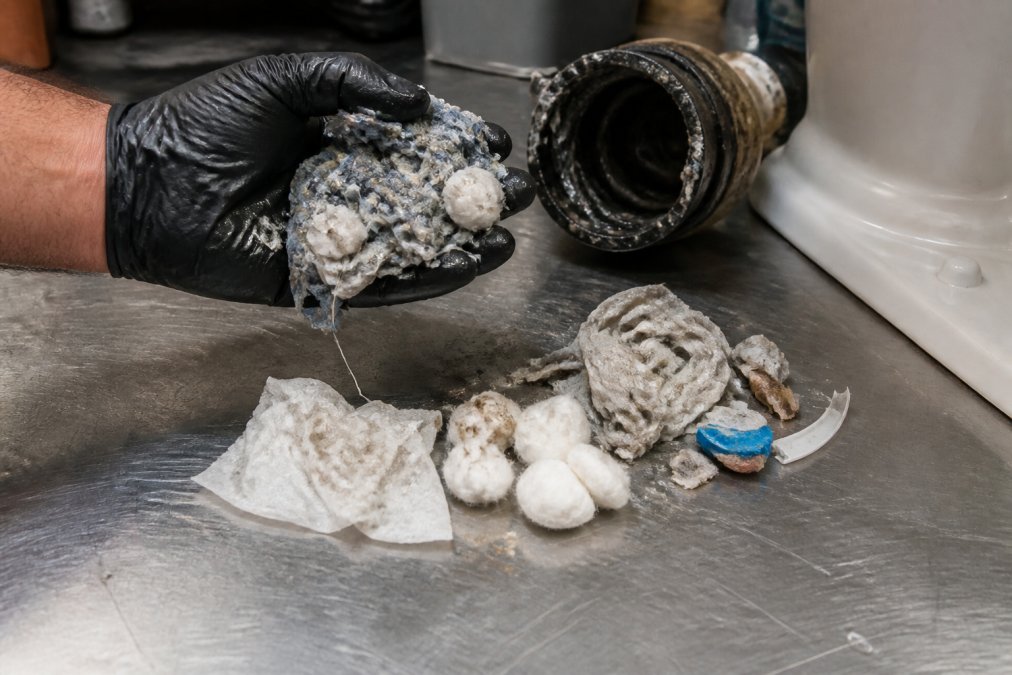
If you've been flushing wipes regularly, your trapway may already be partially blocked. A single plunge might clear the immediate clog, but underlying accumulation will cause problems again within weeks.
Excessive Toilet Paper Usage and Low-Flow Toilets
Using too much toilet paper at once overwhelms your toilet's flushing pressure, causing it to back up into the trapway rather than being pushed through to the drain pipe.
Modern low-flow toilets (installed in most homes after 1994) use 6 litres per flush or less, compared to older models that used 13 to 26 litres. Low-flow toilets are water-efficient, but they have less siphon jet force. If your toilet is low-flow or underpowered, recurring clogs become inevitable with excessive paper use.
Try breaking your routine into multiple flushes instead of one large one. This allows the trapway to clear between flushes. Also check whether your toilet bowl fills to the normal line after flushing. Low water level can indicate a problem with the fill valve or a partial blockage developing upstream.
Hard Water Mineral Buildup in Your Trapway
Hard water, with high concentrations of calcium and magnesium minerals, creates calcification deposits inside your toilet's trapway and drain pipes. Over time, these mineral deposits narrow the passage, reducing water velocity and trapping debris more easily.
You'll notice white or tan crusty deposits around the waterline inside your bowl. Inside the trapway, mineral buildup is accumulating silently, restricting the flow path. A toilet that once flushed powerfully becomes sluggish as the trapway narrows.
Use a commercial toilet bowl cleaner designed for hard water deposits monthly to slow this process. For severe calcification, professional hydro-jetting of your drain line can clear accumulated deposits. If your area has extremely hard water and recurring clogs persist, a water softener system can reduce mineral content entering your plumbing.
Blocked Plumbing Vents and Drain Pipes
Your toilet's drain system relies on plumbing vents, pipes that run through your roof, which allow air into the drain system, creating the pressure differential needed for proper drainage. When a plumbing vent becomes blocked, water drains slowly and waste doesn't clear the trapway completely.
A blocked vent typically manifests as slow drainage throughout your home. You might notice your sink drains slowly, your shower backs up, or you hear gurgling sounds from drains when the toilet flushes. Vent blockages happen when debris, bird nests, or ice accumulates at the roof opening.
Drain pipes themselves can also become partially blocked by mineral deposits, grease accumulation, or tree roots. A partial blockage in the main drain line upstream of your toilet means water backs up into the toilet bowl. Professional plumbers use drain cameras to inspect pipes and identify blockages.
Signs of a Main Sewer Line Blockage
If your toilet clogs frequently but plunging clears it temporarily, and you're noticing slow drains throughout your home, the problem may be your main sewer line. The main sewer line carries all waste from your home to the municipal sewer system or septic tank. A blockage here affects every fixture in your house.
Signs of a main sewer line blockage include multiple drains backing up simultaneously, raw sewage smell in your yard or basement, wet patches in your yard with no obvious cause, and persistent clogs that return within days despite professional clearing.
Main line blockages are caused by tree roots penetrating clay pipes, grease accumulation, or structural collapse. This is not a DIY fix. Call a professional immediately. The longer you wait, the more damage occurs and the more expensive the repair becomes. UMark Plumbing and Drain Inc. offers camera inspections and professional main line clearing for this situation.
Best Toilet Plunger for Frequent Clogs and DIY Fixes
If your recurring clogs are simple blockages, a proper plunger is often your first line of defense. The best plunger for toilet clogs is a flange plunger, a bell-shaped plunger with an extended rubber sleeve that fits inside the toilet bowl. This design creates a better seal and generates more suction and pressure than a standard cup plunger.
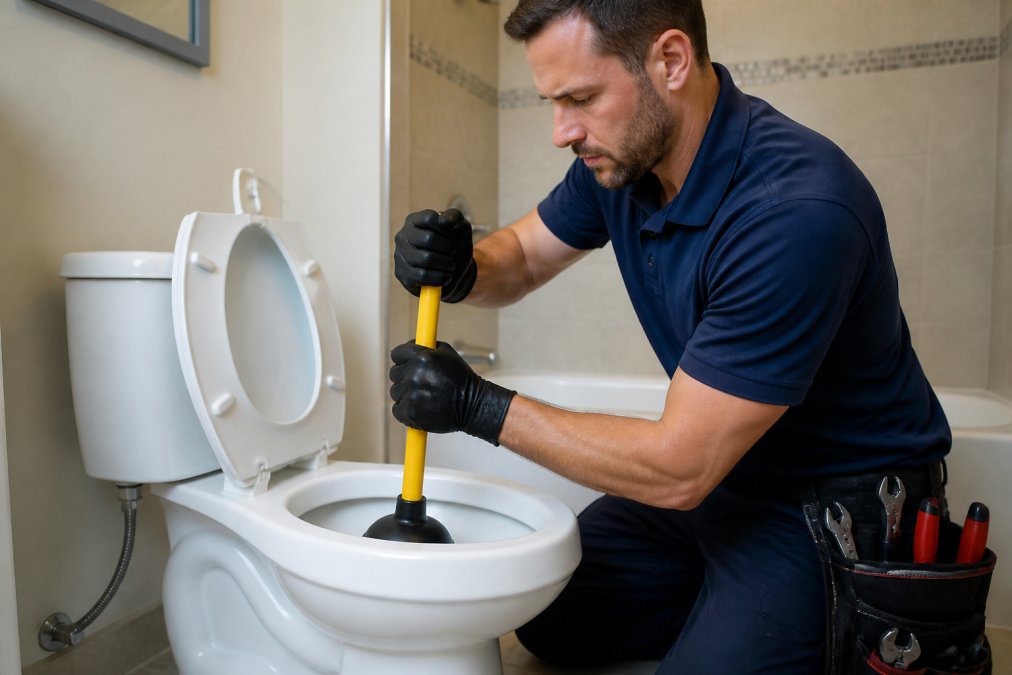
Fill the bowl with enough water to cover the plunger cup completely. Position the plunger so the flange is fully inside the bowl opening. Push down and pull up in rapid, forceful strokes for 15 to 20 vigorous pumps. The goal is to create pressure that dislodges the blockage and pushes it into the drain pipe.
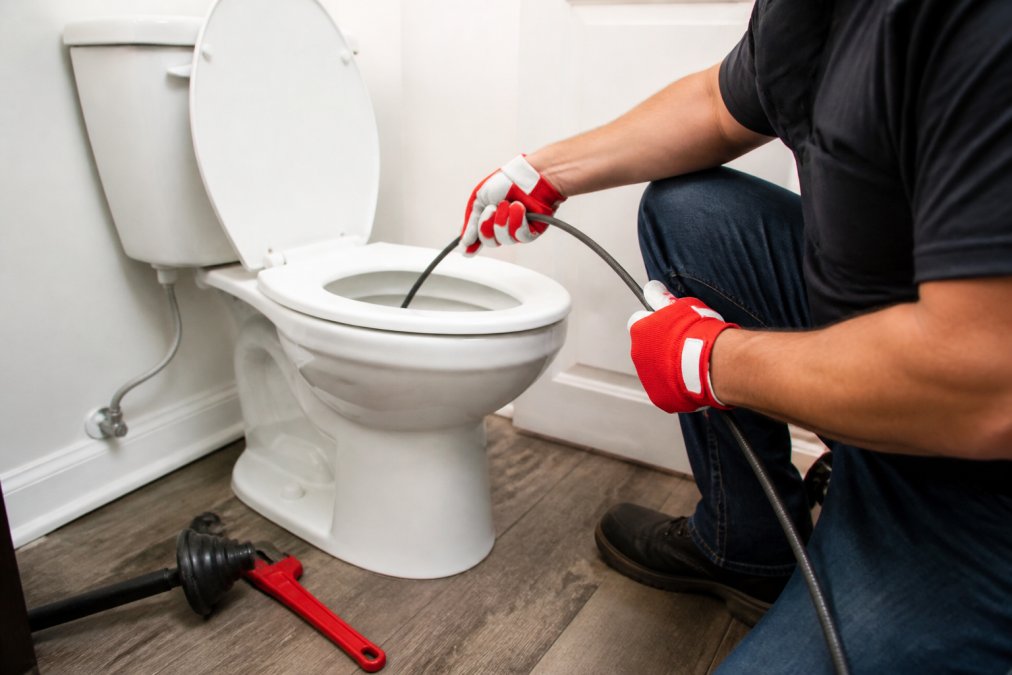
If plunging doesn't work after several attempts, stop. A toilet auger (plumbing snake) is the next step. Feed the flexible cable into the bowl and turn the handle to break up blockages or retrieve non-flushable items. Augers are inexpensive and effective for simple clogs.
For anything beyond simple blockages, tree roots, main line issues, or persistent clogs that return within days, professional help is necessary. A plumber has industrial-grade equipment like motorized augers and hydro-jetting systems.
When to Replace a Toilet vs. Repair It
If your toilet is old, low-flow, and frequently clogs despite addressing underlying causes, replacement might be more practical than continued repairs.
Replace your toilet if it's over 20 years old and clogs repeatedly, has a cracked bowl or leaking tank, is a low-flow model with weak flushing power, or if repairs keep recurring. Repair your toilet if the clog is clearly caused by non-flushable items or user error, the toilet is relatively new, the fix is straightforward, or you're renting or planning to move soon.
Modern toilets are more efficient and powerful than older models. A new dual-flush toilet gives you options: 4.8 litres for liquid waste, 6 litres for solid waste. This flexibility reduces clogs while maintaining water efficiency. Installation typically costs between $200 and $400 for labor.
If you're unsure whether repair or replacement makes sense, a professional plumber can assess your toilet and give you an honest recommendation. UMark Plumbing and Drain Inc. provides free quotes and can walk you through the cost-benefit analysis.
Recurring toilet clogs are frustrating, but they're rarely mysterious once you know what to look for. Most of the time, the solution is straightforward: stop flushing non-flushable items, adjust your paper usage, or clear a simple blockage. When the problem persists despite these efforts, professional diagnosis reveals whether you're dealing with hard water buildup, a blocked vent, a main line issue, or a toilet that's reached the end of its useful life.
If you've tried the basics and your toilet still clogs regularly, reach out to UMark Plumbing and Drain Inc. for a professional inspection. Our certified team can identify the root cause with camera diagnostics and provide a clear repair plan. With 24/7 emergency service and over 20 years of experience, we're here when you need us. Get a free quote today and stop dealing with recurring clogs for good.
Frequently Asked Questions
Why is my toilet suddenly clogging so frequently?
Recurring clogs usually stem from one of three causes: what you're flushing, how much toilet paper you're using, or a structural problem in your plumbing system. Non-flushable items like wipes, hair, and feminine hygiene products are the most common culprits. If you've recently switched to a low-flow toilet or your home has hard water, mineral buildup in the trapway can restrict water flow. If the problem started suddenly and affects multiple fixtures, a blocked plumbing vent or main sewer line blockage may be responsible. Start by auditing what goes down the toilet, then assess your water pressure and listen for gurgling sounds that suggest a vent issue.
Can hard water cause recurring toilet clogs?
Yes. Hard water deposits mineral buildup, primarily calcium and magnesium, inside your toilet's trapway and siphon jet. Over time, this calcification narrows the passages where water flows, reducing flushing pressure and making clogs more likely. The problem worsens if you have an older low-flow toilet model, which already has lower water velocity. If your area has hard water, preventative maintenance includes periodic descaling of the trapway using a toilet brush and mild acidic cleaner, or scheduling professional hydro-jetting to remove mineral deposits from your entire drain line.
How do I know if the clog is in the main sewer line?
Signs of a main sewer line blockage include multiple fixtures clogging simultaneously (toilet, shower, and sink all draining slowly), raw sewage smell coming from drains, or wet patches in your yard. If only your toilet clogs but other drains work normally, the problem is isolated to the toilet or its branch drain. You may also notice gurgling sounds from the plumbing system when you flush or run water elsewhere. A professional plumbing inspection using a camera can confirm whether the blockage is in your main line or a branch drain, which determines whether you need a simple auger or more extensive hydro-jetting.
When should I replace a toilet instead of keep repairing it?
Replace your toilet if it clogs repeatedly despite professional cleaning, has cracks in the porcelain or tank, or is over 20 years old. Older low-flow toilet models from the 1990s and early 2000s often lack adequate flushing pressure and become chronic problem fixtures. If repairs cost more than 50% of a new toilet's price, replacement is more economical. Modern toilets use 6 litres per flush or less while delivering stronger water velocity through improved trapway and siphon jet design, reducing clog frequency significantly. A certified plumber can assess whether your toilet is salvageable or if replacement will solve your recurring clog issues permanently.
This article was written using GrandRanker