 comparison
Alternatives to Full Sewer Line Replacement: 2026 Guide
Table of Contents
- Why Full Sewer Line Replacement Is Often Avoidable
- Sewer Camera Inspection: The First Step Before Any Repair Decision
- Sewer Line Repair vs Replacement: How to Decide
- Trenchless Sewer Line Repair Methods Compared
- Spot Sewer Line Repair: When a Localized Fix Works
- Cost Factors, Lifespan, and What Affects the Final Bill
- When Trenchless Methods Are Not Suitable
- Conclusion
- Frequently Asked Questions
Last Updated: October 9, 2026
Why Full Sewer Line Replacement Is Often Avoidable
Alternatives to full sewer line replacement exist because most failing sewer lines are not failing everywhere at once.
The reason this matters is disruption. The Canadian Institute of Plumbing & Heating guidance on sewer laterals notes that the right method depends on pipe condition, material, and access.
Below, we break down each alternative, its disruption and lifespan, and when trenching is genuinely the only answer.
Sewer Camera Inspection: The First Step Before Any Repair Decision
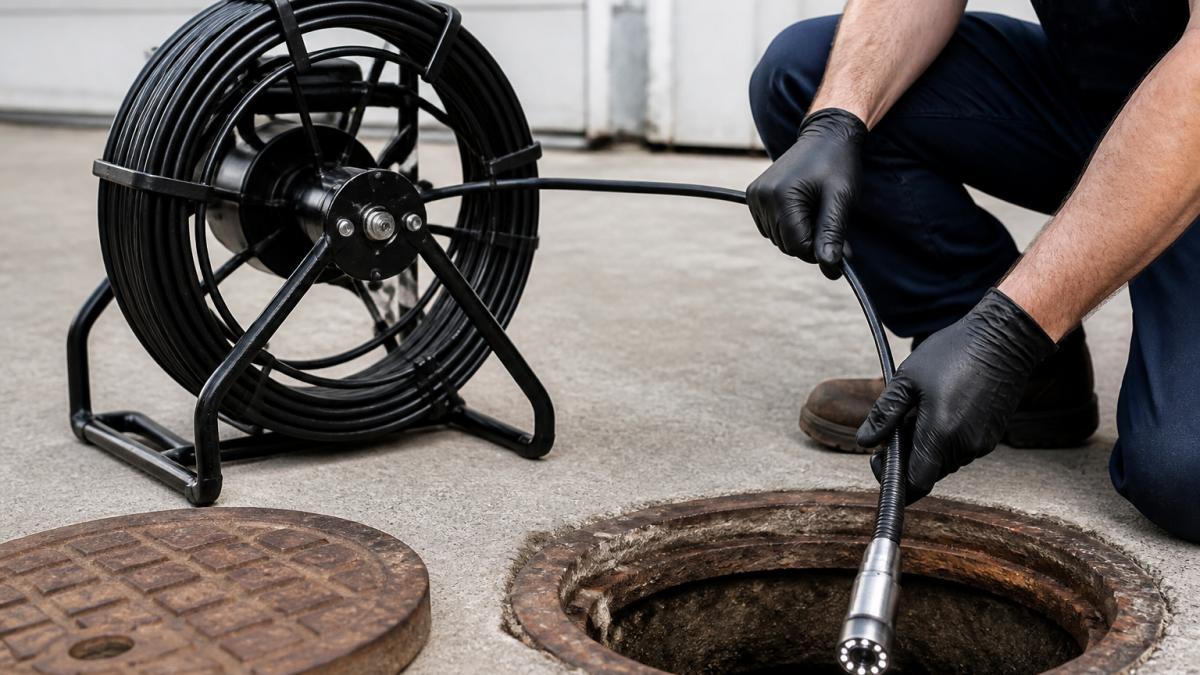
A sewer camera inspection is a video survey of your sewer lateral, performed by feeding a camera on a flexible reel through an access point.
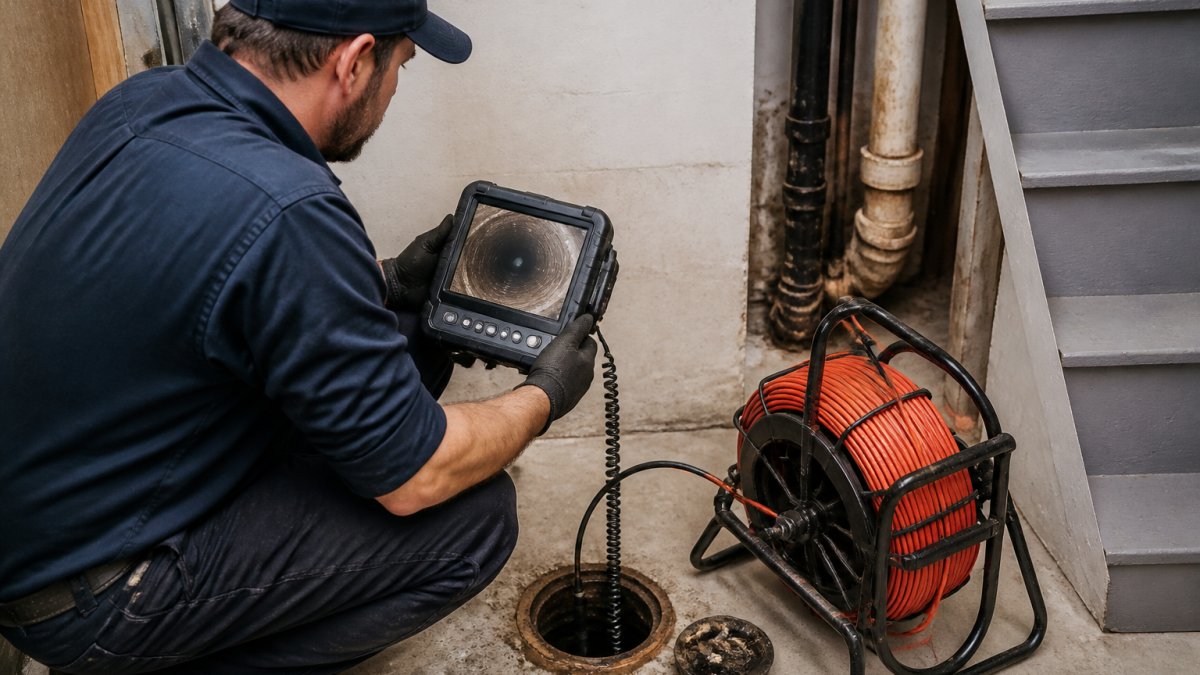
Without camera footage, every repair decision is a guess. Recurring backups might mean root intrusion at one joint or a collapsed pipe running the length of the yard, two problems calling for completely different solutions.
What the camera reveals determines everything downstream:
- Pipe material (clay, cast iron, PVC, Orangeburg)
- Defect type (crack, offset joint, root intrusion, collapse, corrosion)
- Defect location measured from the access point
- Defect extent (one spot versus a long run)
Sewer Line Repair vs Replacement: How to Decide
Sewer line repair fixes a specific defect; replacement removes and rebuilds the pipe. The decision comes down to how much of the line is compromised and whether the material is at the end of its life.
Pipe Condition and Material: What the Inspection Tells You
Pipe material sets the ceiling on how long any repair will last. Clay tile and cast iron lines common in older homes corrode and crack over decades. PVC and newer materials hold up far better.
If the camera shows one isolated defect in otherwise sound pipe, repair usually wins. Widespread cracking, multiple offset joints, or a long collapsed run makes replacement the more honest recommendation.
A Decision Framework Based on Damage Type and Extent
Use this framework to narrow the options:
| Inspection Finding | Best-Fit Approach | Why |
|---|---|---|
| One crack or root intrusion at a single joint | Spot repair | Localized fix, lowest disruption |
| Multiple defects, pipe structurally sound | Cured-in-place pipe lining | Relines the full run without digging |
| Long run of collapsed or crushed pipe | Pipe bursting | Replaces the pipe trenchlessly |
| Severely deteriorated pipe, no access | Full replacement | No liner or burst path will hold |
| Minor leaks, sound pipe | Internal pipe coating | Seals without relining |
Trenchless Sewer Line Repair Methods Compared
Trenchless sewer line repair covers several techniques, each suited to different damage patterns. The three main options are cured-in-place pipe lining, pipe bursting, and slip lining.
Cured-in-Place Pipe Lining (CIPP)
Cured-in-place pipe lining (CIPP) inserts a resin-saturated liner into the existing pipe and cures it in place, forming a new pipe within the old one.
CIPP avoids excavation almost entirely, with access typically through existing cleanouts, so the yard, driveway, and landscaping stay untouched. The trade-off: it slightly reduces internal diameter and will not fix a collapsed or out-of-round pipe.
Pipe Bursting and Slip Lining
Pipe bursting pulls a bursting head through the old pipe, fracturing it outward while dragging a new pipe behind it.
Slip lining inserts a smaller new pipe inside the old one.
Pull-in-place lining pulls a folded liner into the pipe and expands it against the walls. Internal pipe coating sprays a sealant onto the pipe interior, useful for minor leaks in otherwise sound pipe.
Spot Sewer Line Repair: When a Localized Fix Works
Spot sewer line repair fixes one damaged section rather than the whole run, and it is the least expensive and least disruptive option when the problem is truly localized, a single cracked joint or one root intrusion point.
The catch is scope. Spot repair does nothing for the rest of the line, so if the camera shows other weak points, you may be back in the same position within a year or two.
Where spot repair shines:
- Root intrusion at one joint
- A single crack from ground movement
- A localized blockage caused by a broken section
Cost Factors, Lifespan, and What Affects the Final Bill
Repair cost depends on the method, length of line affected, access, and site conditions. Because pricing varies by project, the most reliable figure comes from an on-site assessment after the camera inspection. What follows is how to read an estimate and compare quotes, not a universal price list.
Relative Cost Tiers by Method
Rather than quote a single number, think in tiers. From lowest to highest upfront cost, the typical order is:
- Internal pipe coating (minor leaks, sound pipe)
- Spot repair (one localized defect)
- Slip lining (short runs, spare capacity)
- Cured-in-place pipe lining (full-run reline)
- Pull-in-place lining (similar tier to CIPP)
- Pipe bursting (full replacement trenchlessly)
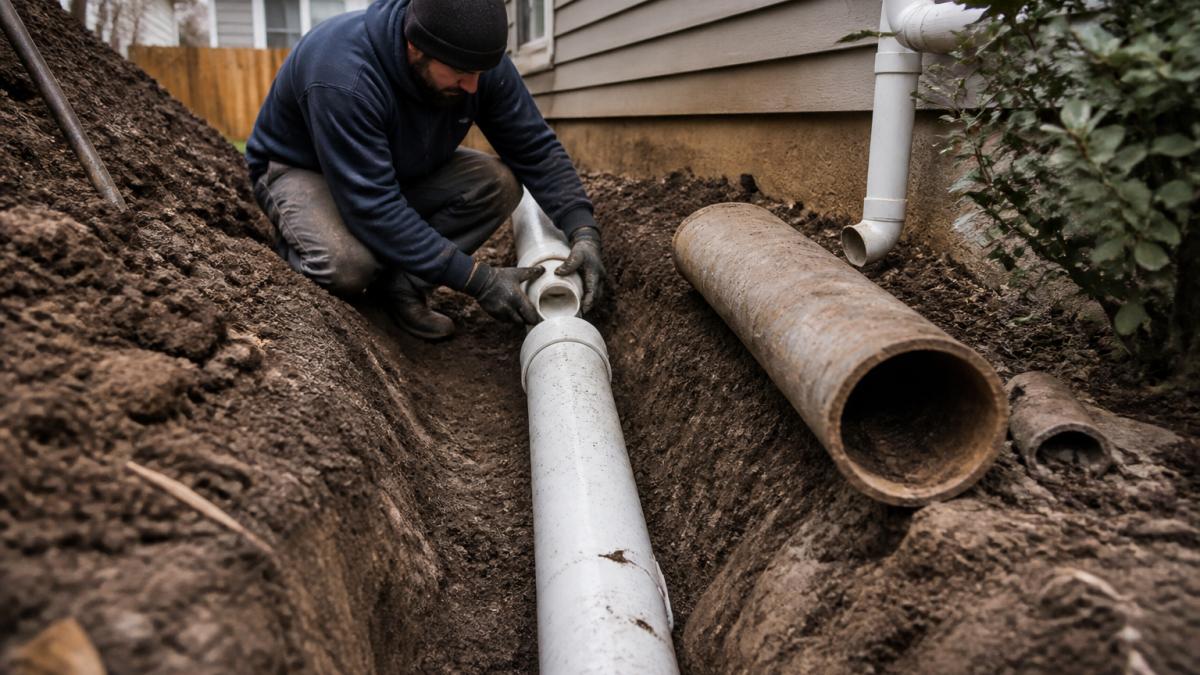
- Traditional open-trench replacement (highest, once restoration is included)
Trenchless methods usually cost more than a spot repair but less than open-trench replacement once you add restoration of a lawn, driveway, or patio, often the biggest swing factor between two similar quotes.
What Moves the Number Most
- Length of pipe being repaired or relined, priced per linear foot in most estimates
- Depth of the line, which affects access and the amount of excavation if any is needed
- Access point availability (existing cleanouts versus new ones that must be cut in)
- Method chosen (spot repair versus CIPP versus pipe bursting)
Expected Service Life by Method
Lifespan varies by method and is the fairest way to compare a cheap fix against a pricier one:
- Spot repairs last as long as the surrounding pipe, many years if the rest of the line is sound, otherwise expect a repeat visit.
- Internal pipe coating is a seal, not a structural rebuild, so treat its life as shorter and inspect periodically.
- CIPP and pull-in-place liners serve for decades when the host pipe still holds its shape.
- Pipe bursting installs new pipe, so its service life matches the new material.
Questions to Ask Before You Sign
- Is the estimate in writing, and does it itemize labor, materials, permits, and restoration?
- What warranty covers the work, how long does it run, and is it transferable if you sell?
- What happens if the camera reveals a worse condition mid-job, is there a change-order process?
- Does the price include a post-installation camera inspection to confirm the result?
Maintenance After the Repair
Whichever method you choose, the line still needs care. Avoid pouring fats, oils, and grease down the drain, use strainers on kitchen and bathroom drains, and keep root-prone trees away from the lateral. A follow-up camera inspection every few years, or sooner if backups return, catches problems while they are still small enough for a spot repair.
When Trenchless Methods Are Not Suitable
Trenchless methods are not always the answer, and a contractor who says otherwise is overselling. The reason is mechanical: a liner must be pushed or pulled through the host pipe and expanded against it, so the pipe must still be round and continuous enough to guide it, and a bursting head must travel the full run, so a fully collapsed section can stop it.
Conditions That Rule Out Trenchless Options
- Full collapse or severe deformation. A liner cannot be expanded against a pipe that has lost its round shape or caved in, and a bursting head may not pass. This is the most common reason a trenchless plan gets abandoned mid-project.
- Major offsets or misaligned joints. A liner follows the existing path, so a significant offset creates a kink or a point where it cannot seal. Small offsets are sometimes tolerated; large ones usually are not.
- Severe bellies or reverse grade. Lining does not correct slope, so a liner preserves a settled low spot rather than fixing it.
- Heavy root intrusion through the pipe wall. Roots that entered through cracks can be cut, but roots that deformed or crushed the pipe leave nothing sound to line against.
The Ownership and Permit Boundary
A factor competitors rarely mention is that the sewer lateral is often shared responsibility. In many municipalities, the homeowner owns and maintains the portion from the home to the property line or municipal main, while the municipality is responsible for the main itself.
Permits and inspections follow from that boundary. Many municipalities require a permit before any work on the lateral and an inspection after completion; trenchless methods are not exempt. A permit may also dictate which methods are acceptable on a given street.
How to Confirm Which Method Fits
The camera inspection settles this. If the footage shows a sound, round host pipe with localized defects, a trenchless method is likely on the table. If it shows collapse, severe offset, reverse grade, or a pipe too deteriorated to hold a liner, open-trench work is the honest recommendation. A contractor who proposes trenchless work without showing you the footage is asking you to take the risk on their behalf.
In these cases, trenching is not a failure of planning. It is the correct method for the condition. The goal is never trenchless for its own sake; it is the least disruptive method that will actually last.
Conclusion
The hardest part of a failing sewer line is deciding whether to repair or replace, and the answer almost always starts with a camera inspection rather than a quote. At UMark Plumbing and Drain Inc., we run that inspection first, then walk you through the alternatives that fit your pipe. With over 20 years of experience, a certified team, and 24/7 emergency service, we handle everything from a single spot repair to full trenchless rehabilitation.
Frequently Asked Questions
What are the alternatives to replacing a sewer line?
The main alternatives to full sewer line replacement are cured-in-place pipe lining (CIPP), pipe bursting, slip lining, pull-in-place lining, internal pipe coating, and spot sewer line repair. Each method suits different damage patterns. CIPP and slip lining rehabilitate the existing pipe from the inside, pipe bursting replaces it with minimal digging, and spot repair targets a single damaged section. A sewer camera inspection determines which option fits your pipe's condition, material, and layout.
Can a damaged sewer line be repaired without digging?
In many cases, yes. Trenchless sewer line repair methods like CIPP lining and pipe bursting avoid the long open trenches used in traditional excavation. CIPP inserts a resin-saturated liner through an existing access point, while pipe bursting pulls a new pipe through the old one. Both reduce yard disruption and landscaping restoration costs. However, severely collapsed pipes, certain offsets, or lines with no viable access point may still require some excavation.
When is spot sewer line repair enough?
Spot sewer line repair works when the damage is isolated to one section and the rest of the pipe is structurally sound. A sewer camera inspection confirms whether the problem is a single crack, a root intrusion at one joint, or a localized blockage. If the surrounding pipe shows widespread cracking, corrosion, or multiple defects, spot repair only delays a larger failure. The inspection findings, not the symptom, determine whether a targeted fix is appropriate.
How long does trenchless sewer line repair take?
Most trenchless sewer line repair projects finish within one to two days, depending on the length of the line and the method used. CIPP lining typically cures overnight, so the line may be out of service for several hours. Pipe bursting can be completed in a single day for a standard residential lateral. Traditional open-trench replacement usually takes longer because of excavation, backfill, and surface restoration.
When is full sewer line replacement unavoidable?
Full sewer line replacement is necessary when the pipe is collapsed, severely misaligned, or deteriorated along most of its length. Pipes with multiple defects, extensive root intrusion throughout, or a material like old clay or Orangeburg that has lost structural integrity cannot be reliably lined or spot-repaired. If the inspection shows the pipe has lost its shape or the damage spans the entire run, replacement is the durable option.