 comparison
Is Professional Sewer Line Camera Inspection Worth It?
Table of Contents
- What Is a Sewer Line Camera Inspection?
- Signs of a Damaged Sewer Line and When You Need an Inspection
- Sewer Line Inspection Cost: What to Expect
- Key Benefits of Professional Sewer Line Camera Inspection
- Sewer Line Repair vs. Replacement: Making the Right Choice
- Sewer Line Camera Inspection vs. Standard Home Inspection
- Common Issues Identified During Inspections
- Is It Worth It? The Cost-Benefit Analysis
- Frequently Asked Questions
Last Updated: October 2, 2026
What Is a Sewer Line Camera Inspection?
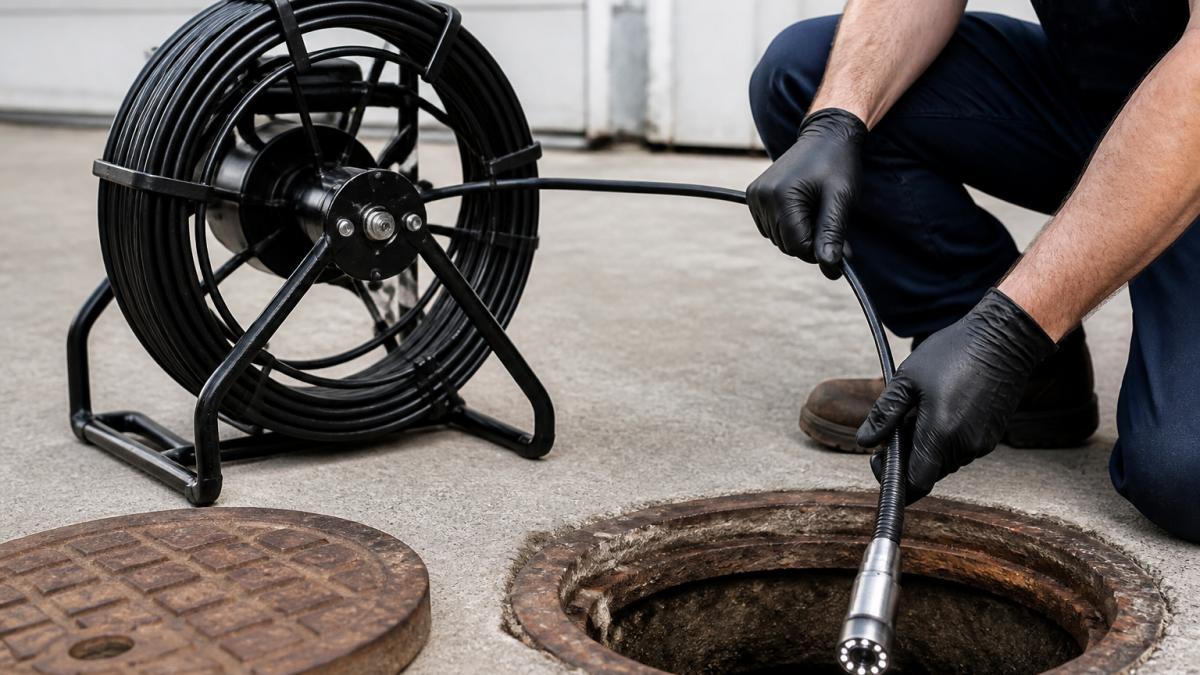
A sewer line camera inspection is a diagnostic procedure where a small, waterproof camera mounted on a flexible cable is inserted into your sewer lateral to capture real-time video of the interior pipe condition. The camera transmits footage to a monitor, allowing a technician to identify blockages, cracks, tree root intrusion, and other structural issues without excavation.
The process typically takes 1-2 hours. A technician inserts the camera through a cleanout access point and records damage or debris. The resulting video report serves as documentation for insurance claims, real estate transactions, and repair planning.
Signs of a Damaged Sewer Line and When You Need an Inspection
Warning signs include recurring backups in multiple drains, slow drainage, persistent odors near the foundation or yard, wet lawn patches, and unusually lush grass. These indicate a sewer line camera inspection is needed.
New homeowners should inspect before closing, especially if the home was built before 1980. Older clay or cast-iron pipes deteriorate predictably, and tree roots commonly infiltrate lines in mature neighborhoods. Property managers face higher stakes: a sewer backup can disrupt operations and create liability.
Pipes installed 40+ years ago are nearing end-of-life. A preventative inspection prevents emergency repairs later.
Sewer Line Inspection Cost: What to Expect
The cost of a sewer line camera inspection varies based on pipe length, accessibility, and local market rates.
What Affects Your Inspection Price
Lateral length is the primary cost driver.
Cleanout accessibility affects labor time.
Pipe material and condition can complicate the job.
Report detail and format vary by provider. A detailed written report with still images, measurements, and repair recommendations is essential for real estate transactions or insurance claims.
Emergency vs. scheduled service matters.
The ROI Calculation: Why the Inspection Pays for Itself
For homebuyers: An inspection revealing a sewer problem allows you to negotiate a credit, request repairs, or walk away.
For sellers: A clean inspection report removes buyer objections and accelerates closing. If the inspection reveals a minor issue you can fix, this often costs less than negotiating a buyer credit.
For property managers: A documented sewer inspection creates a liability record and may qualify you for insurance premium reductions, recovering the inspection cost.
Getting an Accurate Quote
For an accurate quote, contact a certified plumbing service with your lateral length estimate, cleanout location, recent plumbing issues, and report needs. UMark Plumbing and Drain Inc. provides transparent estimates before any work begins.
Key Benefits of Professional Sewer Line Camera Inspection
Early Detection of Tree Root Intrusion and Pipe Collapse
Tree roots are the most common cause of sewer line damage, exploiting small cracks until the line becomes impassable. A sewer line camera inspection identifies root intrusion before complete blockage. Pipe collapse from age or settling is equally destructive; early detection prevents costly excavation and emergency calls.
Real Estate Transaction Advantages
A clean sewer inspection report strengthens negotiating position for sellers and protects buyers from hidden problems. Having documentation ready accelerates transactions and enables evidence-based negotiation of repairs, credits, or price adjustments.
Insurance and Liability Protection
A documented sewer inspection creates a liability record and may qualify you for better insurance coverage or lower premiums, particularly for commercial properties.
Sewer Line Repair vs. Replacement: Making the Right Choice
Not every issue identified in a sewer scope requires full replacement. A camera inspection reveals the specific problem, which determines the most cost-effective solution, but the right choice also depends on your pipe material, age, and whether you're using the report to negotiate.
Repair Options and When They Work
Hydro-jetting clears blockages caused by grease, debris, or minor root intrusion ($400-$1,200). This works best on pipes in otherwise sound condition.
Trenchless pipe lining (CIPP) seals cracks and small fractures without excavation ($3,000-$8,000). This is ideal for clay or cast-iron pipes showing age-related cracking, extending life 50+ years.
Targeted root removal ($800-$2,500) is often temporary; roots typically return within 3-5 years unless the crack is sealed afterward.
Spot repair ($2,000-$5,000) works when damage is isolated to a small section and is less disruptive than full replacement.
Replacement: When It's Necessary
Full replacement is necessary for extensive collapse, multiple structural failures, systemic corrosion in 50+ year old pipes, or bellies that cannot be corrected by lining.
Material-Specific Risk: Why Your Pipe Type Matters to 'Worth'
The inspection's value depends partly on what material your sewer line is made of, a critical factor competitors ignore:
Clay pipes (common in homes built 1950-1980): Highly vulnerable to root intrusion and deterioration. If your inspection shows roots or cracks in clay, the risk of future failure is high. Repair (lining) extends life but replacement may be inevitable. For buyers, this finding justifies requesting a seller credit or price reduction to cover eventual replacement.
Cast-iron pipes (1920-1970s): Durable but prone to internal corrosion. An inspection showing rust or thin walls indicates the pipe is nearing end-of-life. Repair buys time, but replacement is likely within the next ownership cycle.
PVC pipes (1980s onward): Resistant to corrosion and root damage. If your inspection shows PVC in good condition, the 'worth' of the inspection is lower for preventative purposes but still valuable if you're buying (confirms no hidden problems).
Concrete pipes (mid-20th century, less common): Susceptible to cracking and joint separation. Inspection findings here often point to repair or lining as the best option.
Using Your Inspection Report to Negotiate
If you're buying and the inspection reveals repairable issues (cracks, roots, buildup), you have use:
- Request the seller provide a credit equal to a portion of the repair cost, allowing you to choose the contractor.
- If the issue is material-specific aging (clay pipes showing inevitable decline), request a larger credit to cover eventual replacement.
- Make the purchase conditional on a second inspection after repairs, ensuring work was done correctly.
If you're selling, a clean inspection report (especially for older homes with clay or cast-iron) is a major selling point. Market it proactively to remove buyer hesitation and justify your asking price.
A professional inspection report provides the evidence you need to make this decision confidently and negotiate from a position of knowledge. You'll know whether you're addressing a localized problem or a systemic failure, which directly impacts your repair budget, timeline, and negotiating position.
Sewer Line Camera Inspection vs. Standard Home Inspection
A standard home inspection covers visible plumbing fixtures, water pressure, and obvious drainage issues. It does not include sewer lateral assessment because inspectors lack the specialized equipment and training for underground diagnostics.
A sewer scope inspection is specialized and focused entirely on the underground plumbing infrastructure. It uses professional-grade camera equipment, generates video documentation, and provides detailed findings about pipe condition.
Think of a standard home inspection as a general health checkup and a sewer scope as a specialized diagnostic test. Both are valuable, but they serve different purposes.
Common Issues Identified During Inspections
Pipe corrosion manifests as deteriorating pipe walls, particularly in cast-iron or clay lines. Grease buildup accumulates as a thick, hardened coating that restricts flow. Collapsed sections show as complete pipe failure where the interior diameter is severely reduced or blocked.
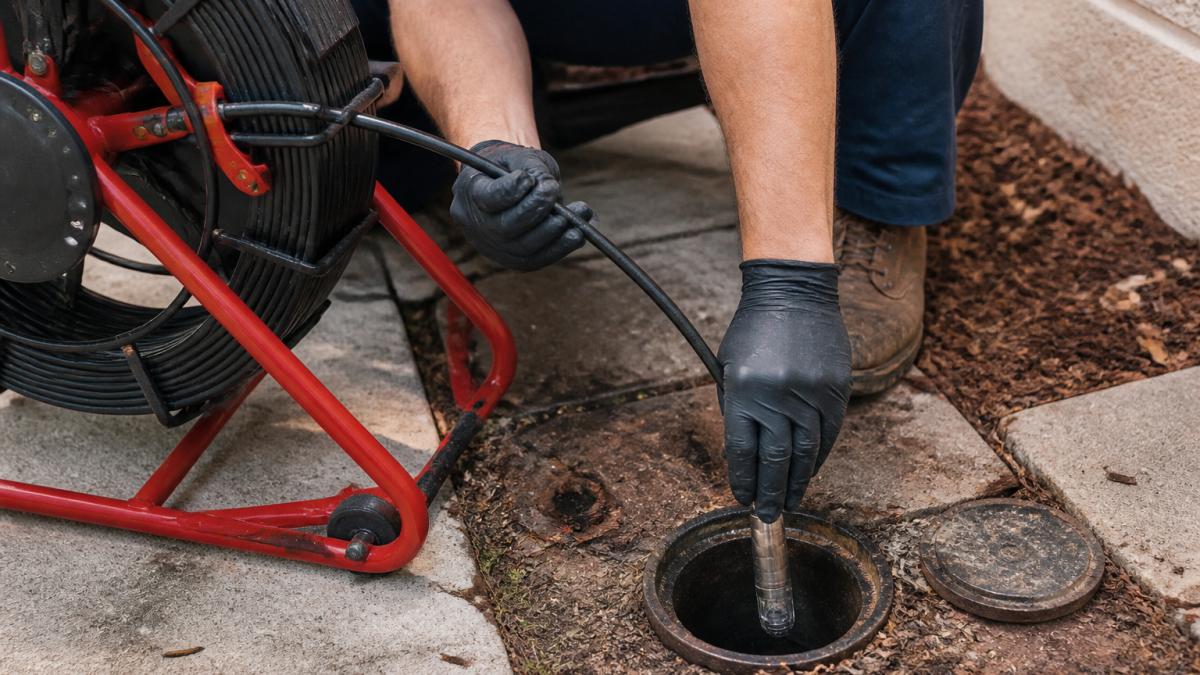
Bellies (sagging sections) trap water and solids, creating chronic drainage problems. These issues range from minor (easily cleared with hydro-jetting) to severe (requiring pipe replacement). A camera inspection documents each problem's location, severity, and extent, enabling accurate repair estimates.
Is It Worth It? The Cost-Benefit Analysis
A sewer line camera inspection has an upfront cost. The value proposition depends on your situation.
For homebuyers: An inspection contingency protects you from purchasing a property with a major sewer problem.
For sellers: A clean inspection report removes buyer objections, speeds closing, and strengthens your negotiating position.
For property managers: Documented sewer condition protects against tenant claims, supports insurance coverage, and enables proactive maintenance planning. Preventing one emergency backup justifies multiple inspections.
For homeowners with recurring drain issues: A camera inspection identifies the root cause, enabling targeted repair rather than repeated drain cleaning calls.
| Scenario | Inspection Value | Key Benefit |
|---|---|---|
| Buying a home | High | Avoid hidden $10K+ liability |
| Selling a home | High | Remove buyer objections, speed closing |
| Recurring backups | High | Identify fixable problem vs. replacement need |
| Property management | High | Document condition, protect liability |
| New home, no symptoms | Low | Preventative value minimal |
When you're facing plumbing uncertainty, especially before a major real estate decision or after recurring drain problems, a professional sewer line camera inspection delivers the evidence you need to act confidently. UMark Plumbing and Drain Inc. provides certified, 24/7 plumbing solutions with transparent repair recommendations. We've helped homeowners and property managers avoid costly surprises for over 20 years. Get a free quote today and see exactly what's happening in your sewer lateral.
Frequently Asked Questions
How much does a professional sewer line camera inspection cost?
The cost of a professional sewer line camera inspection depends on several factors, including your pipe's accessibility, the length of your lateral line, and your location. For accurate pricing specific to your property, contact a certified plumber for a free quote. Many plumbing companies can provide estimates before work begins, ensuring no surprise charges.
What are the most common problems found during a sewer camera inspection?
Professional inspections commonly identify tree root intrusion, pipe collapse, offset joints, grease buildup, and pipe corrosion. These issues can cause drainage problems, sewer backups, and structural damage if left untreated. Early detection through video inspection allows you to address problems before they become expensive emergencies, potentially saving money in excavation and replacement costs.
Can a sewer camera inspection prevent future basement flooding?
Yes. A sewer line camera inspection identifies blockages, cracks, and structural issues that cause sewer backups and flooding. By detecting problems early, you can arrange repairs or maintenance like hydro-jetting before water damage occurs. This preventative approach protects your property's structural integrity and prevents costly water damage to your basement and foundation.
What is the difference between a standard home inspection and a sewer scope?
A standard home inspection covers general building systems but typically does not include sewer line evaluation. A sewer scope uses camera technology to directly visualize your main sewer line and lateral line, revealing internal conditions that surface inspections cannot detect. For real estate transactions, a sewer scope provides critical information about your plumbing infrastructure's condition and potential repair costs.
Frequently Asked Questions
How much does a professional sewer line camera inspection cost in Canada?
The cost of a professional sewer line camera inspection depends on several factors, including your pipe's accessibility, the length of your lateral line, and your location. For accurate pricing specific to your property, contact a certified plumber for a free quote. Many plumbing companies can provide estimates before work begins, ensuring no surprise charges.
What are the most common problems found during a sewer camera inspection?
Professional inspections commonly identify tree root intrusion, pipe collapse, offset joints, grease buildup, and pipe corrosion. These issues can cause drainage problems, sewer backups, and structural damage if left untreated. Early detection through video inspection allows you to address problems before they become expensive emergencies, potentially saving money in excavation and replacement costs.
Can a sewer camera inspection prevent future basement flooding?
Yes. A sewer line camera inspection identifies blockages, cracks, and structural issues that cause sewer backups and flooding. By detecting problems early, you can arrange repairs or maintenance like hydro-jetting before water damage occurs. This preventative approach protects your property's structural integrity and prevents costly water damage to your basement and foundation.
What is the difference between a standard home inspection and a sewer scope?
A standard home inspection covers general building systems but typically does not include sewer line evaluation. A sewer scope uses camera technology to directly visualize your main sewer line and lateral line, revealing internal conditions that surface inspections cannot detect. For real estate transactions, a sewer scope provides critical information about your plumbing infrastructure's condition and potential repair costs.