 how-to
Avoid Hidden Plumbing Repair Fees: A Guide
Table of Contents
- Why Hidden Plumbing Repair Fees Cost More Than Money
- Common Hidden Plumbing Costs Homeowners Face
- Questions to Ask a Plumber Before Hiring
- How to Verify a Licensed Plumber and Check Credentials
- Plumbing Service Call Fees Explained
- Using a Plumbing Estimate Template to Compare Quotes
- Preventative Maintenance: The Cost-Effective Way to Avoid Repairs
- Insurance Coverage for Plumbing Disasters
Last Updated: August 12, 2026
Why Hidden Plumbing Repair Fees Cost More Than Money
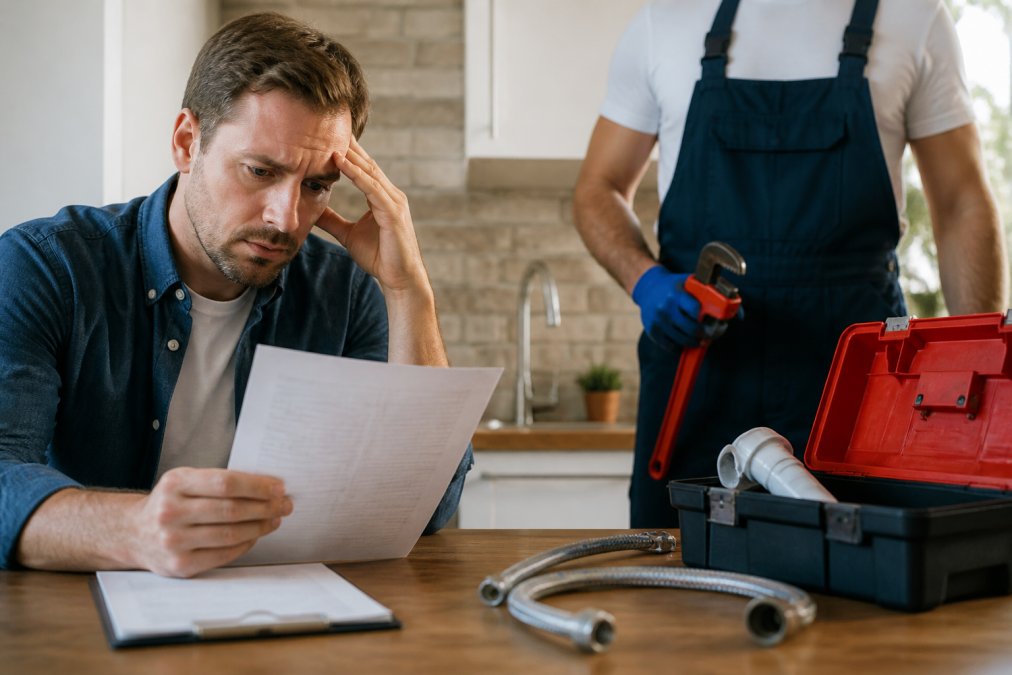
A burst pipe at 2 AM is a financial ambush. Most homeowners discover the true cost of plumbing problems only after the invoice arrives with unanticipated charges: service call fees, diagnostic charges, after-hours surcharges, permit costs, and travel time. What started as a simple leak repair can balloon into thousands of dollars.
Hidden plumbing repair fees erode trust in the service industry. You hire a professional expecting transparency, and instead you're hit with line items you didn't know existed. At UMark Plumbing and Drain Inc., we believe homeowners deserve clarity before work begins, not shock bills afterward. Understanding where these fees come from is the first step to avoiding them.
Many legitimate costs simply aren't obvious to someone outside the trade. Permits exist for safety reasons. Diagnostic work is necessary to identify the actual problem. Emergency surcharges reflect the reality of staffing a 24/7 operation. The issue is that most plumbers don't explain these costs upfront, leaving homeowners blindsided.
This guide walks you through the most common hidden costs, shows you how to vet a plumber properly, and explains what you should expect to pay before anyone touches your pipes.
Common Hidden Plumbing Costs Homeowners Face
Service Call and Diagnostic Fees
A service call fee is the charge simply to have a plumber show up and assess the problem. This is separate from the actual repair cost. Many homeowners expect this to be included in the final bill, but most plumbers charge it as a standalone line item, typically between $100 and $300 or more, depending on your location.
The diagnostic fee covers the plumber's time to identify what's wrong. They may use specialized equipment like video inspection cameras to see inside pipes, run pressure tests, or investigate multiple potential sources. The confusion arises because some plumbers roll the diagnostic fee into the repair cost if you hire them to fix the problem, while others keep it separate.
Before hiring anyone, ask directly: "Do you charge a service call fee? If I hire you to do the repair, will that fee be credited toward the final bill?" Get the answer in writing.
After-Hours and Emergency Service Surcharges
Plumbing emergencies happen at midnight on a Saturday, or at 6 AM on a holiday. Staffing a 24/7 operation costs money: overtime pay, shift differentials, and round-the-clock logistics. That cost gets passed to the customer as an emergency surcharge or after-hours fee.
These surcharges can add 50% to 100% (or more) to your total bill. A repair that costs $400 during the day might cost $600 or $800 at night. Some plumbers charge a flat emergency fee on top of the regular rate. Others apply an hourly multiplier. The variation is enormous, and most homeowners have no idea what they'll be charged until after the work is complete.
Call a few plumbers during business hours and ask what their after-hours rates are. When a pipe bursts at 2 AM, you won't have time to shop around, so knowing the rates in advance protects you from panic-driven decisions.
Travel Time and Trip Charges
Some plumbers charge for the time it takes to drive to your home. This might be a flat amount ($50-$100) or an hourly rate. If you live far from the plumber's service area, this can add significantly to your bill.
Ask whether travel time is included in the service call fee, charged separately, or waived entirely if you hire them for the repair. Different plumbers have different policies. Some charge a trip fee that's credited if you hire them. Others charge it no matter what.
Permit and Code Compliance Costs
Not all plumbing work requires a permit. A simple fixture replacement might not. But major work, replacing a water heater, installing new pipes, fixing a sewer line, often does. Permits ensure the work meets local building codes and is inspected by a municipal inspector. The permit itself costs money, typically $50-$300 depending on the scope and your municipality.
If you hire a plumber who doesn't pull a permit when one is required, you're creating a liability for yourself. If an inspector discovers unpermitted work later, you could face fines or be forced to redo the work at your own expense.
Ask your plumber: "Does this job require a permit? If so, who handles it and what's the cost?"
Water Damage and Mold Remediation
If a leak has been running for days or weeks before you discovered it, water damage and mold might already be present. Mold remediation is expensive and often falls outside the scope of basic plumbing repair. A plumber might identify the mold but won't be licensed to remove it. You'll need to hire a separate specialist, and that's a cost the plumber's estimate won't include.
If you've had a hidden leak, budget for a professional assessment of any water damage before the plumber leaves.
Questions to Ask a Plumber Before Hiring
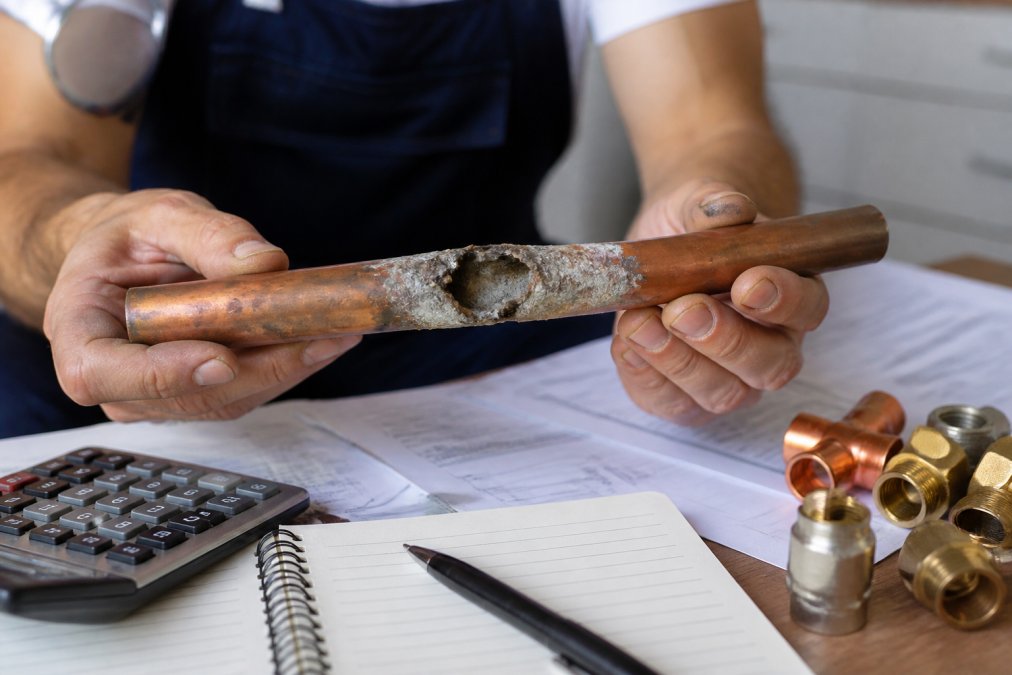
Before you commit to hiring a plumber, ask these questions in writing and get answers in writing. Email or text works. What matters is having a record.
-
Do you charge a service call or diagnostic fee? If I hire you, is it credited toward the repair?
-
What are your after-hours and emergency rates? Know the multiplier or flat fee for nights, weekends, and holidays.
-
Do you charge for travel time or a trip fee? And if so, is it waived if I hire you for the repair?
-
Will this job require a permit? If yes, who handles it and what's the cost?
-
What's your hourly rate, and do you charge a flat rate or hourly for this type of repair?
-
Can you provide a written estimate before starting work? Never let a plumber start work without a written estimate that includes all costs.
-
Are you licensed and insured? Ask to see proof.
-
Do you guarantee your work? Most reputable plumbers offer a warranty on repairs, typically 1-2 years.
-
Will there be additional costs I should know about? This invites the plumber to disclose anything you haven't asked about.
-
How long do you estimate the repair will take?
How to Verify a Licensed Plumber and Check Credentials
A licensed plumber has completed an apprenticeship, passed exams, and meets professional standards set by the province or municipality. An unlicensed plumber might be cheaper, but they're also a liability.
To verify a plumber's license, contact your provincial or local regulatory body. In most provinces, the Professional Engineers Ontario (PEO) or equivalent body maintains a registry of licensed tradespeople. You can search by name and confirm their license is current and in good standing.
Ask for proof of insurance. A plumber should carry liability insurance (in case they damage your home) and workers' compensation insurance (in case they're injured on the job).
Check online reviews on Google, Yelp, and the Better Business Bureau. Read carefully for patterns of complaints about hidden fees, poor workmanship, or unresponsiveness.
Ask for references. A reputable plumber will provide names of recent customers who can vouch for their work.
Plumbing Service Call Fees Explained
A service call fee is the cost of having a plumber diagnose your problem. It's not the repair, it's the assessment. The service call fee covers the plumber's time, vehicle, and diagnostic tools. They might use a camera to inspect inside your pipes, run water pressure tests, or check for leaks with specialized equipment.
Some plumbers credit the service call fee toward the repair if you hire them. Others don't. Some waive it entirely if you proceed with the repair. The policy varies by plumber, which is why you need to ask.
If a plumber quotes you a service call fee and you decide not to hire them, you still owe that fee. You've paid for their time and expertise. But make sure you know the fee upfront so there's no argument afterward.
A typical service call fee ranges from $75 to $300, depending on your location and the plumber's experience. In emergency situations, the fee might be higher.
Using a Plumbing Estimate Template to Compare Quotes
Never hire a plumber without a written estimate. An estimate is a detailed breakdown of what the work will cost. It should include labor, materials, permits, service call fees, and any other charges.
When you get an estimate, compare it line by line with estimates from other plumbers. A plumber who charges $300 for a service call but includes it in the repair cost might be cheaper overall than one who charges $100 but doesn't credit it.
A good estimate should include:
- Description of work: What problem are you fixing?
- Labor cost: Hourly rate or flat fee? How many hours estimated?
- Materials: What parts are being replaced? What do they cost?
- Service call fee: Amount and whether it's credited toward the repair.
- Permits and inspections: If required, what's the cost?
- After-hours surcharge: If applicable, what's the multiplier or flat fee?
- Travel time or trip charge: Amount and whether it's credited if you hire them.
- Warranty: What's guaranteed and for how long?
- Timeline: When will the work be done?
If an estimate is vague, ask for details. If one estimate is dramatically lower than the others, ask why. Is the plumber using cheaper materials? Cutting corners? Understanding price differences is critical.
Preventing Hidden Plumbing Repair Fees Through Preventative Maintenance
The best way to avoid hidden plumbing repair fees is to prevent plumbing problems from happening in the first place. Preventative maintenance costs a fraction of emergency repairs and water damage remediation.
A simple preventative maintenance routine includes:
-
Annual inspection: Have a licensed plumber inspect your plumbing system once a year. They'll check for leaks, corrosion, water pressure issues, and other problems before they become emergencies.
-
Drain cleaning: Professional drain cleaning removes buildup and prevents clogs.
-
Water heater maintenance: Flush your water heater annually to remove sediment.
-
Check for leaks: Look under sinks, in the basement, and around water connections monthly.
-
Know where your shut-off valve is: If a pipe bursts, you need to shut off the water immediately.
-
Avoid DIY mistakes: Don't attempt major repairs yourself.
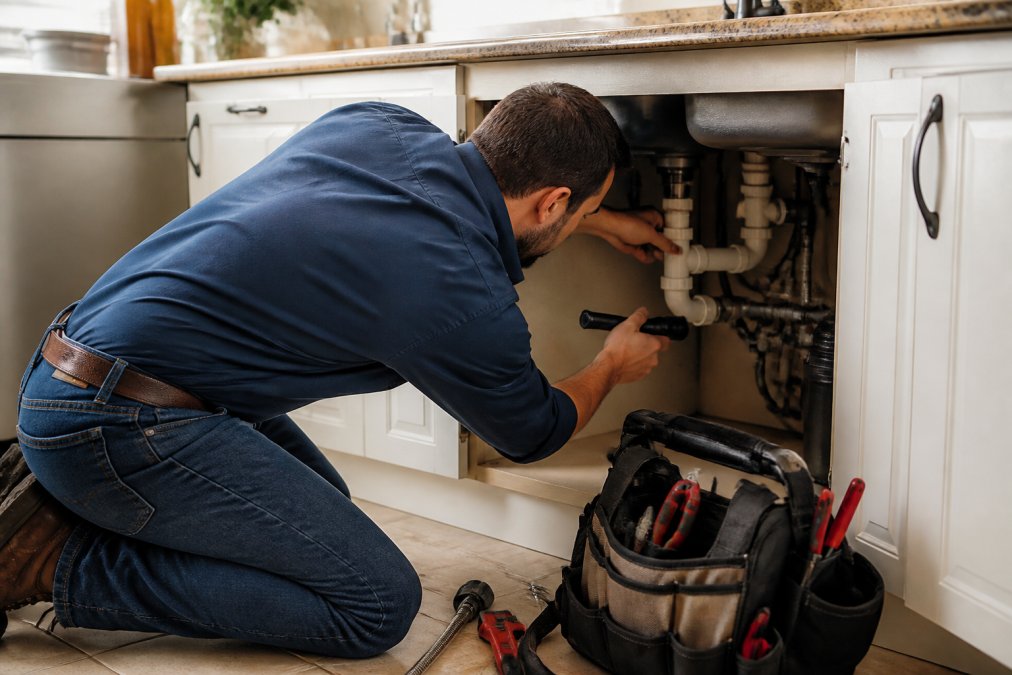
A $200 annual inspection prevents a $3,000 emergency repair. Most homeowners who invest in preventative maintenance report fewer plumbing problems and lower overall costs.
UMark Plumbing and Drain Inc. offers preventative maintenance plans that include regular inspections and priority service during emergencies. The benefit of a plan is that you know the costs upfront, no surprises when something goes wrong.
Insurance Coverage for Plumbing Disasters
Your homeowner's insurance might cover some plumbing emergencies, but not all. Most homeowner's insurance policies cover sudden, accidental water damage from a burst pipe or a failed water heater. However, the cost of repairing or replacing the pipe itself might not be covered, that's typically considered maintenance.
What insurance usually doesn't cover:
- Gradual leaks: If a pipe has been slowly leaking for months and you didn't notice, that's considered a maintenance issue, not an accident.
- Sewer line backups: Many policies exclude sewer line damage unless you have specific sewer backup coverage.
- Damage from neglect: If you ignored obvious signs of a problem, insurance might deny your claim.
- Plumbing repairs themselves: Insurance covers the damage caused by the plumbing failure, not the repair of the plumbing system.
Review your homeowner's insurance policy and ask your agent specifically what plumbing-related damage is covered. If you live in an area prone to sewer backups, consider adding sewer backup coverage. Keep records of any plumbing work you've had done. A history of preventative maintenance strengthens an insurance claim.
Hidden plumbing repair fees catch homeowners off guard because most plumbers don't explain costs upfront. Service call fees, diagnostic charges, after-hours surcharges, and permit costs add up fast. The solution is simple: ask questions before work begins, get everything in writing, and invest in preventative maintenance to avoid emergencies altogether. UMark Plumbing and Drain Inc. provides transparent estimates, explains all costs before starting work, and offers 24/7 emergency service with upfront pricing. Get a free quote and understand exactly what your repair will cost, no surprises, no hidden fees.
Frequently Asked Questions
How do I know if I'm being overcharged by a plumber?
Request a written estimate that breaks down labor, materials, permits, and service call fees before work begins. Compare the estimate against quotes from other licensed plumbers in your area. Hidden plumbing repair fees often appear as vague line items, ask for specifics on what 'diagnostic fee' or 'trip charge' covers. A transparent plumber will explain each cost clearly and provide hourly rates or flat-rate pricing upfront.
What questions should I ask before hiring a plumber?
Ask about their hourly rate or flat-rate pricing, diagnostic fees, after-hours surcharges, travel time charges, and whether they're licensed and insured. Confirm response time for emergencies, whether they offer a written estimate before starting work, and if they handle permits and code compliance. Request references and verify their credentials with local licensing bodies. Clear answers to these questions help you avoid hidden plumbing repair fees.
Are emergency plumbing fees standard in the industry?
Yes, after-hours surcharges are standard practice, but the amount varies widely. Many plumbers charge between 1.5 to 3 times their standard hourly rate for nights, weekends, and holidays. The key is knowing this upfront, ask what the after-hours rate is when you call. Some companies bundle the emergency fee into their service call charge, while others list it separately. Always confirm the total cost estimate before authorizing work.
How can I reduce the risk of major plumbing repairs through preventative maintenance?
Schedule annual professional inspections to catch pipe corrosion, valve failure, and sewer line issues early. Check for running toilets, dripping faucets, and water pressure problems monthly. Have your water heater serviced yearly and drain lines cleaned regularly to prevent clogs. Seasonal plumbing checklists help identify problems before they become emergencies. Preventative maintenance costs far less than emergency repairs, water damage remediation, or mold removal.
This article was written using GrandRanker