 How-to
How to Tell If a Drain Clog Is Deep or Shallow
Last Updated: November 16, 2026
Quick Summary
The fastest way to tell if a drain clog is deep or shallow is to count how many fixtures are affected. One slow drain usually means a shallow drain clog near that fixture, while two or more fixtures backing up at once points to a deep clog in the main drain line.
- Test each fixture alone, then watch a second drain for rising water or gurgling.
- Gurgling from a drain you are not using points deeper into the system.
- A toilet that bubbles when the sink drains signals a shared, deep clog.
- Stop testing and call a professional if water will not drain or sewage backs up.
- A clog that returns within a few weeks usually was never fully cleared.
Table of Contents
- How to Tell If a Drain Clog Is Deep or Shallow
- Signs of a Deep Drain Clog
- How to Locate a Drain Blockage Step by Step
- Multiple Drains Clogged at Once: What It Means
- How Plumbers Confirm Blockage Depth
- When to Call a Plumber for a Clogged Drain
- Book a Drain Inspection in North York
- Frequently Asked Questions
How to Tell If a Drain Clog Is Deep or Shallow
A drain clog is a blockage that slows or stops water from leaving a sink, tub, shower, or toilet. The fastest way to tell if a drain clog is deep or shallow comes down to one question: how many fixtures are affected? One slow drain usually means a shallow clog near the fixture. Two or more backing up at once points to a deep clog in the main drain line. The pattern described here is the standard way plumbers distinguish the two kinds of clog.
Below, we will show you exactly how to run a few safe checks at home, when to stop, and when a camera inspection is the only way to know for sure.
Signs of a Deep Drain Clog
The clearest sign of a deep drain clog is trouble at more than one fixture. A deep clog sits in the main drain line or sewer line, past the point where branch pipes meet. Water from the whole house hits the same obstruction.
Shallow clogs behave differently. They sit close to the drain opening, often in the trap under a sink or in the pipe just behind it. Only that one fixture slows down.
Here is the quick comparison we use:
| Symptom | Likely Shallow Clog | Likely Deep Clog |
|---|---|---|
| Fixtures affected | One sink, tub, or toilet | Two or more at once |
| Water behavior | Drains slowly, then clears | Standing water that stays |
| Sounds | Occasional gurgle | Gurgling from other drains |
| Smell | Mild, near one drain | Sewage odor in several rooms |
| Recurrence | Rare after clearing | Comes back within weeks |
Symptoms That Show Up at More Than One Fixture
Check every drain in the home, not just the slow one. Run water in the bathroom sink, then the tub, then flush a toilet. If the water level rises in one fixture while another drains, the blockage is shared. That is a deep clog until proven otherwise.
A fixture-by-fixture pattern helps narrow it down:
- Sink: A single slow sink that clears on its own is usually a shallow clog in the trap or the branch pipe. A sink that gurgles when the tub or toilet drains points deeper.
- Toilet: A toilet that bubbles when the sink drains, or that backs up when the shower runs, is a strong sign of a shared blockage. A toilet that flushes weakly on its own is more often a local issue.
- Shower or tub: Standing water in a tub that drains slowly but eventually clears is often shallow. Water rising in the shower when the toilet flushes is a deep-clog warning.
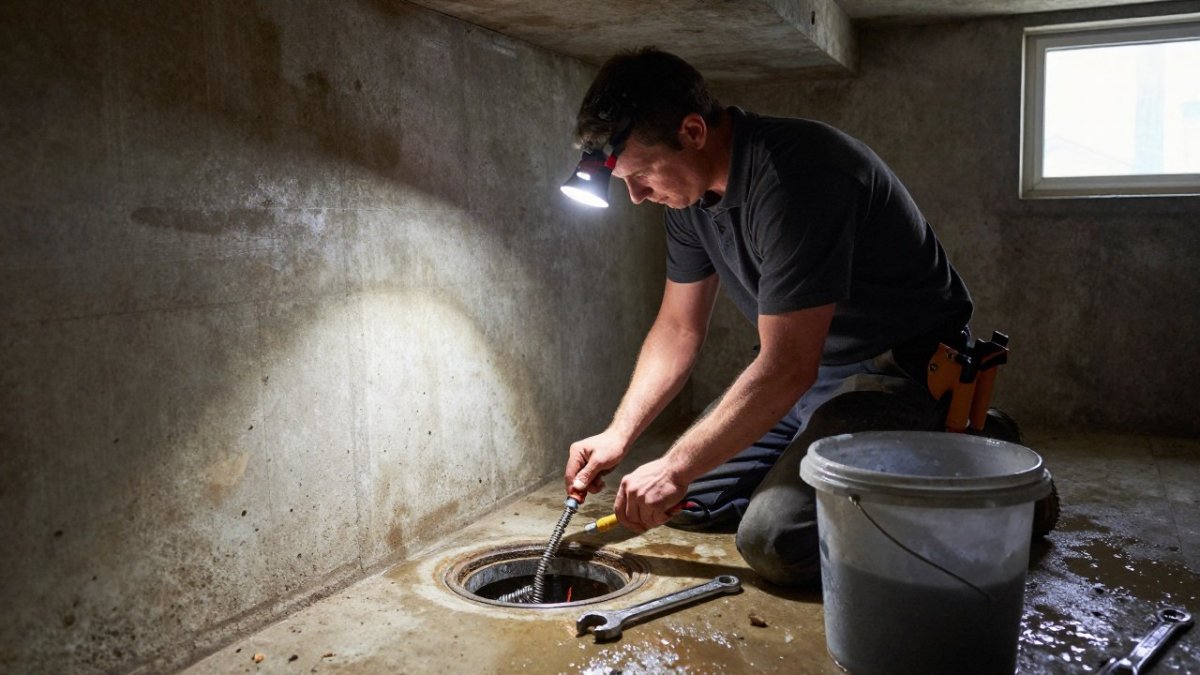
- Floor drain: Water pooling at a basement floor drain, especially with odor, suggests the blockage is in the main line or building drain rather than a single fixture.
Gurgling, Sewage Odor, and Water Rising Elsewhere
Gurgling is air escaping past a blockage. When you hear it from a drain across the room, the clog is deeper than that fixture. A sewage smell that spreads through the bathroom or basement is another warning. So is water rising in a shower when you flush the toilet.
Watch out: if several fixtures back up at once, or wastewater appears at a low floor drain, treat it as an urgent sewage-backup warning sign and call a professional rather than running more water. In homes with shared or multi-unit plumbing, a backup at one low drain can mean the building drain or the municipal side is involved, which needs a camera inspection to confirm.
How to Locate a Drain Blockage Step by Step
Locating a drain blockage is a process of elimination. You test one fixture at a time, watch how the water behaves, and follow the pipe back toward the main line. The goal is not to clear the clog yet, it is to decide whether the blockage is shallow (near one fixture) or deep (in a shared branch or the main drain line). You do not need tools for the first steps, and you should stop the moment a check turns risky.
Use this sequence as a simple decision tree:
- Test each fixture alone. Run water in the sink, then the tub, then flush the toilet. Note which ones drain slowly. If only one fixture is slow, the clog is likely shallow and local to that branch. If two or more are slow, treat it as deep until proven otherwise.
- Watch the water level in a second fixture. While one drain is running, watch the water level in another drain nearby. If it rises or gurgles while the first runs, the two fixtures share a blockage downstream, a deep clog.
- Listen for gurgling. Gurgling is air escaping past a blockage. Gurgling from a drain you are not using points deeper into the system than the fixture you are testing.
- Check the toilet. A toilet that bubbles when the sink drains, or a sink that gurgles when the toilet flushes, is a strong sign of a deep clog in the shared line.
- Find the cleanout. The cleanout is the capped access point on the main line, often in the basement or outside. If you want to trace the blockage toward the main line, see our guide to finding sewer cleanout access. Do not open a cleanout if water is already backing up, that is a stop condition.
- Stop at standing water or sewage backup. If water will not drain at all or sewage is coming up, stop and call a professional.
A simple way to read the results: one slow fixture with no reaction elsewhere points to a shallow clog in the trap or branch pipe. Two or more fixtures reacting together, or gurgling and odor away from the fixture you tested, point to a deep clog in the main drain line. If the pattern is unclear, stop testing and book an inspection rather than guessing.
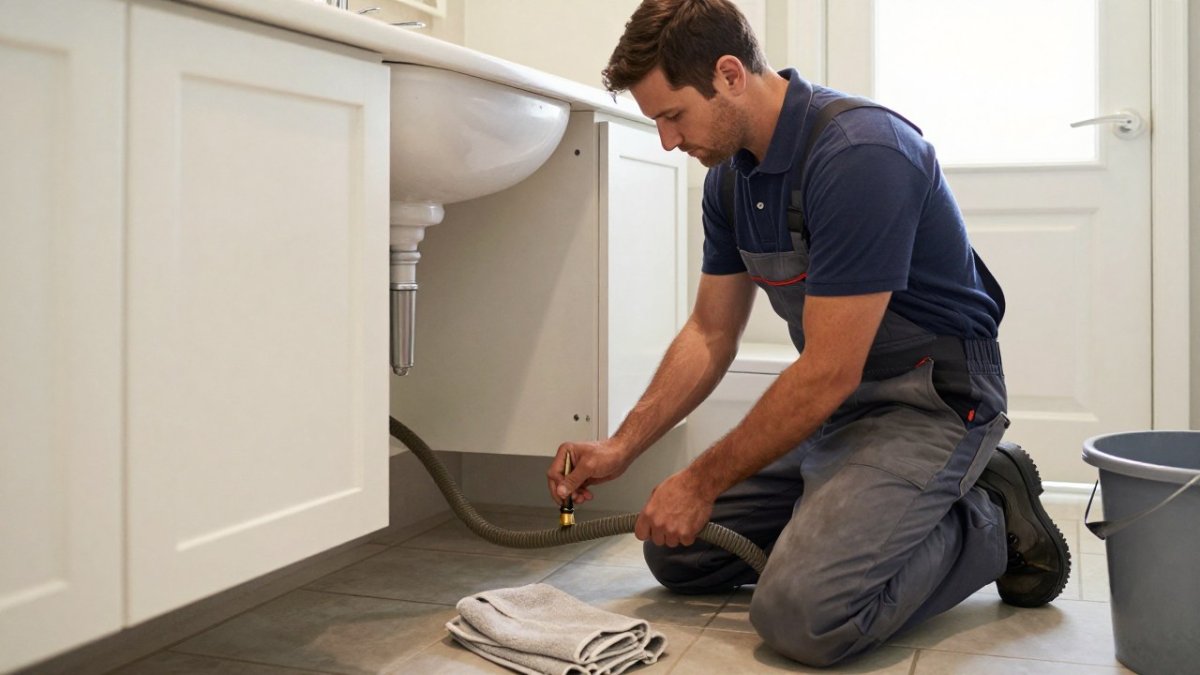
Safe Diagnostic Steps and When to Stop
Stick to water tests and visual checks. Do not pour chemical drain cleaner into a drain that is fully blocked, because it can sit there and damage the pipe. Do not force a plunger on a drain that is backing up with sewage. Stop if you see water rising in more than one place, smell sewage, or notice water pooling near the floor drain. Those are signs the blockage is deep and possibly in the sewer line.
Watch out: pushing a hand snake too hard into an older pipe can scratch or crack it, and chemical cleaners can damage fittings over time, if a check turns risky, stop and let a professional take over.
Multiple Drains Clogged at Once: What It Means
When several drains clog at once, the blockage is almost always in the main drain line. That is the shared pipe that carries waste from every fixture to the sewer. A clog there affects sinks, showers, and toilets together.
This is the point where DIY methods stop working. A plunger or hand snake only reaches a short distance into one branch. It cannot clear a blockage deep in the main line. For that job, our team compares methods like hydro jetting vs snaking based on what is actually blocking the pipe.
How Plumbers Confirm Blockage Depth
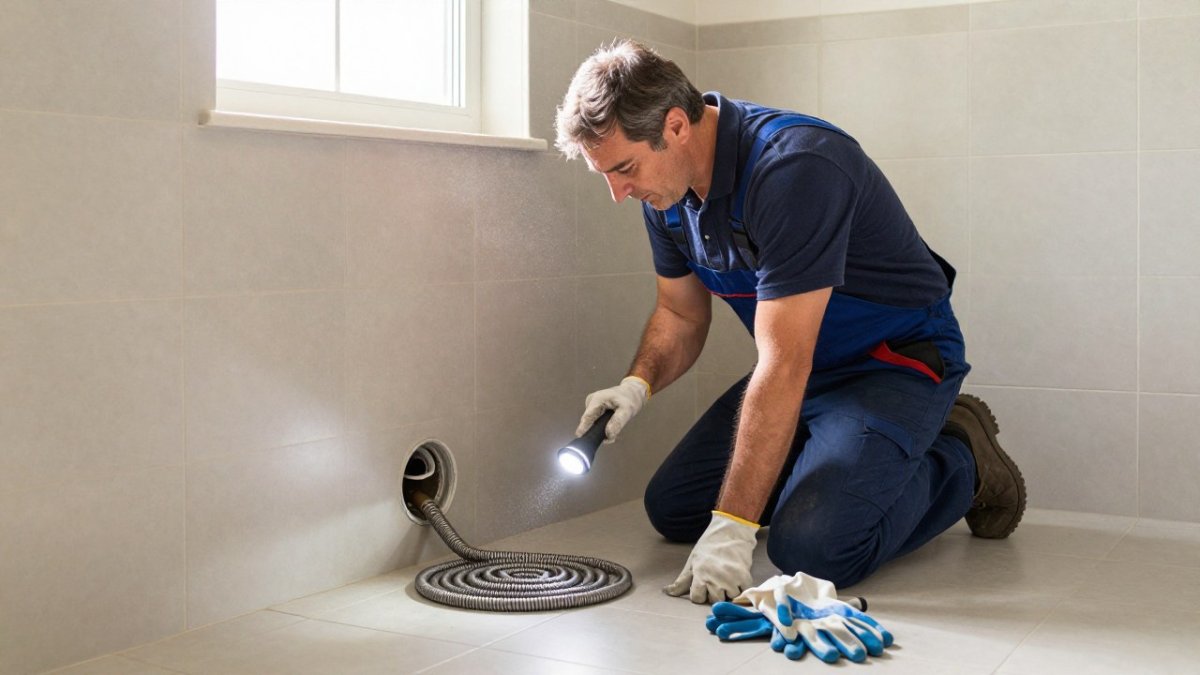
A plumber can confirm blockage depth with a camera inspection. A flexible camera goes down the drain or through the cleanout and shows the inside of the pipe on a screen, revealing where the obstruction sits.
A drain snake or auger tells you something is blocking the pipe. A camera tells you where and why. For homeowners who want to know whether a sewer line camera inspection is worth it, our article on sewer line camera inspections explains what the camera finds and when it pays off.
When to Call a Plumber for a Clogged Drain
Call a plumber when the clog is deep, recurring, or backing up with sewage. Also call if you have tried a plunger and snake on a single drain and it keeps returning. A clog that comes back within a few weeks usually means the blockage was never fully cleared.
Watch out: pushing a hand snake too hard can scratch or crack older pipes, and chemical cleaners can damage fittings over time. If you are unsure how deep the clog goes, stop and let a professional check it.
For a single slow sink, a plunger is a fair first try. For anything involving multiple fixtures, sewage, or a recurring clog, call us. UMark Plumbing and Drain Inc. offers 24/7 emergency service, and a free quote is available before any work starts. If you want to know what drain cleaning involves and when to call, our guide to drain cleaning costs and methods lays it out. You can also read our breakdown of the best drain cleaning method for main line clogs.
Book a Drain Inspection in North York
If you have a slow drain, standing water, or a clog that keeps coming back, the fastest way to know if it is deep or shallow is a professional inspection. UMark Plumbing and Drain Inc. offers 24/7 emergency and routine drain service. A free quote is available before work begins.
Get started with UMark Plumbing and Drain Inc. and request a free quote today.
A deep clog will not clear itself, and the longer it sits, the more damage it can do to your pipes and your home. UMark Plumbing and Drain Inc. brings over 20 years of experience, a certified team, and 24/7 availability to every job. We offer a free quote and affordable pricing, so you know the cost before we begin.
Frequently Asked Questions
How can you tell where a drain clog is located?
Test one fixture at a time. If only a single sink, shower, or toilet drains slowly while everything else runs fine, the drain clog is usually shallow, sitting in the trap or the branch pipe right behind that fixture. If several fixtures slow down together or water backs up in a floor drain when you run the sink, the blockage is deeper in the main drain line and needs a camera inspection to pinpoint it.
What are the signs of a deep drain clog?
The clearest signs of a deep drain clog are slow drainage at multiple fixtures, gurgling from other drains when water runs, sewage odor rising from floor drains, and water backing up in a shower or tub base when you flush a toilet. A recurring clog that returns within days of clearing also points deeper, because a shallow blockage would have been removed completely the first time.
Can a drain camera locate a blockage?
Yes. A drain camera pushed through a cleanout or an outside access point shows the inside of the pipe in real time, so a plumber can see exactly how far down the obstruction sits, what it is made of, and whether the pipe itself is cracked or collapsed. That is the most reliable way to confirm blockage depth before any drain cleaning equipment goes in.
When should you call a plumber for a clogged drain?
Call a plumber when more than one fixture is affected, when water backs up into a floor drain or tub, when you smell sewage, or when a clog returns after you have cleared it once. Stop plunging and call immediately if water rises instead of draining or if you suspect a sewage backup, since pushing harder can force waste into other parts of the plumbing system.