 how-to
Can You Hydro Jet a Septic System? A Safety Guide
Table of Contents
- What Is Hydro Jetting and How Does It Work on Septic Systems?
- Is Hydro Jetting Safe for Septic Pipes?
- Signs of Septic System Failure and When Hydro Jetting Helps
- Hydro Jetting vs. Snaking for Septic: Which Method Is Right?
- Septic Drain Field Restoration: When Hydro Jetting Is Not Enough
- Pre-Service Inspection: The Critical Step Before Hydro Jetting
- Risks of DIY Hydro Jetting and When to Call a Professional
- Frequently Asked Questions
Last Updated: October 1, 2026
What Is Hydro Jetting and How Does It Work on Septic Systems?
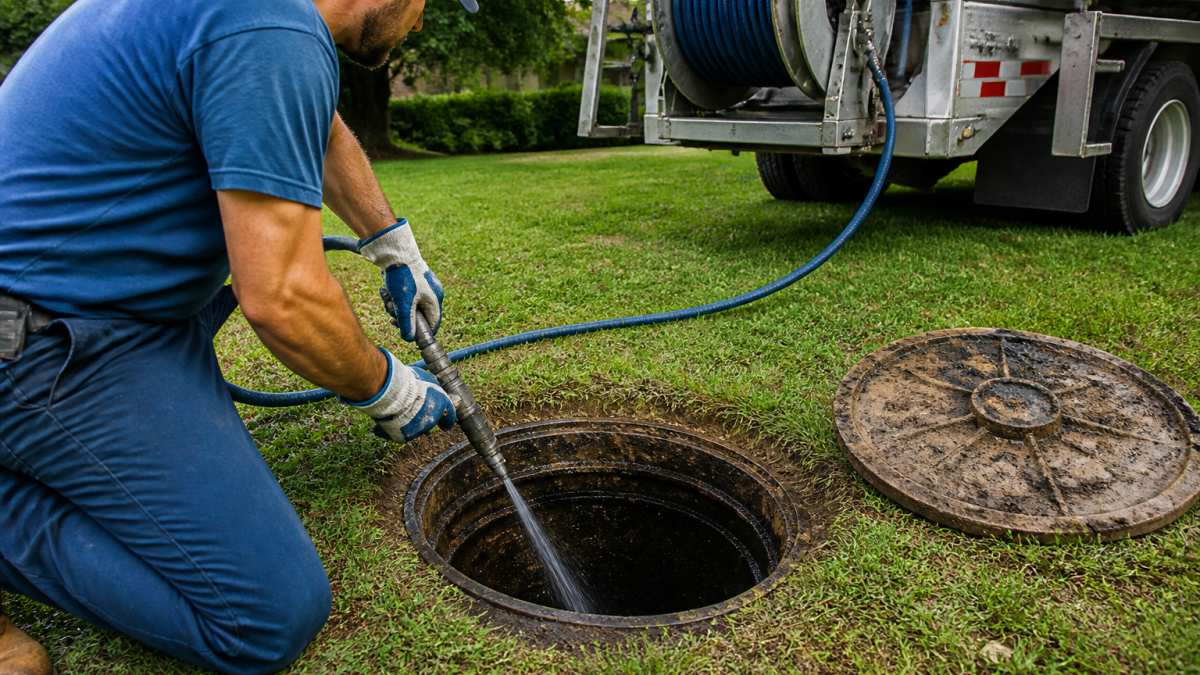
Can you hydro jet a septic system? Yes, but hydro jetting uses high-pressure water to clean pipes and remove blockages. A specialized truck delivers water at pressures between 1,500 and 4,000 PSI (pounds per square inch) through a hose into your drainage lines. The force breaks apart debris, tree roots, grease buildup, and sludge that accumulate inside pipes over time.
For septic systems specifically, the question "can you hydro jet a septic system" has a nuanced answer: hydro jetting can work on drain lines and leaching pipes, but it carries real risks if not done correctly, particularly with the septic tank and drainfield.
Here's how the process works:
- Water is pressurized and forced through a nozzle into the pipe
- The force scours the interior walls, dislodging buildup and debris
- Loosened material flows toward the septic tank or pumping station
- The debris must then be removed from the tank to prevent future blockages
Hydro jetting cleans the entire pipe diameter, not just a hole through the blockage like snaking does. For widespread sludge or grease buildup, this thorough cleaning can restore flow temporarily, but it's maintenance, not a cure, it doesn't address root causes.
Is Hydro Jetting Safe for Septic Pipes?
Safety depends on pipe condition, pressure settings, and nozzle type. Older systems face the highest risk: hydro jetting can rupture weakened sections, create leaks, or dislodge failing joints. High-pressure water stresses pipe walls in ways that may not cause immediate failure but accelerate long-term degradation.
Pressure Settings and Nozzle Types Matter
Not all hydro jetting is the same. The pressure and nozzle design determine whether the process cleans or damages your system.
Municipal sewer lines use 3,000 to 4,000 PSI; septic systems require lower pressure (1,500 to 2,500 PSI) because pipes are thinner and more fragile. A rotating nozzle spreads force across the pipe wall; a straight-shot nozzle concentrates force in one spot and poses higher damage risk.
Professional plumbers adjust pressure based on pipe material and age. PVC pipes can tolerate higher pressure than clay or concrete. Older cast iron pipes need careful handling. If a plumber doesn't ask about your system's age or material before starting, that's a red flag.
Long-Term Structural Damage and Pipe Fatigue
The most overlooked risk is cumulative stress on aging pipes. Clay tile pipes (common 1950-1980) become brittle with age and develop invisible hairline cracks. High-pressure water can propagate these cracks deeper into the pipe wall, causing gradual weakening over months or years rather than immediate rupture.
Concrete pipes (pre-1990) degrade internally as groundwater and effluent leach minerals. A pipe appearing sound on camera may have internal degradation that hydro jetting exacerbates, accelerating breakdown that would normally take years.
PVC pipes (post-1990) are more resilient but can become brittle in cold climates or with UV exposure. Systems 25+ years old may lose flexibility, and hydro jetting can cause joint separation or cracks allowing groundwater infiltration and drainfield failure.
Risk of Damage to Older Systems
High-pressure water can crack pipe walls, dislodge shifted sections, rupture joints, damage the tank baffle, and propagate micro-fractures. Drainfield repairs cost $5,000 to $15,000+, so a failed hydro jetting job can turn a $300 cleaning into a $10,000 replacement.
Signs of Septic System Failure and When Hydro Jetting Helps
Signs that hydro jetting might help:
- Slow drainage in multiple fixtures (tub, shower, toilet, sink)
- Gurgling sounds in pipes when water drains
- Backups that clear temporarily after pumping
- Grease or debris visible in the cleanout
Signs that hydro jetting won't fix:
- Sewage backing up into the home
- Wet patches or odors in the yard above the drainfield
- Toilets that won't flush or drain at all
- Persistent backups even after pumping
The second list indicates drainfield failure or tank damage, problems hydro jetting can't solve and might worsen. When the drainfield stops absorbing water, the issue is soil saturation or system design failure, not blockage.
Hydro jetting works best for grease buildup or partial tree root invasion. It removes debris but doesn't repair structural damage from complete root penetration.
Hydro Jetting vs. Snaking for Septic: Which Method Is Right?
Both hydro jetting and mechanical snaking clear blockages, but they work differently and suit different situations.
Mechanical snaking uses a rotating cable to break through clogs. It's gentler on pipes, works on older systems, and costs less, but only clears a path, grease reaccumulates quickly. Hydro jetting cleans the full pipe interior and prevents problems longer, but costs more and risks older pipes.
For septic systems, snaking is often the safer first choice. If the problem returns within months and pipes are confirmed in good condition, hydro jetting becomes reasonable.
| Method | Best For | Pipe Risk | Cost | Speed |
|---|---|---|---|---|
| Mechanical Snaking | Grease, partial blockages, older pipes | Low | Lower | Moderate |
| Hydro Jetting | Complete debris removal, newer systems | Higher on old pipes | Higher | Faster |
Septic Drain Field Restoration: When Hydro Jetting Is Not Enough
The drainfield is where your septic system does its most critical work. It's the area of soil around buried leaching pipes where treated effluent soaks into the ground. When the drainfield fails, no amount of pipe cleaning will restore your system.
Drainfield failure occurs from soil saturation, biomat blockage, pipe cracks, or root damage. Hydro jetting can't fix these and may worsen failure by forcing more water into saturated soil.
Drainfield restoration requires septic additives, drainfield resting (diverting water for months), aerobic treatment systems, or drainfield replacement for permanent solutions.
If your yard shows wet patches, odors, or lush vegetation over the drainfield in winter, the system has likely failed.
Pre-Service Inspection: The Critical Step Before Hydro Jetting
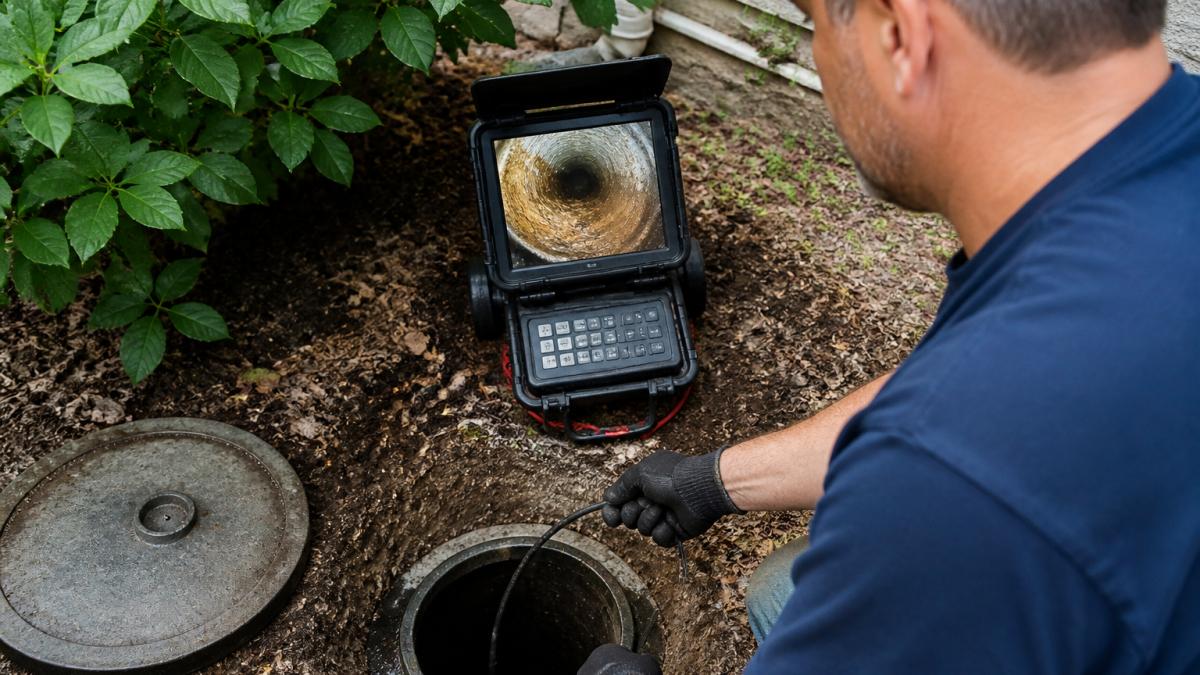
Never allow hydro jetting without thorough inspection first. A proper inspection includes camera inspection of drain lines, septic tank evaluation, soil assessment, pressure testing on older pipes, and cleanout access verification. The technician identifies cracks, blockage location, and structural issues in 30 to 60 minutes.
What the Camera Inspection Reveals, And What Disqualifies Hydro Jetting
The camera inspection determines whether hydro jetting is safe or dangerous. A qualified inspector must provide a written report explicitly stating whether pipes are suitable for hydro jetting.
Findings that support hydro jetting as safe:
- Smooth, intact pipe walls with no visible cracks or deterioration
- Secure joints with no separation or offset
- Blockage clearly caused by grease, scale, or debris rather than structural failure
- Pipes installed after 1985 (typically PVC) with no prior damage history
- Drainfield soil that is not saturated and shows normal absorption
Why Professional Inspection Matters More Than Equipment Cost
The inspection fee, typically $150 to $300, is the cheapest insurance you can buy. A misdiagnosis that leads to a ruptured pipe costs 10 to 50 times more to repair. Professional plumbers have equipment calibrated for different pipe materials and ages. They know how to adjust pressure on the fly. They identify problems during inspection that DIY work would miss.
Risks of DIY Hydro Jetting and When to Call a Professional
Renting a hydro jetting machine and doing the work yourself sounds cost-effective. The reality is far more complicated.
Why DIY hydro jetting fails:
- Pressure settings require expertise. Too much pressure ruptures pipes; too little does nothing.
- Nozzle selection matters. Wrong nozzle type damages the pipe interior.
- Blockage location must be identified first. Jetting in the wrong spot wastes water and money.
- Septic tank access points are often buried or hard to locate without experience.
- Debris removal requires proper cleanup. Forcing material into the tank without pumping causes problems.
When to call a professional:
- Your septic system is more than 20 years old
- You've never had the pipes inspected with a camera
- Multiple fixtures are backing up
- You see signs of drainfield failure
- The blockage is severe or recurring
Frequently Asked Questions
Can you hydro jet a septic system without damaging it?
Yes, but only under specific conditions. Hydro jetting is safe for septic systems when performed by a certified professional who first inspects the pipes with a camera, uses pressure settings between 1500-3000 PSI (not exceeding manufacturer limits), and confirms the pipes are in sound structural condition. Older clay or cast iron lines, systems with cracks, or those with extensive root intrusion require different approaches. A pre-service inspection is non-negotiable.
What are the signs of septic system failure that hydro jetting can fix?
Hydro jetting works best for slow drains, sewage backups into the home, wet patches over the drainfield, and foul odors caused by debris buildup or grease accumulation in the leaching pipes. However, if the drainfield itself is saturated, the septic tank is full, or lateral lines are crushed, hydro jetting alone will not solve the problem. A professional inspection determines whether jetting is appropriate or if septic drain field restoration is needed.
How does hydro jetting differ from snaking for septic maintenance?
Mechanical snaking uses a rotating cable to break through blockages, while hydro jetting uses high-pressure water to scour pipe walls and flush debris. Snaking is gentler on fragile pipes and works for root intrusion and solid clogs. Hydro jetting removes sludge buildup and grease more thoroughly but requires intact pipe integrity. For septic systems, snaking is often safer for older installations, while jetting suits newer, stronger pipes. A professional assesses which method your system needs.
What happens if hydro jetting damages septic pipes?
Excessive pressure can crack or rupture clay pipes, separate joints in cast iron lines, or enlarge existing fractures. Damaged pipes allow septic effluent to leak into the surrounding soil, contaminating groundwater and causing system failure. Repairs are costly and may require full line replacement. This is why pressure settings, nozzle selection, and pre-service camera inspection are critical, they prevent damage before it occurs.