 listicle
Commercial Plumbing Maintenance Benefits for Offices
Table of Contents
- Why Commercial Plumbing Maintenance Matters for Office Operations
- Cost Savings Through Preventative Plumbing Maintenance Checklist for Offices
- Extending Equipment Lifespan and Asset Longevity
- Commercial Plumbing Inspection Frequency and Compliance
- Cost of Commercial Plumbing Repairs vs Maintenance Investment
- Protecting Property Value and Preventing Water Damage
- Improving Workplace Productivity and Tenant Satisfaction
- Environmental Impact and Water Conservation Benefits
Last Updated: August 18, 2026
Why Commercial Plumbing Maintenance Matters for Office Operations
A single burst pipe can shut down an entire floor for days. Water damage spreads quickly through walls, ceilings, and electrical systems. By the time facilities managers realize there's a problem, the repair bill has already tripled. This is where commercial plumbing maintenance becomes essential for any office operation.
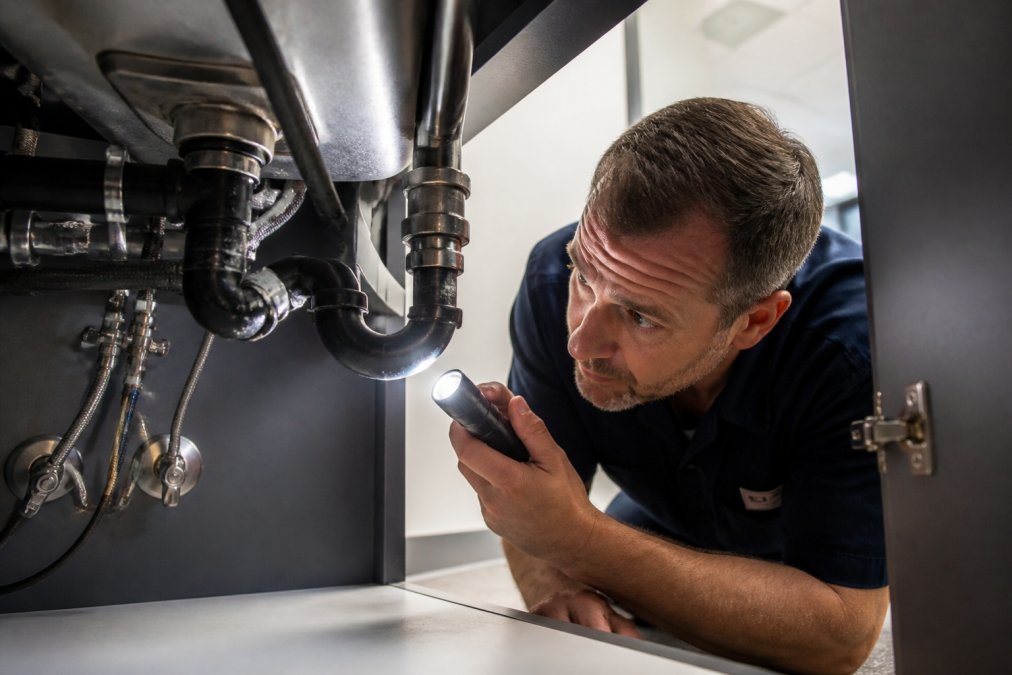
Commercial plumbing maintenance is the practice of regularly inspecting, testing, and servicing plumbing infrastructure to catch problems before they become emergencies. For office buildings, this means scheduled inspections of water lines, drain systems, backflow prevention devices, and fixtures across multiple floors and departments. The difference between reactive repairs and preventative maintenance isn't just financial, it's operational.
At UMark Plumbing and Drain Inc., we've tracked the real costs of neglected systems. Offices that skip maintenance typically face emergency calls at the worst times: weekends, holidays, or during critical business moments. Offices with regular maintenance schedules rarely experience those disruptions. The pattern is consistent across facility types, schools, medical offices, corporate buildings, and the outcome is always the same: planned maintenance prevents chaos.
Most office managers assume their plumbing system is fine until something breaks. That assumption costs thousands. Water damage from a hidden leak can compromise structural integrity, destroy equipment, and force temporary relocation of staff. Preventative maintenance flips the equation: small investments in regular service prevent catastrophic expenses later.
Cost Savings Through Preventative Plumbing Maintenance Checklist for Offices
The financial case for commercial plumbing maintenance is straightforward: planned expenses are always smaller than emergency expenses. Emergency plumber callouts typically cost significantly more than routine maintenance visits. Add in the cost of water damage repairs, equipment replacement, and lost productivity, and the math becomes overwhelming.
Avoiding Emergency Repairs and Business Interruptions
Emergency plumbing failures force immediate response, and immediate response carries premium pricing. Weekend and after-hours service calls command higher rates. Emergency water damage mitigation requires specialized equipment and crews working around the clock. The total cost of one emergency repair often exceeds an entire year of preventative maintenance.
Beyond the direct repair costs, there's operational disruption. Bathrooms go offline. Water pressure drops across multiple floors. Tenants or employees lose access to essential facilities. For medical offices, this creates compliance issues. For schools, it disrupts classes. For corporate offices, it signals poor facility management to clients and staff alike.
A preventative maintenance checklist typically includes quarterly inspections of visible pipes, annual testing of backflow prevention devices, regular drain cleaning to prevent blockages, and water heater maintenance to extend equipment life. These scheduled services prevent the emergency calls that derail business operations.
Reducing Utility Bills and Water Waste
Leaks waste water and inflate utility bills. A small drip in a commercial building compounds across dozens of fixtures over weeks and months. Hidden leaks inside walls or underground are impossible to detect without professional inspection equipment. These leaks don't just waste water, they drive up sewer charges, which are often based on water consumption.
Preventative maintenance includes leak detection services that identify hidden problems before they become visible. Fixing a small leak costs a fraction of what the wasted water and inflated bills would cost over a year. Water conservation also aligns with environmental responsibility, which matters to tenants, employees, and regulatory bodies.
Regular maintenance of water heaters and pressure regulators ensures systems operate at optimal efficiency. An aging water heater works harder to maintain temperature, consuming more energy. Routine servicing keeps equipment running efficiently, directly reducing utility costs.
Extending Equipment Lifespan and Asset Longevity
Commercial plumbing equipment represents significant capital investment. Water heaters, pumps, pressure regulators, and backflow prevention devices all have expected lifespans. Maintenance extends those lifespans substantially. Equipment that receives regular service often operates for years beyond its expected end date, delaying replacement costs.
Preventative maintenance logs create a documented history of service. This record is valuable for warranty claims, insurance documentation, and facility assessments. When equipment does need replacement, the maintenance history justifies the investment to ownership or accounting teams.
Scheduled service contracts ensure that maintenance happens on a predictable schedule. Without a contract, maintenance often gets deferred when budgets tighten or priorities shift. By the time anyone remembers to call a plumber, systems are already degraded. Service contracts lock in maintenance and ensure consistent care.
Commercial Plumbing Inspection Frequency and Compliance
How often should commercial plumbing systems be inspected? The answer depends on building age, system complexity, and local regulations. Most commercial buildings benefit from quarterly inspections, with annual comprehensive assessments. Some facilities require more frequent service based on usage patterns or regulatory requirements.
Meeting Regulatory Requirements and Health Standards
Commercial buildings must comply with plumbing codes established by local authorities. These codes cover everything from pipe sizing and material standards to fixture spacing and drainage requirements. Backflow prevention devices must be tested annually in most jurisdictions. Medical facilities face additional requirements around water quality and cross-contamination prevention.
Regular inspections ensure systems remain compliant. Non-compliance can result in fines, failed inspections, or operational shutdowns. For facilities that serve the public, schools, medical offices, restaurants, compliance violations can trigger closure orders. Preventative maintenance keeps systems within regulatory standards continuously, not just at inspection time.
Documentation of maintenance and testing is crucial for compliance verification. Professional plumbers maintain records of service dates, testing results, and repairs completed. These records demonstrate to regulatory bodies that the facility is maintaining systems responsibly.
Backflow Prevention and Water Safety Testing
Backflow prevention devices protect the public water supply from contamination. These devices must be installed on any connection where contamination risk exists. Annual testing verifies that devices are functioning correctly. Failed testing means the device must be repaired or replaced immediately.
Many facilities don't realize they have backflow prevention requirements until an inspection reveals non-compliance. Professional plumbing maintenance identifies these requirements proactively and ensures devices are installed and tested on schedule. This prevents compliance violations and protects both the facility and the public water system.
Water quality testing may also be required in certain facilities. Medical offices, schools, and food service operations face specific water safety requirements. Regular testing as part of maintenance schedules ensures water systems meet health standards.
Cost of Commercial Plumbing Repairs vs Maintenance Investment
The comparison between emergency repair costs and planned maintenance costs is stark. A single emergency repair can cost more than five years of preventative maintenance. Yet many facility managers treat maintenance as a discretionary expense, only calling plumbers when systems fail.
Emergency Repair Expenses and Hidden Damage
An emergency burst pipe repair includes the cost of the plumber's time, parts, and often restoration work. If the burst causes water damage, add mitigation costs, drying equipment, and potential reconstruction. If the damage affects multiple floors, multiply those costs across affected areas.
Hidden damage extends repair timelines and costs. Water inside walls doesn't stop at the point of origin, it spreads through insulation, structural framing, and electrical cavities. By the time visible damage appears, the actual damage is often much more extensive. Professional water damage assessment and restoration can cost tens of thousands for a single incident.
Long-Term Savings From Scheduled Service Contracts
Service contracts provide predictable, budgeted maintenance. The facility pays a fixed amount monthly or quarterly for regular inspections and service. This cost is manageable and predictable. Emergency repairs, by contrast, arrive as unexpected expenses that strain budgets.
Over a five-year period, the cumulative cost of planned maintenance is typically one-third to one-half the cost of even a single major emergency repair. The savings compound when you factor in avoided water damage, extended equipment life, and reduced utility bills.
Service contracts also ensure maintenance actually happens. Without a contract, maintenance gets postponed when other priorities emerge. With a contract, the plumber arrives on schedule regardless of competing demands.
Protecting Property Value and Preventing Water Damage
Water damage is one of the most expensive problems a commercial building can face. Unlike other maintenance issues that affect function, water damage affects structure. Compromised framing, mold growth, and electrical hazards reduce property value and create liability.
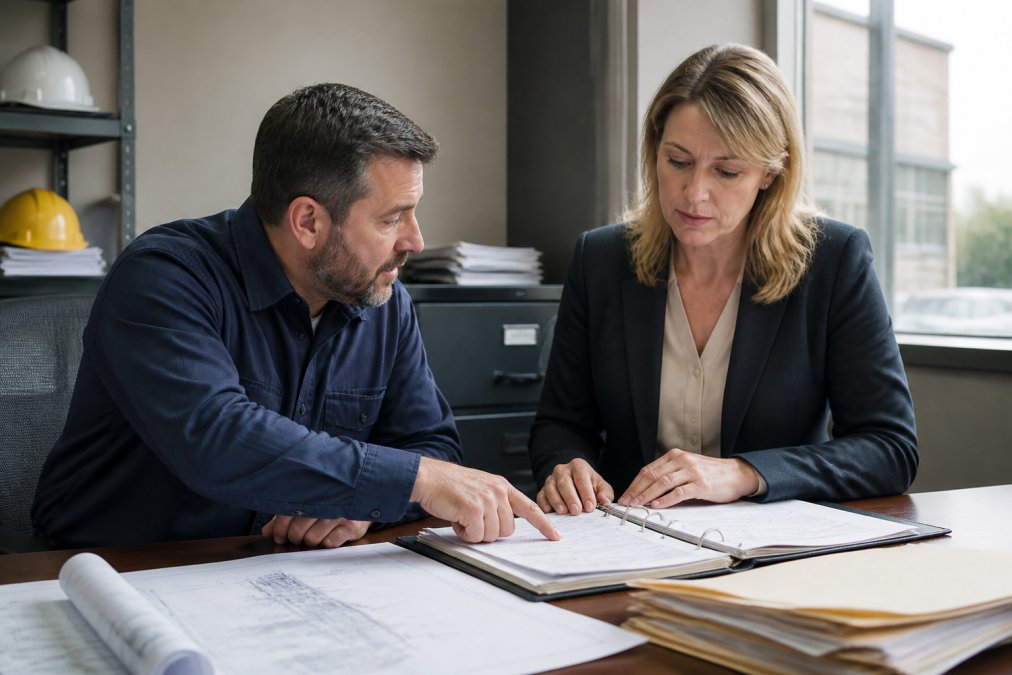
Preventative plumbing maintenance protects property value by preventing the conditions that lead to water damage. Regular inspections identify leaks before they cause structural damage. Drain cleaning prevents backups that overflow into buildings. Proper maintenance of water pressure systems prevents the pipe failures that cause catastrophic flooding.
Insurance companies recognize the connection between maintenance and water damage prevention. Buildings with documented maintenance histories often qualify for better insurance rates. Conversely, buildings with a history of water damage claims face higher premiums or coverage restrictions.
For commercial properties that are financed, leased, or held as investments, property value protection is critical. A building with a reputation for water problems becomes harder to lease, harder to sell, and more expensive to insure. Preventative maintenance protects the asset's marketability and financial value.
Improving Workplace Productivity and Tenant Satisfaction
A building with reliable plumbing systems is a building where people can work effectively. Bathroom outages, low water pressure, or cold water issues create frustration and reduce productivity. Tenants and employees notice these problems immediately and interpret them as signs of poor facility management.
Conversely, buildings with reliable systems and responsive maintenance earn positive reputations. Tenants renew leases. Employees feel the organization cares about their work environment. Visitors and clients form positive impressions based on facility condition.
For commercial landlords and property managers, tenant satisfaction directly affects lease renewal rates and rental rates. Buildings with reliable systems and responsive maintenance attract better tenants and command higher rents. The investment in preventative plumbing maintenance pays dividends in tenant retention and satisfaction.
Environmental Impact and Water Conservation Benefits
Commercial buildings consume significant water. Leaks, inefficient fixtures, and poorly maintained systems waste water unnecessarily. As water scarcity becomes a growing concern, water conservation matters both environmentally and financially.
Preventative maintenance identifies water waste and addresses it. Leak detection services find hidden leaks that waste thousands of gallons annually. Maintenance of water-efficient fixtures ensures they operate as designed. Regular servicing of water heaters and pressure systems prevents the inefficiencies that drive excessive consumption.
According to Environment and Climate Change Canada's water conservation guidance, commercial water conservation is essential for sustainable building operations. Facilities that demonstrate commitment to water conservation often qualify for municipal rebates or utility discounts. Some jurisdictions offer tax incentives for water-efficient upgrades.
Beyond financial incentives, environmental responsibility matters to modern organizations. Employees and tenants increasingly expect organizations to demonstrate sustainability commitment. A commercial building with documented water conservation practices through preventative maintenance signals environmental responsibility.
Maintaining commercial plumbing systems requires consistent attention, but the investment prevents far costlier problems. Whether your office is a small professional suite or a large multi-tenant building, the pattern is identical: planned maintenance prevents emergencies, reduces costs, and protects your asset.
UMark Plumbing and Drain Inc. offers commercial plumbing maintenance services designed specifically for office buildings and facilities. With over 20 years of experience serving commercial clients, the team understands the operational demands of office environments and the compliance requirements of different facility types. UMark Plumbing and Drain Inc. provides scheduled maintenance, emergency response, and comprehensive inspections to keep your systems reliable. Get a free quote today to establish a maintenance plan that protects your building and your budget.
| Maintenance Component | Recommended Frequency | Primary Benefit |
|---|---|---|
| Pipe and fixture inspection | Quarterly | Early leak detection |
| Backflow prevention testing | Annually | Regulatory compliance |
| Drain cleaning | Annually or as-needed | Prevents backups and blockages |
| Water heater servicing | Annually | Extends equipment life, improves efficiency |
| Pressure system check | Annually | Prevents pipe stress and failures |
| Comprehensive system assessment | Annually | Identifies emerging issues before they escalate |
Frequently Asked Questions
What is included in a commercial plumbing maintenance plan?
A comprehensive commercial plumbing maintenance plan includes routine inspections of pipes, drains, and fixtures; drain cleaning and clearing blockages; water heater servicing; backflow prevention testing; leak detection; and fixture repairs. Regular maintenance also includes pressure testing, sewer line inspections, and documentation of all service work. Plans are customized based on your office building's size, age, and specific systems. Scheduled service contracts ensure consistent care and help prevent emergency shutdowns.
How often should office buildings schedule commercial plumbing inspections?
Most office buildings benefit from annual plumbing inspections as part of preventative maintenance. However, facilities with older infrastructure, higher water usage, or previous plumbing issues should schedule inspections twice yearly. Drain cleaning is typically recommended annually, though facilities with grease-producing areas may need quarterly service. Backflow prevention devices require annual testing to meet regulatory compliance. A certified plumber can assess your specific needs and recommend an inspection frequency that protects your plumbing infrastructure and ensures business continuity.
What are the main differences between emergency repairs and preventative maintenance costs?
Emergency repairs often cost significantly more due to after-hours service charges, rushed diagnostics, and potential secondary damage. A burst pipe or major leak can require extensive water damage restoration, affecting multiple areas of your office and causing operational downtime. Preventative maintenance spreads costs predictably through scheduled service contracts, typically at a fraction of emergency repair expenses. Regular inspections catch small issues before they become costly failures. Over time, offices investing in preventative plumbing maintenance save substantially on capital expenditure while maintaining continuous operation.
How does commercial plumbing maintenance impact insurance premiums and property value?
Regular plumbing maintenance reduces water damage claims and demonstrates responsible facility management to insurers, potentially lowering premiums. Well-maintained plumbing systems protect your property from costly water intrusion and structural damage that can significantly reduce building value. Documented maintenance records prove due diligence and support insurance claims if issues occur. Properties with proactive plumbing care show better asset longevity and operational efficiency, making them more attractive to tenants and buyers. This combination of reduced claims risk and preserved property condition creates measurable financial benefits.
This article was written using GrandRanker