 how-to
Emergency Pipe Repair: What to Do Right Now
Table of Contents
- Recognize a Plumbing Emergency
- How to Shut Off Your Main Water Valve
- Immediate DIY Mitigation Steps for Burst Pipes and Leaks
- How to Stop an Overflowing Toilet Quickly
- Understanding Emergency Plumbing Cost Estimates
- When to Call a Licensed Plumber vs. DIY Solutions
- Preventing Future Plumbing Emergencies
- Conclusion
Last Updated: August 23, 2026
Recognize a Plumbing Emergency
Aplumbing emergency is any situation where water actively leaks, floods, or backs up, threatening property damage, health, or safety. Burst pipes, sewage backups, and uncontrolled leaks demand immediate action, the longer you wait, the more damage accumulates. Water damage spreads to drywall, insulation, and structural wood within hours.
Common signs requiring emergency plumbing services include water spraying from a visible pipe, multiple drains backing up simultaneously, sewage smell from drains or yard, water pooling in your basement or crawl space, or a main water line rupture indicated by a sudden spike in your water bill combined with visible wet patches in your yard. When you spot these signs, your first action is to stop the water at its source.
How to Shut Off Your Main Water Valve
The main water shut-off valve is your emergency kill switch. Most homeowners have never located theirs, yet this is the single most important step you can take.
Your main water valve is typically located where the water line enters your home, outside near the foundation in warmer climates, or in the basement, crawl space, or utility room in colder regions. Look for a valve with a round knob (gate valve) or lever-style handle (ball valve). Turn a gate valve clockwise; turn a ball valve lever perpendicular to the pipe.
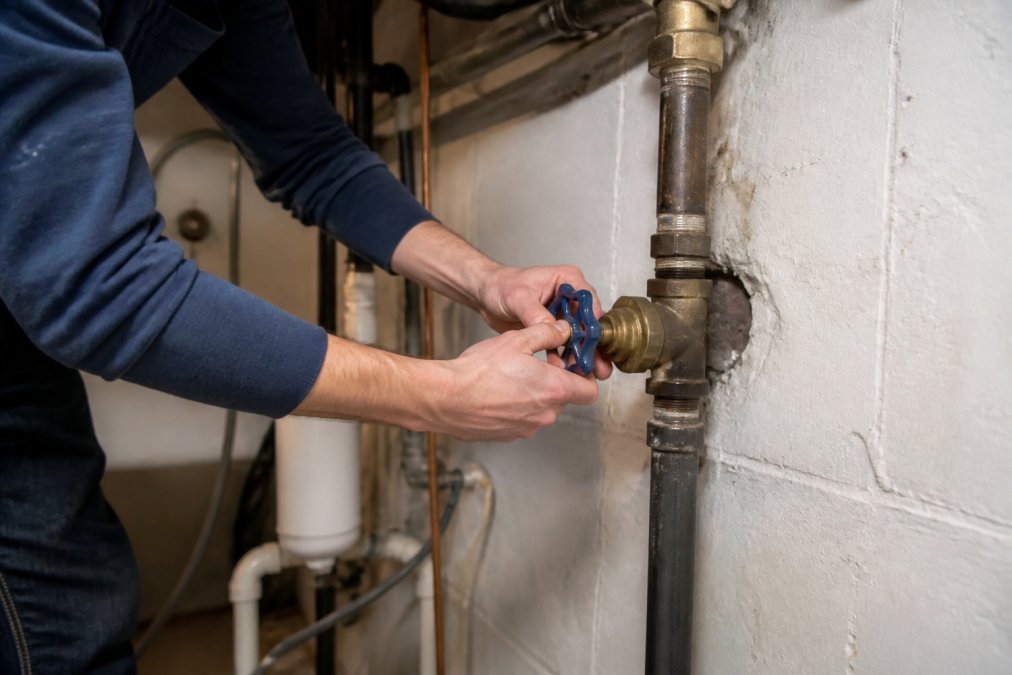
Once shut off, water stops flowing to your entire house. Open a nearby faucet to release pressure in the pipes. Locate your valve now and mark it clearly. Test turning it every six months so you're confident during an emergency. If you cannot locate it, call UMark Plumbing and Drain Inc. to identify and mark it for you.
Immediate DIY Mitigation Steps for Burst Pipes and Leaks
After shutting off the main water valve, focus on containment and preventing further damage.
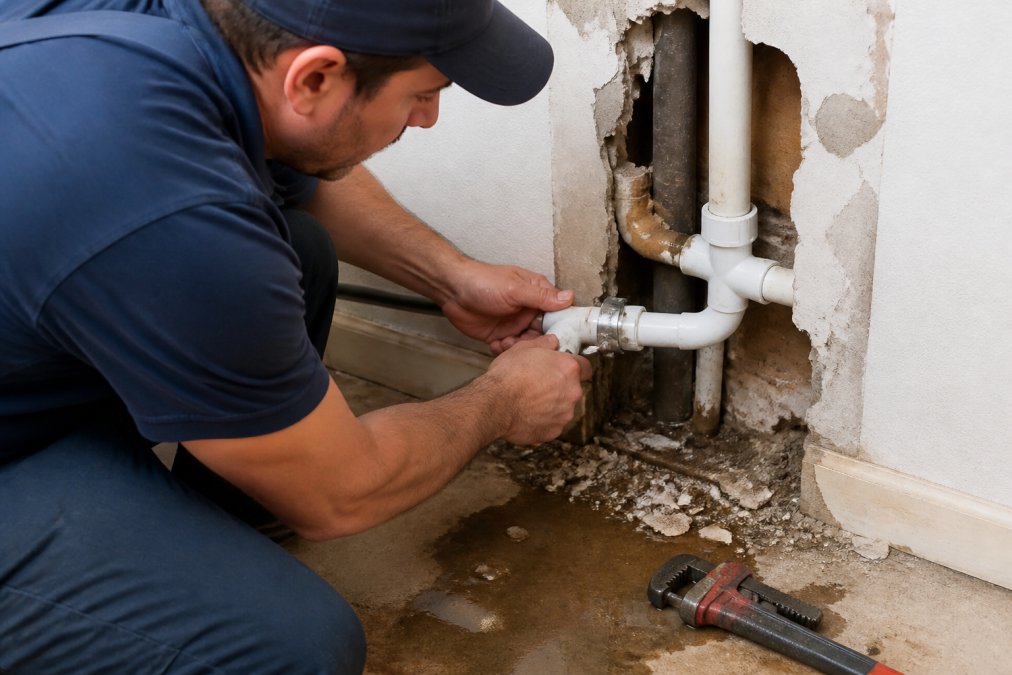
For a burst pipe actively spraying water, wrap it tightly with emergency repair tape or self-fusing silicone tape, overlapping each layer. This reduces flow significantly while you wait for professional help. If tape isn't available, wrap the area with towels and duct tape.
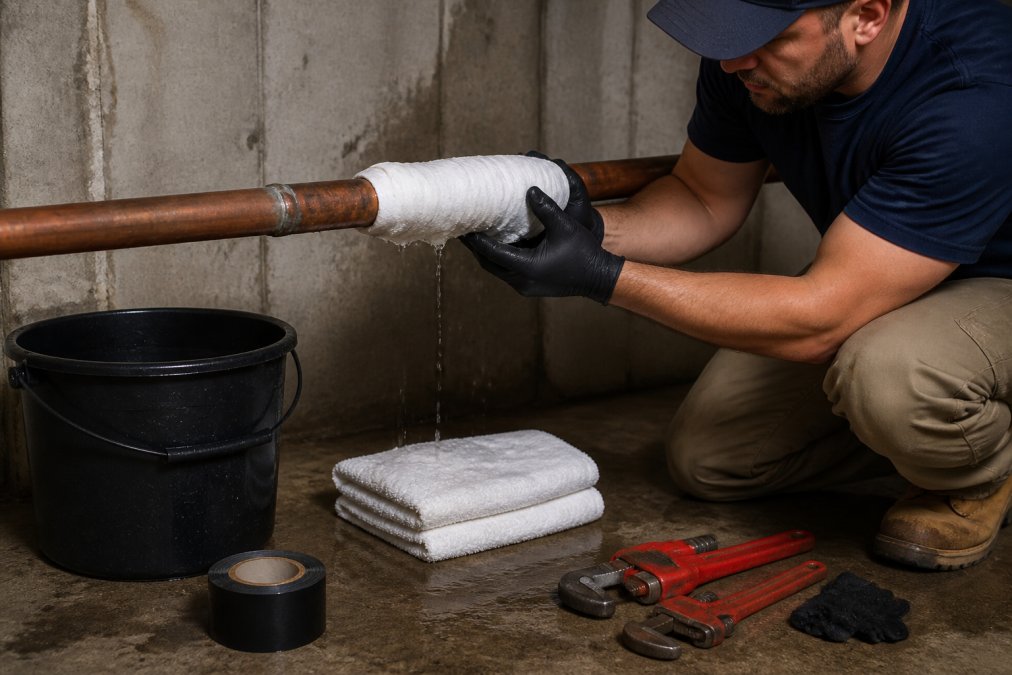
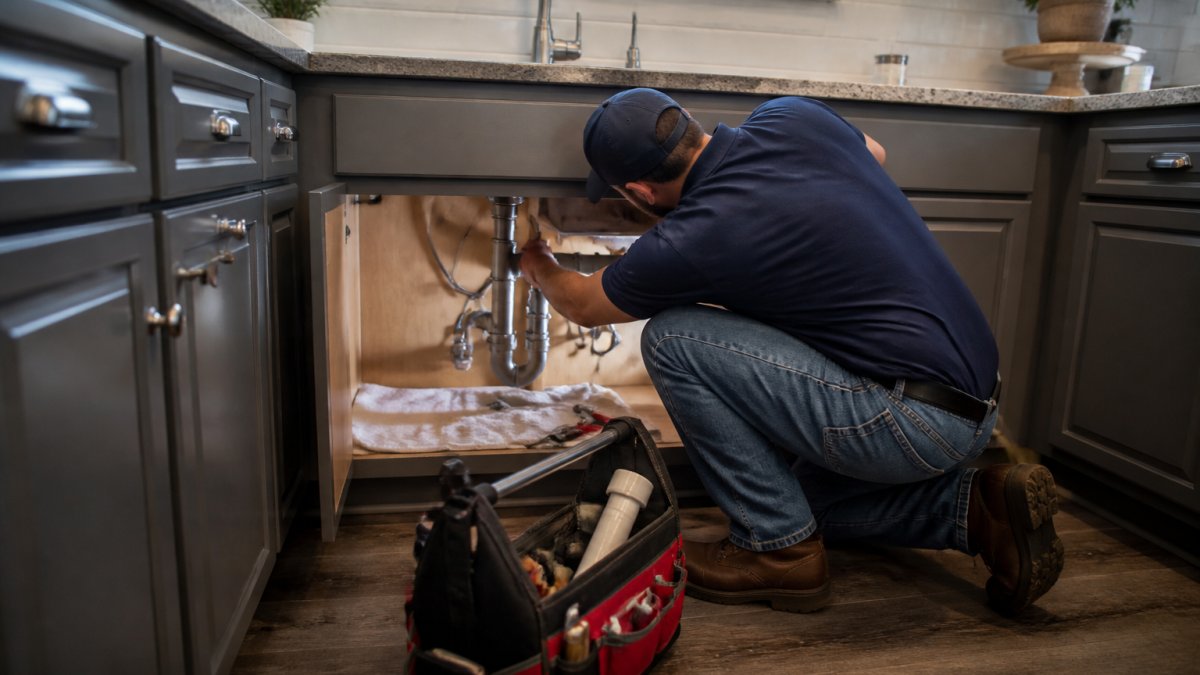
For leaks at connection points, tighten the connection by hand first, many slow leaks are caused by loose fittings. If tightening doesn't work, place a bucket underneath. Apply tape or towels if water is pouring out.
Remove standing water using towels, mops, and a wet-dry vacuum to prevent mold growth and structural damage. Open windows and doors to improve air circulation. Document the damage with photos and video for insurance claims. Do not attempt permanent repairs yourself; temporary measures buy time until a licensed plumber arrives.
How to Stop an Overflowing Toilet Quickly
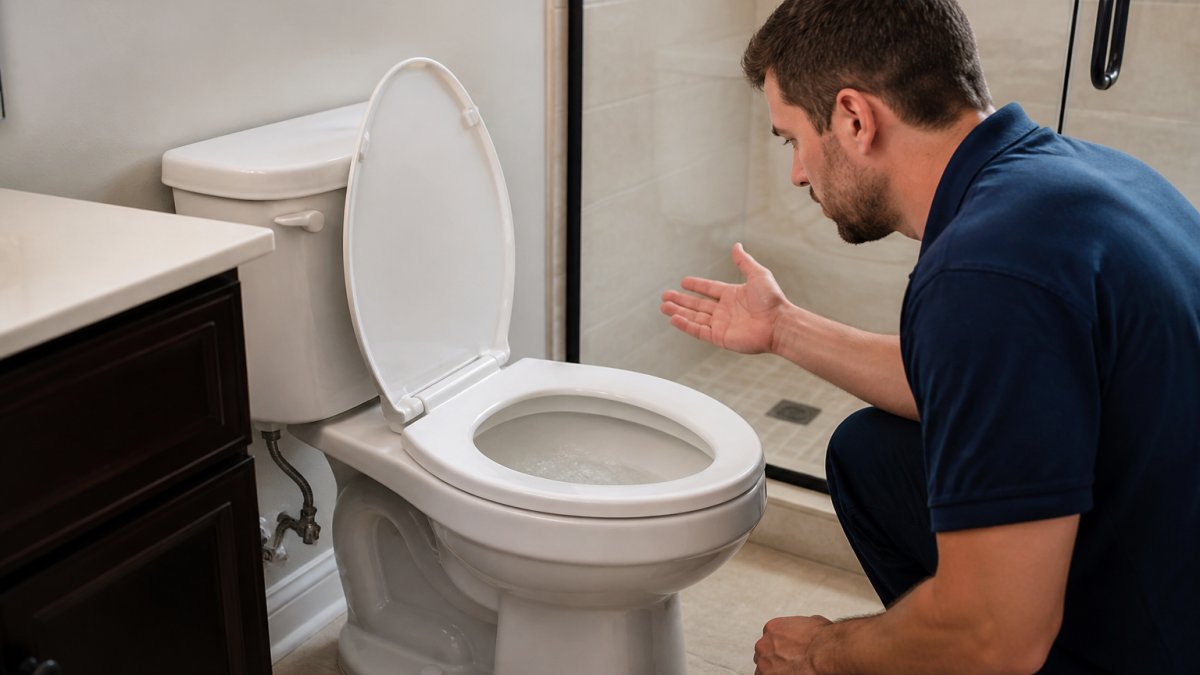
When you see water rising above the bowl rim, stop the flow immediately. Reach behind the toilet and turn the shutoff valve clockwise, or lift the tank lid and pull up the float ball to manually stop water entry.
Once stabilized, identify the cause. A clogged toilet caused by excess waste requires a plunger or snake. A clog from foreign objects requires professional removal. A fill valve that won't shut off indicates internal mechanism failure requiring a new valve installed by a licensed plumber.
Many overflowing toilets result from gradual clogs. If your toilet drains noticeably slower than usual, call a plumber before it overflows.
Understanding Emergency Plumbing Cost Estimates
Emergency plumbing costs differ significantly from routine repairs. After-hours service premiums are standard, a burst pipe repair at 3 AM costs more than the same repair at 2 PM, reflecting the cost of keeping crews available overnight and weekends.
Actual repair costs depend on complexity. A simple burst pipe in an accessible location costs less than one inside a wall requiring drywall removal and restoration. When calling for an estimate, provide details: leak location, whether water is actively flowing, what you've done to mitigate damage, and visible home damage. A professional should narrow the cost range based on your description.
Never accept vague estimates like "somewhere between $400 and $1,500." If a plumber refuses to discuss cost until arrival, that's a red flag. UMark Plumbing and Drain Inc. provides transparent pricing and discusses options over the phone before sending a technician.
When to Call a Licensed Plumber vs. DIY Solutions
DIY fixes are appropriate for temporary mitigation: shutting off the main valve, wrapping a burst pipe with emergency tape, plunging a clogged toilet, or tightening a loose connection. These stop the immediate crisis but aren't permanent solutions.
Permanent repairs require a licensed plumber. Plumbing work must meet building codes in most jurisdictions. Improper installation creates safety hazards like gas leaks or contaminated water. Mistakes often create problems you won't notice until weeks later. Your home insurance may not cover damage from unpermitted work by unlicensed persons.
Licensed plumbers carry liability insurance and certifications proving code knowledge. They have proper tools and materials to do the job correctly. A burst pipe in your main line, sewage backup, water heater failure, frozen pipe blocking water flow, or any repair involving cutting walls, replacing pipe sections, or working with your main water line requires licensed plumbing.
UMark Plumbing and Drain Inc.'s certified team handles emergency situations with the expertise and speed these demands require.
Preventing Future Plumbing Emergencies
Most plumbing emergencies are preventable with basic maintenance.
Frozen pipes are entirely preventable. In winter, let a thin stream of water run overnight through faucets in unheated areas (ready.gov). Insulate exposed pipes in crawl spaces and attics with foam pipe insulation. Seal cracks in exterior walls to keep cold air from reaching pipes.
Burst pipes often result from age, corrosion, or pressure buildup. If your home has galvanized steel pipes and is over 40 years old, consider replacing them proactively (the EPA). Have a licensed plumber inspect your system every few years, especially if you notice slow drains, discolored water, or low water pressure.
Prevent clogged drains by flushing only human waste and toilet paper. Don't pour grease down kitchen drains. Use drain screens to catch hair and food particles. Run hot water through drains weekly.
Most water heaters last 8-12 years (energy.gov). If yours is older, have it inspected annually. Sediment buildup reduces efficiency and can cause sudden failure.
Watch for signs of main line leaks: sudden water bill spikes, wet patches in your yard, or hissing sounds from the ground. Call a plumber immediately if you notice these.
Keep a reliable licensed plumber's phone number in your contacts before you need it. When an emergency happens, you won't have time to search for reviews.
Conclusion
Plumbing emergencies are manageable when you know the right steps. Shut off the main water valve immediately, stabilize the leak with temporary measures, and call a licensed plumber. Don't attempt permanent repairs yourself, the cost of getting it wrong far exceeds professional help.
When facing an emergency pipe repair, UMark Plumbing and Drain Inc. is available 24/7 with certified technicians who arrive quickly and explain your options clearly. Get a free quote and let us handle the repair so your home is protected.
Frequently Asked Questions
Q: What should I do immediately if a pipe bursts in my home?
A: Turn off your main water valve first to stop water flow. Then locate the burst pipe, place towels or a bucket underneath to catch water, and open nearby taps to drain remaining water from the system. Document the damage with photos for insurance purposes. Once you've contained the immediate situation, contact a licensed plumber for emergency pipe repair. Do not attempt to permanently fix a burst pipe yourself, temporary measures buy time until professional help arrives.
Q: How much does emergency plumbing cost in my area?
A: Emergency plumbing costs depend on the severity of the issue, time of day, distance traveled, and whether parts or pipe replacement are needed. After-hours calls, weekend service, and holiday emergencies typically carry higher rates than standard business hours. For an accurate emergency plumbing cost estimate tailored to your specific situation, contact a licensed plumber directly. Most reputable services provide a free quote before starting work so you know the cost upfront.
Q: How do I know if my plumbing issue is actually an emergency?
A: A plumbing emergency requires immediate attention to prevent significant water damage, health hazards, or system failure. Signs include burst pipes, sewage backups, major leaks flooding your home, no water pressure, or frozen pipes in winter. If water is actively damaging your property, poses a safety risk, or affects essential services like toilets or heating, treat it as an emergency. When in doubt, call a professional, they can assess whether the situation warrants urgent response or can wait for regular business hours.
Q: Are there plumbers available 24/7 for emergency calls?
A: Yes, many licensed plumbers offer 24/7 emergency plumbing services, including nights, weekends, and holidays. Response times vary depending on current workload and your location, but professional emergency services are designed to prioritize urgent situations. When you call, be clear about the nature of your emergency and ask about estimated arrival time. Having a trusted plumber's number saved before an emergency occurs ensures you can reach help quickly when needed most.
This article was written using GrandRanker