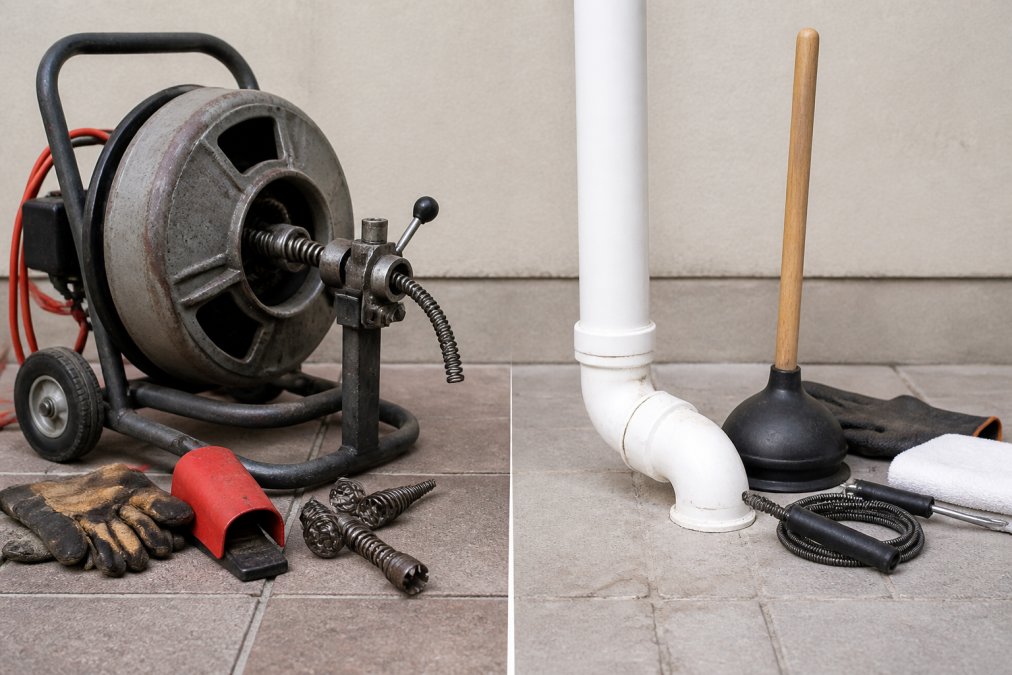
 comparison
Emergency vs Routine Drain Cleaning Services
Table of Contents
- Emergency vs Routine Drain Cleaning Services: Quick Comparison
- What Counts as a Drain Emergency (And What Can Wait)
- Signs of a Main Sewer Line Blockage You Should Never Ignore
- Cost of Emergency Drain Cleaning vs Routine Service
- Preventative Plumbing Maintenance Checklist for Every Home
- DIY vs Professional Thresholds: What You Can Safely Handle
- Long-Term Costs and Environmental Impact of Chemical Drain Cleaners
- Seasonal Drain Maintenance Schedules for Canadian Homes
- Frequently Asked Questions
Last Updated: September 15, 2026
Emergency vs Routine Drain Cleaning Services: Quick Comparison
The distinction between emergency vs routine drain cleaning services comes down to timing, method, and cost: emergency service responds to an active backup or overflow, while routine drain cleaning is scheduled to prevent blockages. At UMark Plumbing and Drain Inc., we've handled both for over 20 years, and homes that book routine drain maintenance rarely need emergency calls.
A drain emergency means water where it shouldn't be, right now. Routine service means clearing buildup before it becomes one.
| Factor | Emergency Drain Cleaning | Routine Drain Cleaning |
|---|---|---|
| Trigger | Active backup, overflow, sewage | Scheduled interval |
| Response time | Same day, often after hours | Booked in advance |
| Typical method | Snaking, hydro jetting, camera inspection | Hydro jetting, enzyme treatment |
| Cost profile | Higher (after-hours rates) | Lower, predictable |
| Goal | Stop water damage | Protect pipe integrity |
When Each Service Makes Sense
Emergency drain cleaning makes sense when a plumbing emergency is underway: sewage backing into a basement, a toilet overflowing repeatedly, or water pooling around a floor drain. Every minute of standing water raises the risk to flooring, drywall, and electrical systems.
Routine drain cleaning makes sense on a calendar, not a crisis. If your drains are slow but still moving, you have time to book service and avoid the emergency premium. A common mistake is waiting for a full blockage when a slow drain has warned you for weeks.
What Counts as a Drain Emergency (And What Can Wait)
A true drain emergency involves active water damage or a health hazard. If waste water is backing up into living space, or you have no working drain in the home, call for emergency service immediately.
What can usually wait until business hours:
- One slow drain in a single fixture
- A gurgling sound with no backup
- Musty odors near a drain with normal flow
What cannot wait:
- Sewage backup in a basement or bathroom
- Water rising around a floor drain during use
- Multiple fixtures backing up at once, which points to a main sewer line problem
True Emergencies: Sewage Backup and Burst Pipes
Sewage backup and burst pipes are the two situations where emergency drain cleaning and plumbing repair stop being optional. Sewage carries pathogens, and standing waste water can contaminate stored items, drywall, and HVAC equipment within hours (Flood cleanup: keep in mind indoor air quality). Burst pipes combine an active leak with a drain problem when escaping water overwhelms the floor drain.
Both situations justify an immediate call to a 24/7 service. Shut off the water supply if you can reach the valve safely, then keep people and pets away from the affected area until a certified technician arrives.
Signs of a Main Sewer Line Blockage You Should Never Ignore
The signs of a main sewer line blockage are distinct from a single clogged fixture: multiple drains backing up at once, sewage odors throughout the home, gurgling toilets when you run the washing machine, and water rising in the lowest drain.
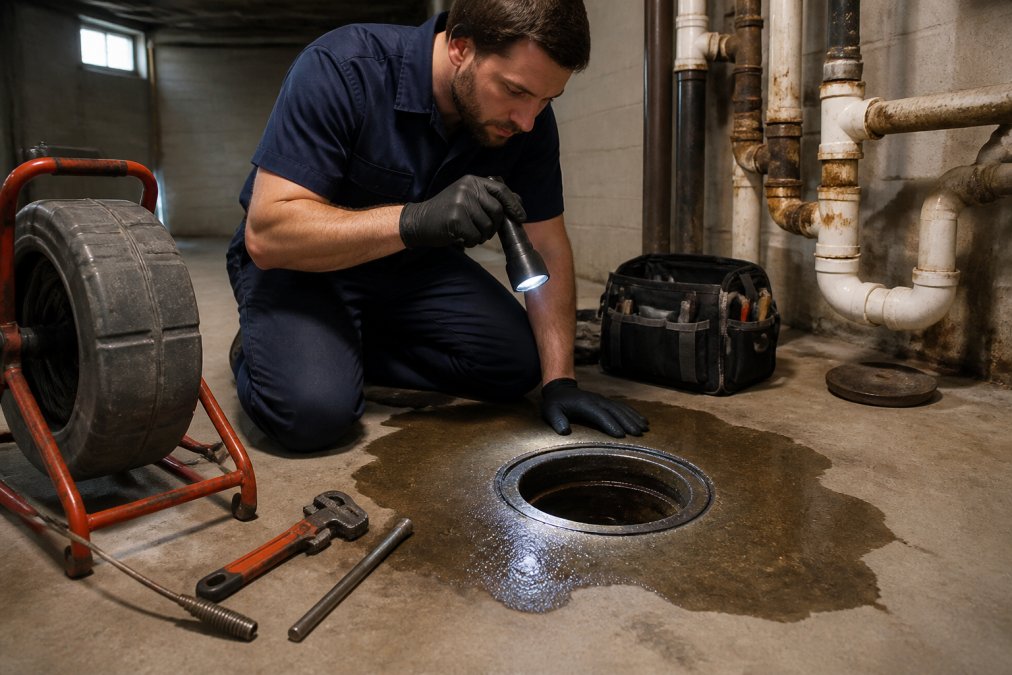
When several fixtures misbehave together, the obstruction is almost never in the fixture itself but in the shared sewer line, which changes the repair entirely. Common causes include grease buildup, root intrusion, and accumulated debris.
A video camera inspection is the only reliable way to confirm what's blocking the line and where. Skipping that step is how "fixed" drains fail again two weeks later.
Cost of Emergency Drain Cleaning vs Routine Service
The cost gap between emergency and routine drain cleaning is not just the after-hours premium. It is the difference between a controlled, scheduled expense and an uncontrolled cascade of labor, restoration, and insurance costs.
What Drives the Emergency Premium
Emergency drain cleaning costs more than routine service for four stacked reasons:
- After-hours labor rates. Evening, weekend, and holiday calls typically carry a premium over standard business-hour rates.
- Urgency dispatch. A technician is pulled off scheduled work or called in, which adds mobilization cost.
- Diagnostic uncertainty. The blockage type is unknown until the technician arrives, so the quote cannot be finalized in advance.
- Damage mitigation. If water has already reached flooring, drywall, or stored items, the job expands beyond the drain itself.
Routine drain cleaning, by contrast, is predictable. You book it, you know roughly what it involves, and you avoid every one of those surcharges. For current rates, check UMark Plumbing and Drain Inc.'s pricing page or request a free quote.
The Long-Term Math Nobody Shows You
Here is the comparison most service pages avoid. A single emergency event is rarely just one line item:
| Cost Category | Routine Maintenance Path | Emergency Path |
|---|---|---|
| Drain cleaning | Scheduled rate, business hours | After-hours rate plus urgency premium |
| Diagnostic | Included in scheduled visit | Often billed separately |
| Water damage restoration | Not applicable | Flooring, drywall, baseboards, possibly HVAC |
| Insurance deductible | Not applicable | Applies if a claim is filed |
| Premature pipe repair | Deferred by maintained flow | Accelerated by repeated snaking and chemical use |
| Time and disruption | Planned, one visit | Unplanned, multiple visits, displaced use of space |
A common pattern: a household that skips routine cleaning for years ends up paying for an emergency call, a restoration bill, a deductible, then a pipe repair, all within one season. The routine path spreads a smaller, predictable cost across the same period.
Why the Cheapest Quote Is Rarely the Cheapest Outcome
A low emergency quote that only snakes the line without a camera inspection often means the blockage returns within weeks, the same problem with two invoices attached.
Preventative Plumbing Maintenance Checklist for Every Home
The DIY vs Professional Threshold
Handle it yourself when:
Call a professional when:
Monthly Tasks (Five Minutes)
Seasonal Tasks
Why Each Task Matters
DIY vs Professional Thresholds: What You Can Safely Handle
Long-Term Costs and Environmental Impact of Chemical Drain Cleaners
Seasonal Drain Maintenance Schedules for Canadian Homes
| Season | Main Risk | Maintenance Task | | --- | --- | | Spring | Meltwater overload, debris | Clear catch basins, check basement drains | | Summer | Grease and root growth | Professional cleaning, camera inspection | | Fall | Leaves, gutter overflow | Clear gutters and exterior drains | | Winter | Frost, pipe stress | Insulate exposed pipes, monitor slow drains |
Frequently Asked Questions
How much does it cost to have someone clean your drains?
The cost of emergency drain cleaning depends on the time of day, blockage severity, and whether after-hours surcharges apply. Routine drain cleaning is typically more predictable because it's scheduled during regular hours. UMark Plumbing and Drain Inc. offers transparent pricing on their website, and you can request a free quote before any work begins. Always ask for a written estimate to avoid surprise charges.
Is a clogged drain considered an emergency?
A single slow drain is usually not an emergency and can wait for a routine appointment. However, if you have sewage backing up into multiple fixtures, water overflowing onto the floor, or a complete loss of drainage in the home, that's an emergency requiring immediate professional attention. Signs of a main sewer line blockage like gurgling toilets and musty odors also warrant an urgent call.
Why do plumbers say not to use chemical drain cleaners?
Chemical drain cleaners can corrode pipes over time, especially older metal or PVC lines, and they rarely clear the full obstruction. They may provide temporary relief but often push the clog deeper, leading to bigger problems. Professional drain snaking or hydro jetting removes the blockage completely and allows for a video camera inspection to check pipe integrity.
How often should you schedule routine drain maintenance?
Most homes benefit from professional drain cleaning every 12 to 18 months, depending on usage and the age of the plumbing system. A preventative plumbing maintenance checklist should include annual inspections of main drains, especially if you have large trees near sewer lines. Regular maintenance helps catch root intrusion and grease buildup before they cause a backup.
What is the 135 rule for plumbing?
The 135 rule is a rough guideline for drain pipe slope: a pipe should drop 1 unit vertically for every 35 units horizontally, or about 1/4 inch per foot. This slope allows gravity to move waste efficiently. If your home's pipes don't meet this, you may experience recurring slow drains. A professional camera inspection can verify whether slope issues are contributing to blockages.
A drain that backs up at 2 a.m. costs more than one cleaned on a Tuesday afternoon. Whether you need emergency response tonight or a routine maintenance plan for the year ahead, UMark Plumbing and Drain Inc. offers 24/7 emergency service, a certified team, and over 20 years of experience across residential and commercial systems. Get started with UMark Plumbing and Drain Inc. and keep your plumbing in top condition before a slow drain becomes a flooded basement.