 comparison
Is a Water Softener Worth It? A 2026 Cost and Benefit Guide
Last Updated: October 27, 2026
Quick Summary
A water softener is worth it only when your measured water hardness is high and scale, soap performance, or appliance protection is the goal. It is not worth it when water is already soft, water use is low, or the only goal is better-tasting drinking water, since softeners do not improve taste or remove contaminants.
- Test your water's hardness in grains per gallon or milligrams per litre before deciding.
- Budget for equipment, installation, salt, maintenance, water and power, and eventual replacement.
- Choose salt-based for genuinely soft water; salt-free avoids salt and brine discharge but leaves minerals.
- Skip a softener if taste, sediment, or a specific contaminant is your main complaint.
- Check local rules on brine discharge into the wastewater system before installing.
Table of Contents
- Signs You Need a Water Softener
- Water Softener Pros and Cons
- Water Softener Cost and Installation: What to Budget
- Salt-Based vs Salt-Free Water Softeners
- How to Size a Softener for Your Household
- When a Water Softener Is Not Worth It
- Book a Water Test and Softener Assessment
- Frequently Asked Questions
Signs You Need a Water Softener
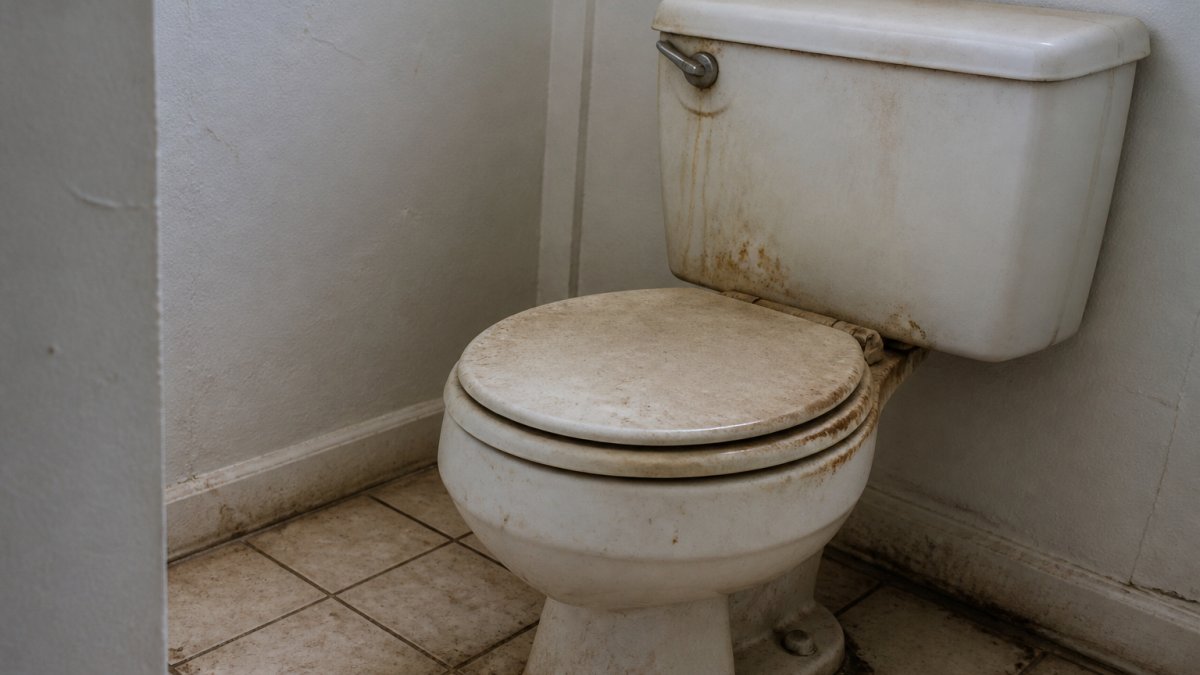
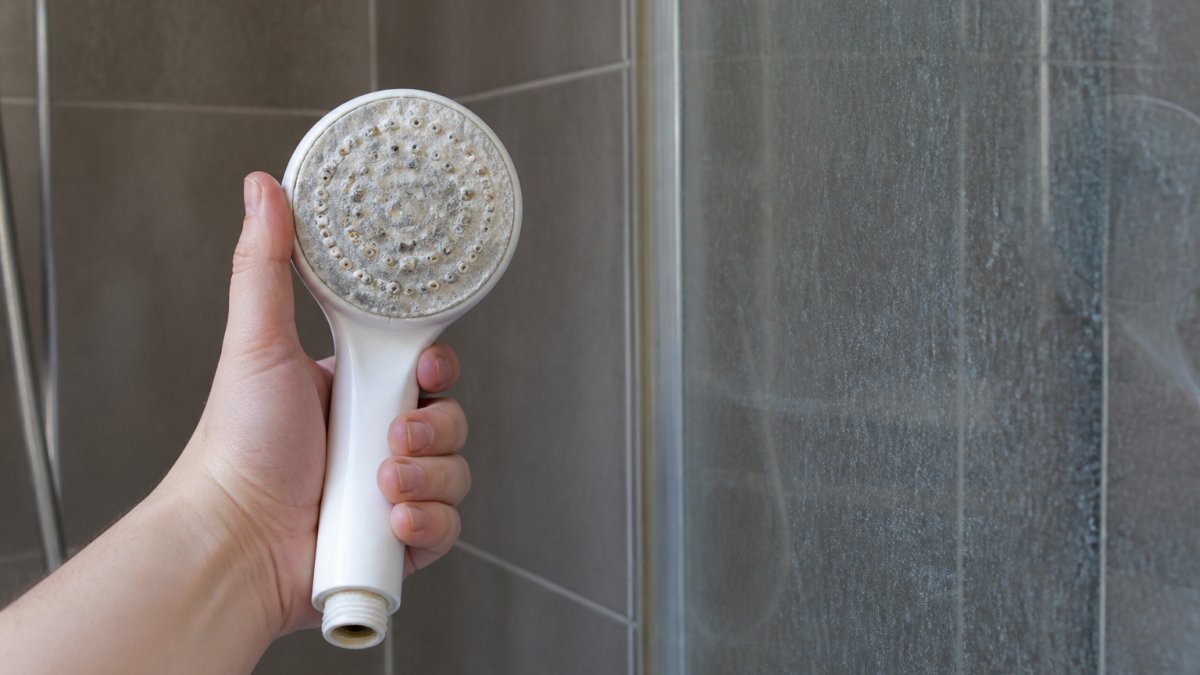
Hard water is water carrying dissolved calcium and magnesium picked up as it moves through soil and rock (Hardness of Water). Whether a water softener is worth it starts with one number: your water's hardness, measured in grains per gallon or milligrams per litre of calcium carbonate.
The symptoms show up long before anyone tests the water:
- White scale on faucets, showerheads, and kettle elements
- Soap that refuses to lather, or laundry that feels stiff after washing
- Chalky film on glassware and shower doors
- Dry skin and dull hair after showering
- Faint mineral taste in tap water
Water Softener Pros and Cons
Consumer Reports notes that whether a softener is worthwhile depends on the water's hardness, its effects in the home, and what the household actually wants to improve. A softener is not automatically worth buying.
Pros:
Cons:
Water Softener Cost and Installation: What to Budget
Budget for these line items:
| Cost Component | What It Covers | Ongoing? |
|---|---|---|
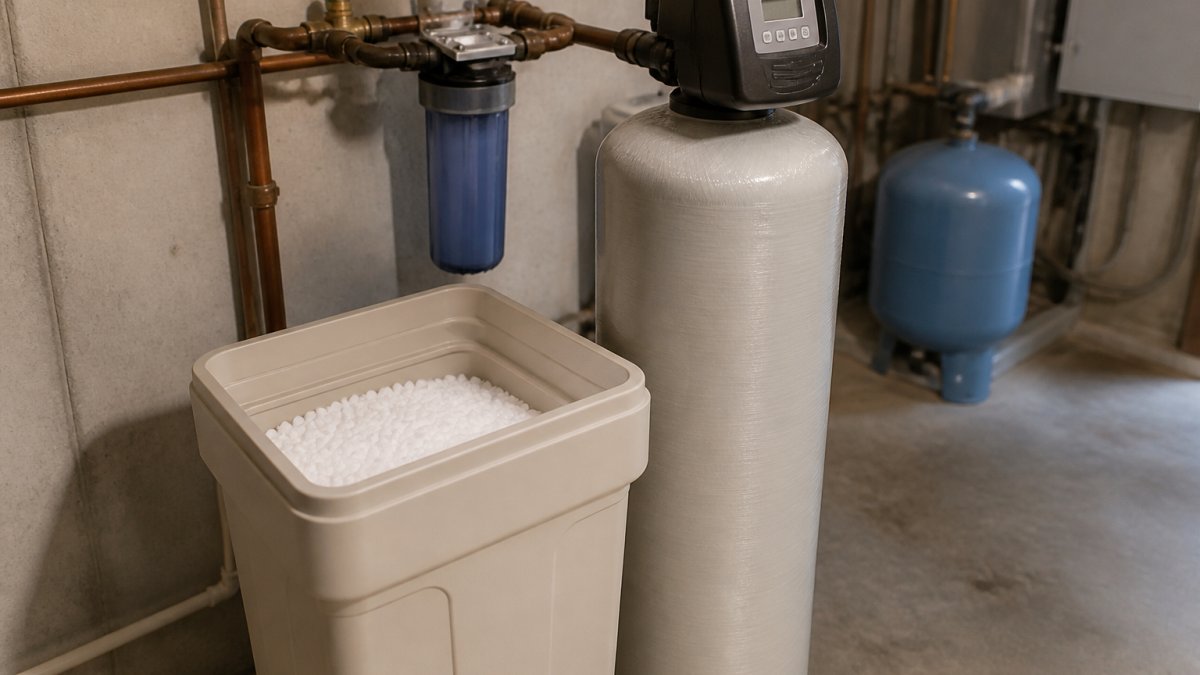
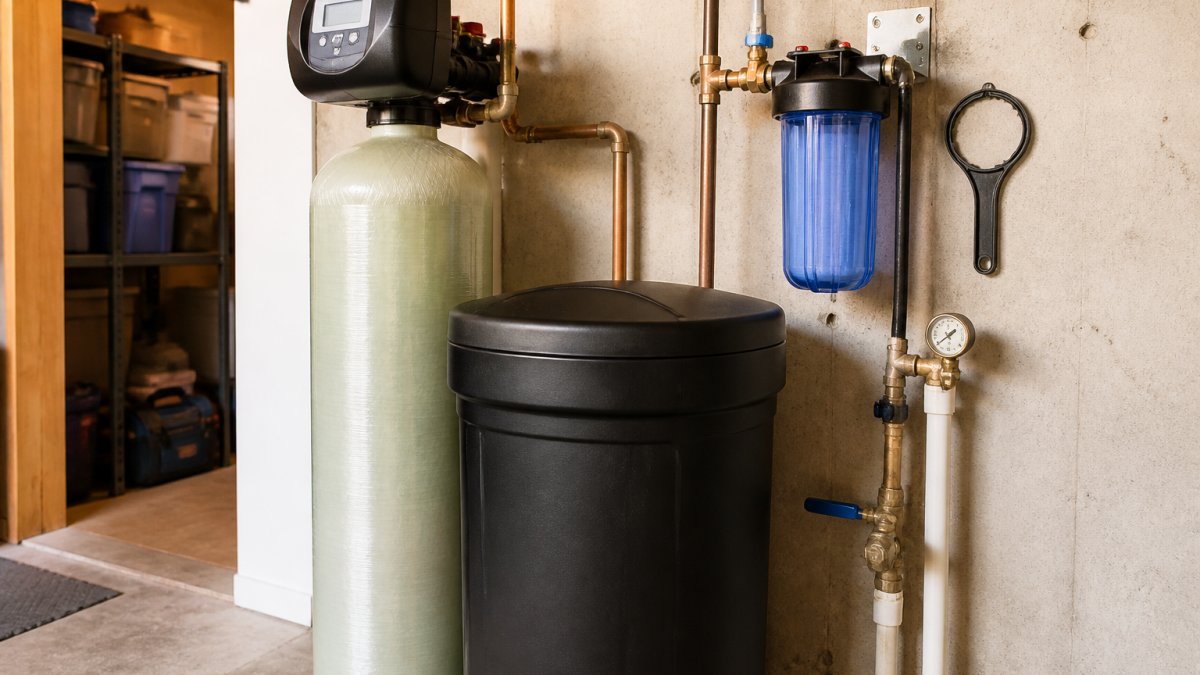
| Equipment | Softener unit, resin tank, brine tank | One-time |
| Installation | Plumbing tie-in, drain line, electrical | One-time |
| Salt | Pellets or potassium chloride | Monthly |
| Maintenance | Resin cleaning, valve service | Periodic |
| Water and power | Regeneration cycles | Monthly |
A transparent lifetime-cost frame
Rather than quote a single number, build the total from five inputs you can actually verify:
- Purchase price of the unit sized to your hardness and household use.
- Installation quoted in writing, including any drain, electrical, or bypass work.
- Salt at your regeneration frequency, a system that regenerates too often burns salt and water, so sizing and settings matter as much as the salt price.
- Maintenance such as resin cleaning and valve service over the unit's life.
- Replacement at end of life, spread across the years you expect to own it.
What changes the number most
If you are weighing a softener against a filtration system, our water filtration system cost guide breaks down what each option actually costs.
Salt-Based vs Salt-Free Water Softeners
Choose salt-based if you want genuinely soft water, better soap performance, and scale protection. Choose salt-free if you want to avoid salt, sodium, and wastewater discharge, and can accept that the minerals remain. Our breakdown of alternatives to salt-based water softeners covers the full range of salt-free options before you commit.
How to Size a Softener for Your Household
Use this checklist before buying:
When a Water Softener Is Not Worth It
A water softener is not worth it when the water is already soft, when the household is small and water use is low, or when the only goal is drinking water. Softeners do not improve taste or remove contaminants; a filter does that job. The honest way to decide is to start from a measured hardness number and a clear goal, then match the tool to the problem.
Start from your measured hardness
A common pattern is a household that tests moderately hard, buys a softener for taste, and is disappointed. Softening addresses hardness, not safety or taste. If taste or sediment is the complaint, a filter is the right tool.
Cases where skipping makes sense
- The main complaint is taste, sediment, or a specific contaminant rather than scale.
Environmental and wastewater trade-offs
Regeneration discharges salty brine into the wastewater system, and some municipalities restrict where that discharge can go. Check local rules before installing, and consider whether a salt-free conditioner or targeted scale control meets your goal without the brine. If you want to avoid salt and wastewater discharge and can accept that minerals remain in the water, our breakdown of alternatives to salt-based water softeners covers the full range of options before you commit.
Compare the alternatives honestly
Match the tool to the measured problem, and skip the softener when the problem it solves is not the one you have.
Book a Water Test and Softener Assessment
At UMark Plumbing and Drain Inc., our certified team has more than 20 years of experience with residential and commercial plumbing, and we are available around the clock for emergencies. You can also reach our experienced plumbers near North York to book your water test and softener assessment.
Frequently Asked Questions
Do water softeners actually help?
They do for the problems hardness causes. A salt-based water softener removes calcium and magnesium through ion exchange, which cuts scale buildup in your water heater, pipes and fixtures. That can mean less soap scum, cleaner laundry and longer appliance life. Consumer Reports notes the payoff depends on how hard your water is and what you want to improve, so test your water first. A softener will not fix taste or sediment problems on its own.
What are two disadvantages of soft water?
Two common drawbacks: softened water adds sodium, which matters if anyone in the household is on a sodium-restricted diet, and the unit needs a regeneration cycle that uses water and salt on an ongoing schedule. You also need space for the tank and a drain nearby. Some people dislike the slippery feel of softened water, though that is a sensation from the absence of hardness minerals, not soap left on your skin.
How can you tell if your home needs a water softener?
Look for white scale on faucets and showerheads, soap that will not lather, stiff laundry, film on glassware and recurring water heater or fixture repairs. These are the signs you need a water softener worth checking against a real number. A water test reports hardness in grains per gallon or parts per million; above roughly 7 grains per gallon, most households notice the effects. Test before buying so you size the system correctly.
What are the alternatives to a salt-based water softener?
Salt-free conditioners use media such as zeolite beads to change how minerals behave without removing them, so they do not produce the same slippery feel or add sodium, but they also do not lower measured hardness. Other options include targeted scale inhibitors, reverse osmosis at the drinking tap, or simply addressing the fixtures and appliances that suffer most. If hardness is high, a salt-based softener remains the option that actually removes calcium and magnesium.
Hard water damage gets worse quietly, and the cost of ignoring it shows up in your water heater, your fixtures, and your salt bill. Get a straight answer on whether softening makes sense for your home. Get started with UMark Plumbing and Drain Inc. and book a water test with a certified technician who will give you an honest recommendation, a clear quote, and 24/7 support if something goes wrong.