 comparison
Alternatives to Salt-Based Water Softeners: 2026 Guide
Last Updated: October 23, 2026
Quick Summary
Alternatives to salt-based water softeners include salt-free conditioners that prevent scale without removing hardness minerals, reverse osmosis for drinking water at a single tap, and carbon or showerhead filters that do not address hardness at all. Only ion exchange truly softens water, so test your hardness first and compare total cost of ownership before buying.
- Salt-based ion exchange still held a 73.55% share of the U.S. market in 2025.
- Salt-free conditioners alter scale behavior but leave calcium and magnesium in the water.
- The SpringWell FutureSoft was listed at $1,597.31 and the Kind E-2000 at $1,264 as of October 2026.
- Water above roughly 120 mg/L of calcium carbonate is considered hard, and above 180 mg/L very hard.
- Salt for ion exchange systems costs $7-$10 per 40-lb bag.
Table of Contents
- Why Homeowners Are Looking Beyond Salt-Based Water Softeners
- Softening, Conditioning, and Filtration: What Each One Actually Does
- Salt-Free Water Softener Systems: What They Can and Cannot Do
- Do Salt-Free Water Conditioners Soften Water?
- Reverse Osmosis for Hard Water: Where It Fits
- Electronic Descalers, Carbon Filtration, and Showerhead Filters
- Start With a Water Hardness Test Before You Buy
- Comparing Alternatives to Salt-Based Water Softeners: Cost and Performance
- Frequently Asked Questions
Why Homeowners Are Looking Beyond Salt-Based Water Softeners
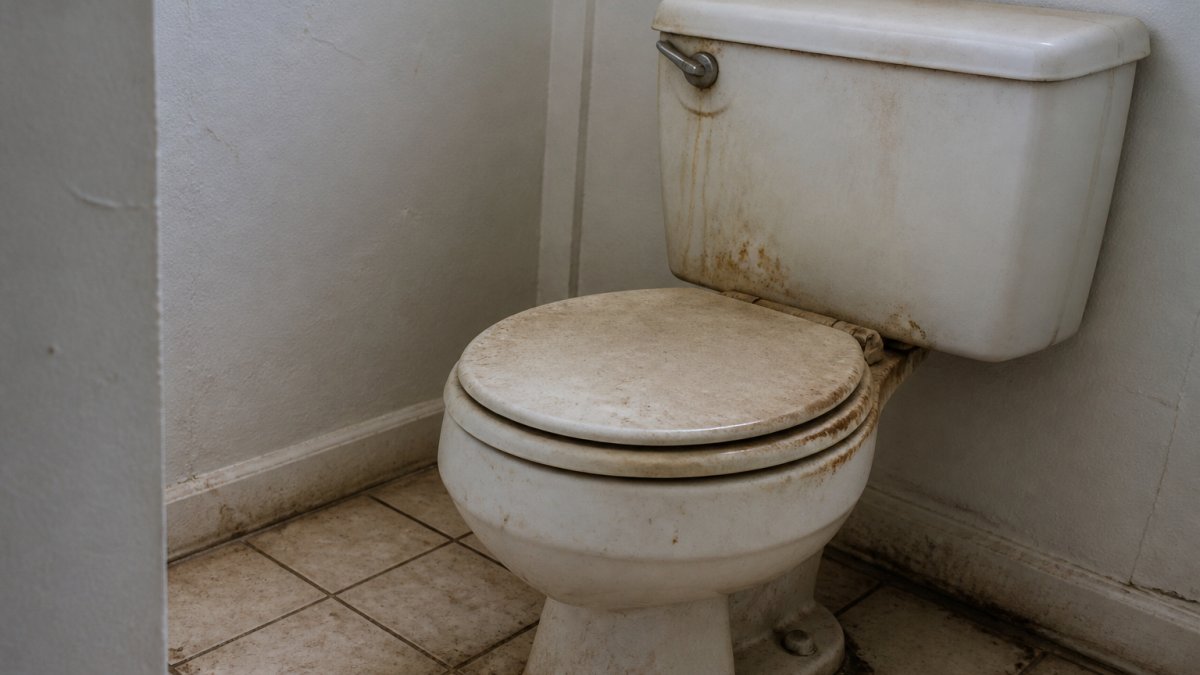
Hard water leaves calcium and magnesium deposits on fixtures, inside pipes, and across appliance heating elements. This guide to alternatives to salt based water softeners covers what each option actually does, what it costs to run, and how to choose without wasting money. The global water softening systems market is valued at USD 14.8 billion in 2026, with a projected 6.2% compound annual growth rate through 2036 (Future Market Insights water softening market report). Salt-based ion exchange still dominates, holding a 73.55% share of the U.S. market in 2025 (Mordor Intelligence US water softening systems analysis), but a steady stream of homeowners now asks us about salt-free and filtration-first approaches. The reasons are practical: no salt bags to haul, no brine discharge, and no separate tap for drinking water. Hard water also shortens the life of faucets and shower fittings.
Softening, Conditioning, and Filtration: What Each One Actually Does
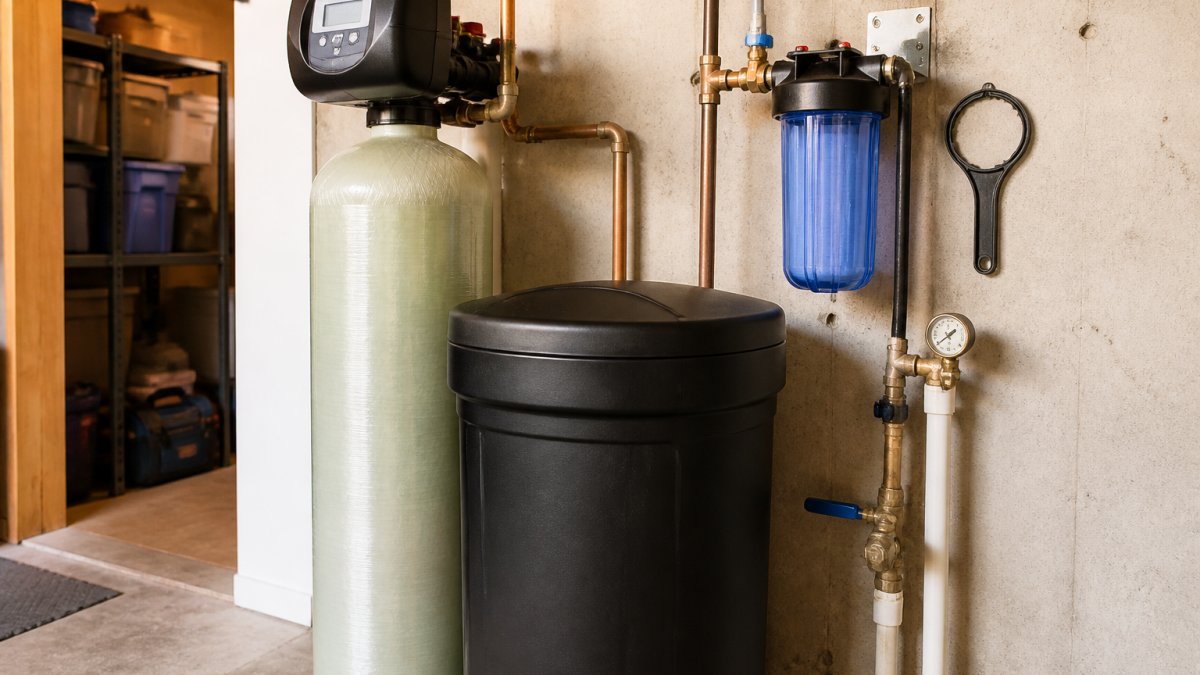
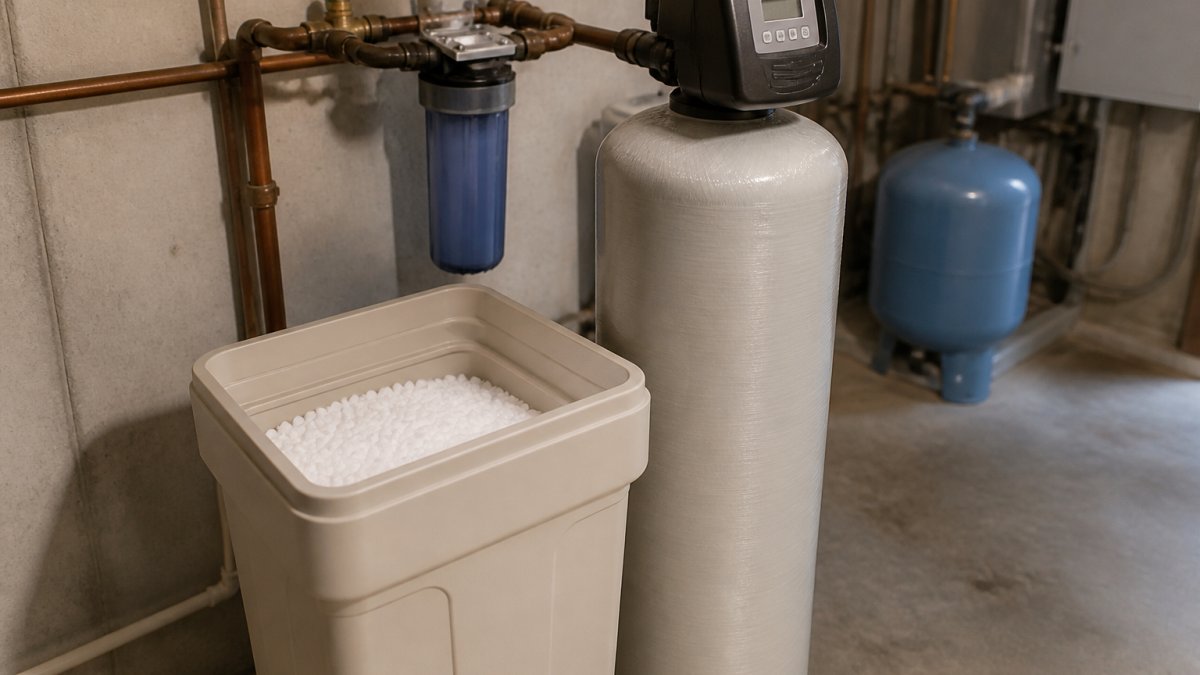
These three terms get used interchangeably, and that confusion drives most bad purchases. Water softening is ion exchange: water passes through resin beads that swap calcium and magnesium for sodium. The hardness minerals are removed from the water entirely. Water conditioning changes how minerals behave without removing them. Scale-forming crystals are altered so they cling less to pipes and heating elements. Water filtration removes contaminants like chlorine, sediment, and some metals, but does not address hardness minerals at all. That distinction matters because a filter sold as a softener will not stop limescale. The Water Reuse Research Foundation study on ion exchange alternatives was commissioned specifically to identify credible alternatives to ion-exchange softening, which tells you how seriously the industry treats this question.
Salt-Free Water Softener Systems: What They Can and Cannot Do
Salt-free systems are the most misunderstood category on the shelf, and the confusion is structural: they are sold as "softeners" but they do not soften. The University of Nebraska-Lincoln Extension describes these technologies as alternatives to traditional ion-exchange softeners and notes they generally do not remove most hardness minerals (University of Nebraska-Lincoln Extension on salt-free softener alternatives).
The two mechanisms you will encounter are template-assisted crystallization (TAC) and chelation. TAC media, typically a polymer bead, gives dissolved calcium a surface to crystallize on so it leaves the unit as microscopic, stable crystals that pass through the plumbing without clinging to pipe walls or heating elements. Chelation-based media binds minerals in a way that keeps them from precipitating as scale.
Product performance data published in October 2026 reports that the SpringWell FutureSoft salt-free conditioner achieves a 99.6% scale prevention rate (Quality Water Treatment salt-free softener comparison), which is a scale-control claim, not a softening claim. That distinction matters because scale prevention and softening produce different outcomes in the home.
Where salt-free systems fall short is worth stating plainly. They generally do not restore flow to fixtures already scaled shut, they do not deliver the spot-free dishware and reduced soap consumption associated with softened water, and their performance can be sensitive to water chemistry, high iron, high sediment, or very high hardness can foul media or overwhelm the conditioning capacity.
Do Salt-Free Water Conditioners Soften Water?
No. Salt-free water conditioners do not soften water in the technical sense, because they leave calcium and magnesium in the water. They condition it, which means they change the minerals' tendency to form scale on pipes, fixtures, and heating elements. The University of Minnesota Water Resources Center notes that ion exchange remains the most common and accepted process for scale control and for reducing residual compounds after cleaning and bathing (University of Minnesota Water Resources Center on residential softening). If you want the slippery feel, the reduced soap use, and the spot-free rinse that people associate with soft water, a conditioner will not deliver it. If you want to stop limescale from coating your shower glass and shortening your water heater's life, a conditioner can help. That is the honest trade-off, and any salesperson who blurs it is selling you the wrong box.
Reverse Osmosis for Hard Water: Where It Fits
Reverse osmosis is a point-of-use technology, not a whole-house fix. A reverse osmosis system pushes water through a membrane that rejects most dissolved solids, including hardness minerals, along with a long list of other contaminants. The result is excellent drinking water. The catch is volume: these systems produce a limited flow and are typically installed under a kitchen sink, so they do nothing for your shower, laundry, or water heater. Where reverse osmosis earns its place is as a complement. A homeowner who installs a salt-free conditioner for whole-house scale control can add reverse osmosis at the kitchen tap for drinking and cooking water. That combination addresses both problems without salt. Running reverse osmosis alone as a hard water solution is a common mistake, and it leaves the rest of the plumbing unprotected.
Electronic Descalers, Carbon Filtration, and Showerhead Filters
Electronic and magnetic descalers wrap coils or magnets around a pipe and claim to alter scale formation. Independent evidence for their effectiveness is thin, and we treat them as a low-cost experiment rather than a solution. Carbon filtration targets chlorine, taste, and odor, and it is genuinely useful for water quality, but it does not touch hardness. Showerhead filters are the most practical entry point for renters and for anyone testing the waters before committing to a whole-house system. They reduce chlorine and sediment at the point of use, and some handle scale with a cartridge. If pressure is already an issue, choose carefully: a restrictive filter can make a weak shower worse. Our guide to replacing a showerhead for low water pressure covers how to pick one that filters without choking the flow.
Start With a Water Hardness Test Before You Buy
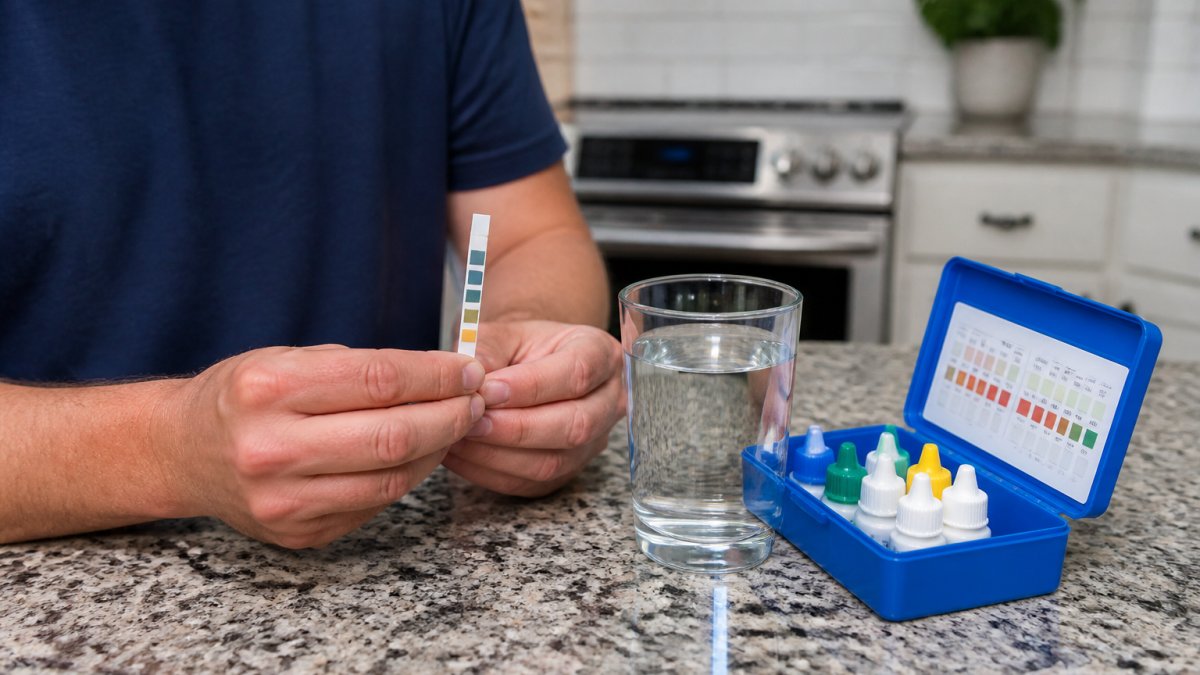
Test first, buy second. A water hardness test tells you the actual concentration of calcium and magnesium in your water, and that number should drive the decision. Test strips are cheap and give a rough reading; a laboratory test gives you a precise figure plus a breakdown of other water quality markers. Municipal water reports also publish hardness ranges for your area, which is a useful starting point. As a general rule, water above roughly 120 mg/L of calcium carbonate is considered hard, and above 180 mg/L is very hard. If your reading comes back low, you may not need treatment at all. Our breakdown of the causes of low water pressure in homes helps you separate the two before you spend anything.
Comparing Alternatives to Salt-Based Water Softeners: Cost and Performance
Here is how the main options stack up on what they remove, what they cost to run, and who they suit.
| Option | Removes hardness minerals | Ongoing cost | Best for |
|---|---|---|---|
| Salt-based ion exchange | Yes | Salt at $7-$10 per 40-lb bag | Whole-house softening, spot-free results |
| Salt-free conditioner | No, alters scale behavior | None for salt | Scale control without salt or discharge |
| Reverse osmosis | Yes, at one tap | Filter and membrane replacement | Drinking and cooking water only |
| Carbon filtration | No | Filter replacement | Chlorine, taste, and odor |
| Electronic descaler | No | Electricity only | Low-cost trial, limited evidence |
| Showerhead filter | No | Cartridge replacement | Renters, point-of-use improvement |
The maintenance figure comes from April 2026 industry pricing for salt-based systems (RKIN water softener versus salt-free conditioner guide). For whole-home filtration pricing in Canadian dollars, see our water filtration system cost guide for homes.
A table of sticker prices hides the number that actually matters: total cost of ownership over five to ten years. Purchase price is only the entry ticket. Ion exchange carries a steady salt cost, plus resin replacement every several years and the electricity to run the control valve and brine cycle. Salt-free conditioners have no salt and no discharge, but the media bed is a consumable with a finite service life, and replacement kits are not cheap. Reverse osmosis is inexpensive to buy at one tap but carries the most frequent consumable schedule of any option here, pre-filters, carbon stages, and the membrane itself, and it wastes reject water in the process. Carbon filtration and showerhead filters are low-cost to enter and low-cost to maintain, but they do not address hardness at all, so they should be budgeted as water-quality improvements rather than hardness solutions.
The honest way to compare is to price each option over the same horizon using local numbers. Ask three questions of any quote: what is the purchase and installation cost, what consumables will I replace and how often, and what does the unit cost to run in electricity and water. A salt-free system that looks expensive up front can win on ten-year cost if media life is long and hardness is moderate.
Total cost of ownership is where salt-free pulls ahead on simplicity: no salt, no brine discharge, and no sewer load. Where ion exchange wins is performance, and no salt-free marketing changes that. For installation, repairs, or a professional assessment of what your plumbing actually needs, our certified team is available around the clock.
Frequently Asked Questions
Do salt-free water conditioners actually soften water?
Most do not soften water in the technical sense. The University of Nebraska-Lincoln Extension notes that salt-free conditioners generally do not remove most hardness minerals, so calcium and magnesium stay in the water. What they can do is change how those minerals behave, which may reduce scale buildup on pipes and appliances. If your goal is genuinely soft water with lower mineral content, ion exchange remains the accepted process for scale control and reducing residual compounds, according to the University of Minnesota Water Resources Center.
How can you soften water without a water softener?
You have a few practical routes. A salt-free water softener system conditions water to limit scale without removing minerals. Reverse osmosis for hard water removes calcium and magnesium at the point of use, typically under the kitchen sink, so it softens drinking water rather than the whole house. Point-of-use options like showerhead filters and carbon filtration target specific fixtures. Each changes water differently, so match the choice to whether you need whole-house scale control or better water at one tap.
Can a reverse osmosis system remove hardness from drinking water?
Yes. Reverse osmosis membranes reject calcium and magnesium along with other dissolved solids, so the water coming out of the tap is effectively softened. The trade-off is scale. A reverse osmosis unit typically treats one tap and produces wastewater, so it is not a whole-house substitute for a softener. If hard water is damaging your water heater, dishwasher, and pipes, point-of-use reverse osmosis will not protect them. Combine it with whole-house scale control if both problems apply.
How do I know which alternative suits my water?
Test first. A water hardness test tells you the actual concentration of calcium and magnesium, usually reported in mg/L or grains per gallon, and flags iron or other issues that change the recommendation. Hardness under roughly 60 mg/L rarely justifies whole-house treatment. Higher readings with visible scale point toward ion exchange or a proven salt-free conditioner. If taste, sediment, or chlorine is the complaint, carbon filtration or reverse osmosis addresses that better than a softener would.