 how-to
Prevent Frozen Pipes in Unheated Crawl Space
Table of Contents
- Why Frozen Pipes in Unheated Crawl Spaces Are a Serious Risk
- Insulating Water Pipes to Stop Freezing
- Using Heat Tape for Water Pipes in Crawl Spaces
- Installing Crawl Space Vent Covers for Winter
- Recognizing Signs of Frozen Pipes in Crawl Space
- Additional Winterization Steps for Crawl Space Plumbing
- When to Call a Professional for Frozen Pipe Prevention
- Conclusion
- Frequently Asked Questions
Last Updated: September 24, 2026
Why Frozen Pipes in Unheated Crawl Spaces Are a Serious Risk
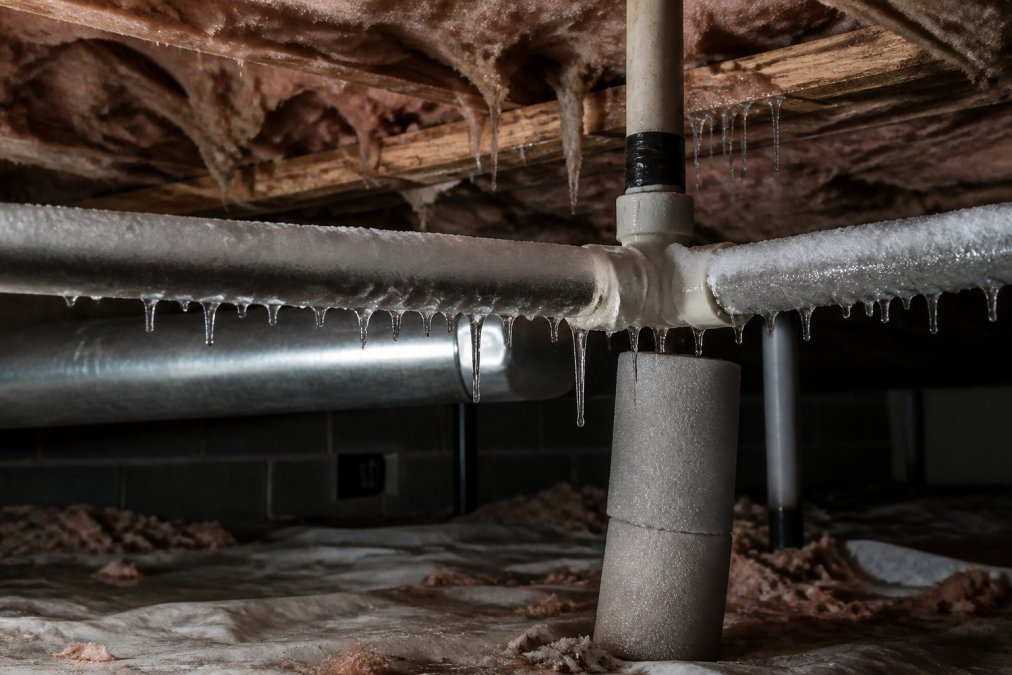
Frozen pipes in crawl spaces present one of the most expensive plumbing emergencies a homeowner can face. When water inside a pipe freezes, it expands, putting pressure on the pipe walls until they crack or burst. A single burst pipe can flood your crawl space, damage your foundation, and cost thousands to repair.
The risk is especially high in crawl spaces because they sit below ground level, exposed to the coldest ambient temperatures during winter. Unlike heated basements or attics, unconditioned spaces receive no warmth from your home's furnace. Temperatures in an unheated crawl space can drop to match the outdoor air, sometimes going well below freezing for weeks at a time.
UMark Plumbing and Drain Inc. has responded to countless burst-pipe emergencies from frozen pipes in crawl spaces that could have been prevented with basic winterization. The good news is straightforward: preventing frozen pipes in crawl space areas is manageable if you act before the hard freeze arrives.
The most vulnerable pipes are those running through walls, along the perimeter, or in areas with poor air circulation. Water supply lines freeze faster than drain lines because they sit still inside the pipe. Once a pipe freezes, thawing it safely takes time and expertise. Prevention is always cheaper than an emergency call.
Insulating Water Pipes to Stop Freezing
Pipe insulation is your first and most effective defense against freezing. When you wrap pipes with the right material, you create a thermal barrier that slows heat loss. This keeps the water inside warmer, even when the surrounding air drops well below freezing.
The insulation works by trapping air pockets around the pipe. Those air pockets resist temperature change. A properly insulated pipe can stay above freezing for hours longer than a bare pipe, giving you time to take other preventive steps if a cold snap hits.
Foam Sleeves vs. Fiberglass Wrap
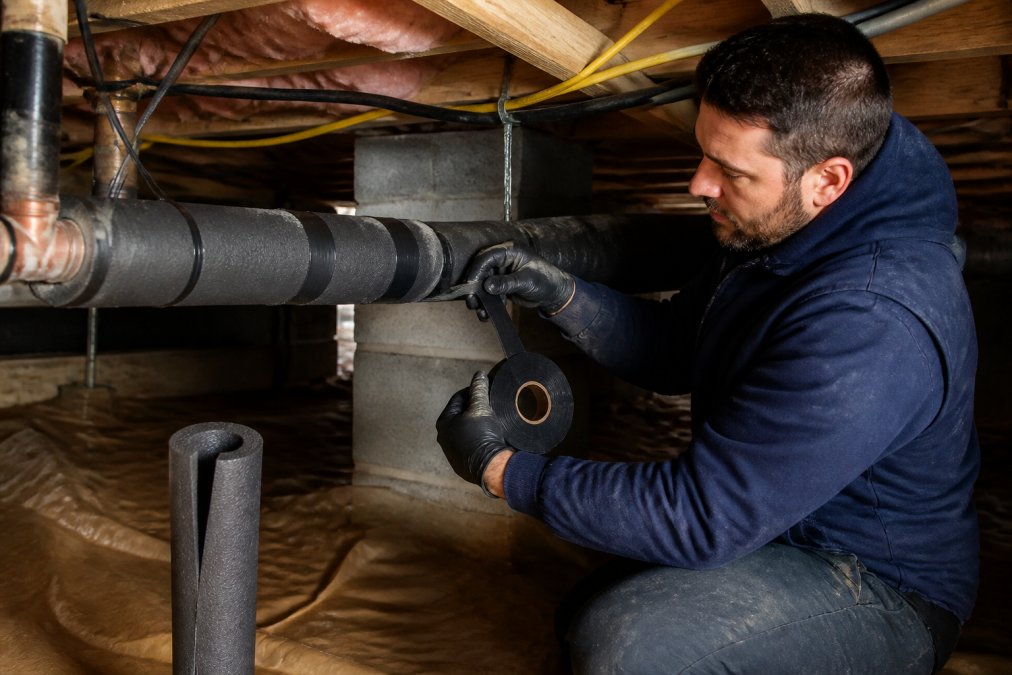
Foam sleeves are pre-formed tubes that slide over your pipes. They come in standard sizes and require minimal installation. You simply measure your pipe diameter, buy the matching sleeve, and slide it on. Foam sleeves work well for straight runs and are easy to remove or adjust later.
Fiberglass wrap comes in rolls and wraps around pipes in a spiral pattern. You secure it with tape or adhesive. Fiberglass offers better coverage for pipes with elbows, valves, and fittings because it conforms to irregular shapes. It's also slightly cheaper per foot.
For most crawl space applications, foam sleeves are faster to install and provide consistent protection. Fiberglass wrap is better if your pipes have many bends or you need to insulate around complex plumbing configurations.
Material Compatibility: Pipe Type Matters
Not all insulation materials work equally well with every pipe material. Compatibility affects both performance and safety.
Copper pipes tolerate both foam and fiberglass well. Copper conducts heat efficiently, so insulation around it performs predictably. Standard 1-inch foam sleeves or fiberglass wrap rated for copper work reliably. No special precautions are needed beyond ensuring a snug fit.
PEX (cross-linked polyethylene) pipes require care. PEX is flexible and expands slightly when water freezes inside it, which is an advantage because it resists bursting better than rigid pipes. However, some foam insulation products contain chemicals that can degrade PEX over time. Always verify the product label states "PEX-compatible" or "safe for plastic pipes." Fiberglass wrap is universally safe for PEX because it's inert. If using foam on PEX, choose closed-cell foam products specifically labeled for plastic pipe contact.
CPVC (chlorinated polyvinyl chloride) pipes behave similarly to PEX. Use only CPVC-compatible insulation. Fiberglass wrap is the safest choice. If using foam, confirm the product is rated for CPVC.
Galvanized steel pipes (older homes) work with any standard insulation. Steel doesn't degrade from contact with foam or fiberglass. However, galvanized pipes are more prone to freezing because steel conducts cold efficiently. Prioritize insulating galvanized lines with at least 1-inch thickness.
Understanding R-Value and Thickness
Insulation effectiveness is measured by R-value (thermal resistance). A higher R-value means better protection.
- 1-inch foam or fiberglass: R-value typically 3.5-4.0. Adequate for most crawl spaces in moderate winter climates.
- 1.5-inch foam or fiberglass: R-value typically 5.0-6.0. Recommended for regions with extended sub-zero temperatures or crawl spaces with poor air sealing.
- 2-inch foam: R-value 7.0-8.0. Overkill for most residential applications but used in extreme cold or for critical supply lines.
For crawl spaces in temperate regions (winter lows around −10 to −15°C), 1-inch insulation is standard.
Measuring Pipe Diameter and Selecting the Right Fit
Pipe diameter determines which insulation size you need. Most water supply pipes in residential crawl spaces are either 1/2 inch or 3/4 inch in diameter. Drain lines are often 1.5 to 2 inches.
Common installation mistakes to avoid:
- Leaving gaps at joints or fittings. Wrap insulation around elbows, tees, and valves completely. Use fiberglass wrap or cut foam sleeves lengthwise to cover these high-risk areas.
- Compressing foam sleeves. Squeezing foam reduces its R-value. Install it snugly but not tightly.
- Skipping small-diameter lines. 1/2-inch supply lines freeze just as easily as 3/4-inch lines. Don't assume smaller pipes are less critical.
- Insulating only visible sections. Trace pipes through walls and under joists. Insulate every section exposed to crawl space air.
Using Heat Tape for Water Pipes in Crawl Spaces
Heat tape is an electric heating cable that wraps around pipes and generates warmth. When temperatures drop, the tape activates and prevents freezing by maintaining the water temperature above 0°C. Heat tape works best as a backup to insulation, not as your only protection.
There are two main types: thermostat-controlled and self-regulating.
Thermostat-Controlled vs. Self-Regulating Options
Thermostat-controlled heat tape turns on and off based on a sensor that reads the ambient temperature. When the temperature drops below a set point (usually around 1.7°C), the tape powers on. When it warms up, it shuts off. This type uses less electricity because it only runs when needed.
Installation Steps and Safety Precautions
Heat tape installation is straightforward but requires attention to safety:
- Turn off power at the breaker before handling any tape or wiring.
- Clean the pipe with a dry cloth to remove dirt and moisture.
- Wrap the tape in a spiral pattern around the pipe, overlapping slightly with each wrap.
- Secure the tape with the clips or ties provided; do not use duct tape or staples.
- Plug in the tape and test it by feeling for warmth after a few minutes.
- Insulate over the tape with foam sleeves to trap the heat and improve efficiency.
Installing Crawl Space Vent Covers for Winter
Crawl space vents allow air circulation to prevent moisture buildup. However, in winter, they also let freezing air pour directly onto your pipes. Sealing vents during the cold months is one of the quickest ways to raise the ambient temperature in your crawl space.
When to Seal Vents and How to Maintain Airflow
Seal vents when outdoor temperatures consistently drop below 10°C at night. In most regions, this means closing them by mid-October and reopening them in late April. Check your local weather patterns to time this correctly.
Recognizing Signs of Frozen Pipes in Crawl Space
Catching a frozen pipe early prevents a burst. Watch for these warning signs:
- No water flow from faucets or fixtures (especially on upper floors).
- Frost or ice visible on exposed pipes in the crawl space.
- Bulging or cracked sections of pipe.
- Musty or wet smells suggesting a slow leak.
- Reduced water pressure throughout the house.
Additional Winterization Steps for Crawl Space Plumbing
Beyond insulation and heat tape, a few extra precautions protect your entire plumbing system during winter.
Disconnecting Outdoor Hoses and Draining Exterior Lines
Outdoor hoses left connected freeze solid and can damage the spigot or supply line behind it. Disconnect all hoses by early November and drain them completely. Coil them and store them indoors.
Moisture Barriers and Vapor Control
Moisture in a crawl space accelerates pipe freezing because wet air conducts cold more efficiently than dry air. A moisture barrier (vapor barrier) on the floor reduces humidity and keeps the space warmer.
When to Call a Professional for Frozen Pipe Prevention
Some winterization tasks require professional expertise. Call a plumber if:
- Your crawl space has complex plumbing with multiple branches or unclear pipe routing.
- You're unsure which pipes are vulnerable or how to insulate them safely.
- You need heat tape installed and don't have electrical knowledge.
- Your crawl space has active water intrusion or high humidity.
- You want a professional inspection before winter to identify weak points.
Conclusion
Preventing frozen pipes in crawl spaces is a critical part of winter home maintenance. By implementing proper insulation, considering heat tape, and taking additional steps like sealing vents and managing moisture, you can significantly reduce the risk of costly emergency repairs. UMark Plumbing and Drain Inc. recommends proactive winterization to ensure your plumbing system remains functional and protected throughout the cold season. For complex issues or professional assistance, don't hesitate to contact a qualified plumber.
Frequently Asked Questions
Will pipes freeze in an unheated crawl space?
Yes, pipes in unheated crawl spaces are at significant risk of freezing when temperatures drop below freezing. Unheated spaces lack ambient temperature protection, making pipes vulnerable to hard freeze conditions. Without insulation, heat tape, or other preventive measures, water inside pipes can freeze solid, causing expansion and pipe bursts. This is one of the most common plumbing emergencies during winter months.
What are the signs of frozen pipes in a crawl space?
Common signs include reduced water pressure or no water flow from faucets, visible frost or ice on exposed pipes, strange smells from drains, or bulging pipe sections. You may also hear unusual sounds when running water. If you notice any of these signs of frozen pipes in crawl space, stop using hot water immediately and contact a professional to assess the situation and thaw pipes safely.
Is heat tape for water pipes safe to leave on all winter?
Thermostat-controlled heat tape is designed to run continuously and automatically switches on when temperatures drop below freezing, making it safe for extended winter use. Self-regulating cable also activates only when needed. Always follow manufacturer instructions, ensure proper electrical installation, and inspect tape regularly for damage. Never use damaged heat tape, and keep it away from flammable materials. Professional installation ensures safety compliance.
How much insulation do I need for pipes in a crawl space?
Pipes in unheated crawl spaces should have appropriate foam insulation or equivalent fiberglass wrap, depending on your local climate and how exposed pipes are to cold air. Measure your pipe diameter first, and insulation sleeves come sized to match. Cover all exposed sections, including elbows and joints, which lose heat fastest. R-value ratings on insulation products indicate thermal resistance; higher R-values provide better protection in extreme cold.