 how-to
How to Find Reliable Emergency Plumbers
Table of Contents
- What to Do Before You Call an Emergency Plumber
- How to Find Reliable Emergency Plumbers in Your Area
- Key Questions to Ask Emergency Plumbers
- Verify Licensing, Insurance, and Credentials
- Understanding Emergency Plumbing Cost Per Hour
- Signs of a Plumbing Scam to Avoid
- What to Expect After Your Emergency Repair
- Frequently Asked Questions
Last Updated: September 3, 2026
What to Do Before You Call an Emergency Plumber
The moment you discover a burst pipe or severe leak, panic is your worst enemy. Your first 15 minutes will determine whether you contain the damage or watch it spread through your home. Before you dial anyone, take these immediate steps to minimize water damage and give yourself time to find a reliable emergency plumber.
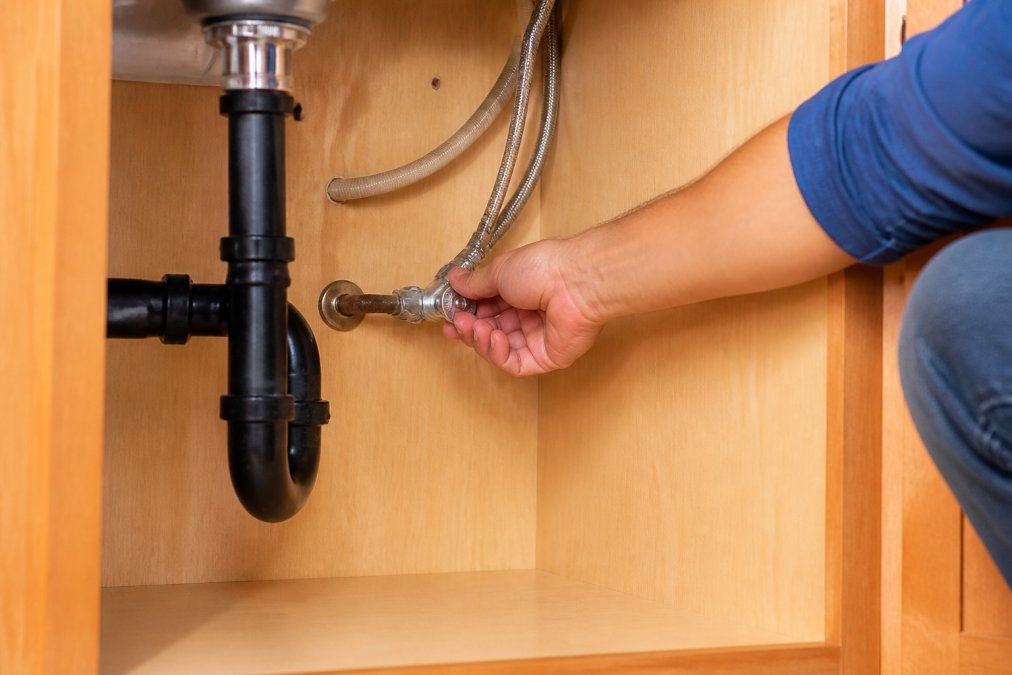
Start by locating your main water shut-off valve. This is typically found in the basement, crawl space, or near the foundation where the water line enters your home. Shut it off immediately by turning the valve clockwise. If you can't locate the main valve, look for individual shut-off valves under sinks, behind toilets, or near appliances. Turning off water at the source stops active flooding within seconds.
Next, document the damage with photos or video. Take clear pictures of wet areas, damaged drywall, and pooling water. This documentation helps your insurance claim and gives a reliable emergency plumber visual context before they arrive. Open windows and doors to improve air circulation, standing water leads to mold growth within 24 to 48 hours (the CDC).
Move valuables away from the affected area. Furniture, electronics, and personal items should be relocated to dry spaces. If water is actively flowing from a ceiling, place buckets underneath to catch it and prevent further ceiling damage. These steps buy you time while you search for a qualified professional who can handle the repair properly.
How to Find Reliable Emergency Plumbers in Your Area
Finding a reliable emergency plumber when water is actively damaging your home is stressful. You need someone who answers their phone, arrives quickly, and knows what they're doing. Start your search before an emergency happens, that's when you'll make the best decision.
Ask neighbors, friends, and family for referrals. People who've used a plumber during an actual emergency can tell you whether they showed up on time and charged fairly. Word-of-mouth referrals are the strongest indicator of reliability because they're based on real experience, not marketing claims. If someone says "they came at midnight and fixed it right away," that's the kind of track record you want.
Check online reviews and ratings on Google, Yelp, and the Better Business Bureau. Look for patterns in what customers say. If multiple reviews mention fast response times, that's a signal the company prioritizes emergency calls. If several customers mention they were surprised by hidden charges, that's a red flag. Read recent reviews, a company's standards can change, so focus on feedback from the last 6 to 12 months.
Verify the plumber has 24/7 availability before you need them. Call during evening or weekend hours and see how quickly they respond. A reliable emergency plumber answers their phone or returns your call within a reasonable timeframe. If you get voicemail that says "we'll call you back Monday," that's not a 24/7 service, it's a business that takes emergency calls only during regular hours.
Ask about their service area. Some plumbers charge travel time or refuse to service certain neighborhoods. Confirm they cover your location and understand the cost structure upfront. A local plumber who knows your area's infrastructure is often faster and more effective than a national chain that sends whoever is geographically closest.
UMark Plumbing and Drain Inc. serves residential and commercial clients with 24/7 emergency availability. With over 20 years of experience, the team responds quickly to burst pipes, severe leaks, and other urgent issues. Their certified technicians arrive ready to assess and repair, which means less time waiting and faster resolution when you need it most.
Key Questions to Ask Emergency Plumbers
Once you've narrowed down your options, call and ask specific questions. These conversations reveal whether a plumber is truly reliable or just answering phones to drum up business.
Ask "How quickly can you arrive for an emergency call?" A realistic answer is 30 to 60 minutes for same-day service, depending on their current workload and your location (peer-reviewed research). If they promise 15 minutes, they're either lying or they have technicians stationed all over town, which is unusual. If they say they'll call you back in two hours, they're not treating your emergency as urgent.
Ask "What is your call-out fee?" Many emergency plumbers charge a fee just to come out and assess the problem. This fee might be applied to your final bill or charged separately. Knowing this upfront prevents sticker shock. A transparent plumber will tell you the exact amount before they dispatch a technician.
Ask "Do you provide an estimate before starting work?" A reliable emergency plumber will assess the problem, explain what needs to be fixed, and give you a cost estimate before they start repairs. If they refuse to estimate and just start working, you're vulnerable to massive bills. Reputable plumbers know that homeowners want to understand the cost before committing.
Ask "What is your warranty on repairs?" After an emergency repair, you want assurance the fix will hold. Many plumbers offer a workmanship warranty that covers their labor for a set period, typically 30 days to one year. If a plumber won't guarantee their work, that's a warning sign. A confident professional stands behind what they fix.
Ask "Are your technicians certified?" Certification from a trade association or provincial body means the plumber has met specific training and competency standards. Certified technicians are more likely to diagnose problems correctly and perform repairs that actually stick. Ask what certifications they hold and verify them if you're unsure.
Ask "Do you handle both residential and commercial work?" If you're a property manager or business owner, you need someone who understands that downtime costs money. A plumber experienced with commercial systems will prioritize speed and minimize disruption to your operations.
Verify Licensing, Insurance, and Credentials
Before hiring any plumber, verify they're legitimate. Unlicensed plumbers might offer lower prices, but they're a liability risk, if something goes wrong, you have no recourse.
Check licensing through your provincial or territorial regulatory body. In most provinces, plumbers must be licensed and registered (canada.ca). Search the official registry to confirm the plumber's credentials are current. If a plumber claims to be licensed but doesn't appear in the registry, they're not legitimate, move on.
Confirm they carry liability insurance and workers' compensation coverage. Liability insurance protects you if the plumber damages your property during the repair. Workers' compensation covers their employees if they're injured on your site. A professional plumber will provide proof of insurance without hesitation. If they refuse or say "insurance is too expensive," that's a red flag.
Ask about background checks. A reputable plumber will have screened their technicians, especially if they're entering homes or businesses. This is particularly important if you're a facility manager at a school or medical facility where safety and compliance are non-negotiable.
Verify membership in a trade association. Plumbers who belong to organizations like the Plumbing Contractors Association of Canada demonstrate a commitment to professional standards. Trade associations require members to follow codes of conduct and often have dispute resolution processes if something goes wrong.
Understanding Emergency Plumbing Cost Per Hour
Emergency plumbing costs more than routine repairs, that's the nature of 24/7 availability. Understanding the pricing structure helps you make informed decisions and avoid surprise bills.
Emergency plumbing cost per hour typically includes the technician's time, their expertise, and the overhead of maintaining a 24/7 service. For specifics on current rates, contact UMark Plumbing and Drain Inc. directly or visit their pricing page for a detailed quote. Pricing depends on the complexity of the repair, the time of day, and your location.
Most emergency plumbers charge a call-out fee separate from hourly labor. This fee covers dispatch and assessment. It might range from a flat amount to an amount that's credited toward your final bill. Always ask whether the call-out fee is applied to the repair cost or charged separately.
Ask about minimum service charges. Some plumbers charge for a minimum of two hours of work, even if the repair takes 30 minutes. This is standard practice because the technician's time is reserved for you, and they can't take another job during that window.
Understand what's included in the hourly rate. Does it cover parts, or are parts billed separately? Most plumbers bill parts at cost plus a markup. A transparent plumber will quote parts separately so you know exactly what you're paying for labor versus materials.
Ask whether after-hours rates are higher. Many emergency plumbers charge premium rates for calls between 6 PM and 6 AM, on weekends, or on holidays. This is expected, technicians working irregular hours deserve higher compensation. Ask what the premium is so you can budget accordingly.
Signs of a Plumbing Scam to Avoid
Scammers prey on homeowners in panic mode during emergencies. They know you're desperate and willing to pay quickly. Recognize these red flags and protect yourself.
A plumber who quotes an extremely low price is often running a scam. They'll arrive, find "additional problems" once they start work, and suddenly the bill triples. If a quote seems too good to be true, it probably is. Compare quotes from multiple plumbers, if one is drastically cheaper, ask why.
Pressure to pay in full before work is complete is a major warning sign. Legitimate plumbers accept payment after repairs are finished. If someone demands cash upfront or insists on payment before they've finished, refuse and call another plumber.
Refusing to provide a written estimate is a classic scam tactic. A reliable emergency plumber will assess the problem, explain what needs fixing, and provide a written estimate before starting work. If they refuse, they're hiding something.
Claiming they found additional problems that require immediate expensive repairs is another common scam. They'll say your pipes are failing, your water heater is dangerous, or your system needs replacement, all discovered conveniently during their visit. Ask for a second opinion before authorizing major work. Honest plumbers expect this.
Lack of proper identification or credentials is a red flag. When a technician arrives, ask to see their ID and proof they work for the company you called. Scammers sometimes pose as plumbers to gain access to homes.
Refusing to explain what they're doing or why is suspicious. A professional plumber will walk you through the problem and explain the repair. If they're evasive or dismissive when you ask questions, that's a sign they're not trustworthy.
What to Expect After Your Emergency Repair
Once the emergency plumber has finished repairs, the work isn't necessarily over. Understanding what comes next helps you avoid repeat problems and protects your investment.
Ask for a detailed invoice that itemizes labor, parts, and any service charges. A transparent invoice shows exactly what you paid for. If anything is unclear, ask the plumber to explain it. You should understand every line item before paying.
Request documentation of the work performed. The plumber should provide a summary of what was repaired, what parts were used, and any recommendations for future maintenance. This documentation is valuable for insurance claims and for your records if the same issue occurs later.
Confirm the warranty on the repair. Most plumbers warranty their work for 30 days to one year. If a problem reappears within the warranty period, they should fix it at no charge. Get the warranty terms in writing, don't rely on verbal promises.
Ask about preventive maintenance. A reliable emergency plumber will recommend steps to prevent future emergencies. This might include regular drain cleaning, water heater inspection, or pipe insulation in vulnerable areas. Preventive maintenance costs less than emergency repairs.
If the repair involved significant water damage, ask about follow-up. The plumber should recommend a water restoration company if mold or structural damage is a concern. They might also suggest a professional inspection of affected areas.
Follow up within a few days to confirm everything is working properly. If the same problem reappears or new issues emerge, contact the plumber immediately. Reputable plumbers stand behind their work and will address problems within the warranty period.
Finding a reliable emergency plumber requires planning and due diligence, but it's worth the effort. The difference between a trustworthy professional and a scammer can cost you thousands of dollars and cause significant stress when you're already dealing with water damage. Start by asking for referrals, checking online reviews, and verifying licensing and insurance before an emergency happens. When you do need emergency service, ask the right questions about response time, pricing, and warranties. UMark Plumbing and Drain Inc. offers 24/7 emergency response with certified technicians who deliver quick, reliable repairs for burst pipes, severe leaks, and other urgent issues. Get a free quote and have a trusted contact ready before your next plumbing crisis.
Frequently Asked Questions
How can I verify if an emergency plumber is licensed and insured?
Ask for proof of current provincial or territorial certification. Request a certificate of insurance showing both general liability and workers' compensation coverage. Call the regulatory body directly to confirm the license is active and in good standing. A reliable emergency plumber will provide these documents without hesitation and can explain what their coverage protects you against.
What questions should I ask before hiring an emergency plumber?
Ask about their response time, whether they charge a call-out fee separate from labor, their hourly rate structure, and whether they provide a written estimate before starting work. Inquire about their warranty on repairs and whether they're available 24/7. Ask how long they've been in business and request references. These questions to ask emergency plumbers help you assess professionalism, transparency, and whether they're a fit for your situation.
How much should I expect to pay for emergency plumbing services?
Emergency plumbing cost per hour typically includes a call-out fee plus hourly labor rates. After-hours service usually costs more than standard business hours. Ask for a detailed estimate that breaks down the call fee, hourly rate, and estimated time before work begins. Transparent pricing prevents surprise invoices and helps you understand exactly what you're paying for.
What are the red flags of an unreliable plumbing company?
Watch for signs of a plumbing scam: refusing to provide a written estimate, pressure to pay upfront in cash, unwillingness to show credentials or insurance, vague pricing, and claims they found additional problems that require immediate expensive work. Avoid companies with no online reviews, those who won't provide references, or those who pressure you to use their financing. Reliable plumbers are transparent about costs and never rush you into decisions.
This article was written using GrandRanker