 how-to
How to Stop a Burst Pipe: Emergency Steps
Table of Contents
- Immediate Actions When a Pipe Bursts
- Finding and Using the Emergency Water Shut-Off Valve Location
- Temporary Fixes Using Plumbing Repair Tape for Burst Pipes
- How to Thaw Frozen Pipes Safely
- When to Call an Emergency Plumber
- Preventing Future Pipe Bursts
- Managing Water Damage After a Burst Pipe
Last Updated: August 13, 2026
Immediate Actions When a Pipe Bursts
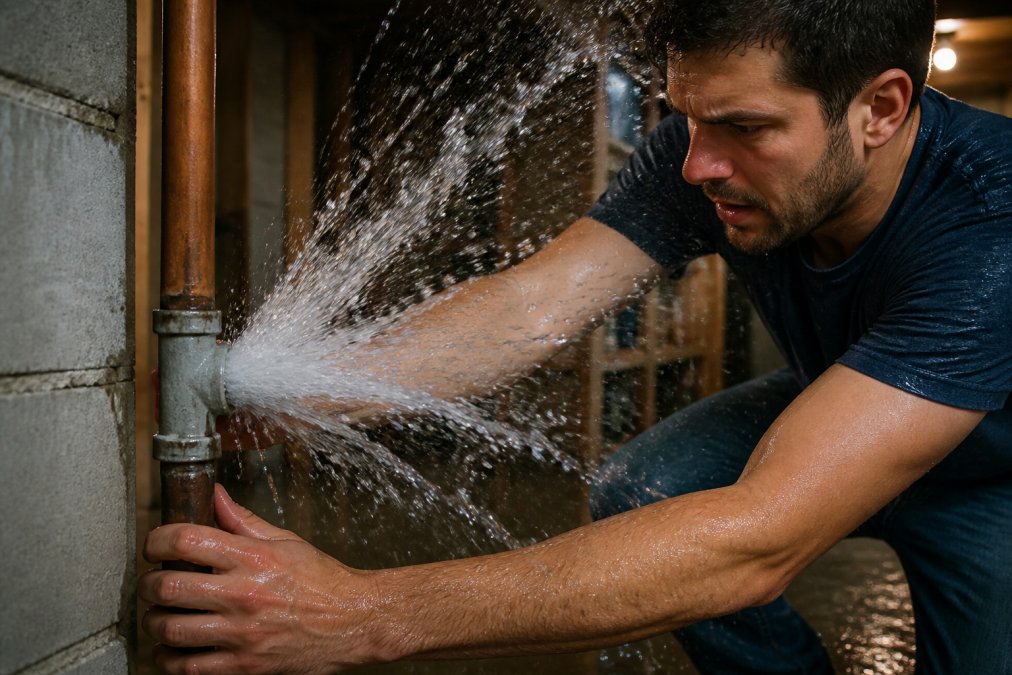
A burst pipe demands immediate action. Water damage accelerates exponentially, and every second counts. The moment you suspect a burst pipe, your priority is stopping the flow of water into your home. Look for signs: water spraying from walls, sudden drops in water pressure, wet spots on ceilings or floors, or rushing water sounds behind walls.
Your first action is to locate and shut off the main water supply. This single step stops water from entering your plumbing system and prevents the burst from worsening. Once the water is off, open all taps in your home to release remaining pressure in the pipes. Leave them open for several minutes.
Next, locate the burst itself. Walk through your basement, crawl spaces, and under sinks with a flashlight. Look for actively dripping water, wet insulation, or discolored pipe sections. Finally, begin water damage mitigation immediately. Move furniture away from the affected area, place towels and buckets under drips, and open windows to increase air circulation. Document everything with photos for your insurance claim.
Finding and Using the Emergency Water Shut-Off Valve Location
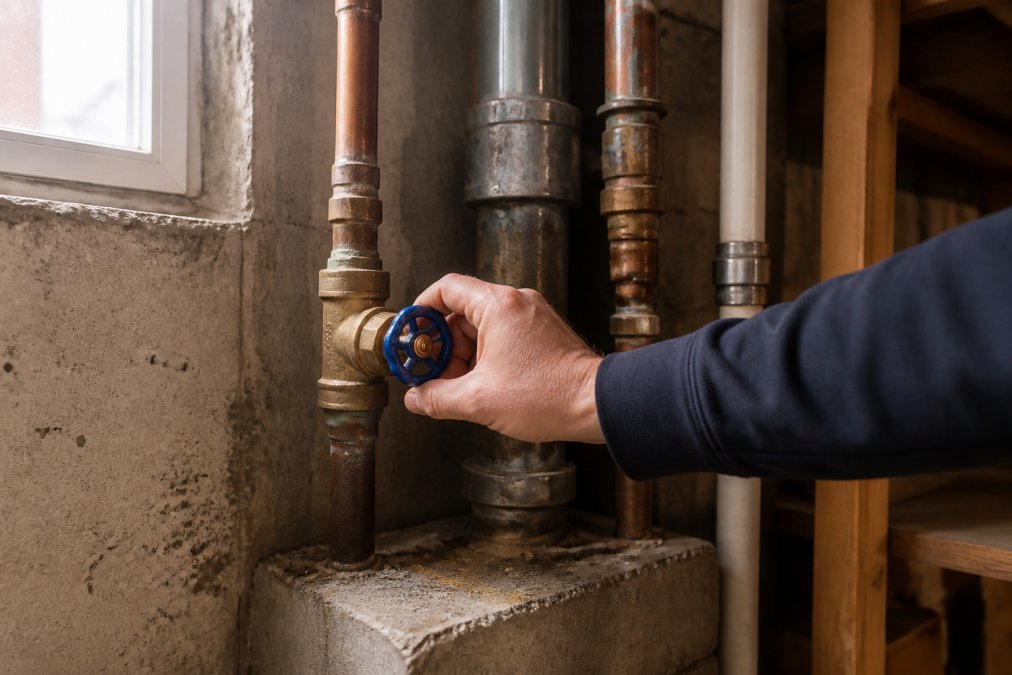
The main water shut-off valve is your emergency control point. When you turn it off, you stop water from entering your entire plumbing system.
In most homes, the main shut-off valve is located where the water supply line enters the building, typically in the basement near the foundation wall, crawl space, or utility closet on the ground floor. Some homes have it outside in a concrete box or meter pit.
To locate your valve, start in the basement and look along walls where the main water line enters from outside. Follow the larger pipe inward; you should find a valve within a few feet of entry. The valve typically looks like a round knob or lever handle. A round knob requires a quarter-turn clockwise to shut off water. A lever handle needs to be turned perpendicular to the pipe.
If you cannot locate your main shut-off valve, check your home inspection report or contact your municipal water department. Some older homes have valves that have corroded from years of disuse. If yours won't turn, don't force it; call a licensed plumber.
Once you've found the valve, mark its location clearly. Take a photo and store it in your phone. Write down the location in your home emergency contact list.
Temporary Fixes Using Plumbing Repair Tape for Burst Pipes
Plumbing repair tape, also called self-fusing silicone tape, can temporarily seal small leaks and minor burst sections. This is not a permanent fix, but it can buy you time if a plumber isn't immediately available. Most repair tapes are effective for 24 to 48 hours under normal conditions.
To apply plumbing repair tape correctly, first dry the damaged section as much as possible. Use a cloth to remove standing water and moisture. Stretch the tape as you wrap it around the pipe, overlapping each layer by about half the tape's width. Start about two inches before the burst and continue two inches past it. Wrap around the circumference at least three times.
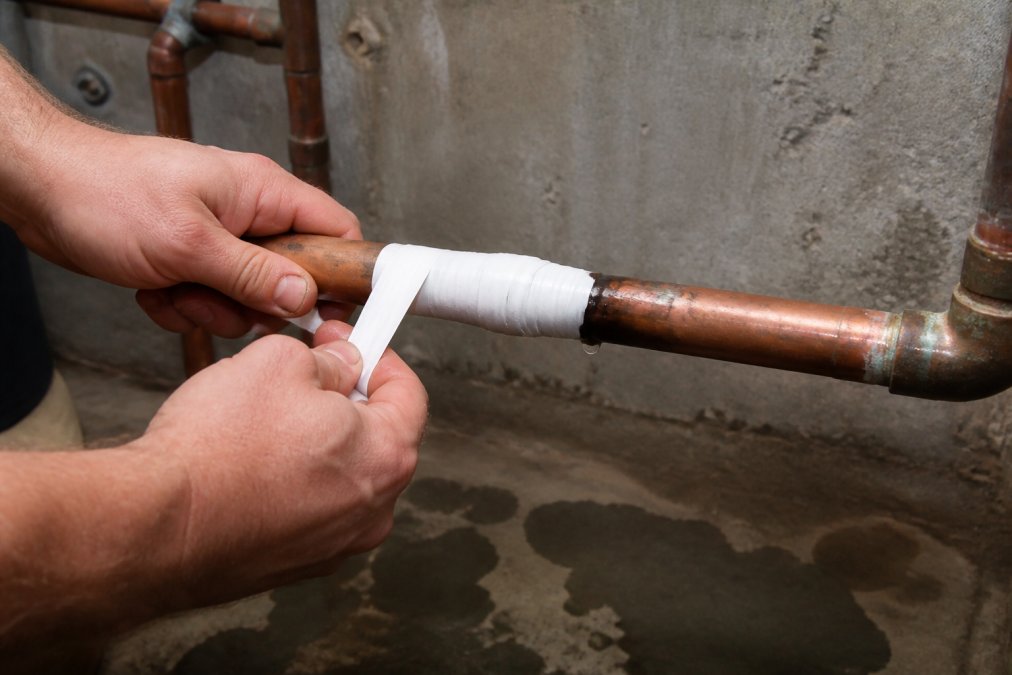
Press the tape firmly as you wrap to ensure good contact with the pipe surface. Leave it in place for at least 30 minutes before restoring water pressure to allow the fusion to set.
Plumbing repair tape works best on small pinhole leaks and hairline cracks. For large ruptures, you need professional repair or a pipe repair clamp. If the temporary fix fails, turn off the main water shut-off valve again and call an emergency plumber.
How to Thaw Frozen Pipes Safely
Frozen pipes often precede burst pipes. If your pipes freeze during a cold snap, thawing them quickly prevents rupture.
The safest method is using a hair dryer on medium heat. Direct warm air at the frozen section, moving the dryer back and forth to distribute heat evenly. This typically takes 20 to 30 minutes per section. Heat tape is another effective option, wrap it around the frozen section according to product instructions, then plug it in. Leave it on until water flows freely, then keep it on for an additional 30 minutes.
For pipes in crawl spaces or external walls, consider renting an infrared heat lamp. Position it to direct heat at the frozen section from a safe distance.
Do NOT use an open flame, propane torch, or space heater to thaw pipes. These methods create fire hazards, can damage the pipe material, and risk carbon monoxide poisoning.
Once water begins to flow, continue applying heat for another 30 minutes. Turn on a nearby faucet and let water run; moving water helps prevent refreezing.
After thawing, address the root cause. Insulate exposed pipes with pipe sleeves or foam wrap. Seal gaps where pipes pass through external walls. During extreme cold, leave cabinet doors open under sinks to allow warmer indoor air to reach pipes.
When to Call an Emergency Plumber
Some situations require professional help immediately. Call an emergency plumber right now if:
- The burst is large or actively spraying water
- Water is leaking into electrical panels or near live wires
- The damaged section is in a wall cavity or inaccessible location
- Multiple pipes have burst
- You cannot locate or access the main water shut-off valve
- Water damage is spreading rapidly to multiple rooms
- You've attempted a temporary fix and it failed
Professional plumbers have the tools, experience, and insurance to handle these situations safely. They can identify the cause of the burst, assess hidden damage, and perform permanent repairs. The cost of emergency plumbing is typically far less than the cost of water damage restoration if the burst goes unrepaired.
Preventing Future Pipe Bursts
Prevention is far simpler than emergency repair. Most burst pipes are preventable through basic winterization and maintenance.
Pipe insulation is your first defense. Wrap pipes in unheated spaces, basements, crawl spaces, attics, and external walls, with foam pipe sleeves or fiberglass insulation. This simple step costs less than $50 and can prevent thousands in damage.
Seal air leaks around pipes that pass through exterior walls. Use caulk or weatherstripping to close gaps where cold air enters. Maintain consistent indoor temperatures by keeping your thermostat set to at least 15°C (60°F) even when away from home.
Let water trickle from faucets during extreme cold. Moving water is less likely to freeze than standing water. Have your plumbing system inspected annually by a licensed plumber to identify weak points before they fail.
Consider installing a whole-home water leak detection system. Modern smart sensors monitor water pressure and flow, alerting you to leaks before they cause major damage.
Managing Water Damage After a Burst Pipe
Water damage extends far beyond the immediate burst location. Moisture spreads through walls, under flooring, and into insulation. Managing this damage quickly prevents mold growth and structural deterioration.
Document all damage with photos and video before cleaning up. Take close-ups of wet areas, water stains, and damaged materials. These images are essential for insurance claims. Remove standing water as soon as possible using a wet vacuum or pump. Open windows and doors to increase air circulation and place fans in the affected area.
Move wet materials to a safe location. Wet drywall, insulation, and flooring should be removed and dried separately or discarded if they cannot be salvaged. Dry walls and cavities thoroughly; if water has penetrated wall cavities, cut access holes to allow air to circulate inside and prevent hidden mold growth.
Contact your home insurance company within 24 hours with your documentation and photos. Most homeowner policies cover water damage from burst pipes. Consider hiring a professional water damage restoration company with industrial-grade dehumidifiers and moisture detection equipment.
Monitor the affected area for mold over the following weeks. Mold can begin growing within 24 to 48 hours of water exposure. If you notice musty odors, discoloration, or visible mold growth, contact a mold remediation specialist immediately.
A burst pipe is stressful, but swift action minimizes damage and cost. Shut off the main water supply, locate the burst, and assess whether you can apply a temporary fix or need professional help. For most homeowners, calling a licensed plumber is the safest choice.
If you're facing a burst pipe emergency and need immediate professional assistance, UMark Plumbing and Drain Inc. offers 24/7 emergency plumbing response. Our certified team can respond quickly, diagnose the problem accurately, and perform permanent repairs that prevent recurrence. Contact us for a free quote and emergency service in your area.
Frequently Asked Questions
Should I turn off the main water valve if a pipe bursts?
Yes, immediately. Shutting off the main water valve stops water flow and prevents further flooding. This is the first critical step when a pipe bursts. Locate your stop tap or main water shut-off valve (usually in the basement, utility room, or outside near the foundation) and turn it clockwise until tight. This action alone can save thousands in water damage.
Can I use plumbing repair tape to seal a burst pipe myself?
Plumbing repair tape can provide a temporary fix for small leaks or pinhole bursts, but it is not a permanent solution. Wrap the tape tightly around the damaged section after shutting off water and drying the pipe. This buys time before a professional plumber arrives. For larger ruptures or splits, tape alone will not hold, you need a licensed plumber for a permanent repair.
How do I know when to call an emergency plumber versus handling it myself?
Call an emergency plumber immediately if the burst is large, water is spraying, the pipe is in a wall or ceiling, or you cannot locate the shut-off valve. If you have successfully shut off the water and the leak is minor, you can wait for regular business hours. However, if water is actively damaging your home or you are unsure of the damage extent, professional help is essential to prevent costly structural problems.
How long can I wait before calling a professional after stopping the water?
Do not delay. Even after shutting off the main water supply, a burst pipe needs professional assessment and repair within hours, not days. Water can continue seeping from the rupture, and the longer you wait, the greater the risk of mold growth, structural damage, and secondary leaks in your plumbing system. A licensed plumber can locate the exact rupture, drain the system if needed, and perform a permanent fix before more damage occurs.
This article was written using GrandRanker