 comparison
Water Filtration System Cost for Homes: 2026 Price Guide
Table of Contents
- What Water Filtration System Cost for Homes Actually Includes
- Upfront Prices by System Type: Pitcher to Whole-House
- Water Filtration System Installation Cost: What You Pay Beyond the Unit
- Reverse Osmosis System Cost for Home: Equipment, Filters, and Waste Water
- Whole-House Water Filter Maintenance Cost: Cartridges, Service, and Repairs
- Whole-House Water Filter vs. Under-Sink Filter: Which Fits Your Water and Budget
- Frequently Asked Questions
Last Updated: October 14, 2026
What Water Filtration System Cost for Homes Actually Includes
The water filtration system cost for homes is rarely a single number. It is a stack of costs: the unit itself, the installation, and the filters you replace for as long as you own the system. This guide from UMark Plumbing and Drain Inc. breaks that stack apart so you can compare quotes fairly.
Water filtration system cost for homes is the total of equipment, installation labor, and ongoing filter replacement over the system's life. Most homeowners only see the first number on the box.
That gap matters. A cheap unit with pricey cartridges can cost more over five years than a better unit with cheap ones. Below, we break down each layer, from pitcher filters to whole-house systems, so you can budget with real numbers instead of guesswork.
Upfront Prices by System Type: Pitcher to Whole-House
Upfront equipment prices range from under a hundred dollars for a pitcher to several hundred for a whole-house unit. The table below shows listed prices for whole-house models sold through major retailers, in Canadian dollars.
| System | Listed Price (CAD) | Best For | Notes |
|---|---|---|---|
| PRO+AQUA PRO-100-E | 489.95 | Lowest upfront whole-house entry | Filtration stages not stated in listing |
| PRO+AQUA PRO-WELL-1E | 633.04 | Well-water households | Sold through a major retailer |
| AQUASURE AS-HS48FMP | 708.39 | Named-brand whole-house option | Performance details not stated |
| SpringWell CF | Contact for pricing | City-water homes | Scored 8.52/10 by Water Filter Guru's 2026 review |
These are equipment-only prices. Installation is separate, and we cover that next.
Point-of-Use Options: Pitchers, Faucet Mounts, and Under-Sink Filters
Point-of-use filters treat water at a single tap. Pitchers and faucet mounts sit at the low end of the market; under-sink filters cost more but handle higher volumes and more contaminants.
The trade-off is capacity. A pitcher filter handles a few liters at a time. An under-sink filter serves a whole kitchen tap continuously, which matters for cooking and drinking water.
For most families, an under-sink filter is the practical middle ground. It costs more upfront than a pitcher but far less than a whole-house system, and it targets the water you actually drink.
Whole-House Systems and Water Softeners
Whole-house systems treat every tap in the home at once, including showers and laundry. Water softeners are a separate category: they address hard water rather than contaminants, and many households need both.
If your water is hard, a softener protects your pipes and appliances. If it carries sediment, chlorine, or odor, a filter handles that. Some whole-house units combine both functions; others do not. Check the specification before buying.
Water Filtration System Installation Cost: What You Pay Beyond the Unit
Water filtration system installation cost depends on where the unit goes and how much plumbing it needs. A whole-house system ties into your main supply line and typically requires a licensed plumber. Under-sink and faucet units are simpler but still need a supply connection and, for some models, a drain line.
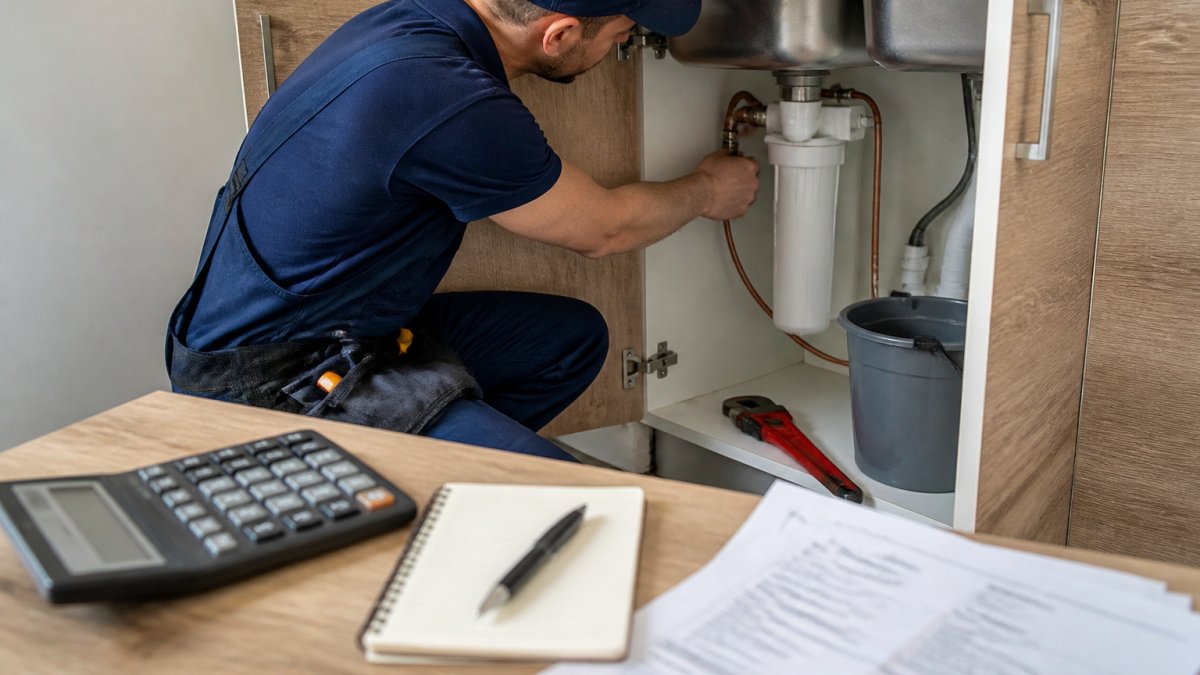
Labor is where quotes diverge most. A straightforward swap of an existing unit takes far less time than a first-time install with new pipe runs. Older homes with copper or galvanized plumbing often need extra work, and that shows up on the invoice.
Here is what installation typically adds, in Canadian dollars, based on common scenarios:
| Installation Scenario | Typical Labor Range (CAD) | What Drives the Price |
|---|---|---|
| Faucet-mount or pitcher (no install) | $0 | DIY, no plumbing |
| Under-sink filter, existing supply line | $150-$350 | Shut-off valve access, drain line for RO |
| Under-sink RO, new drain saddle | $250-$500 | Drain connection, storage tank placement |
| Whole-house filter, accessible main line | $500-$1,200 | Pipe cutting, bypass valve, mounting |
| Whole-house filter, older or tight plumbing | $1,200-$2,500+ | Copper/galvanized adaptation, permit, drywall repair |
| Water softener + whole-house filter combo | $800-$2,000 | Two units, drain for softener regeneration |
These ranges are labor only. They exclude the unit, permits, and any required electrical work for UV or electronic systems. A permit for a whole-house install can add $100-$300 depending on the municipality, and some jurisdictions require a licensed plumber for any main-line connection.
Three factors push installation toward the high end:
- Access. A main line in an unfinished basement is quick. A line behind finished drywall or in a crawlspace adds hours.
- Pipe material. PEX and copper are straightforward. Galvanized steel often needs a transition fitting and may be corroded.
- Bypass and shut-off valves. A proper install includes a bypass so you can service the filter without cutting water to the house. Skipping it saves money now and costs more later.
A common pattern is a homeowner buying a $500 whole-house unit online, then paying $900-$1,500 to have it installed because the main line needs modification. Always get an installation quote before you buy the unit, not after.
Reverse Osmosis System Cost for Home: Equipment, Filters, and Waste Water
Reverse osmosis system cost for home breaks into three parts: the unit, the membrane and pre-filters, and the water the system sends to drain.
RO systems push water through a membrane that traps dissolved solids. They produce highly purified drinking water, but they waste a portion of the water they process (the EPA). That waste ratio is a real operating cost, especially on metered water.
Membranes are the expensive replacement part and last far longer than pre-filters. Budget for pre-filters several times a year and a membrane replacement every few years. If you are on a well, add a sediment pre-filter ahead of the RO unit to protect the membrane.
Whole-House Water Filter Maintenance Cost: Cartridges, Service, and Repairs
Whole-house water filter maintenance cost comes down to cartridge replacement schedule. Sediment filters clog fastest; carbon filters last longer; specialty media varies by manufacturer.
Here is what replacement parts typically cost in Canadian dollars, based on common whole-house configurations:
| Filter Stage | Typical Replacement Interval | Typical Cartridge Cost (CAD) | Annual Cost (CAD) |
|---|---|---|---|
| Sediment pre-filter (5 micron) | 3-6 months | $15-$40 | $60-$160 |
| Carbon block (5 micron) | 6-12 months | $40-$90 | $40-$180 |
| Granular activated carbon | 6-12 months | $30-$70 | $30-$140 |
| Specialty media (e.g., catalytic carbon, KDF) | 12-24 months | $80-$200 | $40-$200 |
| RO membrane (point-of-use) | 2-4 years | $60-$150 | $15-$75 |
| UV lamp (if equipped) | 12 months | $50-$120 | $50-$120 |
A typical three-stage whole-house system runs $150-$400 per year in cartridges. A four- or five-stage system with specialty media can run $300-$600 per year. Add a water softener and you add $100-$250 per year in salt, plus occasional resin or valve repairs.
Three habits keep maintenance costs predictable:
- Log the install date and set a replacement reminder for each stage
- Buy cartridges in multi-packs to cut per-unit cost
- Test your water annually so you replace filters on condition, not guesswork
What most guides miss is that cartridge cost, not the unit, is the real long-term expense. A whole-house system with four stages can run through a surprising amount of filter media each year. Check replacement pricing before you buy the unit, not after.
Service calls are a separate line item. If you do not want to change cartridges yourself, a plumber or service technician typically charges $100-$200 per visit in Canadian dollars, and many recommend annual service. Over ten years, that is $1,000-$2,000 in labor alone, on top of parts.
Whole-House Water Filter vs. Under-Sink Filter: Which Fits Your Water and Budget
Whole-house water filter vs. under-sink filter is really a question of scope versus budget. A whole-house system treats every tap; an under-sink filter treats one. Whole-house costs more upfront and in maintenance, but it covers showers, laundry, and appliances. Under-sink costs less and is simpler to install and maintain.
| Factor | Whole-House Filter | Under-Sink Filter |
|---|---|---|
| Coverage | Every tap in the home | One kitchen tap |
| Upfront cost | Higher | Lower |
| Installation | Main line, licensed plumber | Supply line, simpler |
| Maintenance | Multiple filter stages | One or two cartridges |
| Best for | Well water, hard water, whole-home concerns | Drinking and cooking water only |
A test first, then a system. We see homeowners buy the wrong size or type because they skipped testing. Test for hardness, sediment, chlorine, and any contaminants of concern, then match the system to the results.
Five- and Ten-Year Cost of Ownership
Five- and ten-year cost of ownership is where cheap units lose. Add the unit price to installation, then multiply annual filter costs by five and ten. A lower-priced unit with expensive cartridges often overtakes a pricier unit with cheap ones within a few years.
Run that math before you commit. It changes which system is actually the better buy.
Household Size, Daily Water Use, and System Capacity
Household size and daily water use decide system capacity. A two-person home and a family of five put very different demands on a filter. Undersized systems clog faster, which drives up replacement costs and shortens equipment life.
Match capacity to your household, not to the lowest price on the shelf. A system that is too small costs more over time than one sized correctly from the start.
Water filtration decisions come down to matching the system to your water, your household, and your budget over time, not just the sticker price. At UMark Plumbing and Drain Inc., we have over 20 years of experience helping homeowners and property managers get this right, with water testing, system selection, and certified installation. Our team is available 24/7 for emergency plumbing issues and routine filtration work alike. Get a free quote from UMark Plumbing and Drain Inc. and get a system sized to your home and your water.
Frequently Asked Questions
How much does a whole-house water filtration system cost?
Equipment prices vary widely by brand, filtration stages, and capacity. In the supplied listings, whole-house units range from CAD 489.95 for the PRO+AQUA PRO-100-E to CAD 708.39 for the AQUASURE AS-HS48FMP, with the PRO+AQUA PRO-WELL-1E at CAD 633.04. Those figures cover the unit only. Professional installation, plumbing modifications, and first-year filter replacements add to the total, so request a written quote that separates equipment from labor before you commit.
How much does it cost to install a water filtration system in a home?
Installation cost depends on the type of system and how much plumbing work is needed. A point-of-use filter often needs only a single connection under the sink, while a whole-house unit must be tied into the main supply line, which can mean cutting pipe, adding shut-off valves, and adjusting for available space. Because rates vary by job complexity, ask your plumber for a written estimate that lists labor and parts separately before work starts.
How much does it cost to maintain a home water filtration system?
Maintenance is mostly replacement filters and cartridges, plus occasional service. The replacement schedule depends on the filter media, your water quality, and how much water your household uses. Whole-house systems typically need cartridge changes more often than under-sink units because they treat every tap. Budget for filters as a recurring annual cost and confirm cartridge prices and availability before buying, since some models use proprietary cartridges that cost more to replace.
Can I install a whole-house water filter myself?
Some homeowners handle point-of-use filters, such as faucet mounts and pitchers, without help. Whole-house systems are different: they connect to the main water line, which means shutting off supply, cutting pipe, and making leak-free joints. A poor connection can cause water damage or pressure problems. If you are not confident with plumbing work, hire a certified plumber. The labor cost is usually smaller than the repair bill from a failed DIY install.