 comparison
UMark vs Competitors: Local Plumbing Comparison
Table of Contents
- How Local Plumbing Services Compare
- Emergency Response Times and Availability
- Emergency Plumbing Service Costs Explained
- How to Vet a Plumbing Contractor
- Hiring Certified Plumbers for Rentals
- Residential vs. Commercial Plumbing Solutions
- Why Local Expertise Matters for Drain Cleaning and Maintenance
- Conclusion
Last Updated: August 24, 2026
How Local Plumbing Services Compare
When a pipe bursts at 2 AM or your drain backs up before hosting a dinner party, the difference between a responsive local plumber and one that takes hours to show up becomes painfully obvious. A local plumbing comparison isn't just about finding the cheapest option, it's about understanding which service delivers reliability, expertise, and speed when you need it most.
UMark Plumbing and Drain Inc. has built its reputation over 20+ years by prioritizing exactly what homeowners and business owners in this region need: certified technicians who show up when promised, transparent communication about what's wrong and what it costs, and repairs that hold. The answer to choosing the right plumber lies in understanding what separates a truly responsive local operation from one that's just another name in the directory.
Emergency Response Times and Availability
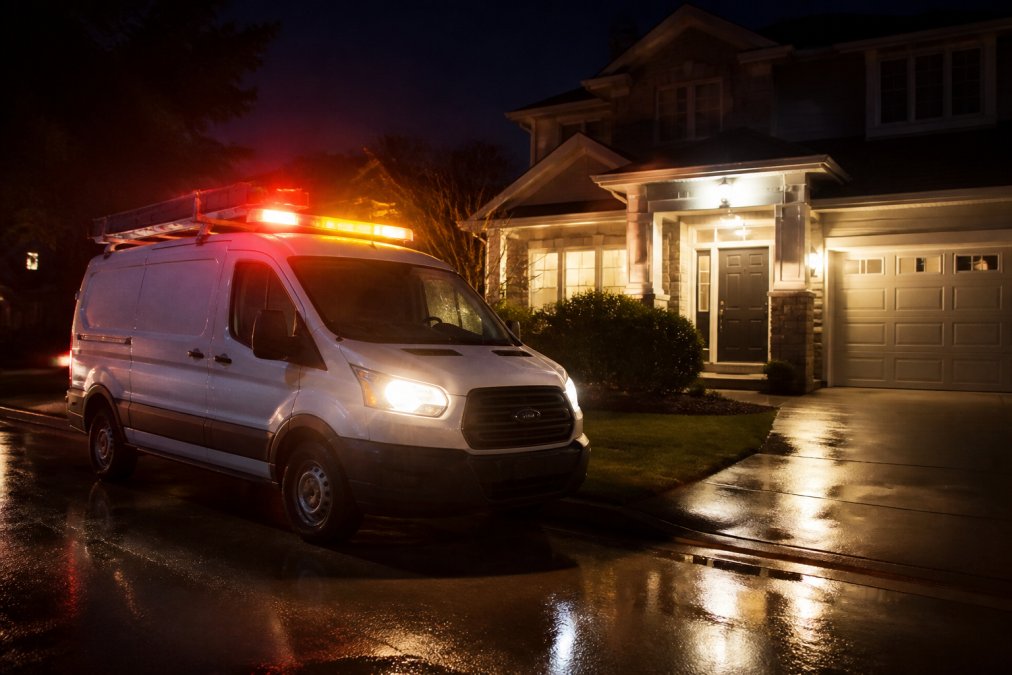
Many companies advertise round-the-clock service, but when you call at midnight on a Sunday, the next available appointment is Tuesday afternoon. UMark Plumbing and Drain Inc. operates true 24/7 emergency services, meaning a certified technician can be dispatched to your property at any hour.
Response time depends on geographic service area, companies serving concentrated regions like North York and Vaughan respond faster than those spread across multiple municipalities, and technician availability. When comparing local plumbing services, ask directly: "If I call at 3 AM on a holiday, how long until a technician arrives?" The answer should be specific: "usually 45 minutes to an hour in your area" beats vague promises. Companies that give realistic windows and beat them build trust.
Emergency Plumbing Service Costs Explained
Emergency plumbing costs more than business-hours repairs, a technician leaving their home at 2 AM deserves compensation for that disruption. What varies dramatically between local services is transparency about costs upfront. Some charge diagnostic fees; others roll that into repair costs. Some use flat-rate pricing; others charge time-and-materials. Some add surcharges for nights and weekends; others build those into standard rates.
Reputable local plumbers provide written estimates breaking down labor, parts, and surcharges. They explain why each component costs what it does and discuss whether a temporary fix might buy time until business hours.
When comparing emergency plumbing service costs, ask:
- Is there a diagnostic or call-out fee, and does it apply to the final bill if you proceed?
- How are after-hours surcharges calculated?
- Do you charge for travel time?
- Can you provide a written estimate before starting work?
- What's your cancellation policy?
:::pro Ask about the company's policy on temporary vs. permanent fixes. Sometimes a good emergency plumber will suggest a quick fix to get you through the night, then schedule a proper repair for the next day. That's a sign of a service that prioritizes your wallet. :::
How to Vet a Plumbing Contractor
Before you're in crisis mode, do the vetting work that prevents bad decisions made under pressure. Start with licensing and certification. In this region, plumbers should be licensed through the appropriate provincial body (ontario.ca). That license means the technician has completed apprenticeship requirements, passed exams, and meets minimum competency standards. Ask to see proof.
Insurance is equally critical. A contractor should carry liability insurance and workers' compensation coverage (wsib.on.ca). Ask for proof of current insurance and verify it directly with the insurer for large jobs.
Experience in your specific issue matters more than general experience. A contractor with 15 years of residential work might excel at fixture installations but struggle with commercial systems. Ask what percentage of their work falls into your category and request references from similar jobs completed in the last 12 months.
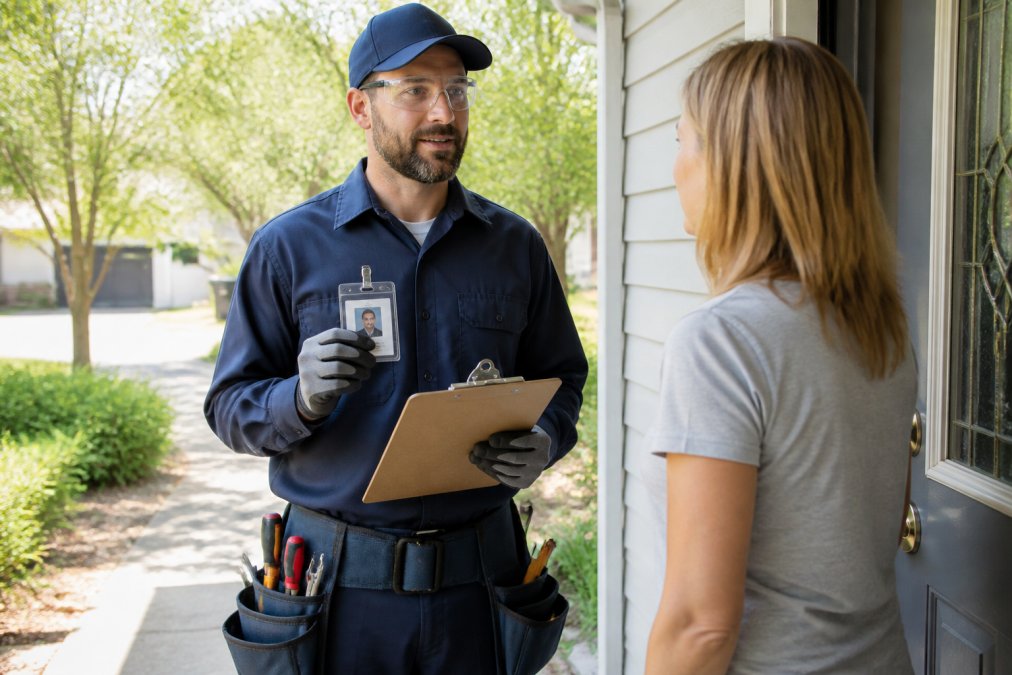
Call references and ask whether work stayed on timeline, whether the estimate matched the final bill, and whether repairs have held up. Online reviews provide useful context, look for patterns in complaints. If multiple reviews mention surprise charges or delays, that's meaningful. Finally, trust your instinct about communication. A contractor who explains things clearly and educates you about the problem before jumping to solutions is usually the one you want.
Hiring Certified Plumbers for Rentals
Rental properties operate under different constraints than owner-occupied homes. Tenants expect quick repairs, and landlords need documentation for insurance and liability purposes. When hiring certified plumbers for rentals, prioritize contractors with documented experience in rental property maintenance. They understand the urgency and are familiar with the paperwork trail you need: invoices, warranties, and documentation of work performed.
Certification matters more in rental scenarios. If something goes wrong and a tenant is injured or property is damaged, your insurance company and a potential court will want to know the work was performed by a licensed, insured professional. Establish a relationship with a reliable certified plumber before you have an emergency. When you need someone at 8 AM on a Monday because a pipe failed over the weekend, you want to call someone you've already vetted.
Confirm the plumber's familiarity with local housing codes and tenant rights legislation. Some repairs trigger notification requirements or inspection obligations. A contractor experienced with rental properties will flag these without you having to ask.
Residential vs. Commercial Plumbing Solutions
Residential and commercial plumbing are genuinely different trades. Residential plumbing focuses on single-family or small multi-unit properties with predictable water demand and relatively simple systems. Commercial plumbing serves businesses, schools, medical facilities, and larger apartment buildings where water demands fluctuate dramatically and systems are more complex.
UMark Plumbing and Drain Inc. handles both residential and commercial work, understanding the different pressures each sector creates. A commercial client needs a contractor who grasps that a 4-hour repair window isn't acceptable, they need solutions that minimize downtime. When hiring for commercial properties, verify the contractor's experience with your specific building type and confirm they can meet your operational response time needs.
Why Local Expertise Matters for Drain Cleaning and Maintenance
Regional plumbing infrastructure varies significantly. Soil composition, water hardness, age of municipal water systems, and local building codes all affect how drains and pipes perform in your specific area. A local plumber working in North York and Vaughan understands the particular challenges these regions present, which neighborhoods have older clay pipes prone to root intrusion, water hardness issues affecting water heaters, and local building codes that authorities enforce.
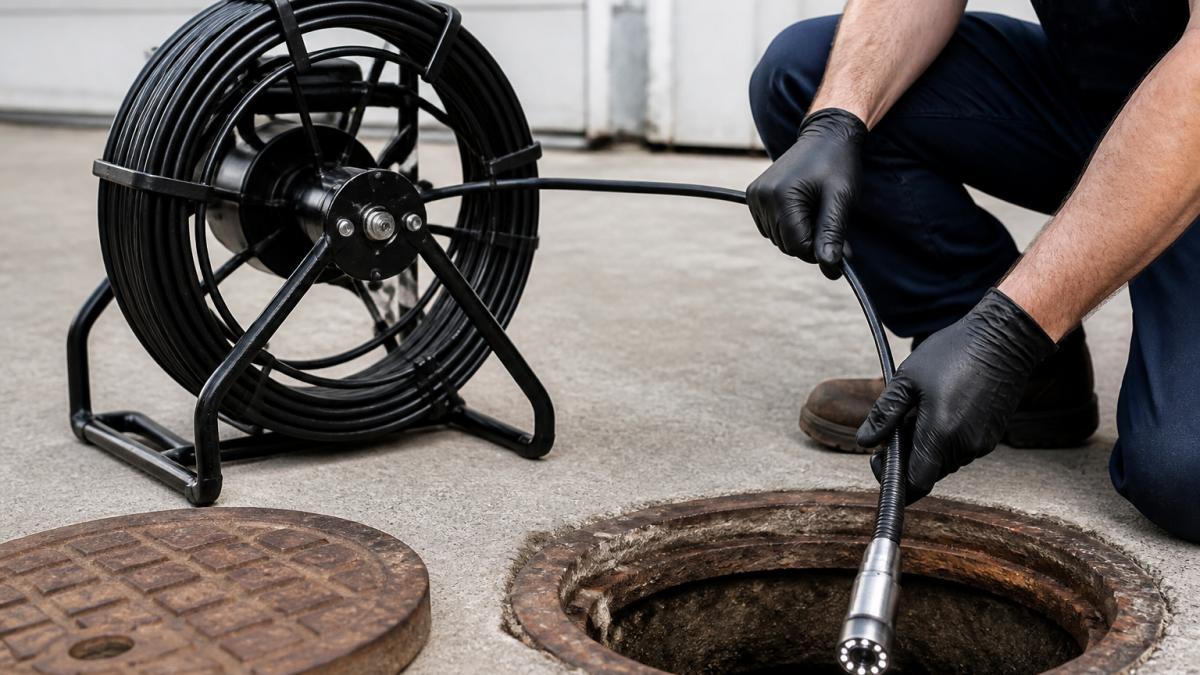
Drain cleaning is a perfect example. A generic service might recommend hydro-jetting for every stubborn clog. A local expert knows that hydro-jetting can damage older clay pipes common in certain neighborhoods, so they might suggest a different approach. Maintenance is where local expertise really shines, a contractor who's worked in your area for years can spot patterns and recommend preventative maintenance that actually prevents problems.
Conclusion
Choosing the right local plumbing service comes down to three fundamentals: Does the company actually respond when you need them? Can they clearly explain what's wrong and what it costs? Do they have verifiable credentials and a track record of quality work?
UMark Plumbing and Drain Inc. delivers on all three. With 20+ years of experience serving residential and commercial properties, a certified team available 24/7, and a commitment to transparent, affordable repairs, they've built a reputation for responsive service that matters when pipes fail and drains back up. Get a free quote and experience the difference that local expertise and genuine availability actually make.
=== FAQ ANSWERS (audit these too, same rules) ===
[1] Q: How do I verify if a plumbing company is licensed and insured? A: Request proof of licensing and insurance before hiring. Ask for their license number and verify it with provincial regulatory bodies. Licensed plumbers must comply with local plumbing codes and safety standards (ontario.ca). Insurance protects you if damage occurs during work. Most reputable companies display certifications on their website or provide them upon request. Never hire an unlicensed contractor for critical plumbing work, as this can create liability issues and void warranties.
[2] Q: What should I look for in a 24/7 emergency plumbing service? A: Look for companies that guarantee actual availability at all hours, not just voicemail. Check response time commitments, reliable services typically arrive within 1-2 hours for emergencies. Verify they employ certified technicians on night shifts, not just answering services. Read customer reviews specifically about after-hours calls to confirm they deliver on promises. Ask about flat-rate or upfront pricing to avoid surprise charges. Confirm they service your area and don't charge excessive travel fees for off-peak calls.
[3] Q: How do plumbing companies calculate their service rates? A: Most plumbing services charge based on service type, complexity, and time required. Some offer flat-rate pricing for common jobs like drain cleaning or water heater replacement, providing cost predictability. Others use hourly rates plus parts costs. Emergency calls often include surcharges for nights, weekends, or holidays. Upfront estimates should detail labor costs and parts separately. Request a written quote before work begins. Transparent pricing companies break down all charges so you understand exactly what you're paying for.
[4] Q: What is the difference between a general handyman and a certified plumber? A: Certified plumbers have formal training, licensing, and must pass exams to work on plumbing systems. They understand building codes, safety standards, and complex installations. Handymen handle minor repairs but cannot legally do major plumbing work in most provinces. For burst pipes, water heater installation, or code-compliant work, hire a certified plumber. Using an unlicensed person for major repairs risks poor workmanship, code violations, and liability. Certified plumbers carry insurance and warranty their work.
Frequently Asked Questions
How do I verify if a plumbing company is licensed and insured?
Request proof of licensing and insurance before hiring. Ask for their license number and verify it with provincial regulatory bodies. Licensed plumbers must comply with local plumbing codes and safety standards. Insurance protects you if damage occurs during work. Most reputable companies display certifications on their website or provide them upon request. Never hire an unlicensed contractor for critical plumbing work, as this can create liability issues and void warranties.
What should I look for in a 24/7 emergency plumbing service?
Look for companies that guarantee actual availability at all hours, not just voicemail. Check response time commitments, reliable services typically arrive within 1-2 hours for emergencies. Verify they employ certified technicians on night shifts, not just answering services. Read customer reviews specifically about after-hours calls to confirm they deliver on promises. Ask about flat-rate or upfront pricing to avoid surprise charges. Confirm they service your area and don't charge excessive travel fees for off-peak calls.
How do plumbing companies calculate their service rates?
Most plumbing services charge based on service type, complexity, and time required. Some offer flat-rate pricing for common jobs like drain cleaning or water heater replacement, providing cost predictability. Others use hourly rates plus parts costs. Emergency calls often include surcharges for nights, weekends, or holidays. Upfront estimates should detail labor costs and parts separately. Request a written quote before work begins. Transparent pricing companies break down all charges so you understand exactly what you're paying for.
What is the difference between a general handyman and a certified plumber?
Certified plumbers have formal training, licensing, and must pass exams to work on plumbing systems. They understand building codes, safety standards, and complex installations. Handymen handle minor repairs but cannot legally do major plumbing work in most provinces. For burst pipes, water heater installation, or code-compliant work, hire a certified plumber. Using an unlicensed person for major repairs risks poor workmanship, code violations, and liability. Certified plumbers carry insurance and warranty their work.
This article was written using GrandRanker