 how-to
Low Water Pressure in Homes: 8 Causes & How to Fix
Table of Contents
- Why Your Home's Water Pressure Dropped Suddenly
- 8 Common Causes of Low Water Pressure
- How to Test Home Water Pressure
- Signs of a Main Water Line Leak
- When to Call an Emergency Plumber
- Quick Fixes You Can Try First
- Frequently Asked Questions
Last Updated: September 28, 2026
Why Your Home's Water Pressure Dropped Suddenly
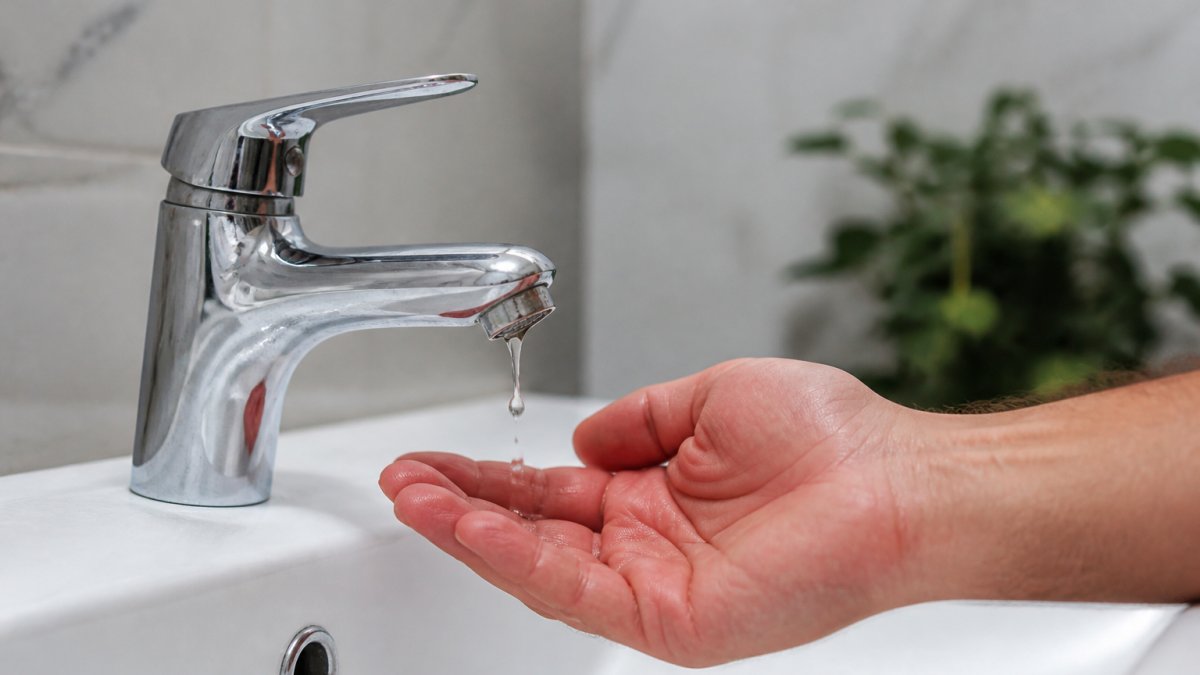
Low water pressure can happen without warning, one day your shower feels normal, the next morning water trickles from every faucet. This signals that something in your plumbing system needs attention.
8 Common Causes of Low Water Pressure
Municipal Water System Homes
If your home is connected to a municipal water supply, low pressure typically originates from one of these eight sources:
1. Main Water Shutoff Valve Partially Closed
The main water shutoff valve controls water flow into your entire home. Located where the water service line enters your house, it looks like a round knob or lever. If partially closed, pressure drops throughout all fixtures.
2. Pressure Regulator Valve (PRV) Failure
The pressure regulator valve (PRV) sits near your main shutoff valve and reduces high municipal water pressure to safe levels. A failing PRV can stick closed, causing pressure to drop dramatically at all fixtures simultaneously.
3. Clogged or Corroded Pipes
Mineral deposits, sediment, and corrosion build up inside pipes over time. In older homes with galvanized steel pipes, internal rust creates blockages. Copper and PEX piping resist corrosion better, but galvanized pipes installed decades ago likely have buildup.
4. Water Meter Valve Restriction
Your water meter has a valve on each side; the one between the meter and your home's main line can restrict flow if partially closed. Locate your water meter (usually in a basement, crawlspace, or outside box) and check both valves, they should be fully open (lever aligned with pipe).
5. Municipal Water Supply Issues
Sometimes the problem isn't in your home, your city's water main might be under repair. Contact your local water utility to confirm whether municipal pressure is low. Low pressure from the municipal supply typically affects your entire neighbourhood; if your neighbours report normal pressure, the issue is in your home's system.
6. Leaking Pipes or Plumbing Fixtures
A hidden leak in your walls or under your foundation diverts water, causing pressure to drop. Signs include wet spots, unexplained water bill increases, soft flooring, musty odours, and water stains. A plumber uses leak detection equipment to locate hidden leaks. Fix leaks immediately to prevent water damage.
7. Water-Saving Device Interference
Modern faucet aerators and low-flow showerheads restrict water flow intentionally to save water. If only one faucet has low pressure, remove the aerator (unscrew it from the faucet tip), rinse it under clean water, and check for sediment or debris. Reinstall and test; if pressure improves, install a new aerator if the old one is damaged.
8. Sediment Buildup in Lines
Sediment, sand, silt, and mineral particles accumulate in water lines over time, narrowing the pipe opening and restricting flow. You might notice discoloured water (brown or cloudy) along with low pressure. Flushing your lines by opening all cold water faucets fully for several minutes can help; if the problem persists, professional pipe cleaning or replacement is needed.
Private Well System Homes
If your home draws water from a private well, low pressure is usually caused by issues with the well pump, pressure tank, or check valve, not the municipal factors above. Well systems operate differently and require different troubleshooting.
Well Pump Failure or Reduced Output
Your well pump sits at the bottom of the well and pushes water up to your home. Signs of pump trouble include gradual pressure drops, pressure fluctuations, visible water in the well, constant pump running without building pressure, or reduced water volume. Well pumps typically last 15-25 years; if your pump is older and pressure is declining, a well contractor can test output and recommend repair or replacement.
Pressure Tank Issues
Your pressure tank stores pressurized water and maintains consistent pressure between pump cycles. A rubber bladder or diaphragm inside can rupture or lose air charge over time; when it fails, the tank fills with water instead of maintaining an air cushion, forcing the pump to run constantly.
Check Valve Failure
A check valve sits between the pump and pressure tank and prevents water from flowing backward into the well. Signs of failure include pressure dropping to zero after the pump shuts off, frequent pump cycling, or water draining from pipes when you turn off a faucet.
Sediment or Mineral Buildup in the Well Line
Sediment from the well can accumulate in the supply line between the pump and tank, restricting flow. If you notice discoloured water, low pressure with visible sediment, or gradual pressure loss, a well contractor can flush the line or install a sediment filter.
Frozen Well Line (Seasonal Issue)
In cold climates, the water line from the well to your home can freeze if not buried deep enough or if insulation is damaged. If you suspect freezing, check whether only cold water is affected (frozen line) or all water (frozen pump intake), avoid heat lamps or hot water on frozen pipes, and call a well contractor to assess burial depth and insulation.
How to Test Home Water Pressure
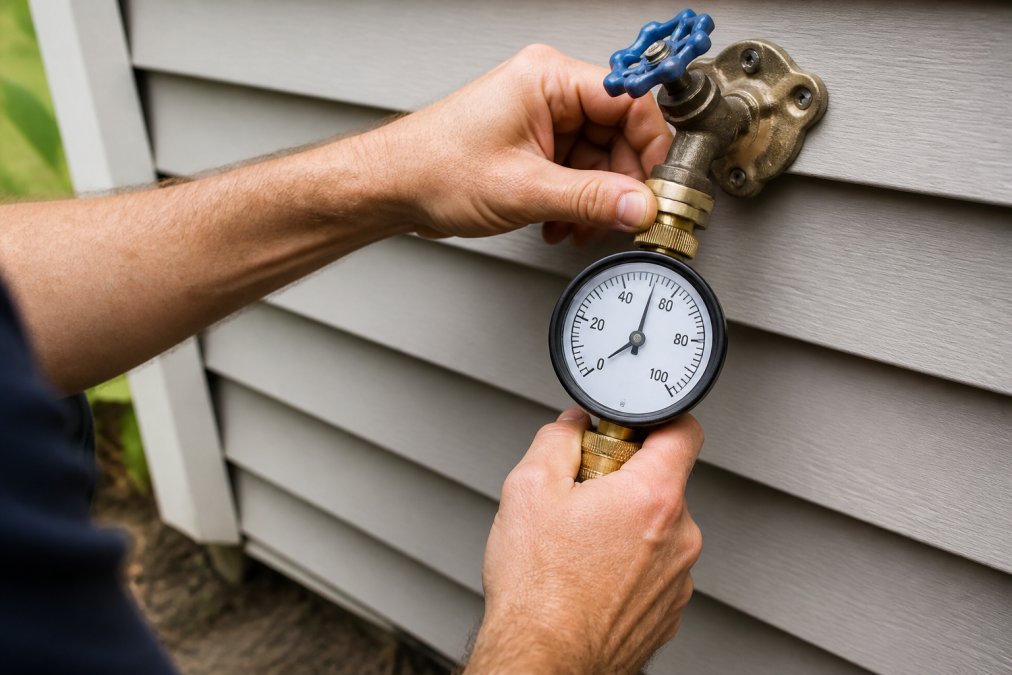
Testing your home's water pressure takes minutes and provides concrete data for a plumber. Understanding the difference between low pressure and low flow is essential for accurate diagnosis.
Pressure vs. Flow: Why the Distinction Matters
Pressure is the force pushing water through your pipes, measured in PSI; flow is the volume of water delivered per minute. A home can have normal pressure but poor flow if pipes are clogged, or adequate flow but weak pressure if the regulator is failing.
What You'll Need
- Water pressure gauge (dial or digital, 0-100 PSI range; typically under $25 at hardware stores)
- Outdoor faucet or hose spigot
- Notepad to record readings
- Optional: a second gauge to test at different points (see advanced testing below)
Step-by-Step Testing Process
Step 1: Get the right gauge. Buy a dial or digital water pressure gauge rated for 0-100 PSI.
Step 6: Interpret the result.
- 40-60 PSI: Normal operating pressure. If you're experiencing low water pressure symptoms, the problem is likely localized to one fixture (clogged aerator) or a specific line (hot water line with sediment buildup).
- Below 40 PSI: Low pressure confirmed. The issue is systemic, affecting your whole home or a major line. Proceed to troubleshooting the main shutoff valve, PRV, meter valve, or municipal supply.
- Above 80 PSI: High pressure. Your pressure regulator valve (PRV) may need adjustment or replacement. High pressure can damage fixtures and shorten appliance lifespan.
Advanced Testing: Isolating the Problem
If your pressure reading is low, you can narrow down the cause with a second test.
- If pressure at the meter is normal (40-60 PSI) but pressure at the outdoor faucet is low, the problem is between the meter and your home (water meter valve restriction, corroded main line, or a leak in that section).
- If pressure at the meter is already low, the issue is upstream: municipal supply problem, main shutoff valve partially closed, or a leak between the street and your meter.
Signs of a Main Water Line Leak
A main water line leak is serious, water escapes before reaching your home, causing pressure loss and structural damage. Warning signs include sudden pressure drop at all fixtures, wet patches in your yard or foundation, unusually high water bills, soggy ground, foundation cracks, and hissing sounds near your water meter.
When to Call an Emergency Plumber
Some pressure problems require immediate professional attention: sudden pressure drops to almost nothing, water spraying from pipes, unexplained water bill spikes, sewage smells or discoloured water, pressure loss after freeze/thaw cycles, or loud banging in pipes. UMark Plumbing and Drain Inc. offers 24/7 emergency services; our certified team delivers quick, reliable repair.
Quick Fixes You Can Try First
Before calling a plumber, try these simple checks: (1) ensure the main shutoff valve is fully open, (2) ensure both water meter valves are open, (3) inspect pipes for visible leaks, (4) clean faucet aerators, (5) call your water utility to confirm no repairs are underway, (6) test cold water only to isolate hot water line issues, (7) flush all cold faucets to clear sediment, and (8) wait and retest, sometimes pressure recovers after a few hours.
Frequently Asked Questions
Why did my water pressure suddenly drop in my whole house?
Sudden pressure loss across all faucets usually points to three main causes: the main water shutoff valve being partially closed, a failed pressure regulator valve (PRV), or an issue with the municipal water supply. Check your shutoff valve first, it's often accidentally bumped partially closed during maintenance. If that's fully open, test your water pressure with a gauge. Readings below 40 PSI suggest a PRV problem. Contact your water utility to confirm if the municipal supply is the issue.
How do I know if my main water shut-off valve is the problem?
Locate your main shutoff valve (usually near the water meter or where the service line enters your home). Turn the handle fully counterclockwise, it should stop with minimal resistance. If it's partially closed or stuck, that restricts flow to your entire plumbing system. Try opening it fully and check if pressure improves at all faucets. If the valve won't turn or is damaged, it needs replacement. A stuck valve is one of the quickest fixes but requires professional help if it won't budge.
Can a faulty pressure regulator cause low water pressure?
Yes. A pressure regulator valve (PRV) controls incoming water pressure and prevents damage to your plumbing system. When it fails, it can restrict flow or fail to regulate correctly. If your pressure gauge reads below 40 PSI and the shutoff valve is open, the PRV is likely the culprit. PRVs typically last 10-15 years. A failing regulator needs professional replacement, attempting DIY repair can damage the entire system and void warranties.
Is low water pressure a sign of a pipe leak?
Low pressure in one area of your home suggests a localized leak or clog in that branch line. Pressure loss throughout the entire house points to a main line issue. Check for signs like wet spots in your yard, unusually high water bills, or soft patches in your lawn, these indicate a main water line leak. If you suspect a leak, turn off all water and listen at the meter for running water sounds. Professional leak detection equipment can pinpoint hidden leaks in buried pipes.
Low water pressure disrupts your home's comfort and signals a problem that needs fixing. Whether it's a simple valve adjustment or a complex pipe issue, identifying the cause is the first step. UMark Plumbing and Drain Inc. has helped hundreds of homeowners restore normal water pressure with fast, reliable service. Our certified team diagnoses pressure problems accurately and repairs them right the first time. Get a free quote today and restore your home's water pressure.