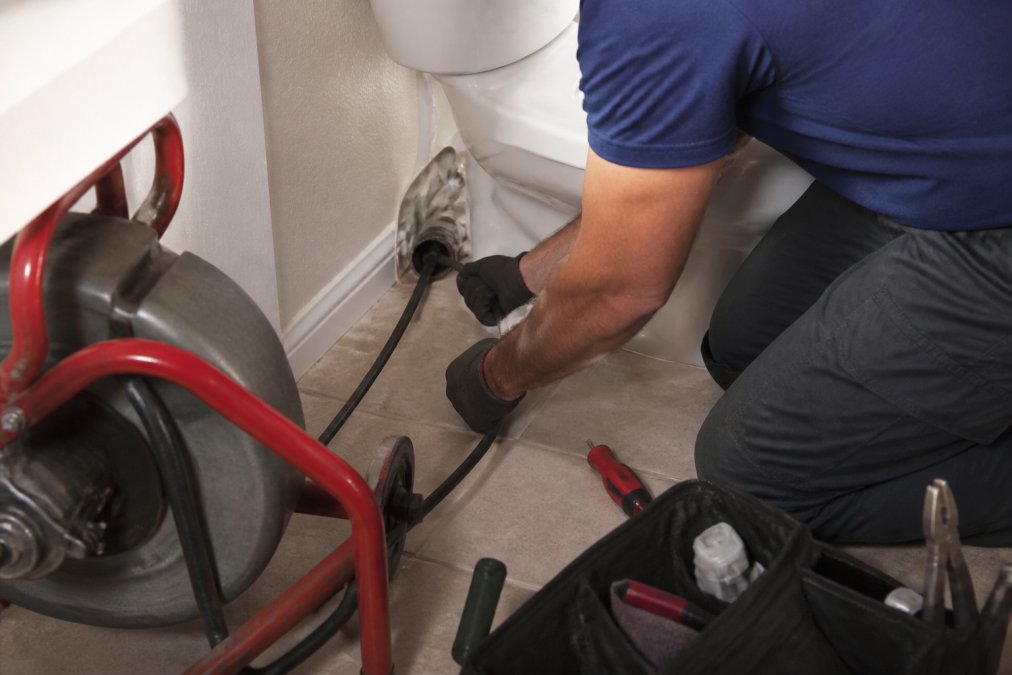
 comparison
Roto-Rooter Alternatives for Plumbing Repairs That Work
Table of Contents
- National Franchise vs. Local Plumber: What Actually Changes?
- Why a Local Certified Plumber Often Beats the Big Brand
- The Cost Reality of Emergency Plumbing Repair Costs
- DIY Maintenance vs. Professional Intervention
- Trenchless Pipe Repair vs. Traditional Excavation
- What to Look For in a Plumbing Service Guarantee
- Conclusion: Choosing the Right Plumbing Repairs Partner
- Frequently Asked Questions
Last Updated: September 8, 2026
When a pipe bursts at 2 AM or a main line backs up into the basement, most homeowners default to the biggest brand name they can recall. Yet the most effective choice for plumbing repairs often isn't the national franchise with the advertising budget, but a certified local contractor who answers the phone and shows up when promised. At UMark Plumbing and Drain Inc., we've spent over 20 years handling emergency leaks, pipe bursts, and routine drain issues across residential and commercial properties.
Below, we'll break down what actually differs between a national franchise and a local plumber, where the real costs hide, and how to vet a contractor so your repair holds up the first time. We'll also examine trenchless vs. traditional excavation, what a genuine service guarantee should include, and why preventative maintenance saves you from the most expensive calls.
National Franchise vs. Local Plumber: What Actually Changes?
The core difference between a national franchise and a local plumber comes down to who is accountable for the work on your property. A franchise operates under a corporate brand, but the technician at your door is often an independent licensee whose training and equipment standards can vary by location. A local, certified plumber stakes their reputation on every job in their immediate community, which typically translates into more consistent quality control and direct accountability.
Response times are where this distinction becomes visible. National call centers may dispatch from a regional pool, whereas a local contractor with a 24/7 emergency line can often have a technician on site faster because they are physically closer to your neighborhood. For urgent situations like burst pipes, that proximity difference matters more than brand recognition.
Why a Local Certified Plumber Often Beats the Big Brand
A local certified plumber's business depends on repeat customers and word-of-mouth referrals within a defined service area. When a technician returns for a follow-up, they bring working knowledge of your home's plumbing system, its age, and its previous trouble spots. That continuity can reduce diagnostic time and prevent recurring issues.
The national model, by contrast, often routes calls through a central dispatch system, meaning a different technician may arrive each time with no memory of your property's history. For complex repairs or ongoing maintenance, this lack of continuity can lead to repeated diagnostic visits and, in many cases, the same problem resurfacing.
Vetting Criteria for Independent Contractors
Before hiring any independent plumber, verify three things: certification, insurance, and how they handle estimates. A licensed contractor must hold the proper trade certification required in your province, and they should carry liability insurance to protect your property during the work (ncsl.org).
Ask directly whether they provide a flat-rate quote before starting or if they bill by the hour. A contractor who offers a ballpark figure over the phone and sticks to a written estimate before any work begins demonstrates transparency. Also request references from recent jobs similar to yours, and confirm they service your specific area without charging extra travel time.
The Cost Reality of Emergency Plumbing Repair Costs
Emergency plumbing repair costs are driven less by the base labor rate and more by the time of day, the urgency of the call, and the complexity of the diagnosis. After-hours calls, weekend service, and holiday response typically carry premium charges that can multiply the final invoice regardless of which company you choose.
Many businesses find that hiring the cheapest emergency option can lead to the same issue recurring. A proper repair often requires the right equipment, including video camera inspection to locate the true source of a blockage, rather than a quick snaking that clears the symptom but leaves the root cause intact. When comparing quotes, ask what the price includes: diagnostic inspection, the repair itself, and any follow-up verification.
DIY Maintenance vs. Professional Intervention
Knowing the boundary between safe DIY maintenance and work that requires a licensed plumber saves both money and property damage. Routine tasks like clearing a slow sink with a drain auger or using an enzyme-based cleaner for organic buildup are reasonable homeowner projects. But any issue involving the main sewer line, persistent backups across multiple fixtures, or visible water damage demands professional intervention.
Residential Drain Cleaning Tips That Prevent Blockages
Preventative maintenance is the most cost-effective approach to residential drain cleaning. Adopting a monthly routine of flushing drains with hot water and using a biological cleaner that digests grease, hair, and soap scum prevents the organic buildup that leads to most household clogs.
For bathroom drains specifically, installing a mesh strainer over the drain opening catches hair before it enters the pipe. Kitchen drains benefit from never pouring cooking grease down the sink, as it congeals and combines with food particles to form stubborn blockages. These habits, practiced consistently, reduce the frequency of emergency service calls significantly.
Trenchless Pipe Repair vs. Traditional Excavation
Trenchless pipe repair is a method that restores a damaged sewer line without digging a long trench across your property. A technician accesses the pipe through two small entry points, then either inserts a new lining that cures inside the existing pipe or pulls a new pipe through the old one (asce.org). This technology preserves landscaping, driveways, and structural integrity of the surrounding soil.
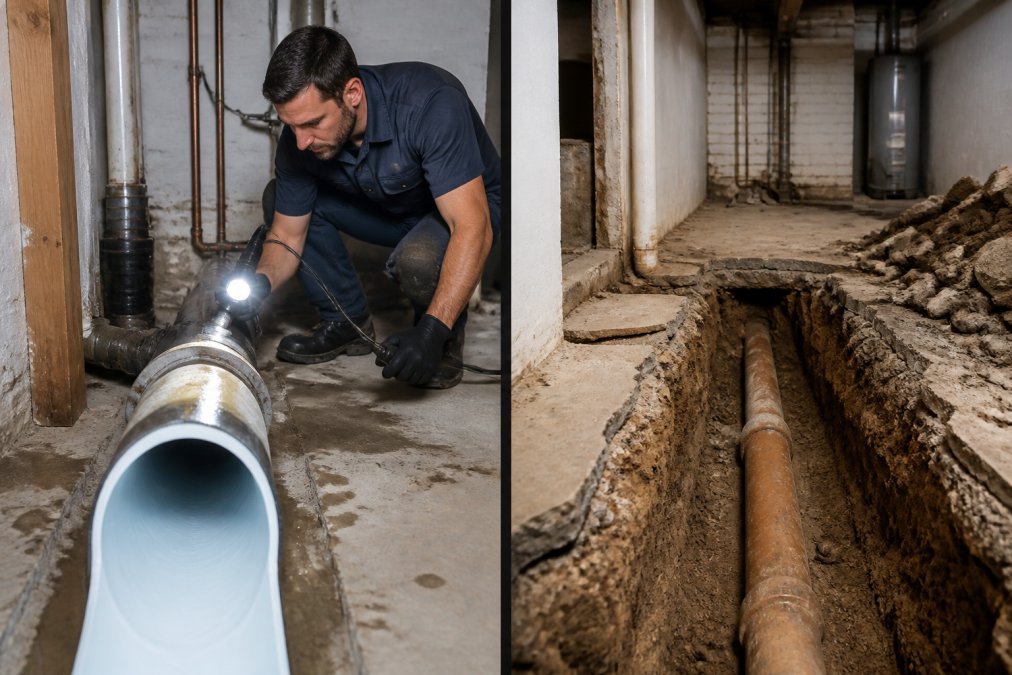
Traditional excavation, by contrast, involves digging a trench along the entire length of the damaged pipe to expose and replace it. This method is more invasive, requires restoration of the landscape afterward, and typically takes longer to complete. However, it may be necessary when a pipe has collapsed entirely or when the existing pipe material is incompatible with lining techniques.
| Method | Property Disruption | Typical Use Case | Structural Impact |
|---|---|---|---|
| Trenchless Pipe Lining | Minimal, two small access points | Cracked or corroded pipes with intact structure | Preserves landscape and hardscaping |
| Trenchless Pipe Bursting | Moderate, entry and exit pits | Severely damaged pipe, upsizing needed | Replaces pipe entirely, minimal surface damage |
| Traditional Excavation | High, full trench along pipe run | Collapsed pipe, incompatible materials | Requires full landscape restoration |
What to Look For in a Plumbing Service Guarantee
A genuine plumbing service guarantee covers both the workmanship and the parts installed, with clear terms about what happens if the problem returns. Look for a written warranty that specifies the duration of coverage, whether follow-up visits are free, and who bears the cost of any additional parts needed.
Service guarantees also reflect how a company handles dissatisfaction. A contractor confident in their work will offer a clear path for addressing issues without argument, which is the strongest indicator of long-term reliability. Before hiring, ask how they handle a callback on a recent repair and whether their guarantee transfers if you sell your home.
Conclusion: Choosing the Right Plumbing Repairs Partner
Selecting the right partner for plumbing repairs means weighing technical capability, response time, and transparent pricing against the comfort of a familiar national brand. The evidence points toward local, certified contractors who offer 24/7 emergency availability and stand behind their work with a clear guarantee.
UMark Plumbing and Drain Inc. combines over 20 years of experience with a certified team available around the clock for both residential and commercial needs. Our approach centers on quick, reliable repair for emergency leaks and pipe bursts, backed by a service guarantee. Get a free quote today and see why local expertise delivers results that stick.
Frequently Asked Questions
What do plumbers recommend instead of Drano?
Most plumbers recommend a mechanical method like a drain auger or snaking, or hydro-jetting, instead of chemical cleaners like Drano. For maintenance, they often suggest biological cleaners with natural enzymes that digest organic waste. These options clear blockages without risking damage to your pipes. Chemical solutions can be corrosive over time and rarely solve the underlying issue, such as a main line blockage or root intrusion. A professional can perform a sewer line inspection to identify the real cause.
How do I know if I need professional plumbing repairs or can fix it myself?
If you have a slow-draining sink, try a plunger or a drain auger first. For recurring clogs, foul odors, or multiple fixtures backing up, call a professional. These signs point to a main line blockage that DIY methods will not resolve. Attempting to clear a main line blockage with store-bought chemicals can cause damage and delay proper repair. Professional inspection can identify the issue, whether it's root intrusion or a collapsed pipe, ensuring the right plumbing repair is done once.
What is the difference between a national franchise and a local plumbing service?
A national franchise offers brand recognition and standardized procedures, but a local plumbing service often provides more personalized accountability and faster response times. Local plumbers depend on their reputation in the community, so they have a strong incentive to ensure repairs stick. They often have direct communication with the technician who will actually do the work. Vetting a local plumber involves checking certifications, reading reviews, and asking about their experience with your specific issue.
Are trenchless pipe repairs a good alternative to traditional methods?
Yes, trenchless pipe repair is an excellent alternative when the pipe's structural integrity is compromised but the line is mostly intact. It requires only small access points, avoiding the cost and landscape damage of full excavation. This method is faster and less disruptive for driveways, floors, and landscaping. However, traditional excavation may be necessary if the pipe has completely collapsed. A professional can assess the damage to recommend the most effective and least invasive approach.
Choosing between a national franchise and a local expert for your plumbing repairs comes down to accountability, response time, and the quality of the workmanship guarantee. UMark Plumbing and Drain Inc. brings over two decades of certified experience, 24/7 emergency service, and affordable, transparent pricing to every residential and commercial job. Get started with UMark Plumbing and Drain Inc. and secure a partner who answers when you call and fixes the problem for good.