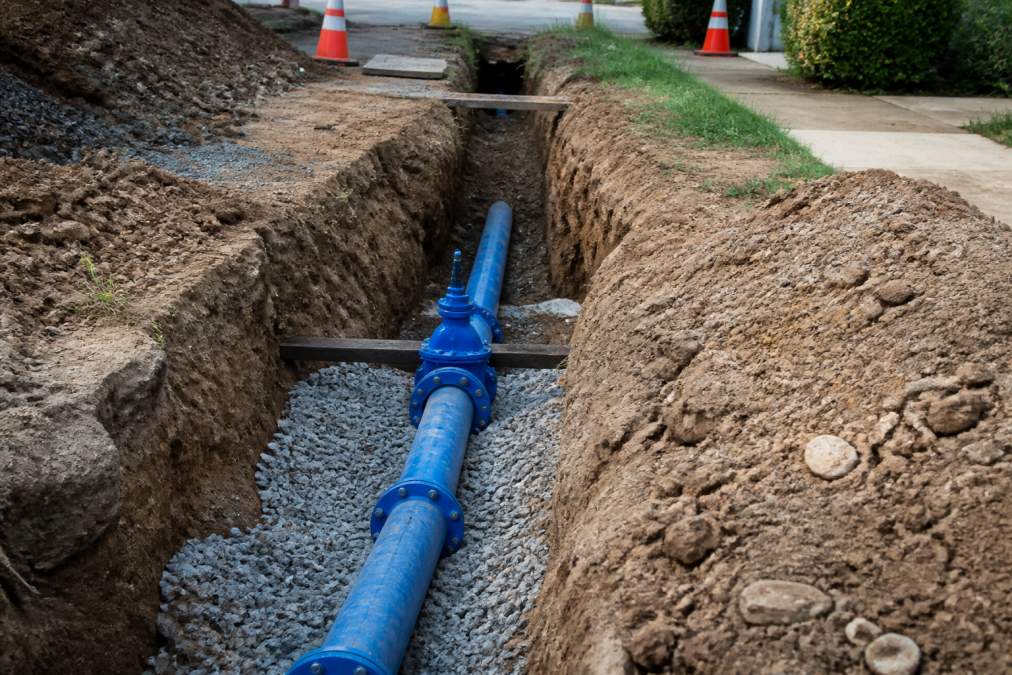
 comparison
Water Main Line Replacement Cost: 2026 Guide
Table of Contents
- What Is a Water Main and Why Replacement Matters
- Signs of a Broken Main Water Line
- Average Water Main Replacement Cost Breakdown
- Factors Influencing Water Main Replacement Costs
- Repair vs. Replacement: How to Decide
- Trenchless Water Line Replacement Cost and Benefits
- How Long Does Water Line Replacement Take
- Insurance and Warranty Coverage for Water Main Replacement
- Frequently Asked Questions
Last Updated: September 17, 2026
What Is a Water Main and Why Replacement Matters
A water main is the underground pipe that carries fresh water from the municipal supply to your home. Unlike service laterals that connect individual properties, the main water line serves the broader neighborhood infrastructure. When this pipe fails, it affects not just water delivery but also water quality, pressure, and potential property damage from leaks or flooding.
Understanding how much does main water line replacement cost matters because the expense can range dramatically depending on your specific situation. At UMark Plumbing and Drain Inc., we've helped homeowners navigate this decision, and the cost breakdown reveals why a simple "average" figure misleads most people. The real cost depends on depth, soil conditions, pipe material, and whether you choose traditional excavation or trenchless technology.
This guide walks you through the actual factors that determine pricing, when repair makes sense versus full replacement, and what to expect from the process itself.
Signs of a Broken Main Water Line
A failing water main sends clear signals before it becomes a crisis. The most obvious sign is a sudden drop in water pressure throughout your home, especially if the issue appears overnight. You might notice water pooling in your yard or a wet spot that persists even during dry weather; this indicates water escaping from the buried pipe.
Other warning signs include discolored water (rust or sediment), recurring main line failures in the same location, or unexplained spikes in your water bill without changes in usage. Some homeowners discover the problem only after noticing foundation cracks or soggy basement conditions caused by water saturation around the house perimeter.
If you suspect a water main issue, professional leak detection is essential. Plumbers use acoustic sensors and camera inspection to pinpoint the exact location and severity. This step determines whether repair or full replacement is necessary, a distinction that dramatically affects your final cost.
Average Water Main Replacement Cost Breakdown
The cost of water main replacement varies significantly based on project scope. Most homeowners should budget for a range rather than a fixed price, as site-specific factors create substantial variation. Request quotes from multiple licensed plumbers to understand what your particular situation requires.
Cost per Linear Foot
The cost per linear foot is one of the most important metrics for understanding water main replacement pricing. This figure reflects the length of pipe that needs replacement, multiplied by the cost to install each foot. The total linear footage depends on where your service lateral connects to the municipal main and how far that distance extends.
A typical residential water main runs between 20 and 100 linear feet from the street to your home, though some properties extend much further. The cost per linear foot varies based on pipe material, depth of burial, soil conditions, and whether trenchless technology is used. Traditional excavation typically costs less per linear foot than trenchless methods, but trenchless avoids landscaping restoration costs that can exceed the pipe installation itself.
Labor and Material Components
Labor represents the largest portion of water main replacement cost. Licensed plumbers charge hourly rates or flat fees depending on project complexity. The labor component includes site preparation, utility locating, excavation supervision, pipe installation, pressure testing, and site restoration.
Material costs depend on the pipe type selected. Copper, PEX, and PVC each have different price points and longevity profiles. Copper costs more upfront but offers long-term durability. PEX offers flexibility and easier installation, reducing labor time. PVC is the most economical choice for many installations.
Additional materials include fittings, valves, backflow prevention devices, and bedding material for proper pipe support. These components add to the overall material bill but are essential for code compliance and system durability.
Permits and Inspection Fees
Municipal permits are required for water main replacement work. Permit costs vary by jurisdiction but typically range based on project value. The permit application requires detailed plans showing the proposed work, pipe specifications, and depth information.
Inspections occur at multiple stages: before work begins, during excavation, after pipe installation, and after pressure testing. Each inspection ensures compliance with local plumbing codes and safety standards. Some municipalities charge per inspection; others include inspections in the permit fee.
Factors Influencing Water Main Replacement Costs
Several site-specific factors create the largest cost variations in water main replacement projects. Understanding these helps explain why your quote differs from a neighbor's estimate.
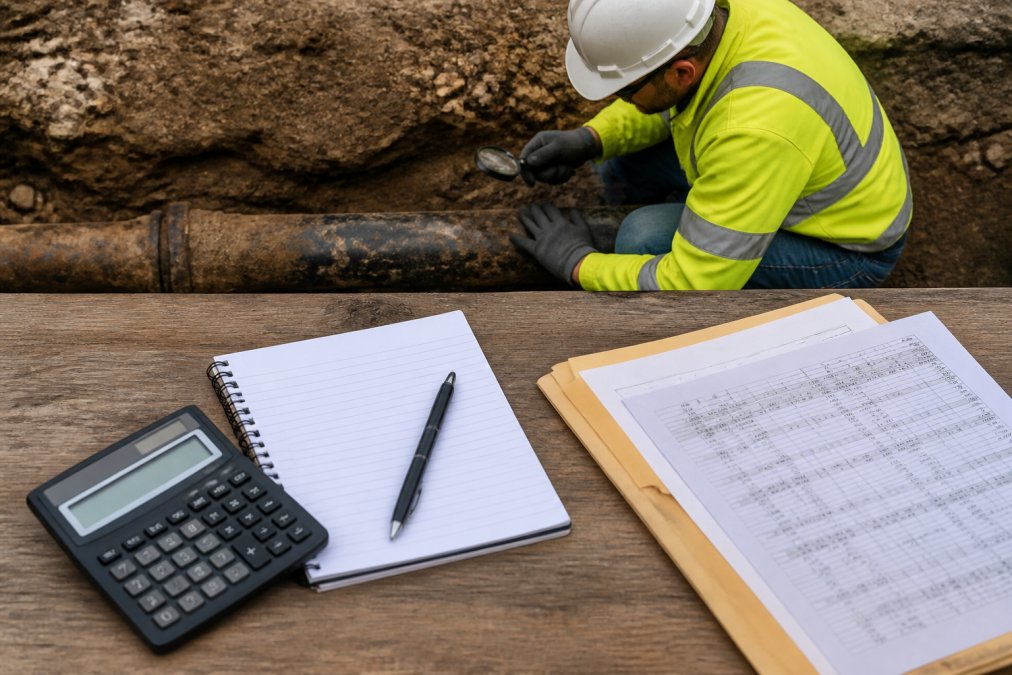
Depth of burial is a primary cost driver. Pipes buried at greater depths cost more to access than those buried more shallowly. Deeper excavation requires more labor, larger equipment, and longer restoration time. Extremely deep pipes in challenging soil may require specialized techniques that increase costs substantially.
Soil conditions directly affect excavation difficulty and speed. Sandy or loose soil excavates quickly and cheaply. Clay, rocky terrain, or soil contamination slow progress and increase labor costs. Wet soil or high water tables require dewatering equipment, adding expense.
Pipe material selection influences both installation cost and long-term durability. Copper costs more but withstands corrosion better in aggressive soils. PEX is easier to install, reducing labor time. PVC is economical but may require replacement sooner in certain conditions.
Property accessibility matters significantly. Pipes running under driveways, patios, or mature landscaping cost more to access and restore. Properties with clear access to the service lateral from street to home have lower excavation and restoration costs.
Distance from street to home directly correlates with total cost. A longer run costs substantially less than a shorter run. Some properties require longer runs due to lot configuration or setback requirements.
Ground utility conflicts add complexity and cost. If your water main runs near electrical lines, gas pipes, or sewer lines, extra care and potentially longer timelines are required. Utility locating services must identify all underground infrastructure before excavation begins.
Repair vs. Replacement: How to Decide
Not every failing water main requires complete replacement. Understanding when repair is sufficient versus when replacement is necessary helps you make a cost-effective decision.
Repair is appropriate when a single localized leak exists in otherwise sound pipe. If the leak is in the first few meters from your home and the rest of the main shows no signs of failure, targeted repair makes sense. This approach costs significantly less than full replacement and solves the immediate problem.
Replacement becomes necessary when multiple leaks exist in different sections, the pipe shows widespread corrosion, or the failure occurs in a difficult-to-access location where repair would require excavation nearly as extensive as replacement. Age also factors in; pipes approaching the end of their lifespan are better replaced than repeatedly repaired.
A professional plumber's camera inspection reveals the pipe's actual condition. This inspection shows corrosion severity, breaks, root intrusion, and other damage patterns. The inspection results guide whether repair or replacement makes financial sense for your situation.
Trenchless Water Line Replacement Cost and Benefits
Trenchless technology offers an alternative to traditional excavation for water main replacement. This method uses pipe bursting or directional drilling to install new pipe without extensive digging.
Pipe bursting involves inserting a bursting head into the existing pipe that fractures the old pipe while simultaneously pulling new pipe into place. This method works well for pipes in good structural condition. The process requires access points but eliminates the need to excavate the entire line, preserving landscaping and driveways.
Directional drilling uses a steerable drill head to bore a path underground for new pipe installation. This method works in challenging soil conditions and allows precise routing around obstacles. It's particularly useful when the water main runs under structures that cannot be excavated.
Trenchless methods cost more per linear foot than traditional excavation. However, the total project cost often comes out comparable or even lower when you factor in landscaping restoration.
How Long Does Water Line Replacement Take
The timeline for water main replacement depends on project scope, weather, and soil conditions. Most straightforward residential projects take 2-5 days from start to finish.
Insurance and Warranty Coverage for Water Main Replacement
Understanding your insurance coverage before a water main failure occurs prevents financial surprises. Most standard homeowners insurance policies do not cover water main replacement. The reasoning is that the water main is often considered municipal infrastructure, even though it serves your home.
Frequently Asked Questions
What is the average cost of water main replacement?
Water main replacement costs vary significantly based on line length, depth, soil conditions, and local labor rates. Most projects range from several thousand to over ten thousand dollars. The cost per linear foot differs between traditional excavation and trenchless methods. Contact UMark Plumbing and Drain Inc. for a free quote tailored to your specific situation and property conditions.
Is water main replacement covered by homeowners insurance?
Standard homeowners insurance typically does not cover water main replacement, as the service line is often considered part of the property owner's responsibility. However, some insurers offer optional water service line coverage or endorsements. Check your policy details or contact your insurance provider. Emergency repairs from burst pipes may have limited coverage depending on your plan terms.
What are the signs of a broken main water line?
Common signs include unexplained increases in water bills, wet patches or sinkholes in your yard, low water pressure throughout the house, discolored water, or the sound of running water when all fixtures are off. Root intrusion and corrosion are frequent causes of main line failure. If you notice these signs, contact a certified plumber immediately to prevent further damage and water loss.
How long does water line replacement take?
Replacement duration depends on line length, excavation method, and site accessibility. Traditional trenching typically takes 2-5 days for a standard residential line. Trenchless pipe bursting may be faster, often completing in 1-3 days. Permit delays and soil conditions can extend timelines. UMark Plumbing and Drain Inc. provides realistic project schedules during the initial assessment.