 how-to
What to Do If Your Hot Water Tank Bursts: 2026 Guide
Table of Contents
- Immediate Steps to Take When Your Hot Water Tank Bursts
- How to Shut Off Water to Water Heater: A Step-by-Step Guide
- Signs of a Failing Water Heater You Should Never Ignore
- What to Do After the Emergency: Cleanup and Damage Control
- When to Call Emergency Plumbing Services
- Preventing Future Hot Water Tank Bursts
- Frequently Asked Questions
Last Updated: September 13, 2026
Immediate Steps to Take When Your Hot Water Tank Bursts
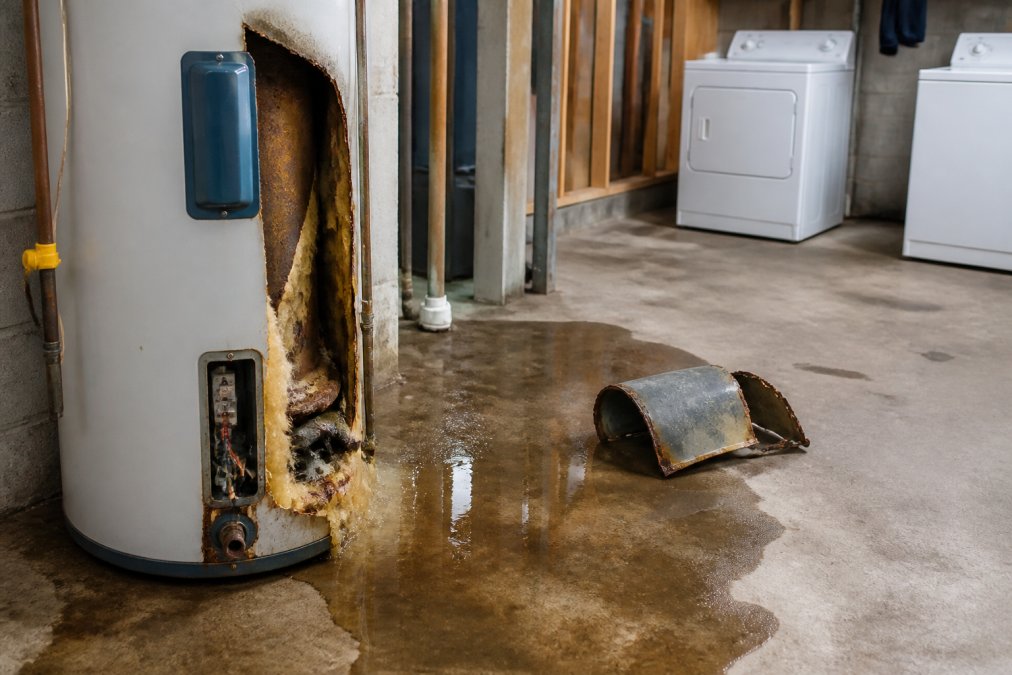
A burst hot water tank can release 150 to 300 liters of water in minutes, and the first five minutes decide how much of your home gets damaged (nrcan.gc.ca). The single most important action is to stop more water from entering the tank, then remove every power source near it. This guide walks through the exact sequence, from shutting the supply to filing an insurance claim, so you can act instead of panic.
Water from a failed tank can soak drywall, ruin flooring, and reach electrical panels within minutes. According to Health Canada guidance on flood cleanup and indoor air quality, standing water indoors creates both structural and health risks if it sits for more than a day. That is why the steps below are ordered the way they are: safety first, water second, cleanup last.
Step 1: Shut Off the Water Supply
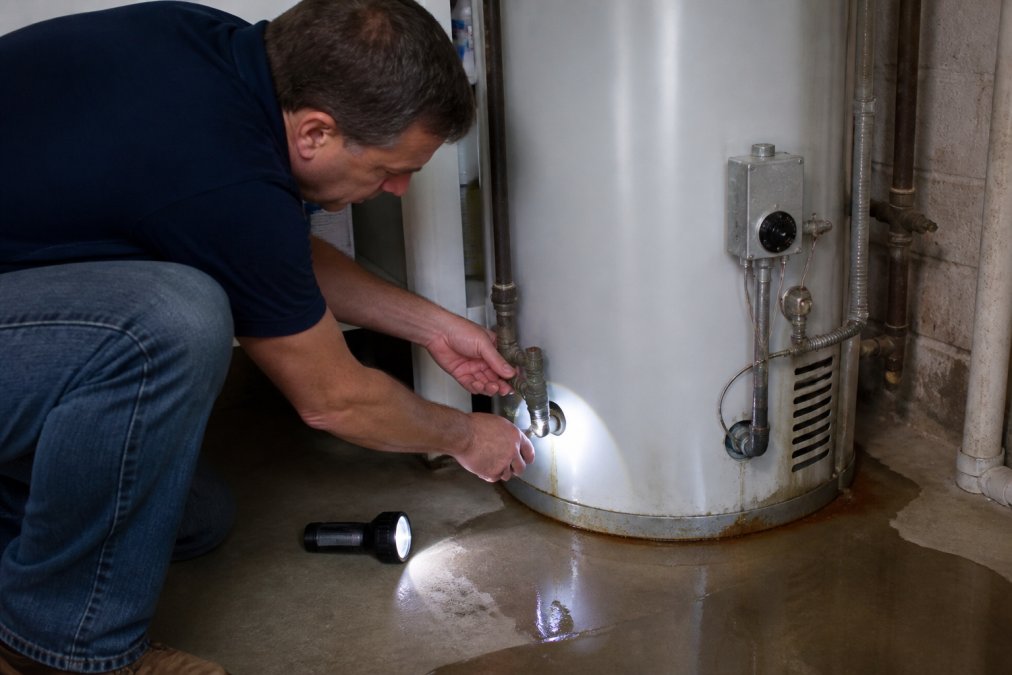
Close the cold water inlet valve on top of the tank by turning it clockwise until it stops. If that valve is seized or broken, go to your main shutoff valve and close it instead. This isolates the break and stops new water from feeding the leak.
If you cannot find or turn either valve within about 30 seconds, stop searching and move to Step 2. A running tank is far less dangerous than a live circuit standing in water.
Step 2: Cut the Power or Gas Supply
For an electric tank, switch off the dedicated circuit breaker at your panel. Do not stand in water while reaching for the panel, if the panel itself is wet or the floor between you and it is flooded, leave the area and call 911 from a dry location. For a gas unit, turn the gas control knob to "off" and do not relight the pilot. If you smell rotten eggs or hear hissing near the tank, do not touch any switch or phone inside the home; get everyone outside first, then call your gas utility's emergency line from a neighbor's phone or your cell once clear of the building.
Step 3: Contain and Assess
Once water and power are isolated, check whether the leak is still active. A tank that has fully drained will stop flowing on its own; a tank with a cracked fitting may keep weeping. Place towels or a wet vacuum at the lowest point of the floor to slow spread toward drains, finished rooms, or stored belongings.
Step 4: Watch for Hidden Hazards
Tank water is typically stored between 49°C and 60°C, hot enough to cause serious scald burns in seconds (canada.ca). Never reach into standing water near the tank without confirming the supply is off and the tank has begun to cool. Also watch for sagging drywall ceilings below the utility room, a soaked ceiling can collapse without warning, so keep children and pets out of the affected zone until a professional inspects it.
Before any plumber arrives, take a photo of your water meter. If it keeps spinning with every tap closed, water is still entering the system somewhere, which tells the technician where to look first.
How to Shut Off Water to Water Heater: A Step-by-Step Guide
Shutting off water to a water heater takes under two minutes once you know which valve controls it. The tank has a cold water inlet on top and a drain valve at the bottom, and only the inlet stops the flow.
- Locate the cold water inlet pipe on top of the tank.
- Turn the valve handle clockwise until it stops.
- Open a nearby hot water tap to confirm flow has stopped.
- If the inlet valve fails, close the main water shutoff for the whole house.
- Label the valve so the next person can find it fast.
A common mistake is closing the drain valve instead of the inlet. That does nothing to stop the supply and wastes time you don't have.
Signs of a Failing Water Heater You Should Never Ignore
Most tanks warn you before they rupture. Rust-colored water, popping or knocking sounds, and moisture around the base all point to sediment buildup or a corroding tank. A failing anode rod accelerates that corrosion, and a stuck pressure relief valve lets internal pressure climb until something gives.
Watch for these signs of a failing water heater:
- Puddles or rust streaks near the tank base
- Knocking or popping noises during heating cycles
- Water that runs rusty or metallic
- The pressure relief valve dripping or stuck
- Reduced hot water recovery time
Ignoring a dripping pressure relief valve is one of the most common causes of a full rupture. That valve is the tank's last pressure release, and a blocked or failed one lets thermal expansion build until the shell cracks.
What to Do After the Emergency: Cleanup and Damage Control
Once the water is off and power is isolated, cleanup begins, and the clock matters more than most homeowners realize. Mold can begin colonizing wet drywall, insulation, and carpet within 24 to 48 hours, and structural swelling in subfloors and framing starts even sooner. The goal is to move from "water stopped" to "surfaces dry" as fast as safely possible.
The First 24 Hours: Extract, Dry, Document
- Extract standing water. Use a wet vacuum or pump for anything deeper than a film. For carpets, a wet vacuum followed by towels and weight will pull most of the moisture out before it wicks into the pad.
- Remove saturated items. Cardboard, paper, and fabric hold moisture and feed mold. Move them out of the affected room, photograph them first, and discard anything that cannot be dried within a day.
- Start air movement and dehumidification. Open windows only if outdoor humidity is low; otherwise run fans and a dehumidifier continuously. Aim to keep indoor relative humidity below 50 percent, a cheap hygrometer from a hardware store is enough to check.
- Check hidden cavities. Baseboards, drywall bottoms, and the floor under the tank often stay wet after surfaces feel dry. A moisture meter (many hardware stores rent or sell them) tells you whether a wall is actually dry or just dry to the touch.
- Do not run the HVAC if the furnace or air handler sits in the flooded space. Water in a furnace cabinet can damage the blower and heat exchanger, and running it can spread moisture through the whole house.
Documenting the Damage for Insurance Claims
Most home insurance policies in Canada cover sudden and accidental water damage from a burst tank, but the claim lives or dies on documentation. Treat the first hour after the water is off as evidence collection:
- Photograph before you move anything. Shoot wide shots of each affected room, then close-ups of the tank, the water line on walls, damaged flooring, and ruined belongings. Include a coin or ruler in at least one close-up to show scale.
- Video a slow walkthrough. Narrate what you see, room by room, item by item. This is often more persuasive to adjusters than stills alone.
- Keep every receipt. Emergency plumber invoices, hotel stays, dehumidifier rentals, and replacement essentials all count toward a claim. Store them in one folder or a cloud album.
- Do not discard the tank until your insurer or adjuster confirms it can go. The failed unit is the single most important piece of physical evidence.
- Notify your insurer promptly. Most policies require notice within a reasonable time, and delays can complicate coverage. Ask whether your policy includes additional living expenses if the home is temporarily uninhabitable.
Temporary Water Bypass Solutions
If you need water back on before a replacement is installed, a plumber can bypass the tank so cold water still reaches your taps. This is a stopgap, not a fix. It restores cold water only and buys you time to schedule a proper water heater replacement. In the meantime, you can heat water on the stove for dishes and sponge baths, but never run a bypassed system through a dishwasher or washing machine that expects hot supply.
When to Bring in Professional Restoration
Call a restoration company if any of the following apply: water reached a finished basement or more than one room, the affected area stayed wet for more than 24 hours, you see or smell mold, or the damage involves cabinetry, hardwood, or a ceiling. Restoration technicians use commercial-grade dehumidifiers and air movers that pull moisture out of framing far faster than consumer units, and they can document conditions in a format insurers recognize.
When to Call Emergency Plumbing Services
Call a professional the moment the tank bursts if you cannot safely reach the shutoff, smell gas, or see water near your electrical panel. Emergency plumbing services exist for exactly this: a burst tank at 2 a.m. is not a wait-until-morning problem.
UMark Plumbing and Drain Inc. runs 24/7 emergency response with a certified team and over 20 years of experience, and we give an estimate before work begins so there are no surprise invoices. Whether you're in a house or managing a commercial property, downtime costs money, and prompt response keeps it short.
Before any plumber arrives, take a photo of your water meter. If it keeps spinning with every tap closed, water is still entering the system somewhere, which tells the technician where to look first.
Preventing Future Hot Water Tank Bursts
Prevention comes down to maintenance, not luck. Annual flushing clears sediment buildup that overheats the tank base, and checking the anode rod every couple of years tells you when to replace it before the steel shell corrodes. A plumber should also test the pressure relief valve and the thermal expansion tank during a professional inspection.
| Warning Sign | Likely Cause | Action |
|---|---|---|
| Rusty water | Corroded tank or anode rod | Replace anode rod, inspect tank |
| Popping sounds | Sediment buildup | Annual flushing |
| Dripping relief valve | Stuck or failed valve | Replace valve immediately |
| Moisture at base | Tank leak or condensation | Professional inspection |
| Reduced hot water | Sediment or failing element | Service or replace tank |
Keep an emergency kit checklist handy: a flashlight, towels, a wet vacuum, gloves, and your main shutoff location written down. When a tank bursts, you will not have time to search for any of it.
Frequently Asked Questions
How common is it for a water heater to burst?
Water heater bursts are uncommon but not rare. Most residential tanks last 8 to 12 years, and the risk rises sharply after year 10 as corrosion and sediment buildup weaken the tank walls. Annual flushing and anode rod checks can extend the life of your unit. If your tank is older than a decade and shows rust or popping noises, plan a replacement before it fails.
Does home insurance cover water damage from a burst hot water tank?
Coverage depends on your policy and the cause of the burst. In Canada, many home insurance policies cover sudden and accidental water damage from a burst tank, but they often exclude damage from a tank that failed due to neglected maintenance or gradual corrosion. Document everything with photos and receipts, then contact your insurer as soon as possible to file a claim.
How quickly should I call an emergency plumber after a burst?
Call immediately after you have shut off the water and power. Every minute of standing water increases the risk of structural damage, mold growth, and electrical hazards. A licensed emergency plumbing service can arrive quickly, isolate the break, and begin repairs or replacement. Delaying the call can turn a manageable repair into a costly restoration project.
Should I turn off the electricity or gas before dealing with a leaking tank?
Yes. If your water heater is electric, switch off the circuit breaker that feeds it. For a gas unit, turn the gas supply line valve to the off position and do not relight the pilot light yourself. Cutting the power or gas prevents electrocution, fire, or gas leaks while you address the water. If you smell gas, leave the building and call your gas provider from outside.
A burst tank is a race against water damage, and the difference between a minor cleanup and a gutted basement is how fast someone qualified gets there. UMark Plumbing and Drain Inc. offers 24/7 emergency service, a certified team, and over 20 years of experience handling burst tanks, leaks, and full replacements for homes and businesses alike. Get a free quote from UMark Plumbing and Drain Inc. and get your water back on with a repair that holds.