 listicle
Why Professional Plumbing Repairs Last Longer
Table of Contents
- Why Professional Plumbing Repairs Last Longer
- The Role of Professional-Grade Materials in System Reliability
- Benefits of Hiring a Licensed Plumber
- Common Plumbing Repair Mistakes That Cause Recurring Problems
- Plumbing Code Compliance in Canada: Why It Matters for Longevity
- Advanced Diagnostic Tools That Prevent Future Issues
- Workmanship Warranty and Long-Term System Durability
- Conclusion
Last Updated: August 21, 2026
Why Professional Plumbing Repairs Last Longer
When a pipe fails, homeowners face a choice: call a licensed professional or attempt a quick fix. Professional plumbing repairs typically outlast DIY attempts by years, sometimes decades. This isn't accidental, it results from material selection, technique, code compliance, and diagnostic precision that only certified technicians bring to the job.
At UMark Plumbing and Drain Inc., we've seen the consequences of both approaches. A homeowner might patch a leak with hardware store sealant and believe the problem is solved. Six months later, the same spot fails again, often worse. A professional repair addresses the root cause, uses materials rated for the specific application, and installs to code. The result is system reliability that holds for years.
Pipes don't fail randomly. They fail because of corrosion, pressure stress, material incompatibility, or installation errors. Each has a professional solution. Below, we'll show you exactly why professional plumbing repairs last longer and what makes the difference between a temporary patch and a permanent fix.
The Role of Professional-Grade Materials in System Reliability
Professional-grade materials are engineered for durability, pressure resistance, and corrosion prevention in ways consumer-grade products simply aren't.
A licensed plumber uses materials meeting or exceeding National Plumbing Code of Canada standards (nrc.canada.ca). These materials have been tested for longevity under real-world conditions, temperature fluctuations, water chemistry variations, and sustained pressure loads. PEX and PVC materials are rated for specific temperature and pressure ranges, with proper support and expansion considerations built into installation.
Consumer-grade alternatives cut corners. A hardware store repair kit might contain sealant rated for temporary use only, or fittings that corrode faster in your local water chemistry. The cost difference is small upfront, but the lifespan difference is measured in months versus years.
Material compatibility prevents galvanic corrosion. When different metals contact each other in water, corrosion accelerates. A professional knows which materials can safely connect and which combinations will degrade. They understand how your local water pH affects copper versus PEX and select accordingly. This knowledge prevents leaks from recurring in the same location.
Professional-grade materials also include proper fittings, valves, and connectors rated for specific applications. A shutoff valve installed by a professional operates smoothly for decades. The same valve from a big-box store might seize after years of disuse.
Benefits of Hiring a Licensed Plumber
A licensed plumber brings three things a DIYer cannot: training, accountability, and access to diagnostic tools that reveal problems before they become emergencies.
Training is extensive. Plumbers complete apprenticeships spanning four to five years, combining classroom instruction with on-site experience (red-seal.ca). They study fluid dynamics, building codes, safety protocols, and system design. They learn to recognize patterns, a slow leak in one location often indicates corrosion elsewhere in the system, or water pressure fluctuations signal a failing regulator. This pattern recognition prevents recurring problems by addressing the actual cause, not just the symptom.
Accountability matters significantly. When a licensed plumber completes work, they stand behind it. Most offer workmanship warranties covering labor for a set period. If the repair fails due to installation error, they return and fix it at no cost. A DIY repair has no such protection.
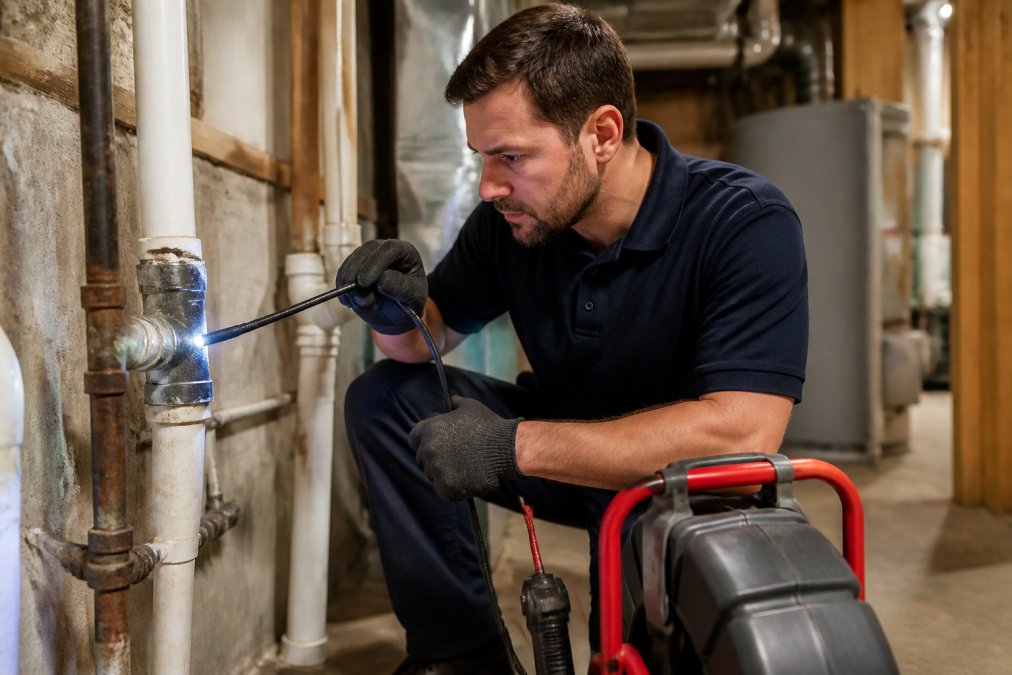
Licensed plumbers have access to commercial-grade diagnostic equipment that identifies hidden problems. These tools detect leaks before visible damage occurs, pinpoint blockages without excavation, and assess pipe integrity without destructive testing. A homeowner might see a wet spot under the sink and assume the problem is local. A professional uses thermal imaging or acoustic detection to trace the issue upstream, often discovering the real problem elsewhere in the system.
Professional response time during emergencies is another practical benefit. A burst pipe at 2 AM isn't something most homeowners can handle alone. UMark Plumbing and Drain Inc. offers round-the-clock service because water damage accelerates quickly. Professional arrival within an hour can mean the difference between a contained leak and structural damage.
Common Plumbing Repair Mistakes That Cause Recurring Problems
DIY repairs fail for predictable reasons.
Using the wrong material for the application. A homeowner might use CPVC on a hot water line where PEX is required, or apply sealant to a joint needing a mechanical fitting. The repair seems to work initially, but material incompatibility causes failure. Sealant dries and cracks under temperature cycling. A professional knows the material requirements for each application.
Ignoring the root cause. A leak appears at a joint. The DIYer tightens the fitting or applies sealant. The leak stops, temporarily. But if the underlying cause is corrosion, mineral buildup, or water chemistry issues, the same location will fail again within months. A professional investigates why the failure occurred and addresses the cause.
Improper pressure testing and validation. A professional pressurizes the system after repair to confirm the fix holds under load. Most DIYers skip this step. The repair seems fine at normal pressure but fails when the system experiences a pressure spike.
Failing to account for expansion and contraction. Plastic piping expands and contracts with temperature changes. If a DIYer installs PEX without proper support or expansion loops, the pipe will stress the fittings and eventually leak. A professional accounts for thermal movement by design.
Mixing incompatible materials without proper transition fittings. Connecting copper to galvanized steel without an approved transition fitting creates galvanic corrosion. The connection deteriorates invisibly and fails years later. A professional uses correct transition fittings and isolation methods.
Inadequate support or improper slope. Horizontal drain lines need proper slope for gravity-fed flow. Supply lines need support to prevent sagging and stress on fittings. A professional installs with slope and support specifications in mind.
These mistakes share a common thread: they treat the immediate symptom rather than the underlying system. A professional approach addresses the complete picture, material compatibility, root cause, pressure dynamics, thermal behavior, and code requirements.
Plumbing Code Compliance in Canada: Why It Matters for Longevity
The National Plumbing Code of Canada ensures plumbing systems are safe, reliable, and durable. Compliance isn't bureaucratic overhead, it's the difference between a system lasting decades and one that fails repeatedly.
The code specifies materials, installation methods, support requirements, and testing procedures. When a professional installs a repair to code, they follow standards developed through decades of field experience and engineering research. These standards account for water chemistry variations across regions, seismic activity, freeze-thaw cycles, and long-term material degradation.
Code compliance also protects liability and resale value. If a plumbing failure causes water damage, an insurance claim might be denied if the system wasn't installed to code. When you sell your home, an inspector will identify non-code installations. Buyers will demand repairs or price reductions.
Professional plumbers stay current with code changes. A licensed plumber knows current standards and applies them. A DIYer installing to outdated specifications creates future problems.
One specific example: backflow prevention. The code requires certain installations to include backflow preventers, devices that stop contaminated water from flowing backward into the clean water supply (nrc.canada.ca). A professional installs them as standard practice, preventing health hazards and meeting legal requirements.
Advanced Diagnostic Tools That Prevent Future Issues
Professional plumbers use tools that reveal problems invisible to the naked eye, preventing recurring issues by identifying root causes before they cascade into system failures.
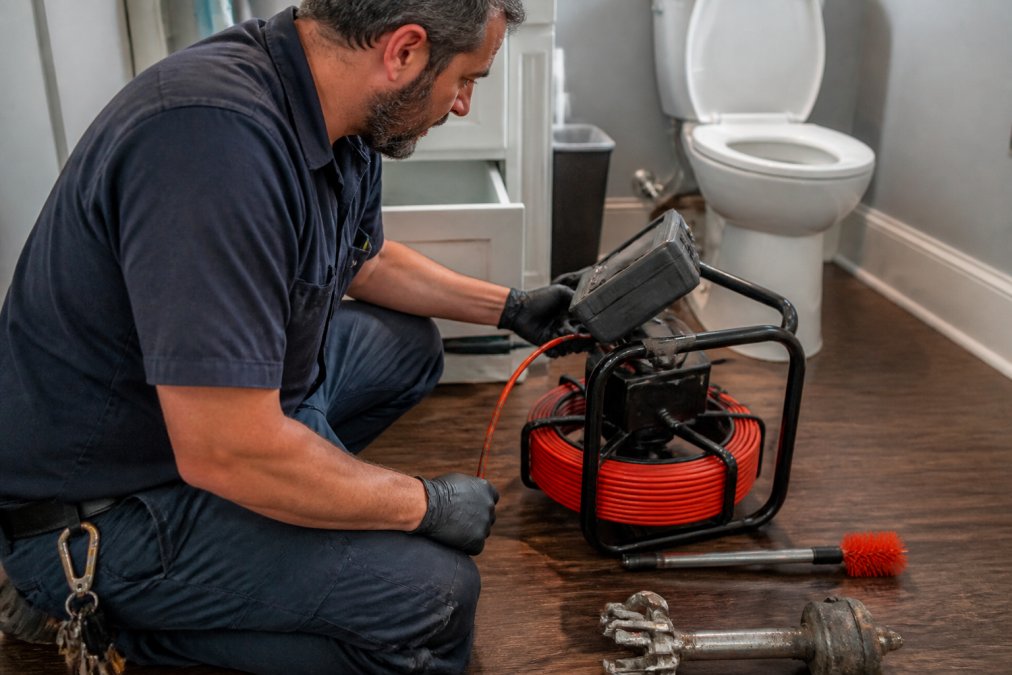
The RIDGID SeeSnake Mini with TruSense is a pipe inspection camera providing high-definition video of drain and sewer line interiors. A plumber can see mineral buildup, root intrusion, cracks, or corrosion before they cause blockages. Early detection allows preventative action, cleaning, relining, or replacement, before complete failure. A homeowner with a slow drain might pour chemical cleaner and assume the problem is solved. A professional uses the camera to see that the real issue is a cracked line allowing soil infiltration.
Thermal imaging tools like the Fluke TiS60+ detect temperature anomalies indicating hidden leaks. A leak inside a wall might go unnoticed until structural damage is severe. Thermal imaging reveals the leak's location without demolition, enabling targeted repair.
Acoustic leak detection equipment like the SubSurface LD-18 pinpoints leaks in buried or concealed pipes by listening for water escaping under pressure. A homeowner might notice higher water bills but have no idea where the leak is. A professional uses acoustic detection to locate it precisely.
The Milwaukee M18 FORCE LOGIC Press Tool creates leak-free connections in modern piping systems. Unlike traditional threaded connections that loosen over time, press fittings create permanent mechanical bonds, ensuring consistent pressure and connection integrity.
A professional doesn't guess, they diagnose. They see inside pipes, detect hidden leaks, and measure system integrity. This diagnostic precision prevents recurring problems.
Workmanship Warranty and Long-Term System Durability
A professional plumber's warranty guarantees durability and provides financial protection for the homeowner.
Most licensed plumbers offer workmanship warranties covering labor for a set period. If the repair fails due to installation error, the plumber returns and fixes it at no cost. This warranty exists because professionals are confident in their work. Proper installation using correct materials and techniques will hold.
The warranty provides recourse if something goes wrong. A homeowner with a failed DIY repair pays full price for the fix. A homeowner with a professional repair under warranty calls back and the problem is resolved at no additional cost.
Beyond the warranty period, professional work tends to outlast DIY repairs by years or decades because the professional addressed the underlying cause, used appropriate materials, and installed to code.
Long-term system durability also depends on preventative maintenance. A professional can recommend maintenance schedules specific to your system's age, water chemistry, and usage patterns. Regular maintenance catches problems early. A slow leak detected during annual inspection can be repaired before water damage occurs. This proactive approach prevents emergency calls.
Conclusion
Professional plumbing repairs last longer because they address the complete system rather than just the immediate symptom. Licensed plumbers use materials engineered for durability, follow code standards developed through decades of field experience, and employ diagnostic tools that reveal hidden problems. They stand behind their work with warranties and provide ongoing maintenance guidance.
The cost difference between a professional repair and a DIY attempt is often recovered within months when you factor in repeated failures, emergency calls, and water damage. UMark Plumbing and Drain Inc. offers certified plumbing services backed by over 20 years of experience, 24/7 emergency availability, and a commitment to high-quality, long-lasting repairs. When you need plumbing work done right the first time, get a free quote from UMark Plumbing and Drain Inc. and see how professional service protects your home's infrastructure for years to come.
Frequently Asked Questions
What are the risks of improper DIY plumbing repairs?
DIY repairs often lack proper knowledge of building codes and material compatibility, leading to leaks, water damage, and structural issues. Incorrect installations may void warranties on fixtures and create liability for property damage. Professional plumbing repairs follow the National Plumbing Code of Canada, ensuring safety and longevity. Improper work can result in costly emergency repairs within weeks or months rather than years of reliable service.
How do professional plumbing repairs last longer than DIY fixes?
Professional plumbers use professional-grade materials, diagnostic tools, and installation techniques that meet code standards. They identify hidden damage invisible to homeowners and address root causes rather than symptoms. Certified technicians understand pipe integrity, corrosion resistance, and system optimization based on your home's specific infrastructure. Licensed repairs come with workmanship warranties, ensuring accountability and long-term durability that DIY fixes cannot provide.
Why does plumbing code compliance in Canada matter for repair longevity?
The National Plumbing Code of Canada sets installation standards that ensure water pressure regulation, proper drainage, and structural safety. Code-compliant repairs prevent recurring disruptions and water damage mitigation issues. Professional plumbers know local requirements and ensure all work meets these standards, which directly impacts how long repairs last and protects your home from liability. Non-compliant work may fail inspection and require costly rework.
What tools do professional plumbers use that improve repair durability?
Professionals use advanced diagnostic tools like pipe inspection cameras (RIDGID SeeSnake), thermal imaging (Fluke TiS60+), and acoustic leak detectors to identify hidden problems before they cause failure. Press tools like the Milwaukee M18 FORCE LOGIC create leak-free connections consistently. These tools enable accurate problem identification and precise repairs, reducing guesswork and preventing recurring issues that plague amateur fixes.
This article was written using GrandRanker