 how-to
Prevent Recurring Drain Clogs: 7 Proven Tips That Work
Table of Contents
- Why Drain Clogs Keep Coming Back (And How to Stop the Cycle)
- 1. Install Drain Strainers and Screens in Every Fixture
- 2. Preventing Grease Buildup in Kitchen Sinks
- 3. Master Hot Water Flushes and Natural Cleaning Solutions
- 4. Bathroom Drain Care: Tackling Hair Buildup and Soap Scum
- 5. Recognize the Signs of Main Sewer Line Blockage Early
- 6. Professional Drain Cleaning Frequency: How Often Is Enough?
- 7. Troubleshooting Slow Drains vs. Total Clogs: What to Do First
- Frequently Asked Questions
Last Updated: September 12, 2026
Why Drain Clogs Keep Coming Back (And How to Stop the Cycle)
Most recurring drain clogs are not bad luck. They are the predictable result of what goes down your drains every day, combined with pipe conditions that make buildup worse over time. This guide from UMark Plumbing and Drain Inc. breaks down seven proven tips to prevent drain clogs and stop the cycle for good.
Drain clog prevention is the practice of stopping blockages before they form by controlling what enters your plumbing system and maintaining pipes on a regular schedule. It costs far less than emergency repairs.
Here's what most guides get wrong: they treat every clog as a one-time event. In reality, the same conditions that caused the first blockage, grease film, hair accumulation, mineral deposits, will cause the next one unless you change your habits and your maintenance routine.
The tips below cover kitchen sinks, bathroom drains, and main sewer lines. They also address the factors generic advice ignores, including pipe material compatibility and hard water impact.
1. Install Drain Strainers and Screens in Every Fixture
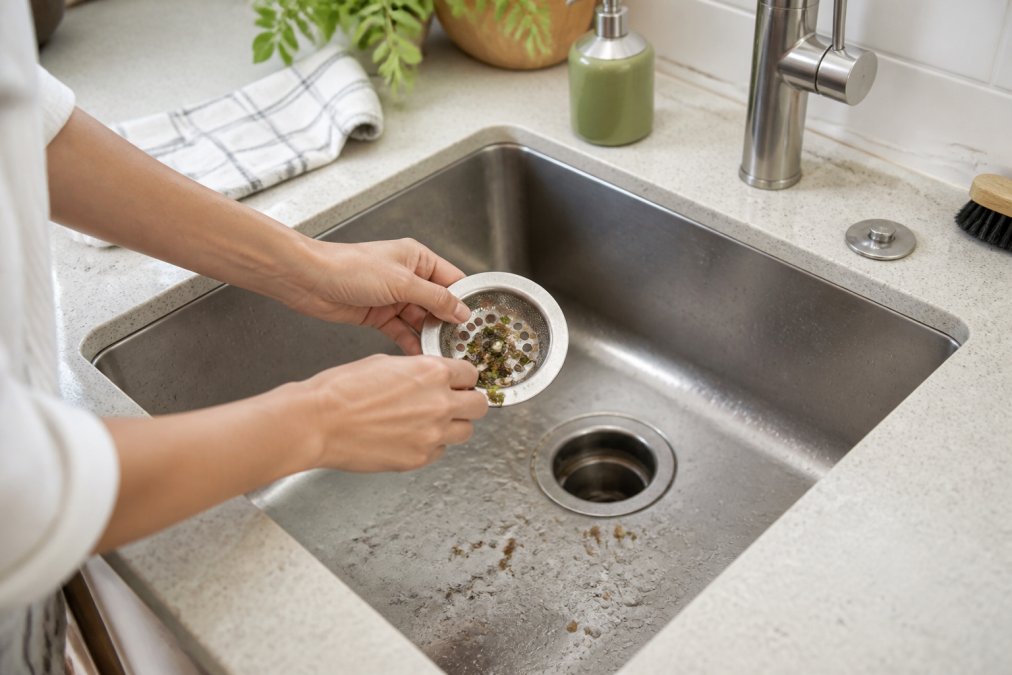
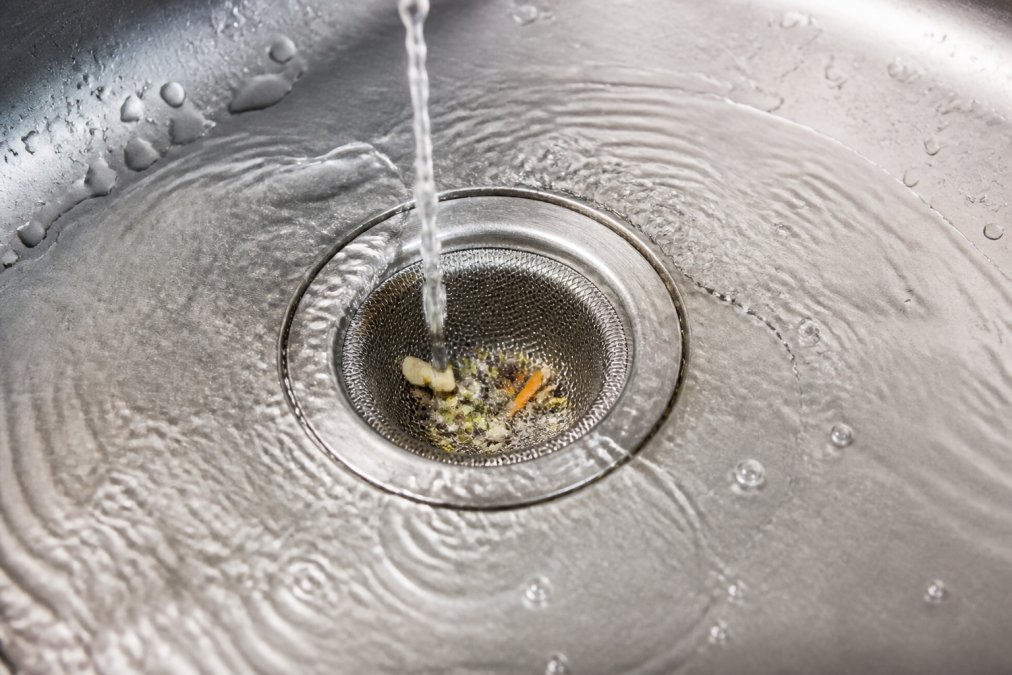
A drain strainer is the simplest and cheapest clog prevention tool available. It catches food particles, hair, and debris before they enter the drain trap.
Most homes have strainers in the kitchen but not in bathroom sinks, showers, or tubs. That's a mistake. Hair buildup in bathroom drains is one of the most common causes of recurring blockages.
Choosing the Right Strainer for Each Drain
- Kitchen sink: Fine mesh stainless steel basket to catch small food particles
- Bathroom sink: Pop-up stopper with a built-in hair catcher
- Shower and tub: Silicone or metal hair guard that fits over the drain opening
- Floor drains: Removable grate with a mesh screen underneath
Clean each strainer every one to two days. A clogged strainer defeats the purpose.
2. Preventing Grease Buildup in Kitchen Sinks
Grease is the leading cause of kitchen drain blockages. It goes down as a liquid and solidifies as it cools inside the pipe. Over time, that layer of fat narrows the pipe and traps food particles.
The fix is straightforward: never pour grease down the drain.
Fats, Oils, and Grease (FOG): What to Do Instead of Pouring
- Pour cooled grease into a sealed container and put it in the garbage
- Wipe pans and plates with a paper towel before washing
- Use a drain screen to catch residual food particles
- Run cold water while washing dishes, not hot, so any remaining grease stays solid and gets caught
Many municipalities in Ontario run FOG awareness programs because grease is a major contributor to sewer line blockages (ontario.ca). Check with your local region for disposal guidelines specific to your area.
3. Master Hot Water Flushes and Natural Cleaning Solutions
A weekly hot water flush is one of the most effective habits to prevent drain clogs. Fill your sink with hot water, remove the stopper, and let it drain at full force. The heat helps melt away the thin film of grease and soap scum that builds up on pipe walls.
Do this once a week for kitchen drains and every two weeks for bathroom drains. For a stronger flush, run hot water for 30 to 60 seconds after each use rather than a single weekly burst, small, frequent flushes keep residue from ever setting.
Baking Soda, Vinegar, and Enzymatic Cleaners: What Works
Baking soda and vinegar create a fizzing reaction that can loosen light buildup. Pour half a cup of baking soda down the drain, follow with half a cup of vinegar, wait 15 minutes, then flush with hot water.
This method works for maintenance. It will not clear a solid blockage, and it does nothing for mineral scale.
Enzymatic cleaners contain bacteria and enzymes that break down organic matter like grease, soap scum, and food particles. They are safe for all pipe materials and work best when used monthly as a preventative measure. Unlike chemical drain cleaners, enzymatic products do not corrode pipes. They also keep working in the trap and branch line for days after application, which is why they outperform a one-time flush for recurring organic clogs.
Enzymatic vs. Chemical Cleaners: A Pipe-Longevity Trade-Off
This is where most guides stop, and it is the part that matters most for recurring clogs.
- Enzymatic cleaners digest organic buildup slowly and continuously. They are compatible with PVC, ABS, cast iron, copper, and galvanized steel. Best for monthly maintenance and mild slow drains.
- Caustic chemical cleaners (typically sodium hydroxide or sulfuric acid based) generate heat and dissolve organic matter fast. They can soften or crack older PVC, accelerate corrosion in cast iron and galvanized steel, and damage rubber gaskets and seals (canada.ca). Repeated use is a common reason a drain that clogs "every few months" keeps doing so, the pipe itself is degrading.
- Acidic cleaners attack mineral scale but are aggressive on metal fittings and can pit chrome and brass.
A practical rule: if your home was built before the 1990s and still has original drains, treat chemical cleaners as a last resort, not a monthly habit.
Hard Water and Limescale: The Hidden Glue Behind Recurring Clogs
If you have hard water, mineral scale (limescale) deposits on the inside of pipes the same way it does on a kettle. That rough, chalky layer narrows the pipe and gives grease, hair, and soap scum something to grip. This is why some homes get repeat clogs no matter how careful they are, the buildup is mineral, not just organic.
Signs of a limescale problem:
- White or chalky crust around faucets, aerators, and drain rims
- Soap that lathers poorly
- Water spots on dishes and fixtures
- Clogs that return in the same drain within weeks
What helps:
- A whole-home water softener reduces the minerals that form scale in the first place
- Periodic descaling with a mild acid (citric acid or a dedicated descaler) for fixtures and accessible traps, check pipe material first
- More frequent hot water flushes, since scale plus grease is worse than either alone
If your area has hard water, this single factor can explain why generic prevention tips are not working for you.
4. Bathroom Drain Care: Tackling Hair Buildup and Soap Scum
Hair buildup combined with soap scum is the primary cause of bathroom drain clogs. Hair strands tangle together and form a net that catches soap residue, creating a solid mass inside the drain trap.
A drain stopper or hair catcher is your first line of defense. Beyond that, here's what works:
- Remove the stopper monthly and clear any visible hair
- Use a drain snake every two to three months for deeper cleaning
- Flush with hot water after every shower to keep soap scum moving
- Avoid bar soap if you have recurring clogs; body wash leaves less residue
5. Recognize the Signs of Main Sewer Line Blockage Early
Main sewer line blockage signs differ from a simple sink clog. Watch for these warning signs:
- Multiple drains backing up at the same time
- Sewage odor from drains or the basement
- Gurgling sounds from toilets or drains
- Water backing up in the basement floor drain
- Slow drainage throughout the entire house
If you notice two or more of these signs, the problem is likely in the main sewer line, not an individual fixture. This requires professional attention. A drain snake or plunger will not solve a main line blockage.
6. Professional Drain Cleaning Frequency: How Often Is Enough?
Professional drain cleaning frequency depends on your home's age, pipe material, water hardness, and usage. For most households, an annual inspection and cleaning is sufficient (cmhc-schl.gc.ca). Homes with older pipes, large families, hard water, or a history of recurring clogs may need service every six months.
But the schedule is not one-size-fits-all. Pipe material is the single biggest variable most guides ignore.
How Pipe Material Changes Your Maintenance Schedule
- PVC and ABS (common in homes built or re-piped after the late 1970s): Smooth walls resist buildup well. Annual inspection is usually enough unless the home has hard water or heavy kitchen use.
- Cast iron (common in older homes): Corrodes from the inside over decades, creating a rough, pitted surface that snags debris. Expect more frequent cleaning, often every 6 to 12 months, and watch for scale and tuberculation.
- Galvanized steel: Corrodes internally and narrows over time. These lines are prone to repeat clogs and may eventually need replacement rather than repeated cleaning.
- Clay or older sewer laterals: Joints and cracks invite root intrusion. Camera inspection every 12 to 24 months is wise, especially if you have mature trees near the line.
- Copper: Generally smooth and durable, but acidic cleaners can attack it, another reason to favor enzymatic products for maintenance.
If you do not know what your pipes are made of, a camera inspection will tell you, and that single piece of information will shape your entire prevention plan.
When to Call a Professional vs. DIY
| Situation | DIY Approach | Professional Service |
|---|---|---|
| Slow-draining single sink | Plunger or drain snake | Not needed yet |
| Recurring clog in same drain | Enzymatic cleaner, strainer | Schedule inspection |
| Multiple drains slow | Not effective | Book professional cleaning |
| Sewage odor or backup | Stop using water | Call for emergency service |
| Main sewer line blockage | Not safe | Hydro-jetting or camera inspection |
Professional drain cleaning uses tools like hydro-jetting, which blasts water at high pressure to clear the entire pipe wall, not just a channel through the clog. A camera inspection identifies root intrusion, pipe corrosion, or scale buildup that a drain snake cannot reach, and confirms whether your pipe material can handle the method being used. Hydro-jetting, for example, is powerful enough to damage fragile older pipes if pressure is not matched to the material.
At UMark Plumbing and Drain Inc., our certified team provides 24/7 emergency and routine drain services for both residential and commercial properties. We've served homeowners and businesses for over 20 years.
7. Troubleshooting Slow Drains vs. Total Clogs: What to Do First
A slow-draining sink and a completely blocked drain need different approaches. Knowing the difference saves time and prevents damage.
Slow drain: Water pools but eventually drains. This usually means partial buildup on the pipe walls. Start with a hot water flush, then try baking soda and vinegar. If the drain stays slow after two treatments, use a drain snake to pull out debris.
Total clog: Water does not drain at all. A plunger is your first tool. If that fails, a drain snake can reach the blockage. Do not use chemical cleaners on a total clog; they sit in standing water and can damage pipes without clearing the blockage.
How do I know if my drain clog is serious?
If one fixture is affected, it's usually a local clog you can handle. If multiple fixtures are slow or backing up, the blockage is in the main sewer line and needs professional service. Persistent drain odor or gurgling sounds also point to a larger issue.
Does pipe material affect clog prevention?
Yes. Older galvanized steel pipes corrode internally, creating rough surfaces that catch debris. Clay sewer lines are prone to root intrusion. PVC and ABS pipes are smoother and resist buildup better. If your home has older pipe materials, more frequent professional cleaning may be necessary.
How does hard water affect my drains?
Hard water leaves mineral deposits inside pipes over time. These deposits narrow the pipe and give debris something to cling to. If you have hard water, descaling your pipes periodically and using a water softener can reduce buildup.
Recurring drain clogs are frustrating, but they are preventable with the right habits and tools. If you've tried strainers, hot water flushes, and enzymatic cleaners and still deal with repeat blockages, the issue may be deeper in your pipes than DIY methods can reach. UMark Plumbing and Drain Inc. offers certified technicians, 24/7 emergency availability, and over 20 years of experience serving residential and commercial clients. Get a free quote and stop dealing with the same clog every few weeks.
Frequently Asked Questions
What causes recurring drain clogs?
Recurring clogs usually stem from gradual buildup that never fully clears. Common culprits include grease that solidifies inside pipes, hair tangled with soap scum, and mineral deposits from hard water. Even after a clog is cleared, residue remains and catches new debris. Without addressing the root cause, such as installing a drain strainer or scheduling periodic cleaning, the same blockage returns within weeks. A professional inspection can identify whether pipe corrosion or a bellied sewer line is making you prone to repeat clogs.
How to keep drains from clogging naturally?
Natural prevention focuses on habits and simple tools. Use a drain screen in every fixture to catch hair and food. Once a week, pour a kettle of hot water down each drain to melt grease. Follow with a mixture of half a cup of baking soda and half a cup of vinegar; let it fizz for 15 minutes, then flush with hot water. For maintenance, enzymatic cleaners use bacteria to digest organic matter and are safe for pipes. Avoid chemical drain cleaners, which can damage older pipes and rarely remove the full clog.
Why should you never use baking soda and vinegar to unclog a drain?
Baking soda and vinegar can be useful for maintenance and mild odor control, but they are not effective for clearing a full blockage. The fizzing action only reaches the top of the clog and does not generate enough force to push it through. Worse, if the drain is completely blocked, the mixture sits in the standing water and does nothing. For a total clog, a drain snake or plunger is needed. If those fail, call a professional. Using baking soda and vinegar as a primary unclogging method often wastes time and can lead to a bigger mess.
When should you call a professional for recurring drain issues?
Call a professional if you have cleared the same drain more than twice in three months, if multiple fixtures are slow at once, or if you notice sewage odors. These signs suggest a main sewer line blockage or pipe damage that DIY tools cannot fix. A licensed plumber can perform a camera inspection, hydro-jetting, or a drain snake to remove the blockage completely. For homes in older neighborhoods, professional drain cleaning frequency of once every 12 to 18 months is often recommended to prevent emergencies.