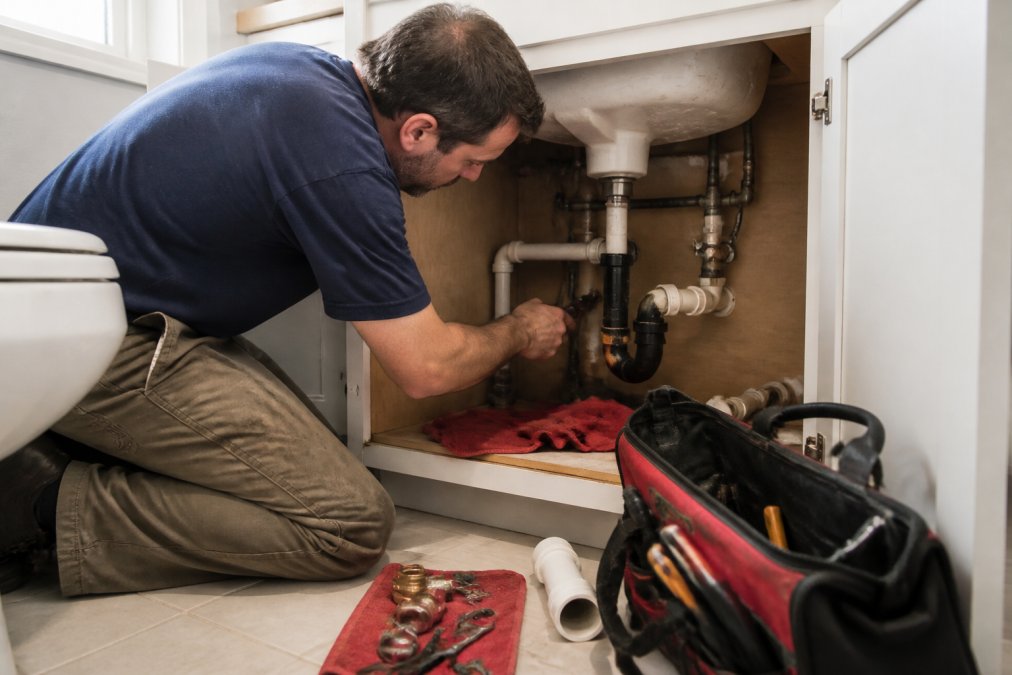
 how-to
Residential Plumbing Repair Services: A How-To Guide
Table of Contents
- Understanding Common Residential Plumbing Problems
- When to Call a Professional vs. DIY Troubleshooting
- Understanding Emergency Plumbing Repair Costs
- Hiring a Licensed Plumber: Your Checklist
- What to Expect During a Residential Plumbing Repair
- Preventative Maintenance to Avoid Future Repairs
- Frequently Asked Questions
Last Updated: September 2, 2026
Understanding Common Residential Plumbing Problems
When your home's plumbing fails, the consequences ripple quickly through daily life. A burst pipe doesn't wait for business hours. A clogged drain doesn't care if it's a weekend. Understanding what's happening inside your walls and under your floors is the first step toward deciding whether you can handle it yourself or need professional help. At UMark Plumbing and Drain Inc., we've spent over 20 years helping homeowners distinguish between minor fixes and genuine emergencies that demand immediate attention.
The most common residential plumbing problems fall into a few predictable categories, each with its own warning signs and urgency level.
Burst pipes and emergency leaks
Burst pipes are the plumbing equivalent of a crisis. They happen without warning, flood your home within hours, and demand immediate action. Freezing temperatures cause pipes to expand and contract; corrosion weakens them over decades; water pressure spikes from municipal systems can split them open. When a pipe bursts, water doesn't trickle, it floods. You'll see water pooling in basements, staining ceilings, or spraying from under sinks.
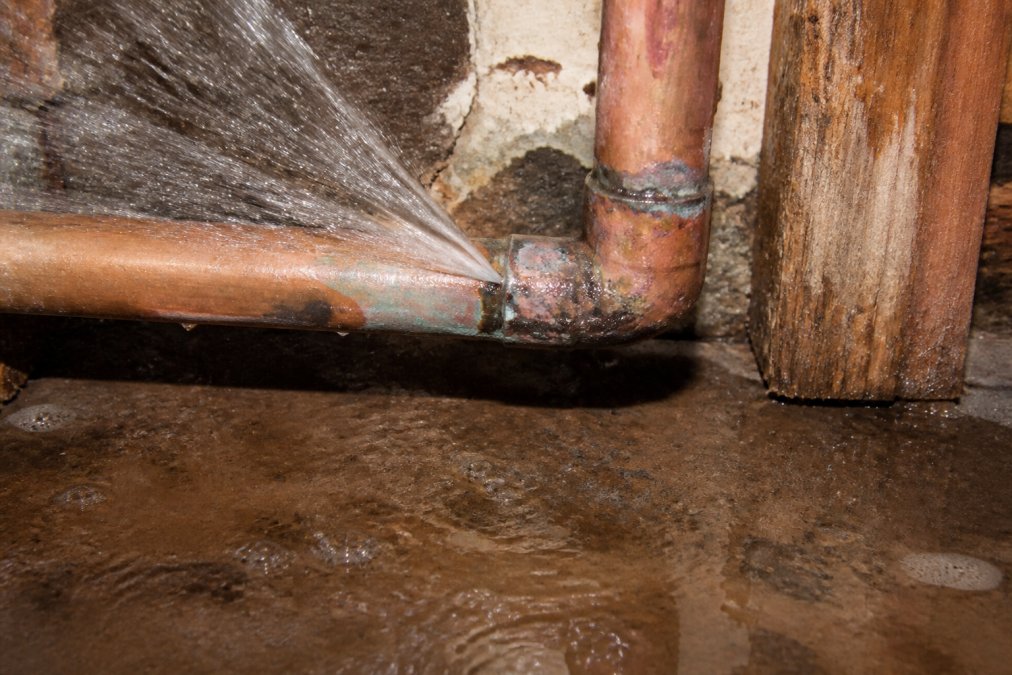
Emergency leaks include pinhole leaks in copper pipes, leaks at connection points, and slow seeps that damage drywall and insulation before you notice them. The damage compounds: water breeds mold, weakens structural components, and creates safety hazards. These aren't problems you solve with a bucket underneath. They require immediate diagnosis and repair.
Clogged drains and sewer backups
Clogged drains start small and escalate. Hair, soap buildup, and debris accumulate in branch lines until water drains slowly. Then it stops draining entirely. Sewer backups are worse, they mean waste is backing up into your home, a serious health hazard. Tree roots infiltrating sewer lines, collapsed pipes, or blockages deep in the main line cause these. You'll notice multiple drains backing up simultaneously, gurgling sounds from toilets, or raw sewage in your basement.
Common residential plumbing problems like drain clogs respond to plungers and drain snakes for minor cases. But when water backs up into your home or multiple fixtures fail at once, you're dealing with a main line issue that requires professional equipment like hydro-jetting or sewer line inspection cameras.
Water heater failures and fixture issues
Water heaters fail gradually or suddenly. A slow failure means lukewarm showers and rising energy bills as the tank works harder to maintain temperature. A sudden failure means no hot water at all. Sediment buildup inside the tank reduces efficiency; corrosion eats through the tank wall; the heating element burns out. Most water heaters last 8-12 years before needing replacement (energystar.gov).
Fixture issues, leaking toilets, dripping faucets, broken shower valves, seem minor until you realize a single dripping faucet wastes thousands of gallons annually. A leaking toilet flapper wastes even more. These are often quick fixes, but they signal that your plumbing system is aging and other failures may follow.
When to Call a Professional vs. DIY Troubleshooting
The line between a DIY fix and a professional job is clearer than most homeowners think. Understanding which side you're on saves time, money, and prevents damage.
DIY fixes that actually work: A plunger clears many toilet clogs instantly. A drain snake pulls hair from a shower drain in minutes. Tightening a leaking connection under a sink with a wrench stops the drip. Replacing a toilet flapper takes 15 minutes and costs under $20. These are low-risk, low-cost interventions that don't require special tools or licensing.
When to stop and call a professional: If the clog returns within a week, you didn't solve the problem, you cleared a symptom. If water is actively leaking into your home, waiting costs money and creates mold risk. If you need to cut into walls, remove fixtures, or access the main sewer line, you need someone licensed. If the problem involves your water heater, main water line, or sewage system, DIY attempts often make things worse and more expensive.
The honest assessment: most homeowners overestimate what they can fix safely. A burst pipe looks straightforward until you realize you need to shut off water to the entire house, identify which section failed, remove old copper fittings, and solder new ones without leaks. That's not a weekend project, that's a job for someone who does it daily.
UMark Plumbing and Drain Inc. handles emergency repairs and routine maintenance because homeowners often can't distinguish between the two until it's too late. A free consultation tells you whether you need immediate service or can schedule routine work.
Understanding Emergency Plumbing Repair Costs
Cost uncertainty paralyzes homeowners. You know something's wrong, but you're afraid to call because you don't want a surprise $2,000 bill. That fear is justified, some plumbers quote high, work expands, and the final invoice bears no resemblance to the estimate.
The honest reality: emergency plumbing repair costs depend entirely on what's actually broken. A burst pipe in an accessible location costs less than one behind a wall. A clogged drain that clears with a snake costs less than one requiring excavation. A water heater replacement costs more than a thermostat fix. Without diagnosis, no one can quote you accurately.
What matters is transparency. Many plumbing companies charge a diagnostic fee to inspect the problem, identify the cause, and provide a written estimate before work begins. This fee often applies toward the repair cost if you proceed. Some companies waive it if you don't hire them; others don't. Ask upfront.
Request a written estimate that breaks down labor, materials, and timeline. A reputable company will explain what they're fixing and why. They'll tell you if the repair is temporary (a quick fix to get you through the weekend) or permanent (the real solution). They won't pressure you into work you don't need.
Emergency calls, nights, weekends, holidays, sometimes cost more than regular business hours. Some companies charge flat rates regardless of timing; others add surcharges. The difference between a repair at 2 PM and a repair at 2 AM is the emergency premium. It's worth it when your basement is flooding, but it's worth asking about before you commit.
Hiring a Licensed Plumber: Your Checklist
Not all plumbers are equal. Some are licensed, insured, and experienced. Others are handy people with a toolbox. Hiring the wrong one costs more than hiring the right one, even if the price is lower.
Verify licensing and insurance
This is non-negotiable. In most provinces, plumbing work requires a licensed professional. Licensing means they've passed exams, logged apprenticeship hours, and maintain ongoing training. It's your assurance they know code requirements and won't create hazards.
Check with your provincial regulatory body. In Ontario, licensed plumbers hold credentials from a plumbing trade association. Ask the plumber directly for their license number and verify it. If they hesitate or can't provide it, move on.
Insurance protects you if something goes wrong. A licensed plumber carries liability insurance, if they damage your home during repairs, their insurance covers it, not you. They also carry workers' compensation insurance so you're not liable if they're injured on your property. Ask to see proof of both before they start work.
Confirm 24/7 availability and response times
"24/7 emergency service" sounds good until you call at 3 AM and reach a voicemail that says they'll call back in the morning. Real 24/7 availability means someone answers the phone and dispatches a technician. It means they have multiple crews so emergencies get routed to whoever's closest.
Ask directly: "If I call right now with a burst pipe, how long until someone arrives?" A realistic answer is 30-60 minutes for true emergencies in urban areas. If they promise 15 minutes, they're either lying or they're already in your neighborhood. If they say "we'll call you back," they don't have true emergency coverage.
Some companies offer emergency response guarantees, if they don't arrive within a promised window, you get a discount. This confidence suggests they actually have the infrastructure to back up their claims.
Request a free quote and written estimate
Never hire a plumber based on a phone quote. They haven't seen the problem. A responsible company sends someone to diagnose the issue, then provides a written estimate before work begins. This estimate should list what they're fixing, the cost of parts, labor hours, and timeline.
A free quote means no charge for the diagnosis. Some companies charge a service call fee that applies toward the repair if you hire them. Either way, get it in writing. Compare quotes from at least two companies, not to pick the cheapest, but to understand the range and whether one company is significantly out of line.
Watch for vague estimates like "around $500" or "probably $600-$800." Reputable companies provide specific numbers based on actual diagnosis. If they're guessing, they're not ready to quote.
What to Expect During a Residential Plumbing Repair
Knowing what happens during a repair reduces anxiety and helps you plan your day.
Initial diagnosis and inspection
The plumber arrives and asks questions: When did the problem start? What have you noticed? Have you tried anything? They inspect the affected area, check water pressure, look for visible leaks or corrosion, and listen for sounds that indicate the problem location.
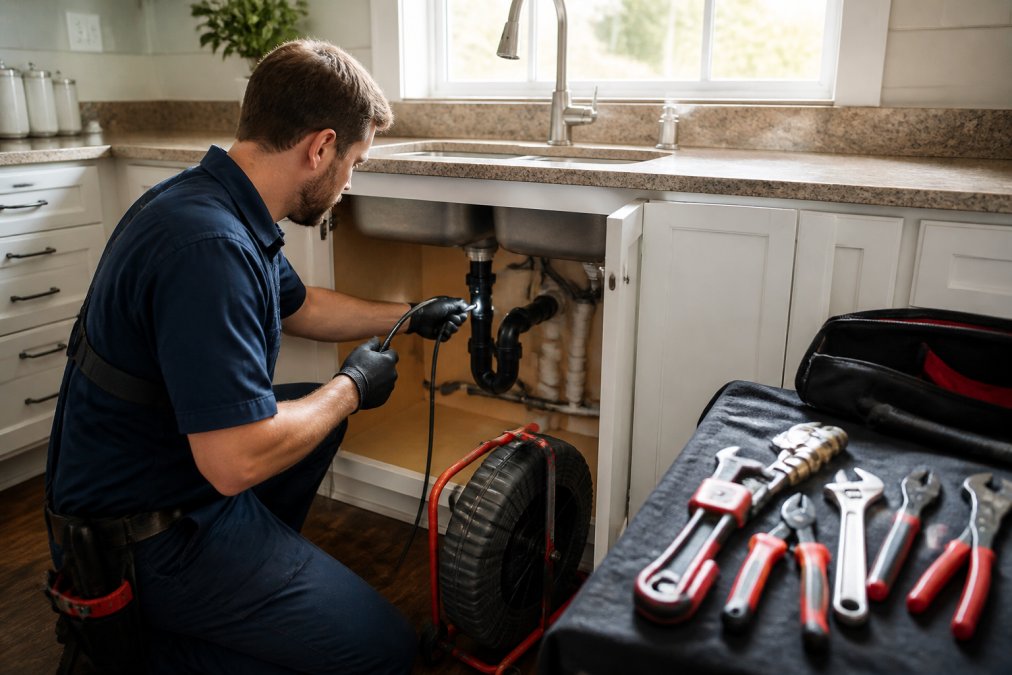
For drain problems, they may use a camera to see inside the pipe, this shows exactly where the blockage is and whether tree roots or collapsed pipe sections caused it. For leaks, they trace the water source, which isn't always where you see water pooling. Water travels downward and horizontally, so a leak in an upstairs bathroom might show up in a basement wall.
This diagnosis phase takes 15-45 minutes depending on complexity. They'll explain what they found and recommend solutions. This is when they provide the written estimate.
Repair execution and testing
Once you approve the work, the plumber begins repairs. For a simple clog, they run a drain snake or hydro-jet. For a burst pipe, they shut off water, remove the damaged section, and install new pipe. For a water heater, they drain the old unit, disconnect it, install the new one, and test for leaks.
Throughout the work, they'll protect your home, laying down tarps, closing doors to contain mess, and cleaning up as you go. Professional plumbers don't leave your house looking like a disaster zone.
Before they leave, they test the repair. They run water through the line, check pressure, listen for leaks, and confirm the problem is solved. They'll show you what they fixed and explain what you should watch for going forward.
A straightforward repair takes 1-3 hours. Complex work, replacing a main water line or sewer line, takes longer and may require multiple visits.
Preventative Maintenance to Avoid Future Repairs
The best repair is the one you never need. Preventative maintenance costs far less than emergency calls and keeps your plumbing system reliable for decades.
Annual water heater maintenance: Drain sediment from the tank once a year. Sediment buildup reduces efficiency and shortens the heater's life. This takes 30 minutes and costs nothing beyond a small amount of water. Your energy bills will thank you.
Inspect under sinks monthly: Look for drips, soft spots in wood, or water stains. Catching a slow leak early prevents mold and structural damage. Tighten connections if you see moisture.
Clear drain lines seasonally: Run hot water through drains weekly to flush buildup. Use a drain screen to catch hair before it clogs. Avoid pouring grease down drains, it solidifies and blocks pipes. These simple habits prevent most clogs.
Know where your main water shut-off is located. In an emergency, you need to stop water flow immediately. It's usually near where the main line enters your home. Label it clearly and make sure everyone in the household knows where it is.
Monitor water pressure. Normal household water pressure is 40-60 PSI (the CDC). If you notice weak flow or hear banging pipes, pressure may be too high or too low. High pressure stresses pipes and causes leaks; low pressure indicates a problem upstream. A plumber can test pressure and adjust it if needed.
Insulate pipes in unheated areas. Pipes in basements, attics, and crawl spaces freeze in winter. Foam pipe insulation costs a few dollars per foot and prevents burst pipes that cost thousands to repair.
Have your sewer line inspected every 3-5 years if your home is over 20 years old. Tree roots infiltrate older pipes gradually. A camera inspection catches problems before they cause backups. Early intervention is far cheaper than emergency excavation.
These maintenance tasks take minimal time and cost. They're the difference between a plumbing system that lasts 30+ years and one that fails repeatedly.
Plumbing emergencies don't announce themselves, they happen when you're least prepared. A burst pipe at midnight, a backed-up toilet before guests arrive, a water heater that dies in January. When these moments come, you need a licensed, responsive plumber who arrives quickly and fixes the problem right. UMark Plumbing and Drain Inc. provides 24/7 emergency residential plumbing repair with certified technicians who diagnose accurately and execute repairs that hold. With over 20 years of experience serving homeowners, we understand that reliability matters more than price. Get a free quote and see why homeowners trust us when emergencies strike.
Frequently Asked Questions
Q: What are the most common residential plumbing repairs?
A: The most frequent issues homeowners face include clogged drains, burst pipes, leaking fixtures, water heater malfunctions, and sewer line problems. Clogged drains often result from hair, grease, or mineral buildup and can affect kitchen sinks, bathrooms, or main sewer lines. Burst pipes typically occur during freezing temperatures or due to age and corrosion. Water heater failures usually signal the need for repairs or replacement. Recognizing these common problems early helps prevent costly emergency repairs and water damage to your home.
Q: How do I know if a plumbing issue is an emergency?
A: A plumbing emergency requires immediate attention when you experience burst pipes, significant leaks that cause water damage, complete loss of water supply, sewage backups, or flooding. Frozen pipes that prevent water flow also demand urgent care. These situations can cause substantial property damage within hours if left unaddressed. Non-emergencies like slow drains or minor drips can usually wait for a scheduled appointment. When in doubt, contact a licensed plumber who offers 24/7 services to assess the situation and determine if immediate intervention is necessary.
Q: What should I look for when hiring a licensed plumber?
A: Verify that the plumber holds valid provincial licensing and carries liability insurance and WSIB coverage. Confirm they offer 24/7 emergency availability and can provide same-day or rapid response times. Request a free written quote before work begins, and check that they serve your specific area without excessive travel charges. Look for companies with verifiable experience, positive customer testimonials, and transparent pricing. Ask about guarantees on their work and whether they handle both residential plumbing maintenance and emergency repairs. Licensed plumbers ensure quality workmanship and protect you from liability issues.
Q: How much should I expect to pay for emergency plumbing repair services?
A: Emergency plumbing repair costs vary based on the problem's severity, time of call, and your location. Many companies offer upfront quotes before proceeding with repairs. Request pricing details from your plumber and ask about any discounts for first-time customers or off-peak service times to manage costs effectively.
This article was written using GrandRanker