 how-to
Signs of a Burst Pipe Emergency: What to Do Now
Table of Contents
- How to Tell if a Water Pipe Has Burst
- Signs of a Burst Pipe in a Wall
- Early Warning Signs Before a Major Leak
- How to Shut Off Water in an Emergency
- What to Do When a Pipe Bursts
- Safety Considerations During Water Damage
- Drying and Prevention After the Leak
- Frequently Asked Questions
Last Updated: October 16, 2026
How to Tell if a Water Pipe Has Burst
A burst pipe emergency happens when water pressure causes a pipe to crack or rupture completely. Water floods out fast. Damage spreads quickly. We help homeowners recognize these signs before small leaks become catastrophic failures.
Most burst pipes show clear warning signals. Your water pressure drops. Water changes color. Pipes make strange sounds. Ceilings stain. Floors get wet.
Sudden Loss of Water Pressure or No Water Flow
No water coming from your taps is the most obvious sign of a burst pipe. You turn on the sink and nothing happens.
Low water pressure can happen in one area or throughout your whole house. If only one room loses pressure, the problem is likely in that line.
Check all your fixtures to understand the scope:
- Turn on bathroom taps
- Run the kitchen sink
- Check the shower
- Look at outdoor hose connections
Multiple fixtures losing pressure at once signals a serious issue requiring immediate attention.
Discolored or Cloudy Water
Water that looks brown, yellow, or rusty means sediment or rust is in your pipes. A burst pipe lets dirt and debris enter the water line.
Never drink discolored water from a burst pipe. The break exposes your water to soil, bacteria, and other hazards. Run cold water for 30 seconds to see if color clears.
Unusual Plumbing Sounds and Gurgling
Banging, whistling, or gurgling sounds come from air and water moving through damaged pipes. A burst pipe creates turbulence. Water pressure changes cause pipes to vibrate and knock against walls and framing.
Listen for these sounds:
- Loud banging or hammering when you turn off a tap
- High-pitched whistling from pipes
- Gurgling in drains or under sinks
- Hissing or spraying sounds in walls
These noises often happen before you see visible water. They're an early warning that something is wrong inside your plumbing system.
Signs of a Burst Pipe in a Wall
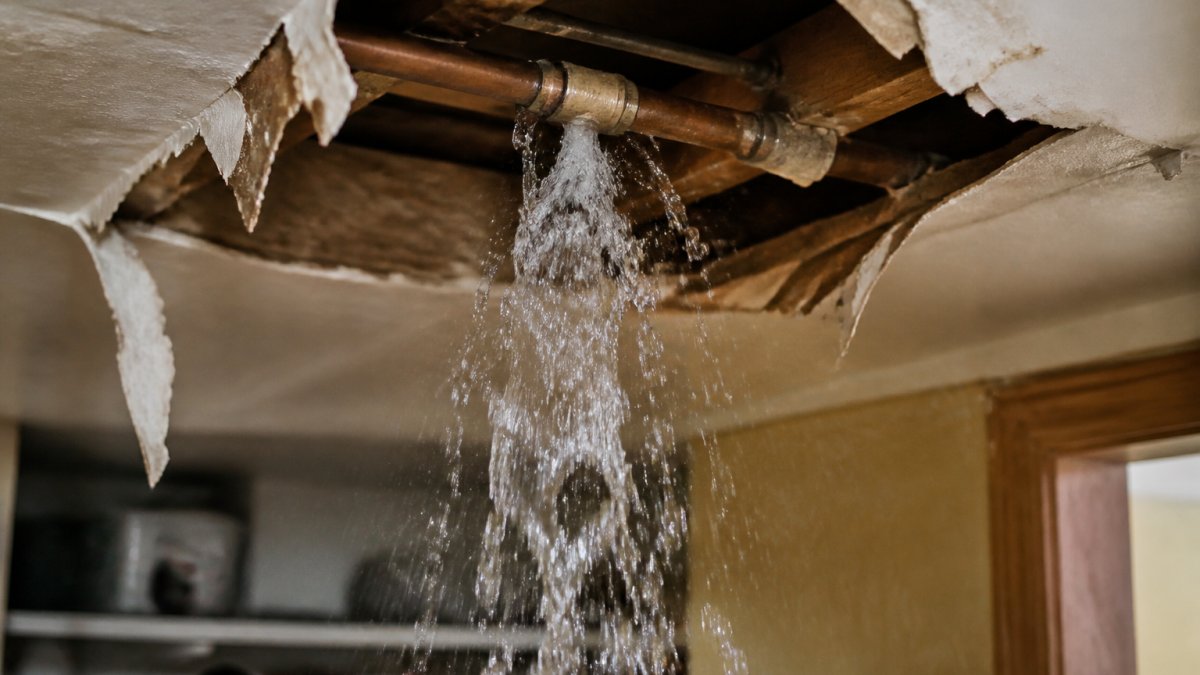
Pipes run inside your walls, under your floors, and above your ceilings. When these hidden pipes burst, you won't see the leak immediately. Water soaks into insulation, drywall, and framing. Damage spreads silently until it becomes severe.
Visible Water Stains and Ceiling Damage
Brown or yellow stains on ceilings and upper walls mean water is dripping from pipes above. Stains spread and darken as more water flows. Paint bubbles and peels.
Check these areas:
- Ceilings in bathrooms and kitchens
- Upper walls near pipes
- Areas around light fixtures
- Corners where walls meet ceilings
Fresh stains mean active leaks. Old stains that aren't growing mean past damage that may have dried. Either way, a stain signals a burst pipe emergency that needs professional inspection.
Wet Spots and Pooling Water
Water pooling on floors, in basements, or crawl spaces shows where pipes have burst underground or in lower levels. Wet spots that appear without rain or obvious plumbing use mean hidden leaks.
Check for pooling:
- Around basement walls and corners
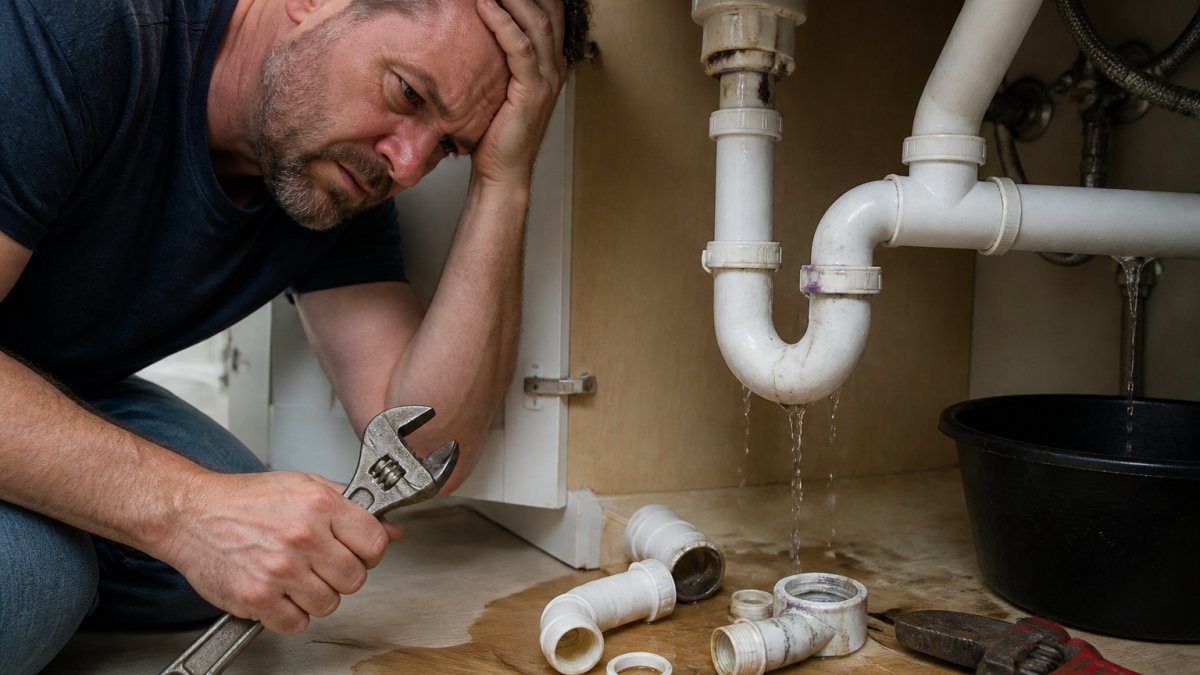
- Under sinks and in cabinets
- On basement floors after no water use
- In crawl spaces and under-floor areas
Soft or squishy flooring means water has soaked the subfloor. This is a sign of serious damage requiring immediate professional help.
Mold Growth and Musty Odors
Mold grows wherever moisture stays. A burst pipe creates perfect conditions for mold. You'll smell it before you see it. Musty, earthy odors in walls, basements, or crawl spaces mean mold is already growing.
Mold appears as:
- Black, green, or white spots on drywall
- Fuzzy growth on wood framing
- Discoloration on insulation
- Visible growth in crawl spaces
Mold from water damage poses health risks. It spreads fast. Professional remediation is necessary once mold takes hold.
Early Warning Signs Before a Major Leak
Not every burst pipe emergency starts with flooding. Many show subtle signs first. Catching these early warnings prevents catastrophic damage.
Frost, Ice, or Cracks on Exposed Pipes
Frozen pipes are at high risk of bursting. Ice inside a pipe creates pressure that the pipe cannot hold. When the ice melts, the burst is revealed by flowing water.
Look for these danger signs on exposed pipes:
- Visible frost or ice coating the pipe
- Cracks or splits in the pipe material
- Bulging or swelling in the pipe
- Corrosion or white mineral deposits
Exposed pipes in unheated spaces are most vulnerable. Basements, crawl spaces, and exterior walls need inspection regularly, especially before winter.
Unexplained Increases in Water Use
Your water bill suddenly jumps without any change in your habits. You're using the same amount of water but paying more. This means water is leaking somewhere.
Check your water meter to confirm:
- Read the meter before bed when no one uses water
- Read it again in the morning before anyone uses water
- If the number changed, you have a leak
- The bigger the change, the bigger the leak
A small increase might be a slow leak. A large jump means significant water loss. Either way, it's time to find and fix the problem before it becomes a burst pipe emergency.
How to Shut Off Water in an Emergency
When a pipe bursts, your first action is to stop the water flow. This prevents further flooding and damage. Every homeowner needs to know where their main shutoff valve is located.
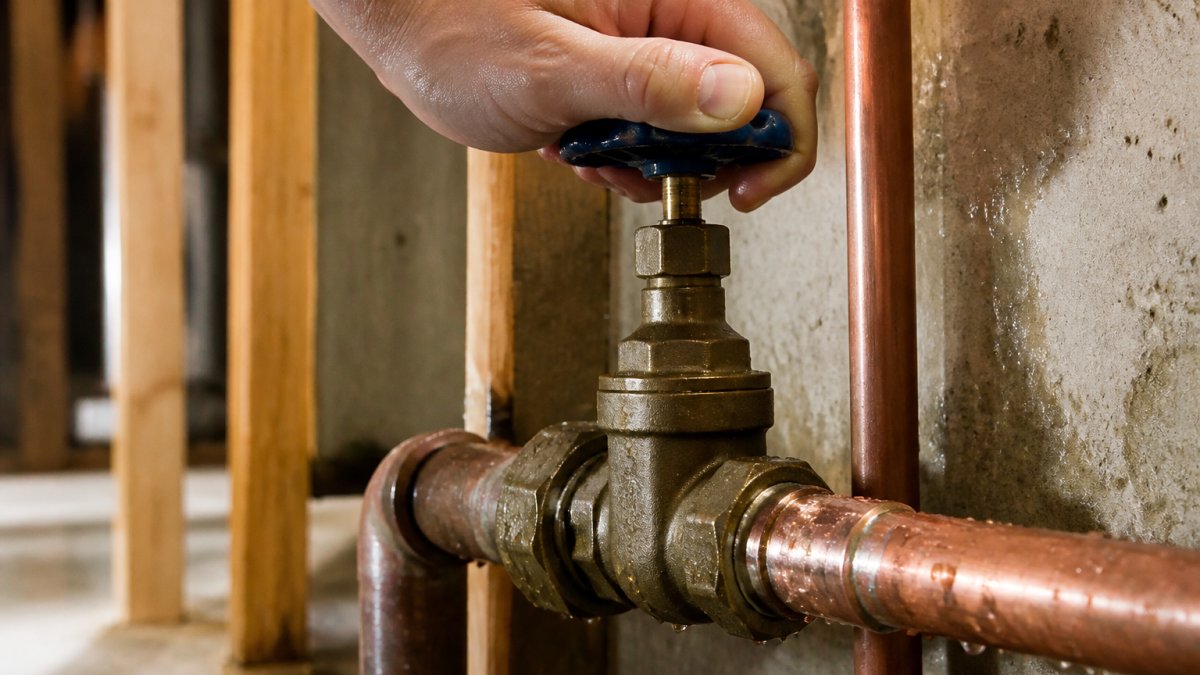
Locating Your Main Water Shutoff Valve
Your main shutoff controls all water entering your home. Find it before an emergency happens.
Common locations:
- Basement near the foundation wall
- Crawl space along the perimeter
- Under the kitchen sink
- Outside the house in a valve box
The valve looks like a handle or lever attached to a pipe. Some are ball valves (lever style).
Once you find it, test it now. Turn the handle clockwise (or lever perpendicular to the pipe). Water flow should stop.
What to Do If the Shutoff Won't Close
Sometimes the shutoff valve is stuck, corroded, or broken. It won't turn. Water keeps flowing. This is dangerous but manageable.
If the main shutoff won't close:
- Do not force it or you may break it completely
- Turn off the water heater immediately
- Close individual shutoff valves under sinks and toilets
- Call an emergency plumber right away
A stuck shutoff often means sediment or mineral buildup inside. Professional plumbers have tools to free it or install a new one. This is not a DIY repair.
What to Do When a Pipe Bursts
Speed matters when a pipe bursts. Follow these steps in order to minimize damage and protect your home.
Step 1: Shut Off the Water Supply
This is your first and most critical action. Every second water flows is more damage. Get to your main shutoff valve and close it completely.
Turn the handle clockwise until it stops. Do not force it. The water should stop flowing from your taps within seconds. If it doesn't, the valve may not be fully closed or may be broken.
Step 2: Drain Remaining Water
Water still in the pipes will continue to leak from the burst. Open the lowest tap in your home (usually a basement or outdoor faucet) to drain this water. This reduces pressure and lets remaining water escape safely.
Open these taps:
- The lowest faucet in your home
- Outdoor hose connections
- Taps in the basement or crawl space
Leave them open until water stops flowing. This step takes just a few minutes but prevents additional water from pouring out.
Step 3: Document the Damage
Take photos and videos of all water damage before cleanup begins. Your insurance company will need this documentation. Photos show the extent of damage and help support your claim.
Document:
- Wet spots and staining on walls and ceilings
- Damage to flooring, carpets, and furniture
- Affected insulation and framing
- Any mold or discoloration
- The burst pipe itself if visible
Write down the date and time you discovered the problem. Note what you did and when. This timeline helps your insurance adjuster understand what happened.
Step 4: Contact an Emergency Plumber
Do not wait to call for professional help. A burst pipe emergency requires immediate attention. At UMark Plumbing and Drain Inc., our certified team responds 24/7 to emergency calls.
When you call, tell the plumber:
- Where you found the leak
- What signs you noticed first
- Whether the shutoff is working
- If water damage is visible
- Any safety concerns (electrical hazards, mold)
Professional plumbers have the tools and expertise to find hidden bursts and repair them properly. Temporary fixes often fail. Permanent repairs require professional skill.
Safety Considerations During Water Damage
Water damage creates hazards beyond the obvious flooding. Electrical systems, structural integrity, and air quality all face risks.
Never enter areas with standing water if electrical outlets, wiring, or panels are nearby. Water conducts electricity.
Check for structural damage. Wet wood weakens quickly.
Mold begins growing within 24 to 48 hours of water exposure. Musty odors mean mold is already present.
Drying and Prevention After the Leak
Once the burst pipe is repaired, the real work of recovery begins.
Remove standing water using pumps or wet vacuums. Open windows and doors to increase air circulation.
Remove wet materials if they cannot be saved. Wet drywall, insulation, and carpet often must be discarded.
Prevent future burst pipes by:
- Insulating exposed pipes before winter
- Maintaining consistent indoor temperatures
- Fixing leaks immediately before they worsen
- Having your plumbing inspected annually
- Knowing where your shutoff valve is located
Regular maintenance catches problems early. A small leak found today is far cheaper than a burst pipe tomorrow.
Frequently Asked Questions
What are the first signs of a burst pipe?
The most immediate signs include sudden loss of water pressure, no water flow from taps, or water discoloration. You may also hear unusual gurgling or hissing sounds from your plumbing. If you notice visible water pooling under sinks, in walls, or wet spots on ceilings, contact an emergency plumber right away. These signs indicate active water damage that requires prompt attention.
How do I locate the main water shutoff valve in an emergency?
The main water shutoff is typically located where the water line enters your home, often in a basement, crawl space, or utility room near the foundation. Look for a valve handle on the pipe connected to your water meter. If you cannot locate it, check outside near your property line or contact your local water authority for its location. Know where it is before an emergency strikes so you can act quickly.
Can a burst pipe be hidden behind a wall or ceiling?
Yes. Hidden burst pipes in walls or concrete slabs are common and dangerous because damage spreads unseen. Signs include ceiling stains, wet spots on walls, mold growth, musty odors, or unexplained increases in your water bill. If you suspect a hidden leak, stop using water and call an emergency plumber immediately. They have tools to locate and assess damage inside walls before structural problems develop.
Should I use water or flush toilets if I suspect a burst pipe?
No. Stop using water immediately if you suspect a burst pipe. Do not flush toilets, run taps, or use appliances that draw water. Using water while a pipe is burst increases pressure in the line and accelerates damage to walls, foundations, and surrounding areas. Shut off the main water supply first, then contact an emergency plumber to assess and repair the burst before resuming normal water use.
When a pipe bursts, every minute counts. Knowing the signs of a burst pipe emergency and acting fast protects your home and reduces damage. At UMark Plumbing and Drain Inc., we understand the stress of plumbing emergencies. Our certified team provides fast, reliable repairs with 24/7 availability. We locate hidden bursts, repair them properly, and help you document damage for insurance. Get a free quote today and have professional help just a phone call away when you need it most.