 how-to
Negotiating Service Contracts With Local Plumbers
Table of Contents
- Why Written Service Contracts Matter for Plumbing Work
- Questions to Ask a Plumbing Contractor Before You Sign
- Getting a Fair Written Estimate and Comparing Quotes
- Key Clauses in a Plumbing Service Agreement Template
- Negotiating Payment Terms and Protecting Yourself
- Emergency Plumbing Service Contract: What to Clarify
- Red Flags and What Not to Agree To
- Frequently Asked Questions
Last Updated: October 12, 2026
Why Written Service Contracts Matter for Plumbing Work
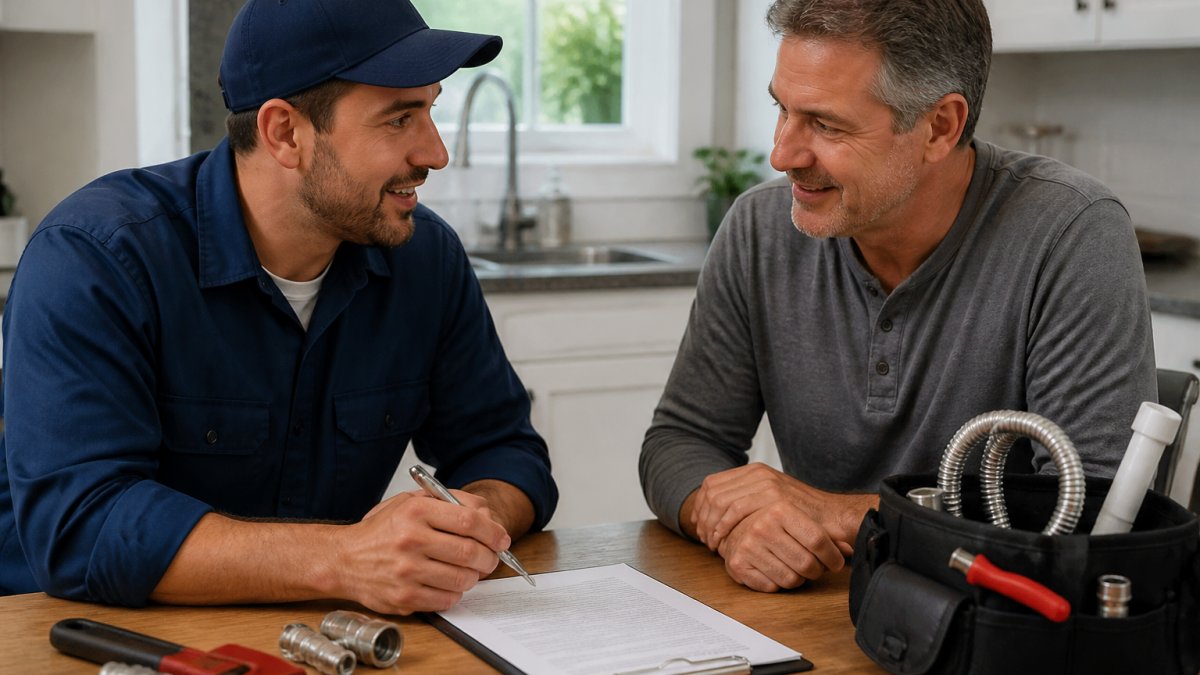
A service contract is a binding agreement between you and a plumber that outlines exactly what work will be done, how much it costs, and what happens if something goes wrong. Negotiating service contracts plumbing ensures both parties understand their obligations clearly.
Most homeowners skip this step. They call a plumber, get a quick verbal quote, and hope for the best. Then the bill arrives and it's double what they expected. Or the same problem happens again two weeks later and the plumber claims it's a new issue.
We've seen countless disputes that could have been prevented with a simple written agreement. When you have a service contract in place, both sides know exactly what to expect. No surprises. No arguments about what was promised.
A written contract protects you in several ways:
- Clear pricing - You know the total cost before work starts
- Defined scope - The plumber commits to specific tasks only
- Warranty terms - You know how long repairs are guaranteed
- Payment schedule - You understand when and how much you owe
- Dispute resolution - Both parties know the process if something goes wrong
The difference between a verbal agreement and a written one is huge. One is your word against theirs. The other is documented proof.
Questions to Ask a Plumbing Contractor Before You Sign
Before you put your name on any contract, you need answers to critical questions. These questions protect you and help you compare contractors fairly.
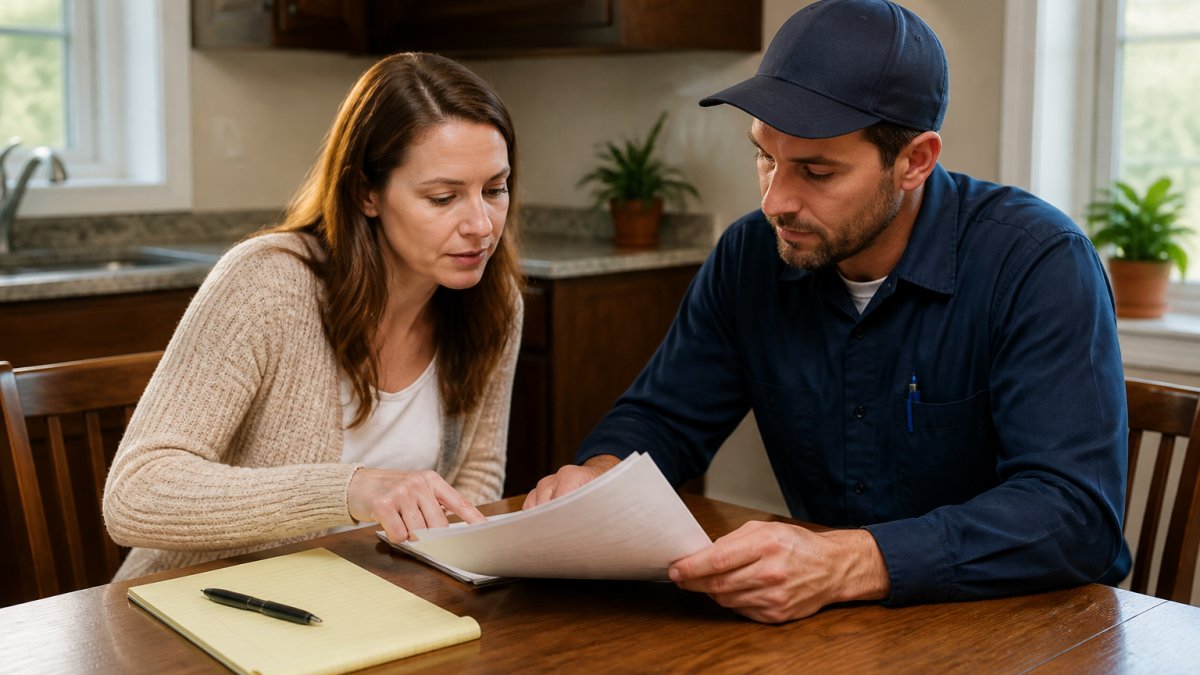
Ask about licensing and certification:
- Are you licensed to work in this area?
- What certifications do you hold?
- Can you provide proof of current licensing?
Licensed plumbers have passed exams and meet local standards. Unlicensed workers may not know current building codes or safety requirements.
Ask about insurance:
- Do you carry liability insurance?
- What's your coverage limit?
- Can you provide a certificate of insurance?
Liability insurance protects you if the plumber damages your home or gets injured on your property. Without it, you could be liable for damages. Request proof before work begins.
Ask about experience with your specific problem:
- How many jobs like mine have you completed?
- Can you provide references from similar work?
- How long have you been doing this type of repair?
A plumber with general experience might be new to your specific issue. References from similar jobs give you confidence they know what they're doing.
Ask about the warranty:
- How long is the warranty on your work?
- What does the warranty cover?
- What's the process if something fails during the warranty period?
Some plumbers guarantee their work for a specific period. The longer the warranty, the more confident they are in their work. Get the warranty terms in writing.
Ask about emergency availability:
- If I have an emergency on a Sunday at 2 AM, will you answer?
- What's the response time you can guarantee?
- Are there extra charges for after-hours calls?
This matters most for emergency repairs. Some contractors advertise 24/7 service but are slow to respond or charge premium rates. Know what you're getting before you need it.
Getting a Fair Written Estimate and Comparing Quotes
A written estimate is your foundation for negotiating service contracts with local plumbing contractors. Without it, you have nothing to compare and no basis for negotiation.
What a good estimate includes:
- Detailed description of the work to be done
- Materials needed and their costs
- Labor hours and labor rate
- Total cost (or price range for complex jobs)
- Timeline for completion
- Any assumptions or limitations
An estimate that just says "Fix leak - $500" tells you nothing. You don't know if that includes parts, how long it takes, or what happens if the problem is worse than expected.
Request written estimates from at least two or three contractors. This gives you real comparison data. When you're comparing quotes, look for these red flags:
- One quote is dramatically lower than others (may indicate inexperience or hidden costs)
- Vague descriptions of work (suggests the plumber hasn't fully assessed the job)
- No breakdown of labor versus materials (hard to negotiate)
- No mention of warranty or guarantees (risky)
A fair estimate should be specific enough that you understand exactly what you're paying for. If two estimates differ significantly, ask why. The difference might be in materials quality, labor approach, or timeline.
Get estimates in writing. Phone quotes don't count. Email or printed estimates create a paper trail and show the contractor is professional enough to document their work.
Key Clauses in a Plumbing Service Agreement Template
When reviewing a service contract, certain clauses matter more than others. These are the ones that protect you most:
Scope of Work clause:
This section describes exactly what the plumber will do. It should be specific and detailed.
A clear scope prevents the plumber from claiming additional work wasn't part of the original agreement.
Fixed Price clause:
The contract should state a fixed price for the work described.
Some plumbers use "time and materials" pricing instead. This means you pay for hours worked plus materials.
Warranty and Guarantee clause:
This defines how long the plumber guarantees their work.
A typical warranty period varies. Longer is better. This clause also explains the process for warranty claims.
Payment Terms clause:
This specifies when and how you pay. Common terms:
- 50% deposit upon signing, 50% upon completion
- Full payment upon completion
- Payment in installments for large jobs
Never agree to pay the full amount upfront.
Change Order clause:
This explains what happens if work scope changes mid-project. It should require written approval from you before any additional work or charges occur.
Without this clause, a plumber can claim extra work was necessary and bill you without permission.
Dispute Resolution clause:
This outlines the process if you disagree with the plumber about quality, cost, or timeliness. It might specify mediation, arbitration, or small claims court.
Having this in writing prevents misunderstandings later.
Negotiating Payment Terms and Protecting Yourself
Payment terms are where most disputes happen. Get these right and you protect yourself significantly.
Deposit strategy:
A reasonable deposit shows you're serious and gives the plumber confidence to schedule you. Anything higher is risky.
Never pay the full amount upfront for any job, especially if it's your first time working with that contractor.
Milestone payments for large jobs:
For larger jobs, structure payments around completion milestones:
- 25% upon signing the contract
- 25% when materials arrive and work begins
- 25% when work is halfway complete
- 25% upon final inspection and approval
This protects both of you. The plumber gets paid as they work. You retain use to ensure quality.
Final payment contingency:
The contract should state that final payment is due only after you've inspected the work and confirmed it's complete and satisfactory.
This gives you a chance to catch problems before you've handed over all your money.
Get receipts for all payments:
Keep records of every payment you make. Get written receipts that show the date, amount, and what it's for.
Avoid cash-only arrangements:
Pay by check, credit card, or bank transfer. These create a paper trail.
You should expect every transaction to be documented from any contractor you hire.
Emergency Plumbing Service Contract: What to Clarify
Emergency situations require special contract terms. When a pipe bursts at midnight, you don't have time to shop around. That's why clarifying emergency terms upfront matters.
Before you have an emergency, ask these questions:
- What do you charge for emergency calls?
- Is there a minimum charge?
- How quickly can you arrive?
- Do you guarantee availability?
Some plumbers charge a flat emergency fee on top of the service charge. Others charge a higher hourly rate for after-hours work. Know the structure before you call.
Response time expectations:
"24/7 availability" sounds good until you're waiting four hours for someone to show up. Clarify what "available" actually means:
- Do you answer the phone immediately or return calls within an hour?
- What's the typical arrival time for emergencies?
- Are there times you're not available?
A contract should specify response times.
Emergency scope limitations:
In an emergency, the plumber might only stop the immediate problem (stop the leak) rather than fix it permanently. The contract should clarify this:
- What's included in the emergency response?
- What happens after the emergency is handled?
- Will follow-up work require a new contract?
This prevents confusion when the plumber stops a burst pipe but doesn't replace the damaged section until the next day.
Emergency pricing clarity:
Emergency rates are higher than regular rates. That's normal. But the contract should spell out exactly what you'll pay:
- Service call fee (if any)
- Hourly labor rate for emergency hours
- Material markups
- Total estimated cost range
This doesn't guarantee the final bill won't be higher (if the problem is worse than expected), but it sets clear expectations.
Red Flags and What Not to Agree To
Some contract terms and contractor behaviors signal trouble. Know what to watch for.
Red flags in the contract itself:
- No written estimate or contract (verbal agreements only)
- Vague scope of work with no specific details
- No warranty or guarantee mentioned
- Unlimited payment terms ("Pay whatever we decide")
- No dispute resolution process
- Pressure to sign without time to review
If a plumber won't put terms in writing or pressures you to sign quickly, walk away. Legitimate contractors are happy to document everything.
Red flags in contractor behavior:
- Insists on cash-only payment
- Won't provide references or proof of licensing
- Quotes a price dramatically lower than competitors
- Demands full payment upfront
- Gets defensive when you ask questions
- Doesn't carry insurance (or won't provide proof)
These are signs the contractor may not be legitimate or may cut corners.
Terms you should never accept:
- Unlimited liability (you pay for any damage, no matter how minor)
- No warranty on any work
- Payment required before work is inspected
- Automatic price increases if work takes longer
- Right to subcontract without your approval
- No recourse if work is unsatisfactory
A fair contract protects both sides. If a plumber won't budge on unreasonable terms, find someone else.
Unnecessary work warnings:
Some contractors recommend work you don't need. Before agreeing to anything beyond your original request, ask:
- Why is this work necessary?
- What happens if I don't do it?
- Can you show me the problem?
Get a second opinion on major recommendations. If two plumbers agree the work is needed, it probably is. If only one recommends it, be skeptical.
Negotiating service contracts plumbing with local contractors protects your wallet and your peace of mind. When you need emergency plumbing service, the contractors you've vetted in advance are the ones you'll trust. UMark Plumbing and Drain Inc. has served residential and commercial clients for over 20 years by keeping everything transparent and documented. Learn more about consumer protection for home repair contracts to understand your rights in your area.
Frequently Asked Questions
What should a plumbing service agreement template include?
A plumbing service agreement should cover the scope of work (what's being fixed or installed), labor and materials costs, payment terms and deposit amount, timeline for completion, warranty or guarantee period, and what happens if the job takes longer than expected. It should also specify whether emergency call-out fees apply and include the contractor's licensing and insurance information. Having these details in writing protects both you and the contractor.
How do you compare plumbing contractor quotes fairly?
Request written estimates from at least two contractors that break down labor, materials, and any service call fees separately. Make sure each quote covers the exact same scope of work, ask each contractor to inspect the same issue before quoting. Check that all quotes list the same timeline and warranty terms. Compare not just price but also the contractor's experience, licensing status, and references. The lowest quote isn't always the best if the contractor lacks certification or has poor reviews.
What questions should you ask before hiring a plumbing contractor?
Ask about their licensing, insurance coverage, and years of experience. Request references from recent jobs and ask how quickly they can respond to emergencies. Clarify whether the quoted price is fixed or if additional charges might apply. Ask what's included in their warranty and how they handle changes to the scope of work. For emergency calls, ask about after-hours fees and response times. Finally, confirm they'll provide a written contract before work begins.
How should you negotiate payment terms on an emergency plumbing service contract?
Agree on a deposit amount upfront for larger jobs and the balance due upon completion. For emergency work, clarify whether the contractor charges a call-out fee separate from labor. Ask if payment can be made after the work is inspected and approved. Get the payment schedule in writing, including what happens if the job extends beyond the estimated timeline. Never pay in full before work is complete, and always request an invoice itemizing labor, materials, and any additional charges.