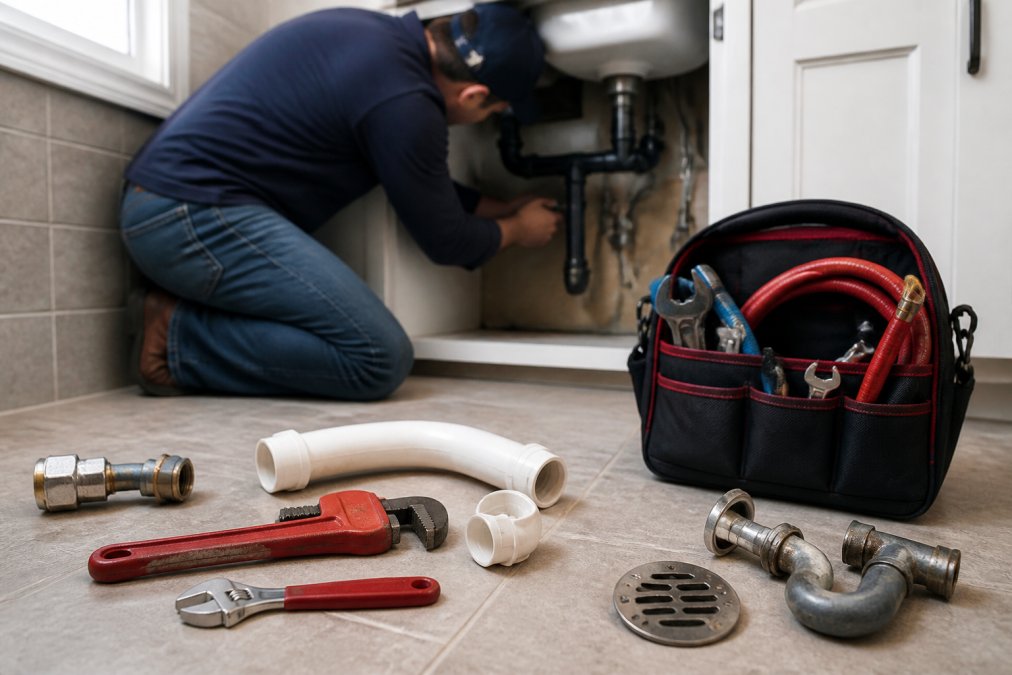
 listicle
Signs You Need Professional Plumbing: 7 Key Warnings
Table of Contents
- 1. Slow or Clogged Drains That Keep Returning
- 2. Low Water Pressure Across Multiple Fixtures
- 3. How to Detect Hidden Water Leaks Before Major Damage
- 4. Signs of a Main Sewer Line Blockage
- 5. Unpleasant Odors and Sewage Smells
- 6. Water Stains, Discoloration, and Structural Damage
- 7. Plumbing Maintenance Checklist for Homeowners
- DIY vs. Professional Repairs: When to Call the Experts
Last Updated: August 30, 2026
Signs You Need Professional Plumbing: 7 Key Warnings
Most homeowners wait until disaster strikes to call a plumber. According to Canadian Home Builders' Association research on residential maintenance, preventative plumbing inspections reduce emergency repair costs by 40-60% annually. The difference between a $200 drain cleaning and a $5,000 sewer line replacement often comes down to recognizing warning signs early.
Quick Warnings:
- Slow drains that return repeatedly, sign of deeper blockage in your main line
- Low water pressure across multiple fixtures, indicates mineral buildup or failing pressure regulator
- Visible water stains and discoloration, evidence of hidden leaks causing structural damage
- Foul sewage odors, suggests sewer line issues or vent stack problems
- Gurgling sounds from drains, trapped air in pipes pointing to blockage or venting failure
1. Slow or Clogged Drains That Keep Returning
A single slow drain is usually just hair and soap buildup. But when the same drain clogs repeatedly within weeks, or multiple fixtures drain slowly, you have a deeper problem. Recurring clogs signal a blockage further down your drainage line, often in the main sewer line. Tree roots penetrating your sewer line, mineral deposits in old pipes, or grease buildup require professional solutions: excavation and pipe replacement for roots, hydro-jetting for mineral deposits, or main line cleaning for grease.
When it's DIY: A single slow drain that responds to plunging or a drain snake, with no history of recurring issues.
When you need professional plumbing: Multiple slow drains, recurring clogs in the same fixture, or backups affecting your entire plumbing system. Professional teams use camera inspection to identify the exact blockage location before recommending hydro-jetting or pipe replacement.
2. Low Water Pressure Across Multiple Fixtures
Low pressure in one shower head might mean mineral buildup in the aerator. But when pressure drops across multiple fixtures simultaneously, kitchen sink, bathroom sinks, and showers all run weak, you have a systemic pressure problem. This points to a failing water pressure regulator, mineral deposits clogging the main water line, or a partially closed main shutoff valve. Test your water pressure with a gauge at your main shutoff valve. Normal residential water pressure ranges from 40-80 PSI (the CDC). If your reading is below 40 PSI and the municipal supply is adequate, your regulator or main line needs professional attention.
When it's DIY: Low pressure in one fixture only, caused by a clogged aerator or showerhead.
When you need professional plumbing: Low pressure across multiple fixtures, or pressure below 40 PSI at your main shutoff. Professional plumbers can test your regulator, inspect your main line, and restore normal pressure throughout your plumbing system.
3. How to Detect Hidden Water Leaks Before Major Damage
The most dangerous leaks are invisible ones. A leak inside a wall, under your foundation, or behind a basement wall can run for months before you notice water damage, by which time structural damage, mold growth, and foundation issues have already begun.
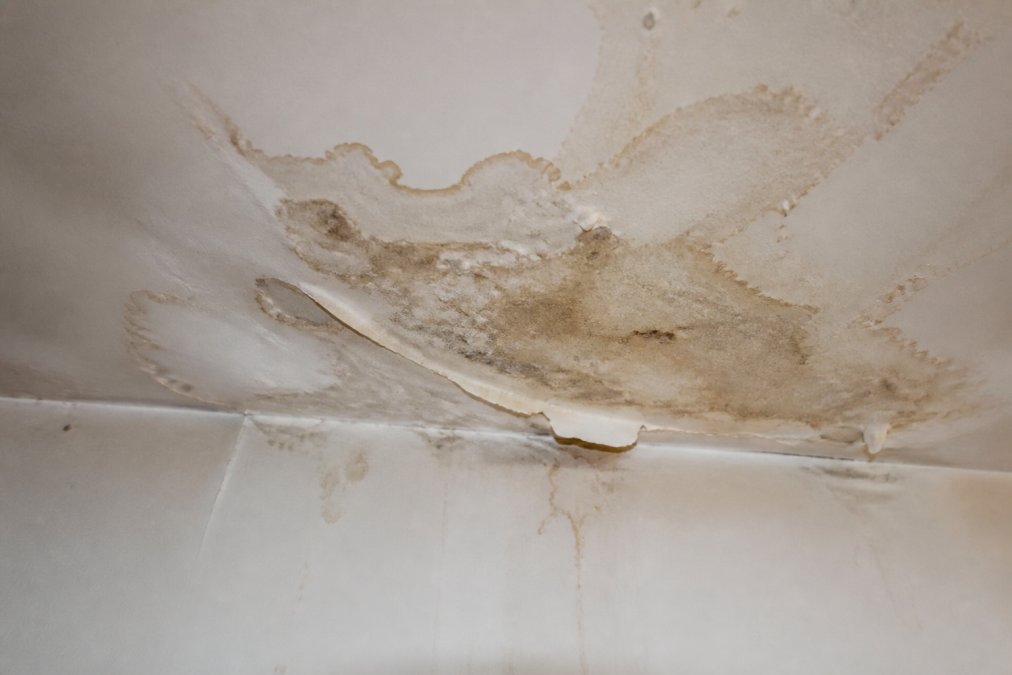
Hidden leaks reveal themselves through indirect signs: unexplained increases in your water bill (a 20-30% jump suggests a leak), water stains on ceilings or walls without obvious cause, soft spots in drywall or flooring, peeling paint, musty odors, or mold growth that returns after cleaning. Check your water meter by turning off all water-using fixtures, then checking the meter again after 15 minutes. If it's advanced, you have a leak. Professional plumbers use moisture meters and visual inspection to pinpoint leak locations. Once found, repairs depend on location and severity: a small leak in accessible copper piping might be a simple solder repair, while a leak in a concrete slab requires breaking concrete and replacing the affected pipe section.
When it's DIY: You can visually locate the leak (water actively dripping from a visible pipe) and the repair is straightforward.
When you need professional plumbing: You suspect a hidden leak based on water stains, mold, or unexplained water bills. Professional plumbers use professional-grade detection equipment to locate hidden leaks and repair them before damage spreads.
4. Signs of a Main Sewer Line Blockage
Your main sewer line carries all wastewater from your home to the municipal sewer system. When it backs up, the consequences affect your entire plumbing system at once. Main sewer line blockages produce unmistakable signs: multiple drains back up simultaneously, toilets overflow, sinks drain slowly or not at all, water pools in your shower or bathtub, sewage odors come from drains or your yard, and raw sewage may appear in your basement or yard.
Tree roots are the most common culprit, they penetrate even small cracks in older clay or concrete pipes, eventually blocking the line entirely. Grease accumulation hardens over time and builds up in the main line. Pipe corrosion in older homes can cause sections to collapse, creating blockages. Diagnosing a main sewer line problem requires professional inspection using sewer cameras, specialized equipment that feeds a small camera down your main line to visually inspect for blockages, cracks, root intrusion, or structural damage. Repairs range from hydro-jetting to full sewer line replacement.
When you need professional plumbing: Multiple drains backing up, sewage odors, or visible sewage in your basement or yard. Professional plumbers perform camera inspections to identify the blockage, then use hydro-jetting or pipe replacement to restore proper drainage.
5. Unpleasant Odors and Sewage Smells
Foul odors from your drains or yard indicate problems in your plumbing system. A functioning drainage system should have no odor. Drain odors often come from trapped debris decomposing in your pipes or a dry P-trap (the curved section of pipe under sinks that holds water to seal against sewer gases). Run water down the drain to refill it. But persistent odors suggest deeper issues: a failed vent stack, a cracked sewer line allowing gases to leak into your home, or a main sewer line blockage causing gases to back up through your drains.
Rotten egg smells often point to hydrogen sulfide gas from bacteria in your water heater, a failed septic system, or sulfur in your water supply. Odors coming from your yard indicate a leak in your plumbing infrastructure, contaminating soil and groundwater.
When it's DIY: A single drain with temporary odor that goes away after running water or cleaning with baking soda and vinegar.
When you need professional plumbing: Persistent sewage or rotten egg odors, or odors coming from your yard. Professionals identify whether the issue is a failed vent stack, cracked sewer line, or other plumbing system problem, then repair it.
6. Water Stains, Discoloration, and Structural Damage
Water stains on ceilings, walls, or flooring are visible evidence of water damage from your plumbing system. Stains on ceilings directly below bathrooms or kitchens indicate leaks in the plumbing above. By the time you see discoloration, the insulation and framing may already be saturated.
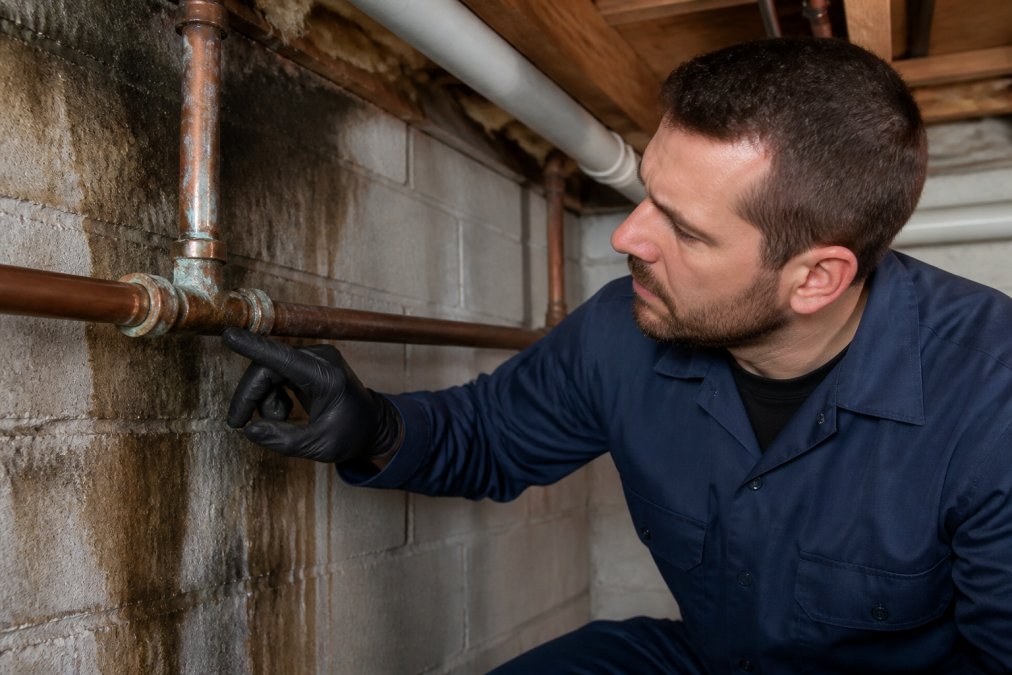
Stains on basement walls or floors suggest water is entering from outside or from plumbing leaks in the walls above. Flaking paint or discoloration indicates moisture is constantly present, creating conditions for mold growth and structural deterioration. Water stains on wood framing cause wood to weaken and rot. Wet insulation loses its insulating value and becomes a breeding ground for mold.
Professional inspection uses moisture meters to determine how deep moisture penetration goes. If moisture extends beyond the surface, affected materials may need removal and replacement. The underlying plumbing leak must be identified and repaired to prevent recurrence.
When it's DIY: A minor water stain from a single incident (like an overflowing bathtub) that dries completely with no sign of ongoing moisture.
When you need professional plumbing: Persistent water stains, stains that reappear after drying, or stains accompanied by soft spots, mold, or musty odors. Professionals locate the source of the leak, repair it, and assess whether water damage requires professional remediation.
7. Plumbing Maintenance Checklist for Homeowners
Preventative maintenance catches problems before they become emergencies. A simple seasonal inspection and maintenance routine extends the life of your plumbing system and identifies small issues before they escalate.
| Maintenance Task | Frequency | What to Look For | When to Call a Professional |
|---|---|---|---|
| Check under sinks for leaks | Monthly | Water stains, pooling water, soft spots in cabinet | Any visible leak or persistent dampness |
| Test water pressure | Quarterly | Pressure below 40 PSI or sudden drops | Pressure consistently below 40 PSI or regulator issues |
| Inspect visible pipes for corrosion | Quarterly | Green or blue staining on copper, white deposits on galvanized steel | Extensive corrosion or active leaks |
| Run water through rarely-used drains | Monthly | Slow drainage or odors | Persistent slow drainage or sewage smells |
| Check water heater for leaks | Monthly | Pooling water around base, rust staining on tank | Any visible leak or rust |
| Inspect basement or crawl space | Seasonally | Water stains, moisture, mold, pipe damage | Any signs of water intrusion or structural damage |
| Monitor water bill | Monthly | Unexplained increases of 20%+ | Spike in usage with no corresponding increase in use |
| Flush drains with hot water | Monthly | Slow drainage or buildup | Recurring clogs or backups |
Before winter, drain outdoor faucets and hoses to prevent pipe freezing. In spring, inspect your yard for soft spots or depressions indicating a sewer line leak, and check for sewage odors.
When DIY maintenance is appropriate: Regular inspection, running water through drains, checking for leaks, monitoring your water bill, and replacing worn washers in faucets.
When you need professional plumbing: Any signs of leaks, water damage, low pressure, recurring clogs, or odors. Professional inspections identify problems your routine maintenance might miss.
DIY vs. Professional Repairs: When to Call the Experts
The line between a DIY plumbing fix and a job requiring professional services comes down to three factors: complexity, risk, and whether the repair addresses the root cause or just the symptom.
Simple DIY Plumbing Repairs:
Replacing a worn washer in a dripping faucet takes 10 minutes and costs a few dollars. Cleaning a clogged aerator with vinegar solves low flow from a single fixture. Using a plunger on a toilet or sink drain clears minor clogs. Refilling a dry P-trap by running water down the drain eliminates simple drain odors. A basic drain snake can clear hair and debris from accessible drains.
When Professional Plumbing is Essential:
Anything involving your main water line, sewer line, water heater, or multiple fixtures simultaneously requires professional attention. Repairs demanding specialized equipment, hydro-jetting, camera inspection, pressure testing, are beyond DIY scope. Work requiring permits or inspections must be done by licensed professionals. The real cost of DIY mistakes often exceeds the price of hiring a professional from the start. Professional plumbers bring diagnostic tools you don't own: camera inspection reveals exactly where a blockage is and what caused it, pressure testing identifies regulator failure, moisture meters locate hidden leaks. Emergency plumbing calls, burst pipes, sewage backups, no water, require immediate professional response.
Water damage, sewage backups, and failed plumbing systems don't announce themselves at convenient times. The seven warning signs above are your early alert system, telling you when your plumbing system needs professional attention before small problems become catastrophic.
If you've noticed any of these signs in your home, don't wait for the problem to escalate. UMark Plumbing and Drain Inc. provides a free quote on any plumbing issue, from routine maintenance to emergency repairs. Our certified team is available 24/7 to diagnose problems, explain your repair options, and get your plumbing system working reliably again. Professional plumbing standards and best practices emphasize early detection and preventative maintenance as the most cost-effective approach to plumbing system reliability. Get a free quote today and address plumbing problems before they become expensive emergencies.
Frequently Asked Questions
What are the most common signs of a hidden water leak?
Hidden leaks often show as unexplained increases in your water bill, soft or discolored patches on walls and ceilings, musty odors, or mold growth in crawl spaces and utility rooms. Water stains that appear without obvious surface damage are a red flag. If you notice any of these, contact a professional to inspect your plumbing system before structural damage occurs.
How do I know if my main sewer line is blocked?
Multiple drains backing up simultaneously, gurgling sounds from toilets or drains, sewage odors in your yard or home, and slow drainage throughout the house all signal a main sewer line blockage. This is a serious issue requiring immediate professional attention, as backflow can cause water damage and health hazards. A professional plumber can inspect using camera equipment and hydro-jetting to clear the blockage.
When should I call an emergency plumber versus scheduling routine service?
Call for emergency repair if you have burst pipes, sewage backups, gas leaks, or water flooding your home. These require immediate action to prevent structural damage and health risks. Schedule routine service for minor drips, slow drains, or preventative maintenance. A professional can help you distinguish between urgent and non-emergency issues, ensuring you get the right response time without unnecessary costs.
What tools do professional plumbers bring that I cannot use myself?
Professionals use hydro-jetting equipment to clear severe clogs, sewer inspection cameras to diagnose hidden problems, pressure test gauges to detect leaks in your plumbing infrastructure, and moisture meters to find water damage behind walls. They also have specialized knowledge of building codes and local regulations. These tools and expertise prevent costly mistakes and ensure repairs meet safety standards.
This article was written using GrandRanker