 how-to
Why Pipes Leak Repeatedly: Root Causes and Fixes
Table of Contents
- Why Pipes Leak Repeatedly: Understanding the Root Problem
- High Water Pressure Symptoms and Their Impact on Pipe Integrity
- Signs of Pipe Corrosion and Material Degradation
- Common Causes of Repeated Leaks in Your Plumbing System
- How to Fix a Leaking Pipe Permanently
- Preventative Maintenance to Stop Repeated Leaks
- When Repeated Leaks Mean You Need Re-Piping
- Conclusion
Last Updated: August 25, 2026
Why Pipes Leak Repeatedly: Understanding the Root Problem
Repeated pipe leaks are rarely random. When you're calling a plumber for the same problem twice in a month, something systemic is wrong, and most homeowners don't realize their repair addressed the symptom, not the cause. At UMark Plumbing and Drain Inc., we've seen this pattern countless times: a leak gets patched, the homeowner breathes a sigh of relief, and then water starts pooling in the basement again weeks later.
The reason pipes leak repeatedly comes down to root causes that a simple patch can't fix. High water pressure strains your entire system. Corrosion eats through pipe walls from the inside out. Thermal expansion stresses joints that weren't designed to flex. Temperature swings, sediment buildup, and incompatible pipe materials create a cascade of failures. Understanding what's actually breaking your pipes is the first step to stopping the cycle.
This guide breaks down why your pipes keep failing, how to identify which cause is destroying yours, and what permanent solutions actually work. We'll also explain when a repair will hold and when you need to re-pipe your entire system.
High Water Pressure Symptoms and Their Impact on Pipe Integrity
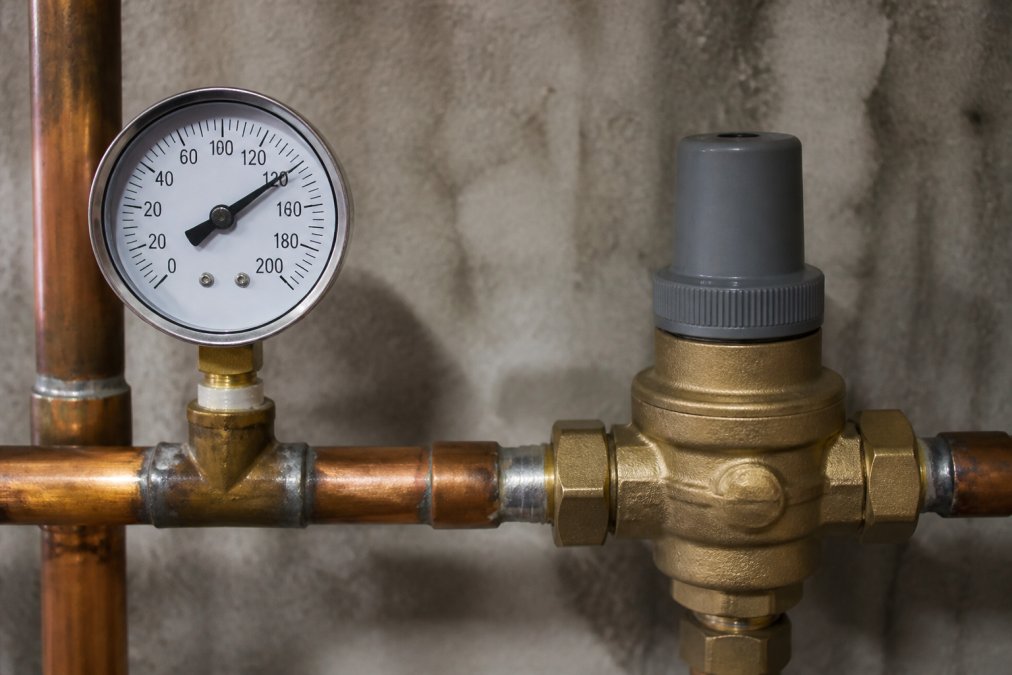
High water pressure is one of the most common culprits behind repeated leaks, and most homeowners never think to check it. Water pressure above 80 psi (pounds per square inch) puts constant stress on every joint, fitting, and section of pipe in your system (the CDC). That pressure is relentless, it's working 24 hours a day, seven days a week, pushing outward against your pipes' walls.
You'll notice high pressure symptoms before you see a leak. Listen for a loud banging or hammering sound when you turn off a faucet, that's water hammer, a sign your pressure is too high. Your pipes might rattle inside your walls. Showerheads spray with excessive force. Faucets are hard to control at low flow rates. These are all warnings that your system is under strain.
When pressure stays elevated, it accelerates wear on pipe fittings and joints. Copper pipes develop pinhole leaks. PEX tubing fails at connection points. Galvanized steel corrodes faster under pressure stress. The coupling nuts that hold joints together loosen over time from the constant force. A leak that appears in one spot often signals that multiple joints are weakening simultaneously, which is why you fix one leak and another appears elsewhere days later.
The fix is straightforward: install a pressure regulator on your main water shut-off line. A regulator reduces incoming pressure to a safe 50-60 psi range, which protects your entire plumbing system (nsf.org). If your home's water pressure is naturally high (some municipal supplies run at 90+ psi), a regulator isn't optional, it's essential maintenance.
Signs of Pipe Corrosion and Material Degradation
Corrosion is slow, silent, and destructive. It happens inside your pipes where you can't see it until water starts leaking through the walls. The type of corrosion depends entirely on what your pipes are made of and what's in your water.
Galvanized Steel vs. Copper vs. PEX: Which Fails First
Galvanized steel pipes, common in homes built before 1980, corrode from the inside out. The zinc coating that protects the steel eventually wears away, exposing bare steel to water and oxygen. Once corrosion starts, it accelerates. You'll notice reduced water pressure as mineral deposits and rust buildup clog the pipe interior. The water may look discolored or rusty. Leaks appear at joints first, where the corrosion is most aggressive. If your home has galvanized pipes and you're experiencing repeated leaks, re-piping is often the only permanent solution.
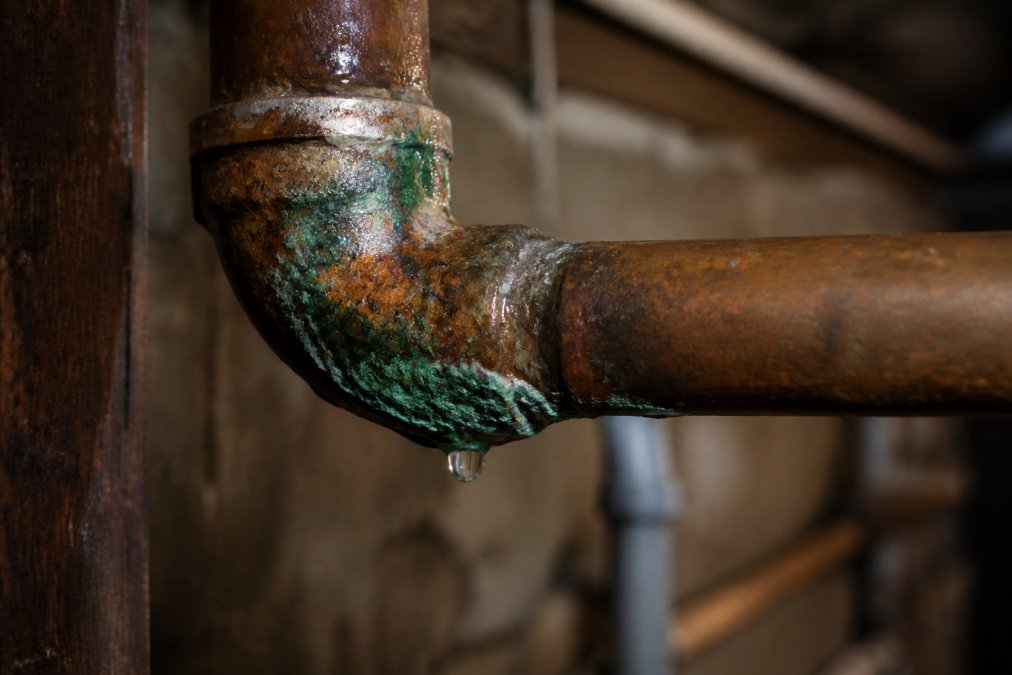
Copper piping is more corrosion-resistant, but it's not immune. Acidic water (low pH) attacks copper, creating tiny holes in the pipe walls, pinhole leaks. These leaks are insidious because they're small enough to go unnoticed until water damage appears in your walls or ceilings. Copper also corrodes at joints and fittings where different metals meet, a process called galvanic corrosion. If your water is naturally acidic, a water treatment system that raises pH can slow this process significantly.
PEX tubing resists corrosion well but fails at connection points. The crimp rings or push-fit fittings that hold PEX to brass or copper valves can loosen or corrode over time, especially if your water chemistry is poor. PEX itself won't corrode, but the metal components it connects to will, and that's where repeated leaks develop.
Water Chemistry and Sediment Buildup
What's in your water matters as much as what your pipes are made of. Hard water deposits mineral scale inside pipes, narrowing the interior and restricting flow. Sediment from your municipal water supply or from corroding pipes themselves accumulates at low points in your system, creating blockages that increase pressure in downstream sections. That increased pressure stresses joints and fittings, leading to leaks.
Acidic water (pH below 6.5) is particularly damaging to copper and galvanized pipes (the EPA). It dissolves the protective layers inside pipes and accelerates corrosion. If you have acidic water, you'll often see blue or green staining around copper fixtures and joints, that's copper corrosion in progress. A water softener or pH adjustment system can prevent this, but once corrosion has started, the damage is done.
Common Causes of Repeated Leaks in Your Plumbing System
Joint and Coupling Failure
Pipe joints are the weakest points in your plumbing system. They're where different sections of pipe connect, where pipes change direction, and where materials meet. A joint that leaks once will likely leak again because the underlying problem, corrosion, pressure stress, or material incompatibility, is still present.
Coupling nuts hold joints together. Over time, these nuts loosen from vibration and pressure fluctuations. Corrosion eats away at the threads. Mineral deposits build up around the connection, creating stress points. When a plumber tightens a loose coupling or replaces a washer, they're treating the symptom. The joint itself may already be compromised.
If you're seeing leaks at the same joint repeatedly, the pipe material at that connection point is likely failing. Replacing just the coupling won't fix it, the pipe section itself needs to be replaced.
Thermal Expansion and Temperature Fluctuations
Pipes expand when water heats up and contract when it cools. In winter, cold water entering your system causes pipes to contract. In summer or after running hot water, they expand. This constant movement stresses joints and fittings. Over years, that stress loosens connections and can crack pipe walls.
Copper and PEX handle thermal expansion better than galvanized steel, but all pipes are affected. If your home has long runs of rigid pipe with few expansion loops or support brackets, thermal stress is likely contributing to repeated leaks. The solution is proper pipe support and, in some cases, adding expansion tanks or loops to absorb the movement.
Pinhole Leaks and Hidden Water Damage
Pinhole leaks are small holes that develop in pipe walls, usually from corrosion or aggressive water chemistry. They're dangerous because they're hard to spot until significant water damage has already occurred. A single pinhole leak can waste thousands of litres of water annually and cause structural damage to walls, floors, and foundations.
If you've had one pinhole leak, others are likely developing elsewhere in your system. Pinhole leaks are a sign that your entire pipe network is under corrosive attack. Patching one hole doesn't stop the corrosion process, new holes will form.
How to Fix a Leaking Pipe Permanently
Temporary vs. Permanent Solutions
A temporary fix, epoxy putty, pipe clamps, sealing tape, will hold for weeks or months, sometimes longer. These solutions are useful for emergencies, but they're not permanent. The underlying cause of the leak is still there. Epoxy putty hardens and cracks as pipes expand and contract. Pipe clamps can slip or corrode. Sealing tape dries out and loses its seal.
A permanent fix addresses the root cause. For a single leaking section of pipe, that means replacing the damaged pipe segment with new material matched to your system. For systemic issues, high pressure, corrosion throughout your system, incompatible materials, the permanent fix is more comprehensive.
When to Call a Professional Plumber
You can patch a leak yourself in an emergency, but diagnosing why the leak happened and ensuring it doesn't happen again requires professional assessment. A certified plumber will check your water pressure, test your water chemistry, inspect visible pipe sections, and determine whether the leak is isolated or part of a larger problem.
UMark Plumbing and Drain Inc. can identify the root cause of repeated leaks and recommend the right fix, whether that's installing a pressure regulator, treating your water, replacing a corroded section, or planning a full re-piping project. Our certified team has 20+ years of experience diagnosing these problems and delivering solutions that actually stick.
Preventative Maintenance to Stop Repeated Leaks
Installing a Pressure Regulator
If your water pressure is above 80 psi, a pressure regulator is non-negotiable. This device reduces incoming pressure to 50-60 psi, protecting your entire plumbing system. Installation takes a few hours and costs far less than repeated emergency repairs or a full re-pipe.
A regulator also reduces water consumption, lower pressure means lower flow rates, which saves money on your water bill. It's one of the highest-return maintenance investments you can make.
Regular Plumbing Inspections
Annual inspections catch problems before they become emergencies. A plumber will check water pressure, inspect visible pipes for corrosion or leaks, test water chemistry, and look for signs of hidden leaks (water stains, soft spots in walls or ceilings, musty smells). Early detection of corrosion, sediment buildup, or pressure problems allows you to address them before repeated leaks start.
If your home is more than 40 years old, has galvanized pipes, or has a history of leaks, inspections every 1-2 years are wise. Newer homes with copper or PEX can go longer between inspections, but 3-5 years is still reasonable.
When Repeated Leaks Mean You Need Re-Piping
If you're experiencing leaks in multiple locations, at different times, and in different pipe materials, your entire plumbing system is failing. Re-piping, replacing your main water lines and branch lines with new pipe, is the only permanent solution.
Signs you need re-piping include: leaks in more than one location, water discoloration or rust, reduced water pressure throughout the house, pinhole leaks, and a home built before 1980 with galvanized steel pipes. If your plumbing system is 50+ years old and you're experiencing repeated leaks, re-piping is almost certainly in your future.
Re-piping is a significant project, but it's a one-time fix that protects your home for decades. Modern materials like copper and PEX are far more durable than the galvanized steel used in older homes. Once re-piped, you'll stop the cycle of repeated leaks and the water damage that comes with them.
Repeated pipe leaks drain your time, money, and peace of mind. But they're not random, they're signals that your plumbing system needs attention. Whether the problem is high pressure, corrosion, thermal stress, or failing materials, the solution starts with diagnosis. UMark Plumbing and Drain Inc. offers free quotes and 24/7 emergency service to assess what's actually causing your leaks and recommend the right fix. With over 20 years of experience and a certified team, we deliver solutions that work the first time and keep working. Get a free quote today and stop the leak cycle for good.
Frequently Asked Questions
Can high water pressure cause recurring pipe leaks?
Yes. Water pressure above 80 psi puts constant stress on joints, fittings, and pipe walls, accelerating wear and causing repeated leaks at the same location. A pressure regulator reduces psi to a safe range (typically 50-60 psi), which is the most effective way to prevent recurring failures. If you notice leaks happening frequently after repair, high pressure is often the underlying cause.
Why does my pipe leak immediately after I fix it?
Immediate re-leaks signal an underlying systemic problem, not a repair failure. Common causes include unaddressed high water pressure, advanced corrosion in nearby sections, or incompatible pipe materials at joints. A temporary patch won't hold if the root cause persists. A professional plumbing inspection identifies whether the issue is pressure-related, material degradation, or a joint problem requiring full section replacement.
Are recurring leaks a sign of corrosion?
Recurring leaks often indicate corrosion, especially in older galvanized steel or copper pipes. Corrosion weakens pipe walls and creates pinhole leaks that spread. If leaks appear in multiple locations over months, or if you see green staining on copper fittings, corrosion is likely. Water chemistry (pH, mineral content) accelerates this process. A plumbing inspection with camera technology can confirm corrosion severity and determine if re-piping is necessary.
How do I know if my pipes need to be replaced?
Pipes need replacement if you experience leaks more than once per year, see visible corrosion or pinhole leaks, notice discolored water, or have galvanized steel pipes over 50 years old. Multiple leaks in different areas signal system-wide degradation. Re-piping with modern materials like PEX or copper eliminates recurring failures and protects your home's structural integrity. A certified plumber can assess your system and recommend re-piping if wear and tear is advanced.
This article was written using GrandRanker