 how-to
Fix Gurgling Sink Drains in Older Homes: A Step-by-Step Guide
Table of Contents
- Understanding Gurgling Sink Drain Causes in Older Homes
- How to Diagnose the Source of the Noise
- How to Unclog a Sink Drain: Safe DIY Methods
- Addressing Sink Drain Vent Blockage
- Recognizing Serious Drain and Sewer Problems
- When to Call a Plumber for a Gurgling Sink
- Preventing Gurgling Drains: Maintenance Tips
- Conclusion
- Frequently Asked Questions
Last Updated: October 8, 2026
Understanding Gurgling Sink Drain Causes in Older Homes
A gurgling sink drain happens when air gets trapped in your plumbing system, creating pressure changes that push water and gas back up through the drain.
At UMark Plumbing and Drain Inc., we've diagnosed many gurgling drains. The causes fall into three categories: clogs and buildup, blocked vents, or trap system problems.
How clogs and buildup create gurgling sounds
Debris builds up inside drainpipes over time. Hair, soap scum, grease, and food particles stick to the pipe walls.
Grease is especially problematic in older homes.
Slow drainage is usually your first warning sign. Water takes longer to empty from the sink. Then the gurgling starts.
Why plumbing vents and airflow matter
Your drain system needs air to work properly.
When the water seal breaks, sewer gases escape into your home. You might smell rotten eggs or sewage.
Blocked vents are common in older homes. Leaves, bird nests, or debris can clog the vent stack on your roof.
Older-home trap and vent configurations
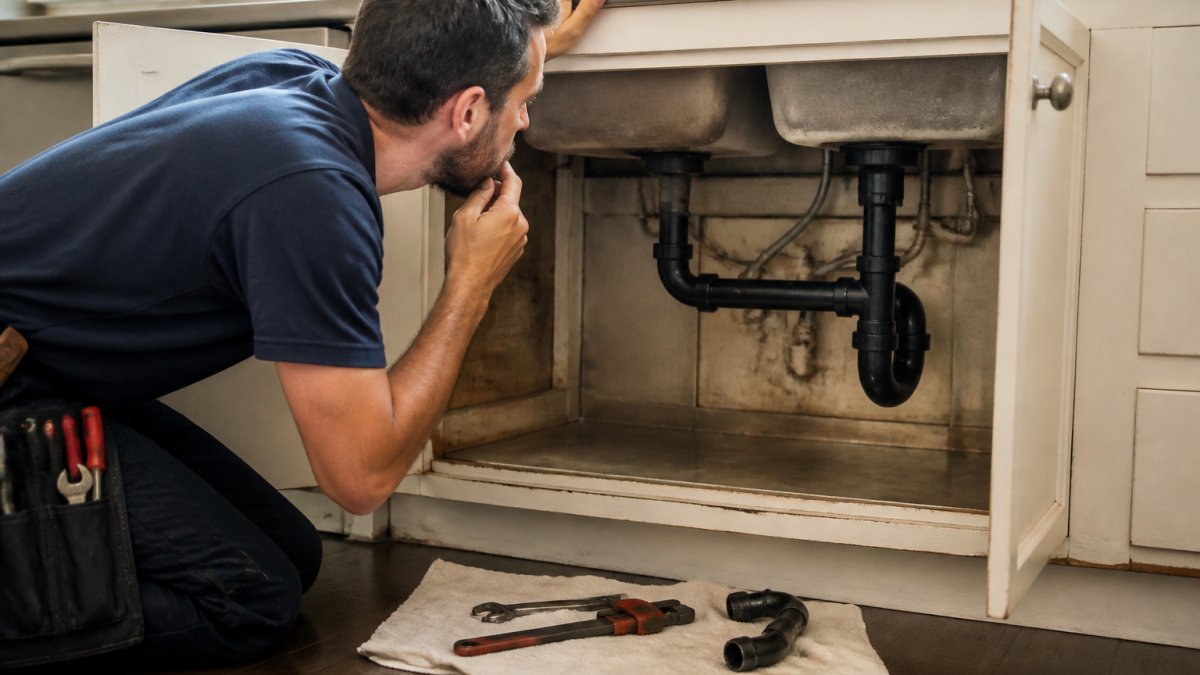
Older homes often have S-traps instead of P-traps. An S-trap is shaped like the letter S and sits directly under the sink.
Many older homes also have shared vent pipes. One vent pipe serves multiple fixtures.
Materials matter too. Old cast iron and galvanized steel pipes rust from the inside, creating rough surfaces where debris catches more easily, and older copper pipes can develop pinhole leaks.
How to Diagnose the Source of the Noise
Figuring out where the gurgling comes from helps you fix it correctly. Is it one sink or multiple? Does it happen when water drains or at random times?
Single fixture versus multiple fixtures
If only one sink gurgles, the problem is usually in that sink's drain line, affecting just that fixture.
If multiple fixtures gurgle, the problem is likely in the main drain or sewer line, a more serious issue, since water from one fixture creates pressure that affects other drains.
Listen carefully. Does the gurgling happen:
- Only when you drain the sink with hot water?
- When you flush the toilet?
- When the washing machine drains?
- At random times with no water running?
Random gurgling with no water running usually means a blocked vent or a sewer line issue. The sewer gases are trying to escape through the drains.
Checking for slow drainage and other warning signs
Run water in the sink and watch how fast it drains.
Check under the sink for water pooling or wet spots, which suggest a leak or a drain backing up slightly.
Smell the drain. A foul odor means sewer gases are escaping.
Look at the vent stack on your roof if you can safely see it.
How to Unclog a Sink Drain: Safe DIY Methods
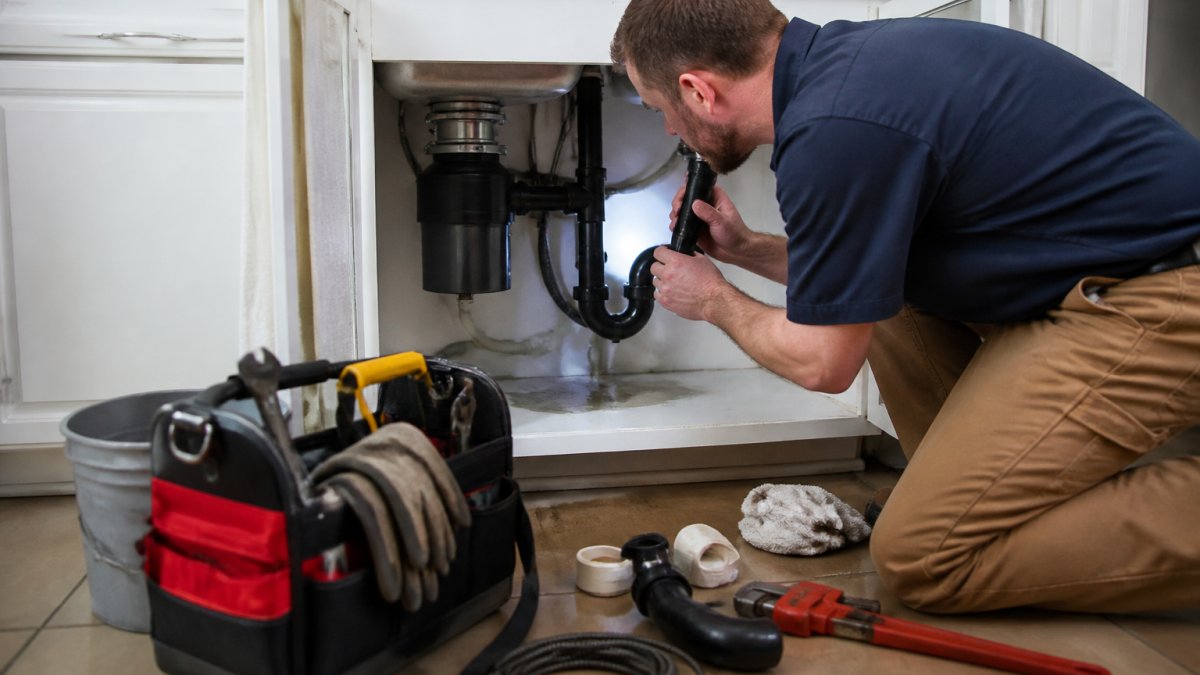
Many gurgling drains can be fixed with simple methods. Try these safe, inexpensive options before calling a plumber.
Using boiling water to loosen grease and soap
Boiling water is your first tool. Heat a kettle and pour the water slowly down the drain to loosen grease and soap buildup.
Wait a few minutes, then run hot tap water for 30 seconds. Repeat if the drain still gurgles.
This works best for grease clogs in kitchen sinks.
Baking soda and vinegar as a natural drain cleaner
Baking soda and vinegar create a fizzing reaction that can break up clogs. Here's how:
- Remove standing water from the sink if there is any
- Pour half a cup of baking soda down the drain
- Follow with one cup of vinegar
- Cover the drain with a plug or cloth
- Wait 15 minutes
- Flush with hot water
The fizzing action helps dislodge debris. This method works for hair and soap clogs but may not clear heavy grease buildup.
Plunger technique and drain screen removal
A plunger can dislodge clogs close to the surface.
Before using a plunger, remove the drain screen or stopper. Debris often catches on the screen. Clean it first.
For a double sink, block the other drain with a wet cloth. The plunger needs to create a seal to work.
Safe limits for DIY drain clearing
Know when to stop. If the drain doesn't clear after boiling water, baking soda and vinegar, and a plunger, the clog is deeper than you can reach safely.
Never use chemical drain cleaners in older homes. They can damage old pipes, create dangerous fumes, and eat through old materials faster.
Don't take apart pipes under the sink unless you're experienced. You might break connections or damage the trap.
Addressing Sink Drain Vent Blockage
Vent problems often cause gurgling that DIY methods can't fix. Understanding how vents work helps you decide if this is your problem.
How blocked vents cause negative pressure and gurgling
A blocked vent starves the drain system of air. As water flows down, it creates a vacuum that pulls the water seal out of the P-trap. Once the seal breaks, sewer gases escape and gurgling gets worse.
You'll notice:
- Gurgling that happens even when you're not running water
- Foul sewer smells
- Slow drainage on multiple fixtures
- Bubbling sounds in the toilet when the sink drains
These are all signs of a vent problem, not a simple clog.
Inspecting the vent pipe and clearing debris
If you can safely access your roof, look at the vent stack.
Check for:
- Leaves or debris covering the opening
- Ice buildup in winter
- Bird nests or animal damage
- Visible corrosion or damage to the pipe itself
If you see debris, you can carefully remove it by hand if the opening is accessible.
For ice blockages, you may be able to pour warm water down the vent to melt it. Do this carefully to avoid slipping.
When vent repair requires professional help
If the vent is damaged, rusted through, or blocked deep inside the pipe, you need a professional. A plumber can use a camera to see inside and clear blockages you can't reach.
Vent repairs often involve climbing on the roof and working with the main vent stack. This is dangerous without proper equipment and experience.
Recognizing Serious Drain and Sewer Problems
Some gurgling sounds mean bigger trouble. Knowing the difference between a simple clog and a sewer line problem can save you thousands in damage.
Signs of main drain or sewer line issues
A main drain problem affects the entire house's plumbing. When the main drain clogs, water backs up into multiple fixtures.
Watch for:
- Gurgling in multiple sinks, showers, and toilets at the same time
- Sewage backup in the lowest fixture (usually the basement toilet or shower)
- Wet spots in the yard or basement
- Unusually green patches of grass in the yard
- Persistent foul odors that don't improve with cleaning
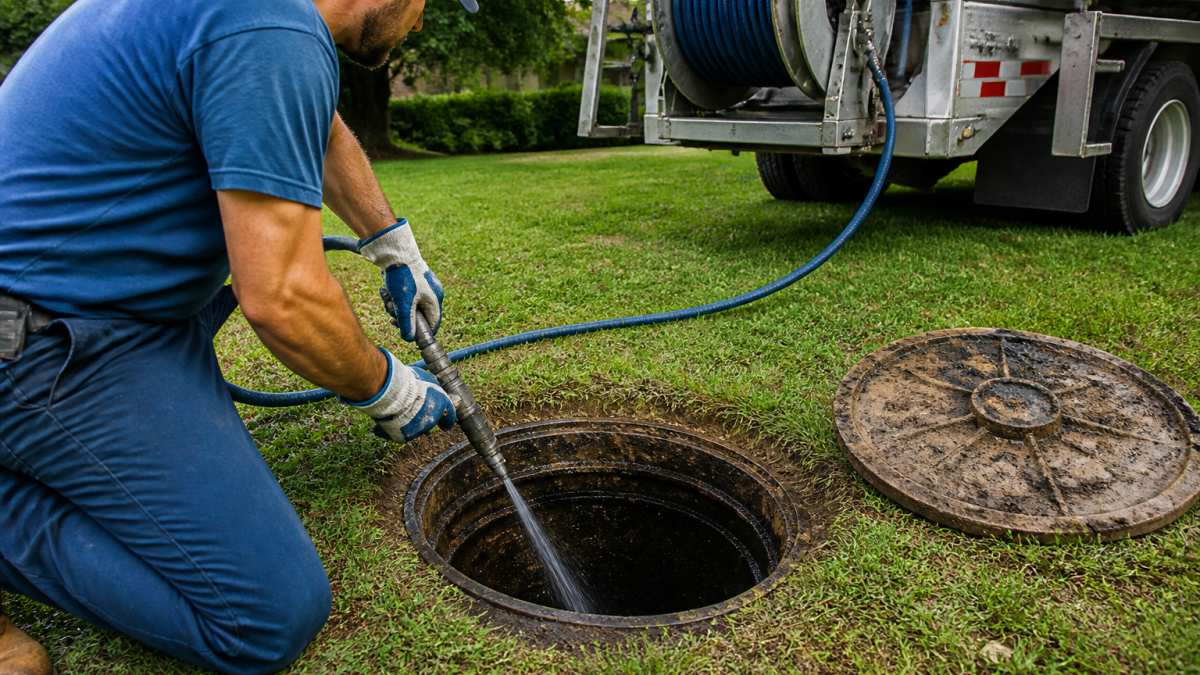
If the sewer line is damaged, tree roots often invade the pipe. Roots grow toward water and can crack old pipes. Once inside, they trap debris and create blockages.
Sewage backup and multiple fixture gurgling
Sewage backup is a serious health hazard. If raw sewage backs up into your home, do not use any plumbing fixtures. Call a professional immediately.
Multiple fixtures gurgling together usually means the problem is past the point where individual drains branch off. It's in the main line or the sewer connection.
This is beyond DIY repair. Professional equipment and expertise are required to diagnose and fix main line problems.
When to Call a Plumber for a Gurgling Sink
Knowing when to call a professional saves time and prevents damage. Some problems are simply too complex or dangerous for homeowners to handle.
Red flags that demand professional diagnosis
Call a plumber if you see:
- Sewage backup or raw sewage in any fixture
- Gurgling in multiple fixtures that won't stop
- Foul sewer smells that persist for days
- Wet spots in the yard or basement
- Visible damage to pipes or the vent stack
- A clog that doesn't clear after trying safe DIY methods
- Slow drainage that affects the whole house
Don't wait if you suspect a sewer line problem. The longer you wait, the more damage occurs.
Repair costs and urgency in older homes
Older homes often need more extensive repairs than newer ones. Corroded pipes, outdated vents, and worn traps all contribute to problems.
A vent repair or main line replacement costs more but prevents bigger problems down the road.
The UMark Plumbing and Drain Inc. team can diagnose your gurgling drain quickly and give you a clear estimate before starting work.
Preventing Gurgling Drains: Maintenance Tips
Once you've fixed the gurgling, keep it from coming back.
Pour boiling water down kitchen drains monthly.
Avoid pouring grease down the drain.
Run water for 30 seconds after using the sink.
Check your vent stack in spring and fall.
If you notice slow drainage starting, address it immediately.
Conclusion
Gurgling sink drains in older homes are frustrating, but most cases of gurgling sink drains are fixable. Start with simple methods like boiling water and baking soda.
UMark Plumbing and Drain Inc. specializes in diagnosing and fixing drain problems in older homes. We offer 24/7 emergency service, so when your drain gurgles at midnight, we're ready to help. Get a free quote today and let us restore your drains to proper working order.
Canadian Standards Association plumbing code guidelines
Health Canada guidance on safe drain maintenance and sewage system care
Ontario Building Code requirements for residential plumbing vents and drains
| Problem | DIY Solution | When to Call a Plumber |
|---|---|---|
| Slow drainage, no smell | Boiling water or baking soda and vinegar | If it doesn't improve in 24 hours |
| Gurgling in one sink | Plunger, drain screen cleaning | If gurgling persists after 2-3 attempts |
| Gurgling in multiple fixtures | Check vent for debris | Immediately (likely main drain issue) |
| Foul sewer smell | Inspect P-trap water seal | Immediately (vent or sewer problem) |
| Sewage backup | Do not use plumbing | Immediately (emergency) |
Frequently Asked Questions
Why does my sink drain gurgle in an older home?
Gurgling in older homes typically stems from three issues: drain clogs from grease and soap buildup restricting water flow, blocked plumbing vents that create negative pressure in the drain system, or outdated trap configurations that lose their water seal. Older plumbing systems often have narrower drainpipes and legacy vent designs that are more prone to blockages. If multiple fixtures gurgle simultaneously, the problem may involve the main drain or sewer line.
Can I fix a gurgling sink with a plunger?
Yes, a plunger can help clear minor clogs causing gurgling. Fill the sink with a few inches of water, place the plunger over the drain opening, and pump vigorously 15-20 times. This creates pressure that may dislodge debris in the drainpipe. For best results, block the overflow hole with a wet cloth. However, if the gurgling persists after plunging, the issue likely involves a vent blockage or deeper clog requiring professional tools or inspection.
How do I tell if a gurgling sink is caused by a blocked vent?
A blocked vent typically causes gurgling when water drains from other fixtures or when the sink drains slowly despite no visible clog. Check the roof for debris around the vent pipe opening, or listen for air rushing sounds when you flush a toilet or drain another fixture. If the gurgling stops after you clear the vent, the blockage was the culprit. Older homes may have vent pipes that collect leaves, bird nests, or ice, restricting airflow and creating the negative pressure that produces gurgling sounds.
When should I call a plumber about a gurgling sink?
Call a professional plumber immediately if you notice sewage odors, multiple fixtures gurgling at once, water backing up into the sink, or gurgling that persists after DIY attempts. Also seek help if you suspect a blocked vent on the roof (safety concern), if the gurgling worsens over time, or if you're unsure about the cause. In older homes, professional diagnosis is valuable because legacy plumbing systems may have code issues or hidden problems that DIY methods won't resolve. A certified plumber can inspect the entire drain system and recommend repairs that prevent recurring issues.