 blog
York Plumbing Pros vs Roto-Rooter: A Local Comparison
Table of Contents
- How to Choose a Plumbing Company: What Matters Most
- Service Coverage and Emergency Availability
- Questions to Ask a Plumber Before Hiring
- Main Sewer Line Clog Clearing Time and Process
- Plumber Quote Comparison Checklist
- Credentials, Licensing, and Warranties
- Making Your Final Decision
- Frequently Asked Questions
Last Updated: October 20, 2026
How to Choose a Plumbing Company: What Matters Most
When a pipe bursts at 2 AM or your main drain backs up, you need a plumber who shows up fast and delivers reliable work. But not all plumbing companies are created equal. York Plumbing Pros vs Roto-Rooter illustrates how the difference between a responsive local contractor and a national chain often comes down to availability, expertise, and how seriously they take your emergency.
At UMark Plumbing and Drain Inc., we've handled many residential and commercial calls across the region.
This comparison of York Plumbing Pros vs Roto-Rooter explores how to evaluate plumbing contractors, what questions separate the competent from the unprepared, and how to avoid the trap of hiring someone who undercuts the price but leaves you calling again two weeks later. We'll walk through the specific criteria that matter most, then look at how different service models stack up against each other.
The stakes are real. A bad repair costs you twice: once for the failed fix, and again when you call someone else to actually solve the problem.
Service Coverage and Emergency Availability
The first thing to verify is whether a plumbing company actually services your area and whether they mean it when they say "24/7."
Many national chains advertise round-the-clock availability, but when you call at 3 AM on a Sunday, you're often routed to a call center that dispatches to a local contractor anyway. That adds a layer between you and the person doing the work. UMark Plumbing and Drain Inc. operates directly in the communities we serve, which means no middleman and faster response times.
Ask potential contractors these specific questions:
- How many service areas do you cover, and is mine included?
- If I call at midnight on a holiday, who actually answers the phone?
- What's your typical response time for emergency calls?
- Do you charge extra for after-hours service, and if so, how much?
The last question is critical. Some companies charge a flat emergency fee on top of the service call. Others build it into their pricing. Neither approach is inherently wrong, but you need to know upfront. The worst scenario is discovering a $300 after-hours surcharge on a bill that's already higher than expected.
Local contractors often have an advantage here. They're not routing your call through a national queue. They're not managing technicians across five states.
Questions to Ask a Plumber Before Hiring
Don't wait until the technician arrives to learn whether they're qualified. A five-minute phone conversation can tell you a lot about how seriously a company takes its work.
On credentials and experience:
- Are your technicians licensed and insured?
- How long has your company been in business?
- Do you carry liability insurance and workers' compensation?
- Can you provide references from recent jobs in my area?
On the specific problem:
- Can you diagnose the issue over the phone, or do you need to come out?
- If you need to come out, do you charge for the diagnostic visit?
- Will you provide a written estimate before starting work?
- What's included in your warranty if the repair fails?
On pricing transparency:
- How do you calculate your labor charges (hourly, flat rate, per-fixture)?
- Are there any additional fees I should expect (travel time, emergency surcharge, diagnostic fee)?
- If the job costs more than the estimate, how much can you go over before checking with me first?
- Do you accept payment plans or financing for larger jobs?
A contractor who answers these questions directly and clearly is already ahead of one who hedges or says "we'll see when we get there." Professional plumbing companies know their pricing structure and communicate it upfront.
Main Sewer Line Clog Clearing Time and Process
Main sewer line clogs are among the most disruptive plumbing problems. Understanding what's involved helps you evaluate whether a contractor's quote makes sense.
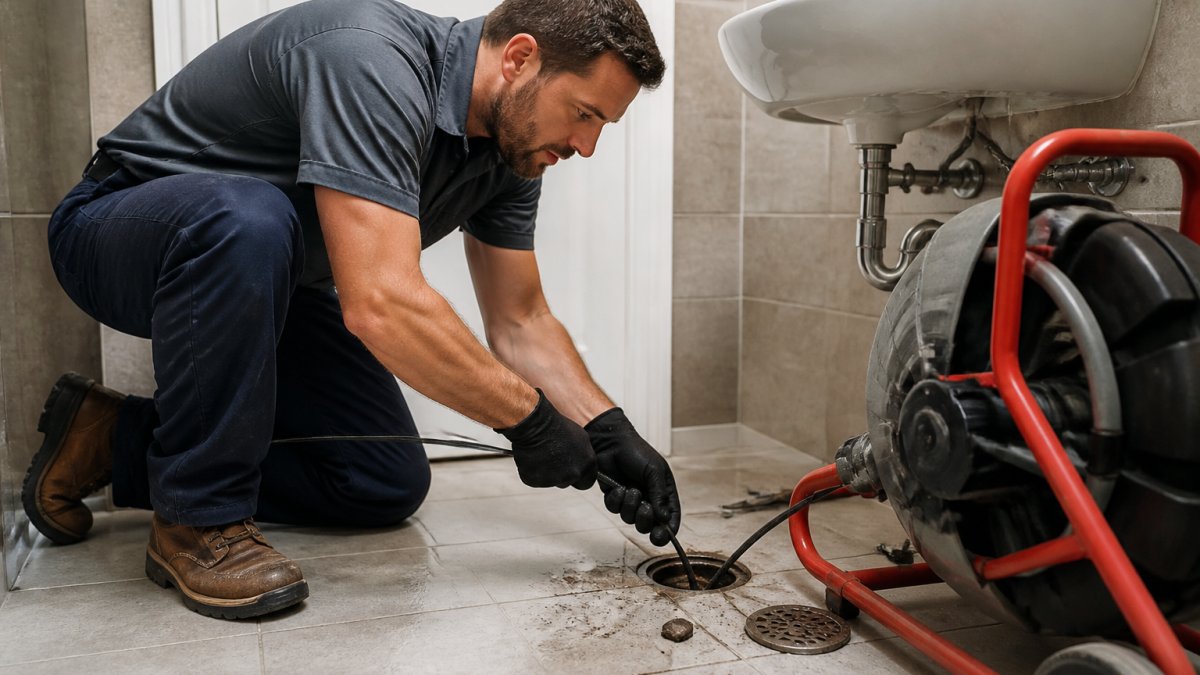
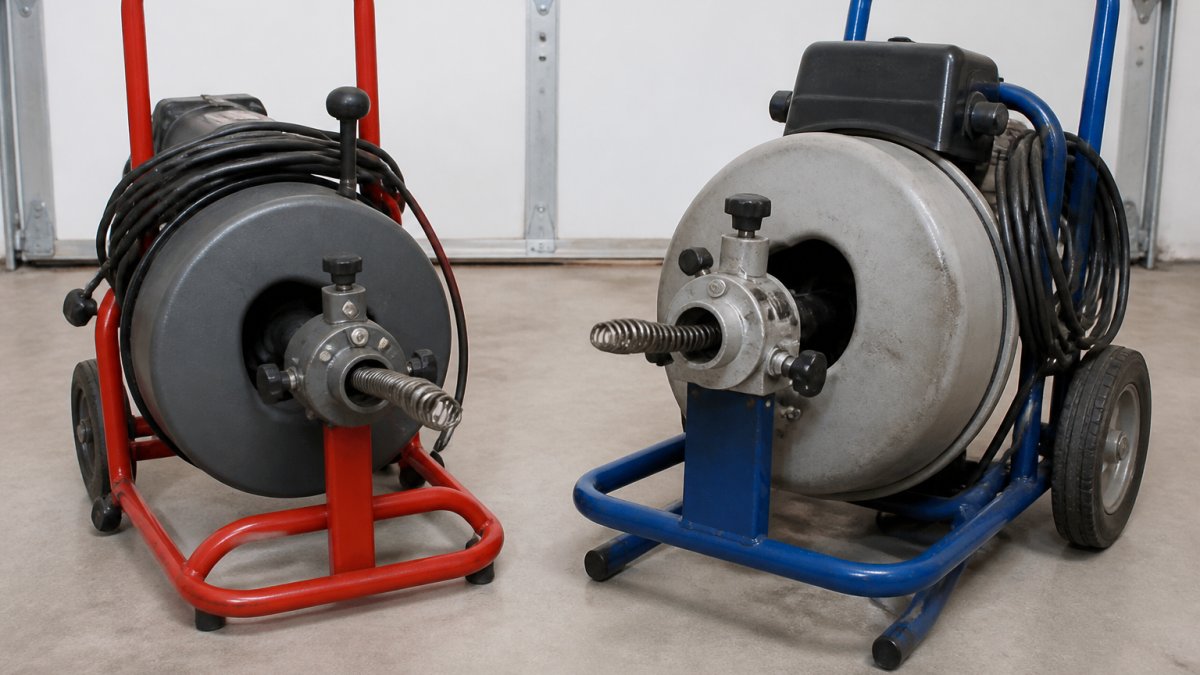
A main sewer line clog typically requires a technician to access the cleanout (usually in your basement or yard), run a motorized snake or hydro-jet through the line, and sometimes use a camera to identify the cause.
Here's what you should expect:
Initial diagnosis: The technician locates the cleanout and runs a camera through the line to see where the blockage is and what caused it. This takes 30-45 minutes. (Time: 30-45 minutes)
Clearing the line: Using either a mechanical snake or high-pressure water jet, they break through or flush out the clog. For simple clogs, this is quick.
Post-cleaning inspection: A second camera pass confirms the line is clear and identifies any damage. (Time: 15-30 minutes)
Expected Result: A flowing sewer line and a report on what caused the clog and whether further action (like root treatment or pipe replacement) is needed.
Ask your contractor upfront: Do they include a camera inspection in the price, or is that extra? Do they guarantee the work if the clog returns within a certain timeframe? These details separate transparent pricing from surprise bills.
| Step | Typical Duration | What It Involves |
|---|---|---|
| Camera inspection | 30-45 minutes | Locating the blockage and its cause |
| Clearing (mechanical or hydro-jet) | 30-90 minutes | Removing the obstruction |
| Post-cleaning inspection | 15-30 minutes | Confirming the line is clear |
| Total | 1.5-3 hours | Complete sewer line service |
Plumber Quote Comparison Checklist
When you get estimates from multiple contractors, comparing them directly is harder than it looks. One quote might be lower but exclude diagnostics. Another might be higher but include a warranty. Use this checklist to make sure you're comparing apples to apples.
Service scope:
- Does the estimate include a diagnostic visit or camera inspection?
- What specific work is included (labor, materials, permits)?
- Are there any exclusions or limitations?
Labor and materials:
- Is labor charged hourly, flat-rate, or per-fixture?
- Are materials included in the estimate, or billed separately?
- What happens if the job takes longer than estimated?
Pricing transparency:
- Is the total price clearly stated, or are there "plus applicable taxes and fees"?
- Are there any add-on charges you should know about (travel time, emergency surcharge, diagnostic fee)?
- What's the policy if costs exceed the estimate?
Warranty and guarantees:
- How long is the warranty on labor and parts?
- What happens if the same problem occurs within the warranty period?
- Is the warranty transferable if you sell the property?
Payment and scheduling:
- When is payment due (before, during, or after the job)?
- Do they offer financing or payment plans?
- How far in advance do you need to schedule?
A thorough estimate answers all of these. If an estimate is vague or incomplete, ask for clarification before committing. The lowest price isn't always the best deal if it comes with hidden fees or poor warranty coverage.
Credentials, Licensing, and Warranties
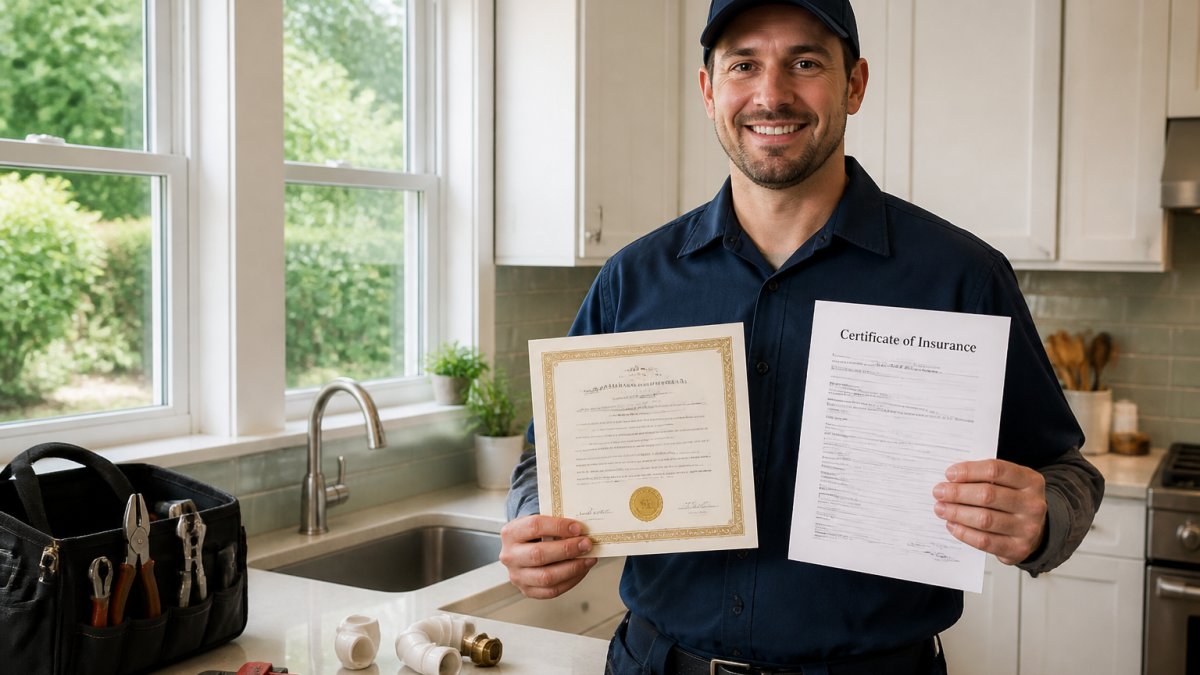
Before you hire anyone to work on your plumbing system, verify that they're actually qualified to do the job. Licensing requirements vary by province, but all legitimate plumbers carry proof of their credentials and insurance.
What to verify:
- Licensed status: Ask to see the technician's license. In most provinces, plumbers must be licensed and their credentials are searchable through the provincial regulatory body. Don't take their word for it, verify independently.
- Insurance: Request proof of liability insurance and workers' compensation coverage. If a technician gets injured on your property and the company isn't insured, you could be liable.
- References: Ask for at least three recent jobs they've completed in your area. Call those references and ask about the quality of work and whether the final bill matched the estimate.
Warranty specifics:
A warranty tells you what the contractor stands behind. Some warranties cover only parts (the pipe or fitting itself), while others cover labor too. Some are for 12 months; others extend to five years or longer.
Ask these questions about warranty:
- Does the warranty cover both parts and labor?
- How long does it last?
- What triggers the warranty (if the same problem happens again, or any plumbing issue)?
- How do you claim warranty work (do you call the same company, or can you use anyone)?
UMark Plumbing and Drain Inc. backs our work with warranties that cover both labor and materials, and we stand behind our repairs if the same issue recurs. That confidence comes from 20+ years of experience and a certified team.
Making Your Final Decision
After gathering estimates, checking references, and verifying credentials, you're ready to decide. But before you call back with your choice, do one final check.
Compare the companies side by side:
| Factor | Company A | Company B | Company C |
|---|---|---|---|
| Licensed and insured | Yes | Yes | No |
| Years in business | 8 | 3 | 15+ |
| Response time guarantee | 60 minutes | Not specified | 45 minutes |
| Warranty coverage | Parts only, 12 months | Labor + parts, 24 months | Labor + parts, 24 months |
| Total estimate | $1,200 | $950 | $1,150 |
| After-hours surcharge | $150 | Included | $100 |
This isn't a perfect science, but the pattern usually becomes clear. The cheapest option might lack insurance. The most expensive might not be worth the premium. The best choice is often the one that balances price, availability, credentials, and warranty.
Trust your instinct about responsiveness too. If a company was slow to return your call or vague about their process, that's a signal about how they'll treat you during the actual job.
When you're ready to hire, confirm the appointment details in writing. Get the technician's name, arrival window, and what to expect. Ask whether they'll call 30 minutes before arriving (most professionals do).
Choosing the right plumber comes down to balancing three things: availability when you need it, credentials that prove they know what they're doing, and transparency about cost and warranty. When you need a plumber, get a free quote and experience the difference responsive, professional service makes.
Frequently Asked Questions
How quickly can a plumbing service actually respond to an emergency call?
Response time depends on call volume, time of day, and your location. Most professional plumbing companies offering 24/7 service aim for arrival within 1-2 hours for emergencies. When calling, ask for a specific estimated arrival window rather than accepting vague promises. Local plumbing service providers often respond faster than national chains in specific areas because they have technicians stationed nearby. Confirm availability before an emergency strikes by calling during business hours to understand their actual dispatch times.
What should I ask a plumber before hiring them for a major repair?
Ask about their licensing status, insurance coverage, and warranty on repairs. Request a written estimate that breaks down labor, materials, and any service charges. Inquire about their experience with your specific issue (burst pipes, main sewer line clogs, water heater replacement). Ask how long the repair typically takes and whether they charge for the estimate itself. Verify they service your area and confirm their actual response time for emergencies. Check if they offer a guarantee on their work and what happens if the problem recurs.
How long does it take to clear a main sewer line clog?
Main sewer line clearing typically takes 1-3 hours depending on clog severity, line length, and access point location. Simple blockages near the cleanout may clear in under an hour, while deep clogs or tree root intrusions can take longer. The plumbing contractor must first locate and access the clog, then determine whether mechanical cleaning, hydro-jetting, or other methods are needed. Ask your plumber for a time estimate after they inspect the line. Emergency service may take longer due to call volume, even if the actual work duration is short.
What should I compare when reviewing plumbing quotes?
Compare the scope of work, not just the total price. Ensure all quotes address the same issue and include the same services. Look at labor rates, material costs, and any additional fees (travel time, after-hours charges, diagnostic fees). Check whether the estimate is binding or if the final bill could be higher. Verify that licensing, insurance, and warranty terms are identical across quotes. Ask if there are discounts for upfront payment or service plans. Never choose based on price alone; a cheap quote from an unlicensed contractor creates liability and poor-quality work risks.