 how-to
Certified Plumbing Services for Rental Properties
Table of Contents
- Why Certified Plumbing Services Matter for Rental Properties
- What Certified Plumbers Bring to Rental Property Management
- Rental Property Plumbing Maintenance: A Proactive Approach
- Plumbing Inspections for Rental Properties: When and Why
- Tenant and Landlord Responsibility for Plumbing Repairs
- Landlord Plumbing Maintenance Checklist for Year-Round Care
- How to Select and Verify a Qualified Plumbing Contractor
- Service Agreements and Emergency Response for Rental Properties
- Frequently Asked Questions
Last Updated: October 17, 2026
Why Certified Plumbing Services Matter for Rental Properties
Rental property owners maintain systems they don't live in, often learning about issues only after they've become expensive. Certified plumbing services for rental properties aren't a luxury, they're essential infrastructure management. At UMark Plumbing and Drain Inc., we've seen property managers learn this the hard way.
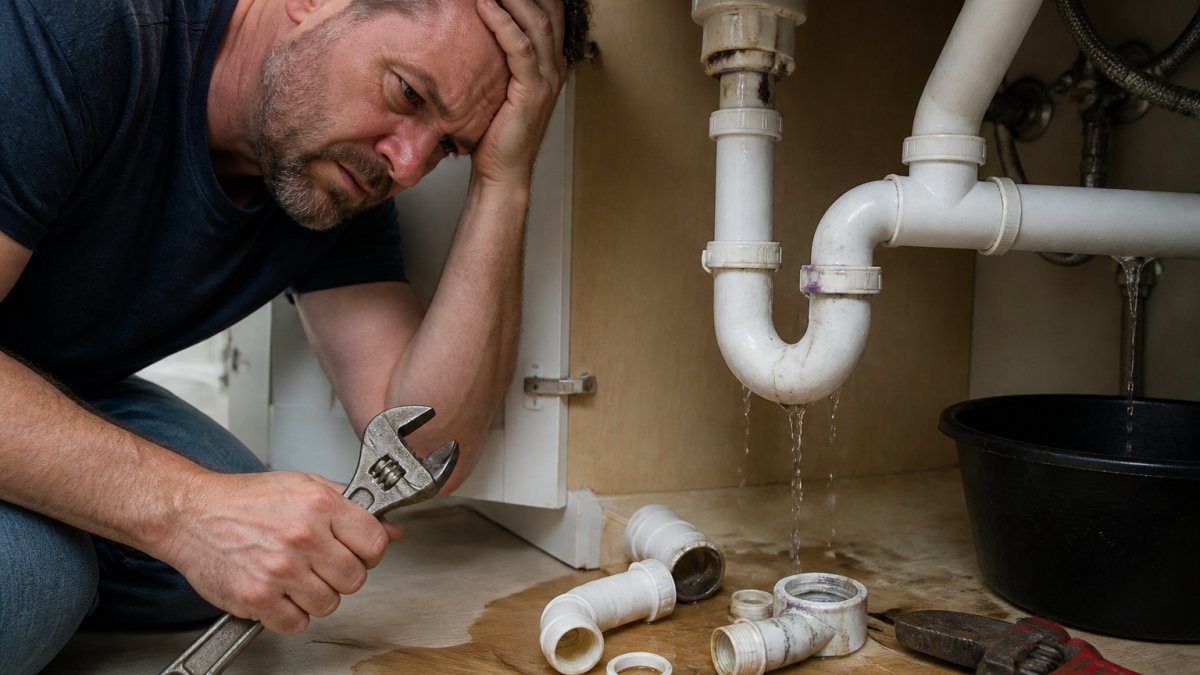
The difference between a certified plumber and an unlicensed one is liability protection, code compliance, and the assurance that repairs won't create bigger problems. When a tenant's shower backs up or a pipe bursts behind the wall, you need someone who understands rental property obligations, responds quickly, and documents everything.
Many property owners try to cut costs by hiring the cheapest option. That typically backfires: a quick, improper fix holds for a month, the issue resurfaces, the tenant complains, and you're calling another plumber with potential legal exposure.
What Certified Plumbers Bring to Rental Property Management
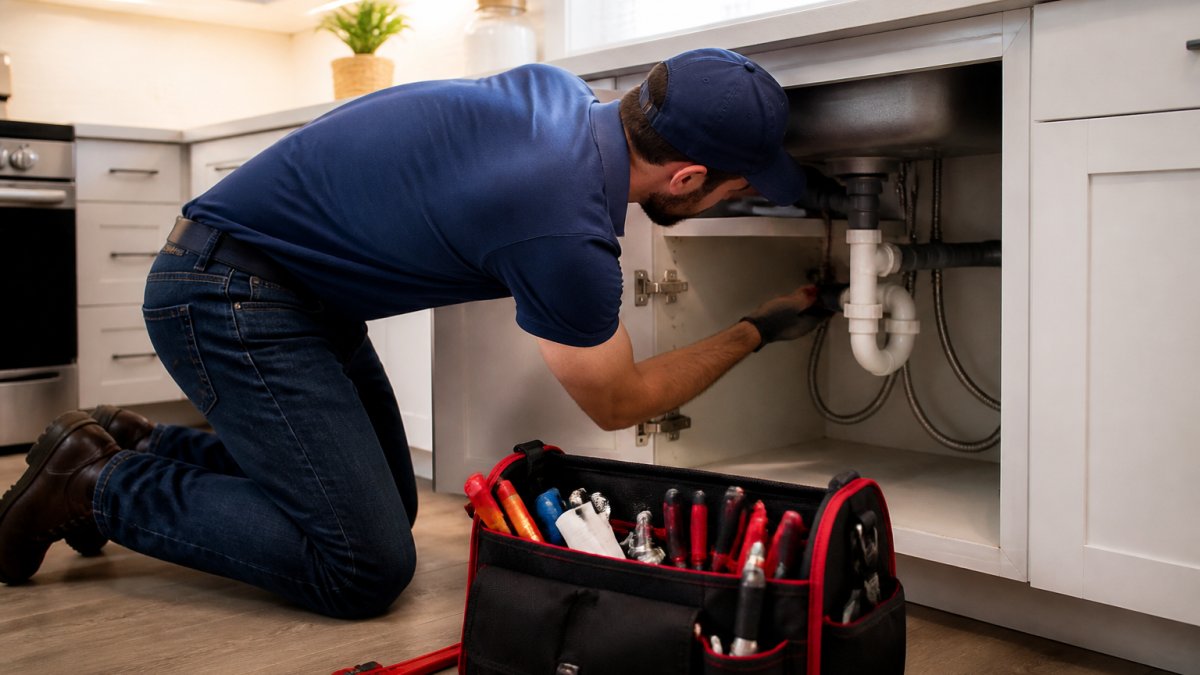
A certified plumber brings three things unlicensed contractors cannot: proper training, legal accountability, and insurance protection. You're hiring someone who has passed examinations, maintains current licensing, and carries liability insurance that protects your property.
Licensed plumbers understand building codes and rental property regulations, what inspectors look for, what documentation landlords need to keep, and how to perform repairs that meet legal standards. If a tenant is injured by faulty work, an unlicensed repair could expose you to liability claims insurance won't cover.
Certified professionals also bring diagnostic accuracy, identifying whether a drainage problem is a simple clog or a structural issue with the main line, the difference between $150 and $1,500. A qualified contractor won't guess; they'll inspect, explain the findings, and recommend the most cost-effective solution.
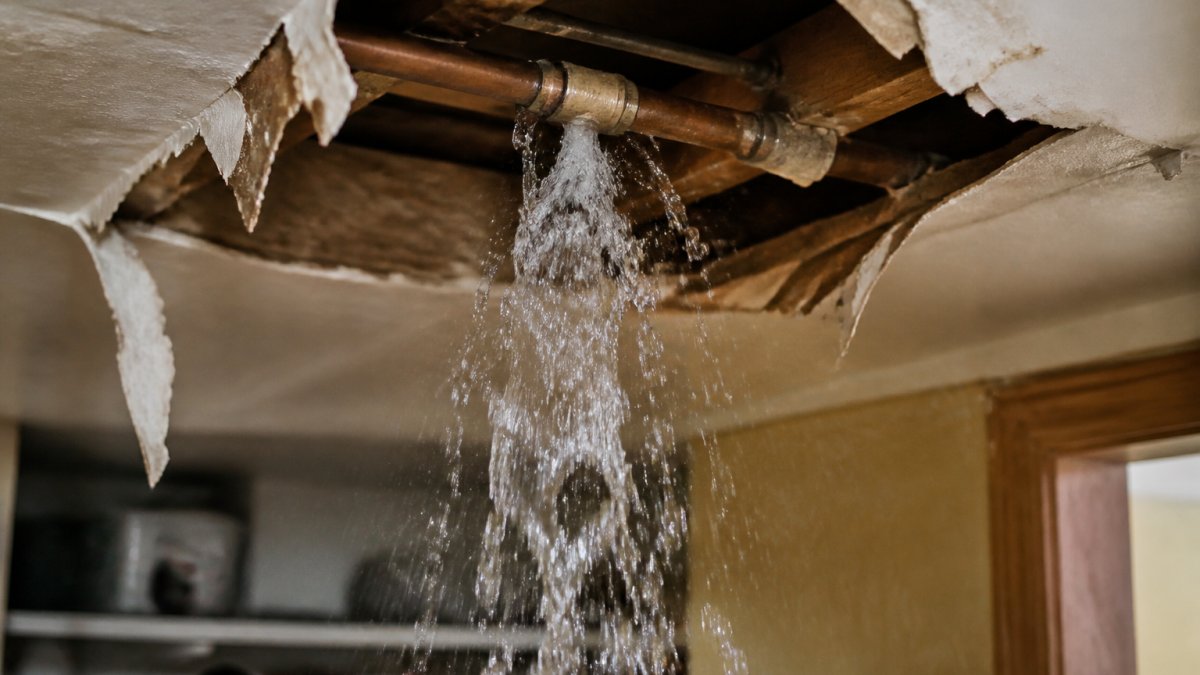
Response time and reliability matter too. When a burst pipe floods a unit at midnight on a Sunday, you need someone who will actually show up. UMark Plumbing and Drain Inc. offers 24/7 emergency services because rental property emergencies don't follow business hours.
Rental Property Plumbing Maintenance: A Proactive Approach
Most property managers react to problems instead of preventing them. Rental property plumbing maintenance done on a schedule costs far less than emergency repairs and keeps tenants satisfied.
A proactive approach includes seasonal inspections, filter replacements, and preventive drain cleaning. Before winter, a certified plumber can inspect exposed pipes, check for leaks, and ensure heating systems won't freeze; in spring, they can assess winter damage before it worsens.
Preventive maintenance also includes scheduled drain cleaning. Hair, soap buildup, and debris accumulate gradually; professional cleaning removes blockages before they cause backups that damage fixtures or require emergency calls.
Document everything: when inspections occurred, what was found, and what repairs were completed. This protects you if a tenant claims a problem predated their move-in and helps you budget for upcoming needs. A certified plumber will provide inspection reports for your property file.
Plumbing Inspections for Rental Properties: When and Why
Plumbing inspections for rental properties catch problems early, document the property's condition for legal protection, and inform maintenance budgets.
Schedule a comprehensive inspection when you acquire a rental property. This baseline identifies existing issues, aging systems nearing replacement, and areas of concern, becoming your reference point for future comparisons.
Annual inspections are standard for well-maintained rentals. A certified plumber checks water pressure, tests drains, inspects visible pipes for corrosion, and assesses the water heater, catching slow leaks, mineral buildup, and failing fixtures before they cause damage.
Inspections are also required around tenant turnover. A pre-move-in inspection documents condition; a post-move-out inspection distinguishes tenant damage from normal wear, protecting your security deposit decisions and preventing disputes.
When a tenant reports a plumbing issue, inspection is your first step. A certified plumber diagnoses the actual problem, not just the symptom, a slow drain might be a local clog or a sign of a larger line issue, and that determines the repair scope.
Tenant and Landlord Responsibility for Plumbing Repairs
The line between tenant and landlord responsibility varies, but the principle is consistent: landlords maintain the structure and systems; tenants maintain reasonable care. What most guides leave out is the compliance layer, the habitability standard, notice-and-access rules, the permit question, and the documentation that decides who pays.
The habitability obligation comes first. Residential tenancy legislation across the provinces requires landlords to keep units in repair and fit for habitation, and to comply with health, safety, and housing standards.
Emergency versus non-emergency changes the clock. Most tenancy frameworks treat loss of water, loss of heat or hot water, sewage backup, and uncontrolled leaks as urgent, requiring action within hours, not days. Non-emergency repairs (a dripping faucet, slow drain, running toilet) follow a longer window after written notice.
Notice and access rules govern every visit. In most provinces, a landlord may enter to make repairs after written notice, commonly 24 hours, except in genuine emergencies, where entry may be permitted without notice.
Who pays depends on cause, and cause depends on documentation. A pipe that fails from age or defect is the landlord's cost; a blockage from tenant-flushed items or negligence is generally recoverable, but only if you can show the condition before and after.
Permits and inspections are the landlord's compliance risk, not the plumber's. When work requires a permit under the provincial plumbing code or a municipal bylaw, the permit and inspection are ultimately the owner's responsibility, even when the contractor pulls them.
Landlord Plumbing Maintenance Checklist for Year-Round Care
A landlord plumbing maintenance checklist keeps properties functioning and catches problems before they become emergencies.
Monthly tasks:
- Check for visible leaks under sinks and around toilets
- Test that all drains flow normally
- Inspect water heater for signs of leaking or corrosion
Seasonal tasks (spring and fall):
- Have a certified plumber inspect the entire plumbing system
- Test water pressure and flow rates
- Clean or replace aerators on faucets
- Check outdoor faucets and irrigation systems for damage
Before winter:
- Insulate exposed pipes in unheated areas
- Drain outdoor faucets and irrigation lines
- Test that heating systems are functioning properly
- Inspect for any leaks that could freeze and burst pipes
Annual tasks:
- Schedule a comprehensive plumbing inspection
- Have the water heater serviced by a professional
- Inspect the main water shut-off valve and ensure it operates
- Review maintenance records and plan for upcoming replacements
Keep a maintenance log for each property recording when inspections occurred, what was found, and what repairs were completed, valuable documentation if tenant disputes arise or you need to plan capital improvements.
How to Select and Verify a Qualified Plumbing Contractor
Hiring the wrong plumber creates problems that last months; hiring the right one prevents emergencies and protects your investment.
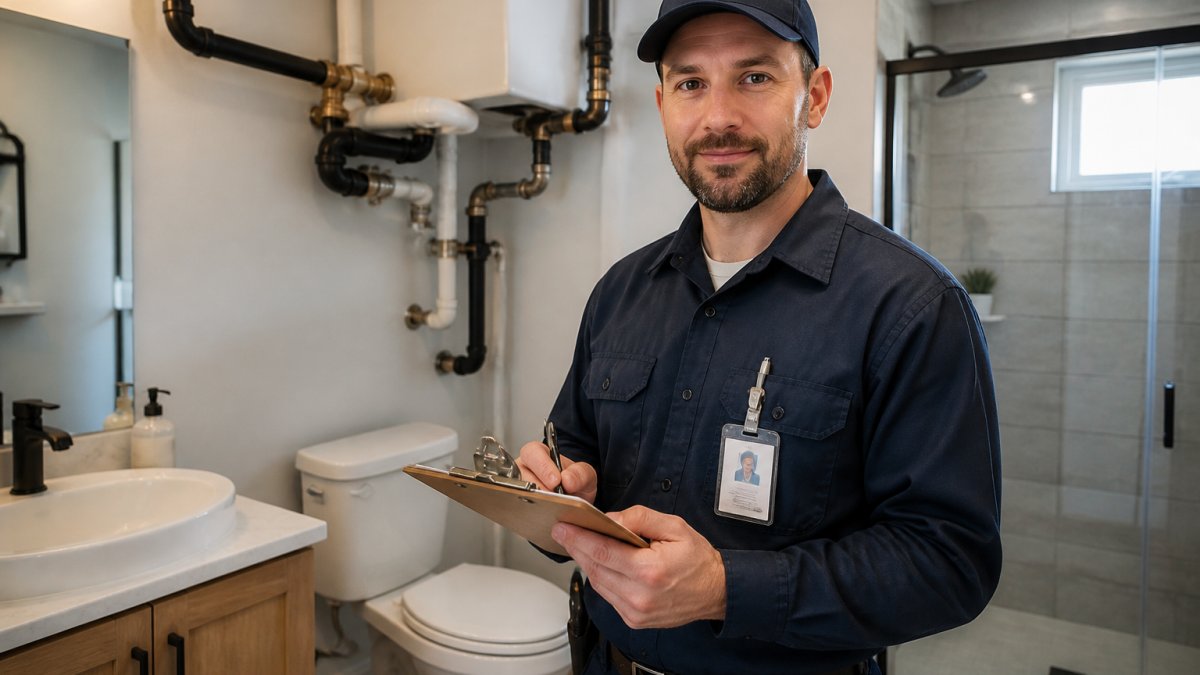
Step 1, Confirm the license against the official registry. In most provinces, plumbing is a compulsory trade: the individual doing the work must hold a valid trade certificate and the business must hold the appropriate contractor license.
Step 2, Request a certificate of insurance naming you or your property entity. Ask for commercial general liability insurance (commonly $2 million, sometimes $5 million for commercial and multi-unit work) and workers' compensation coverage for the jurisdiction.
Step 4, Get a written, itemized estimate with a scope statement. It should separate labor, materials, permits, and disposal, and state what is excluded.
Step 6, Check references from property managers, not just homeowners. Ask for three recent clients who own or manage rentals and call them. Useful questions: Did the plumber arrive in the window promised? Was the invoice within the estimate?
Step 7, Trial with a small job before signing an agreement. Before committing a multi-property service agreement, dispatch the contractor on one routine call, a drain cleaning, faucet replacement, or water heater flush.
Red flags that should end the conversation: reluctance to provide a license number, insurance certificates that can't be verified, cash-only pricing with no invoice, pressure to approve work before a diagnosis, and any suggestion that a permit is unnecessary for work that clearly alters the plumbing system.
Service Agreements and Emergency Response for Rental Properties
A service agreement with your plumbing contractor defines expectations and protects both parties. Without one, you're relying on informal understanding that breaks down when emergencies occur.
A strong service agreement specifies response times. For emergency calls, what does "24/7" actually mean, guaranteed arrival within a timeframe, or just an attempt to respond? Many contractors promise emergency availability but take hours to arrive.
The agreement should also specify how emergency calls are charged, flat fee, hourly rate, or premium rate. Understanding costs upfront prevents bill shock after a midnight repair.
Include provisions for routine maintenance and non-emergency repairs: how quickly inspections are scheduled and the typical turnaround for non-emergency work. Put these expectations in writing.
Document communication protocols: how you request service (phone, email, online portal), who your contact is, and whether you'll receive job status updates. Clear communication reduces frustration and prevents misunderstandings.
Specify what's included: are inspections part of ongoing service or billed separately, and are routine maintenance tasks included or itemized? Understanding what's covered prevents surprise charges.
A quality contractor like UMark Plumbing and Drain Inc. will work with you to establish an agreement that fits your rental property needs.
Managing plumbing across rental properties requires more than occasional repairs. You need a certified contractor who understands rental property obligations, responds reliably to emergencies, and maintains systems proactively. UMark Plumbing and Drain Inc. delivers certified plumbing expertise with 24/7 emergency availability and a team committed to quick, reliable repairs. Get a free quote today.
Frequently Asked Questions
Who is responsible for plumbing repairs in a rental property, the tenant or landlord?
In most provinces, landlords are responsible for maintaining the plumbing system in habitable condition, including pipes, fixtures, and drainage. Tenants are typically responsible for damage they cause through misuse. However, tenants must report problems promptly. Provincial residential tenancy acts vary, so verify your local requirements. A certified plumber can help document which party caused damage and what repairs fall under landlord maintenance obligations.
How often should plumbing be inspected in a rental property?
Most experts recommend annual plumbing inspections for rental properties, with additional inspections before new tenants move in and after major repairs. Properties with aging systems, frequent turnover, or a history of issues may benefit from inspections every 6 months. A certified plumber can assess your property's condition and recommend an inspection schedule that prevents costly emergencies and keeps your rental compliant with local housing standards.
What should a landlord plumbing maintenance checklist include?
A comprehensive checklist should cover drain cleaning, water pressure testing, leak inspections, water heater maintenance, fixture checks, sump pump testing (if applicable), and seasonal tasks like gutter maintenance. Document all work completed, dates, and contractor details. Keep records for at least 3-5 years to demonstrate due diligence and compliance. A certified plumber can help you develop a customized checklist based on your property's age, systems, and local regulations.
How do I know if a plumber is actually certified and qualified?
Ask for proof of licensing with your provincial or municipal authority, trade certification in gas fitting or plumbing, liability insurance, and references from other rental property owners. Verify credentials directly with the issuing body, don't rely solely on what the plumber shows you. Request a detailed service agreement that outlines response times, warranty on work, and emergency availability. A reputable certified plumber will provide all documentation without hesitation.
Frequently Asked Questions
Who is responsible for plumbing repairs in a rental property—the tenant or landlord?
In most provinces, landlords are responsible for maintaining the plumbing system in habitable condition, including pipes, fixtures, and drainage. Tenants are typically responsible for damage they cause through misuse. However, tenants must report problems promptly. Provincial residential tenancy acts vary, so verify your local requirements. A certified plumber can help document which party caused damage and what repairs fall under landlord maintenance obligations.
How often should plumbing be inspected in a rental property?
Most experts recommend annual plumbing inspections for rental properties, with additional inspections before new tenants move in and after major repairs. Properties with aging systems, frequent turnover, or a history of issues may benefit from inspections every 6 months. A certified plumber can assess your property's condition and recommend an inspection schedule that prevents costly emergencies and keeps your rental compliant with local housing standards.
What should a landlord plumbing maintenance checklist include?
A comprehensive checklist should cover drain cleaning, water pressure testing, leak inspections, water heater maintenance, fixture checks, sump pump testing (if applicable), and seasonal tasks like gutter maintenance. Document all work completed, dates, and contractor details. Keep records for at least 3-5 years to demonstrate due diligence and compliance. A certified plumber can help you develop a customized checklist based on your property's age, systems, and local regulations.
How do I know if a plumber is actually certified and qualified?
Ask for proof of licensing with your provincial or municipal authority, trade certification in gas fitting or plumbing, liability insurance, and references from other rental property owners. Verify credentials directly with the issuing body—don't rely solely on what the plumber shows you. Request a detailed service agreement that outlines response times, warranty on work, and emergency availability. A reputable certified plumber will provide all documentation without hesitation.