 how-to
Drain Cleaning Near Me: Costs, Methods & When to Call
Table of Contents
- Drain Cleaning Near Me: What Local Service Actually Includes
- How to Unclog a Drain Safely Before You Call Anyone
- Drain Cleaning Cost: What Drives the Price in Canada
- Hydro Jetting Drain Cleaning vs. Snaking and Chemical Cleaners
- Kitchen, Bathroom, and Sewer Line Problems: Matching the Method to the Clog
- Preventing Clogged Drains by Drain Type
- When to Stop DIY and Call a Licensed Plumber
- Frequently Asked Questions
Last Updated: October 18, 2026
Drain Cleaning Near Me: What Local Service Actually Includes
Searching for drain cleaning near me usually means one thing: water is going somewhere it shouldn't. At UMark Plumbing and Drain Inc., we've handled blocked pipes across North York and Vaughan for more than 20 years, and the pattern is always the same. A slow drain becomes a backed-up sink, and the backed-up sink becomes a flooded floor if nobody acts.
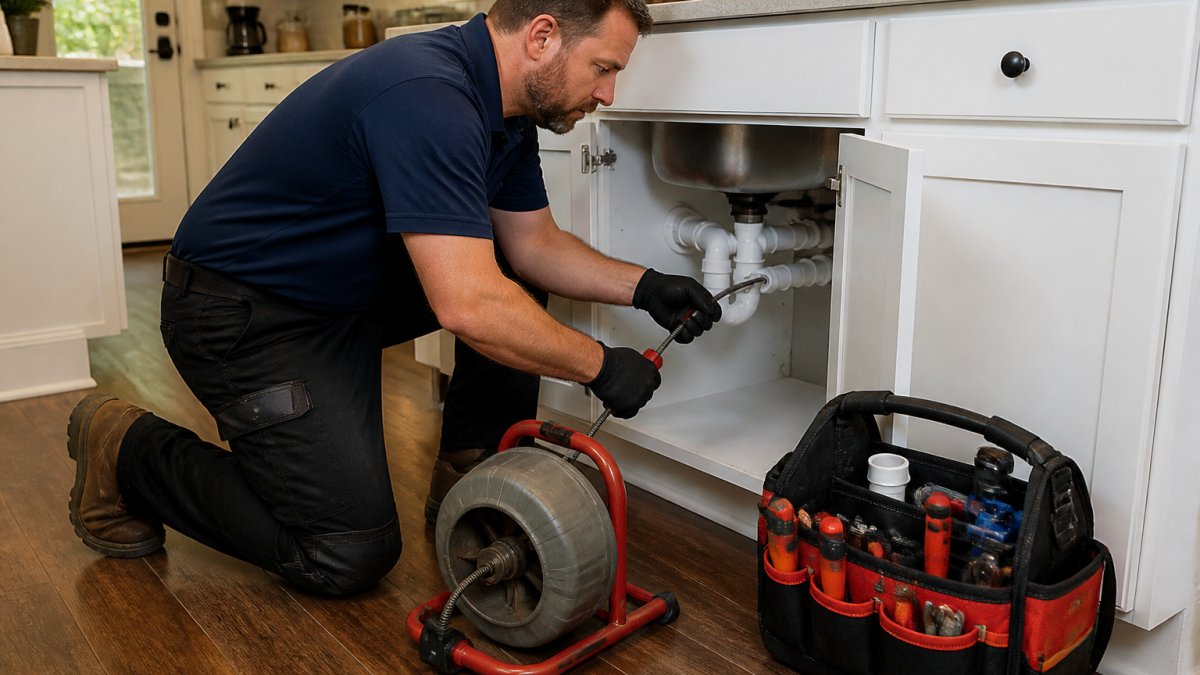
Professional drain cleaning is the mechanical removal of buildup and blockages from a drain or sewer line using specialized equipment, not just a plunger and hope. A proper residential service call typically covers four stages:
- Diagnosis: a licensed plumber checks water flow and listens for where the blockage sits
- Inspection: a camera inspection confirms the clog type and pipe condition before any tool goes in
- Clearing: drain clearing with a snake, auger, or flushing equipment matched to the blockage
- Verification: a flow test confirms the drain runs clear before the technician leaves
What separates a real service call from a quick fix is that last step. The Canadian Institute of Plumbing & Heating guidance on drain maintenance makes the same point: clearing without verification is how the same clog returns two weeks later.
How to Unclog a Drain Safely Before You Call Anyone
Most clogs clear with the right first move, and most damage happens when people skip to the wrong one. Here's the safe troubleshooting order we'd follow in our own homes.
- Boiling water first. Pour it slowly down the drain in stages. It shifts grease and soap film, which cause many kitchen blockages.
- Plunger second. Use a cup plunger with enough water to seal the rim, and work it in short, firm strokes.
- Drain snake third. Feed a hand auger in gently and pull it back slowly. Never force it past resistance.
- Baking soda and vinegar for slow bathroom drains where hair and soap scum are the likely culprit.
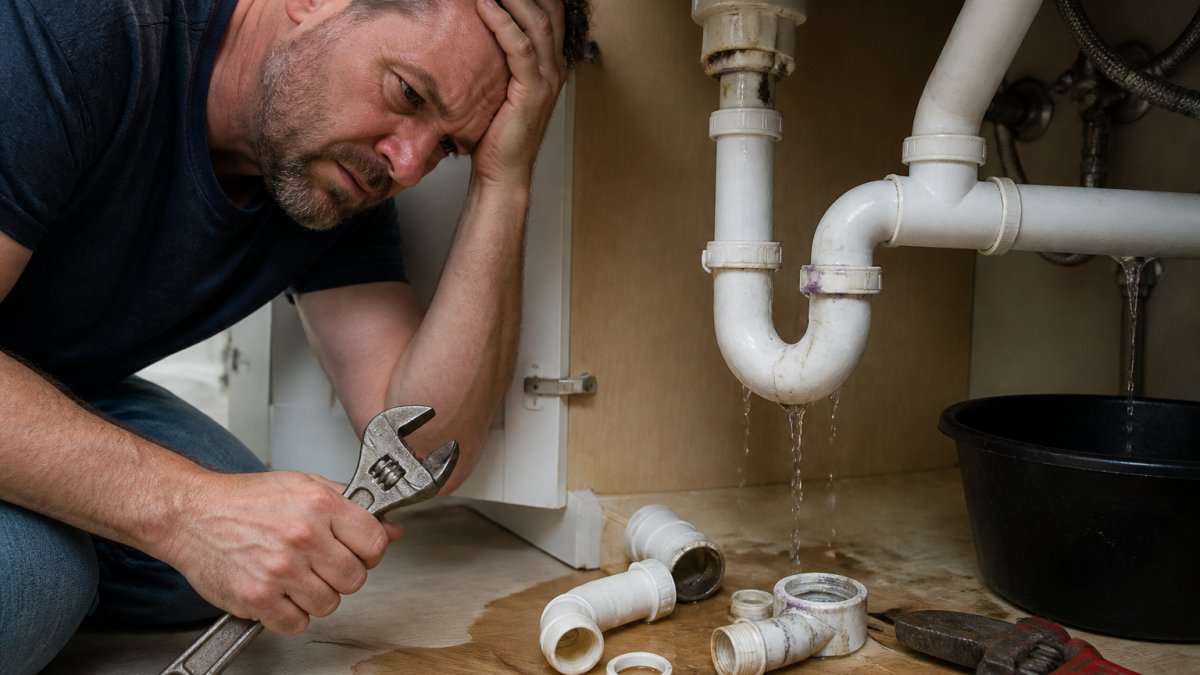
If two attempts fail, stop. A common mistake is working a hand snake too hard and cracking a trap joint, which turns a blocked sink into a plumbing repair job. That's the point where a professional service call is cheaper than the damage.
Drain Cleaning Cost: What Drives the Price in Canada
Drain cleaning cost depends on the blockage, the access point, and the time of day, not on a flat rate posted on a website. We quote after we understand the job, because two drains in the same building can need completely different methods. What most service pages won't tell you is how the numbers actually stack up, so here is the honest version.
A straightforward branch-drain clearing, a kitchen or bathroom sink, tub, or shower, can differ in cost from main sewer line work with camera inspection and hydro jetting. Emergency and after-hours calls add a premium on top. Treat those as ballpark figures, not quotes: the only number that matters is the one written on your estimate after the technician sees the drain.
The factors that move the price most:
| Factor | What It Means | Price Impact |
|---|---|---|
| Clog location | Kitchen sink vs. main sewer line | Deeper clogs cost more |
| Method needed | Snake vs. hydro jetting vs. camera inspection | Specialized equipment adds cost |
| Access | Easy cleanout vs. opening a wall or floor | Difficult access adds labor |
| Timing | Regular hours vs. emergency service | After-hours calls cost more |
| Pipe condition | Sound pipe vs. roots, scale, or collapse | Repair work adds cost |
| Line length and depth | Short branch drain vs. long buried sewer run | Longer runs take more time and equipment |
Ask for a ballpark before the technician leaves the shop and confirm what triggers extra charges. A clear, itemized estimate is standard practice for a reliable service, and any company that won't give one is telling you something. A good estimate separates the clearing charge from the inspection charge, states the after-hours rate up front, and says in writing what happens if the camera finds a broken pipe or roots, because that is where surprise costs come from.
One more budgeting point: confirm whether the quoted figure includes tax. And if the job turns into a repair, a collapsed section, root intrusion that needs cutting, or a failed fitting, ask for the repair quote separately rather than letting it get folded into the clearing bill. Comparing two itemized quotes side by side is the only fair way to judge price.
Hydro Jetting Drain Cleaning vs. Snaking and Chemical Cleaners
Hydro jetting drain cleaning uses high-pressure water to scour the full pipe wall, while snaking cuts a hole through the blockage and chemical cleaners dissolve or soften it. Each one fits a different situation, and picking wrong wastes money.
- Snaking works best for a single solid clog, like hair or a wad of paper, in a branch drain. It's fast and it restores water flow.
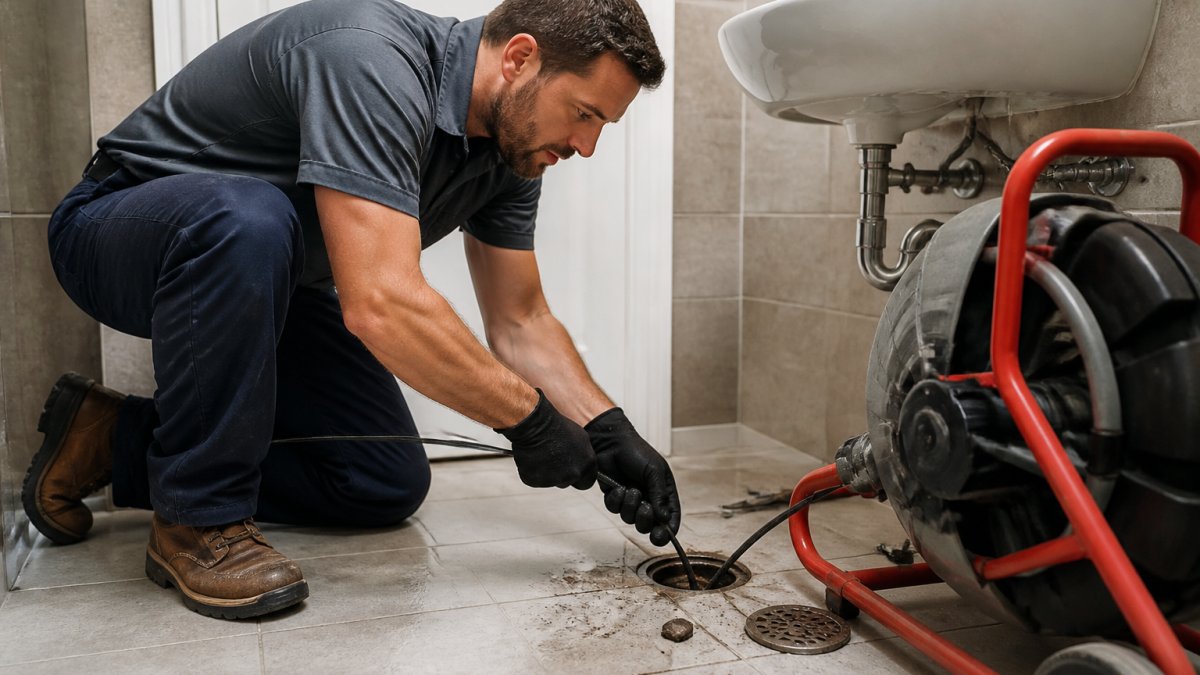
- Hydro jetting suits grease buildup, scale, and recurring blockages in larger lines. It cleans the pipe rather than punching through the clog, which is why sewer cleaning often relies on it.
- Chemical cleaners are a stopgap. They don't remove the buildup, and overuse damages older pipes.
The honest limitation: hydro jetting is the wrong tool for fragile or already-damaged pipe, because high pressure can finish off a pipe that's close to failing. That's why a camera inspection comes first. The Canadian government guidance on household hazardous waste is worth checking before you dispose of leftover chemical drain products, since they can't go down the drain or in regular garbage.
Kitchen, Bathroom, and Sewer Line Problems: Matching the Method to the Clog
Kitchen sink drain cleaning, bathroom drain cleaning, and sewer line work are three different jobs with three different failure patterns. Matching the method to the drain type is the whole game.
Kitchen sinks clog with grease and food residue that cools and hardens inside the pipe. Hot water and a plunger handle light cases; a snake or jetting clears the rest. Never rinse grease down the drain.
Bathroom drains collect hair and soap scum. A hair clog removal tool or hand snake usually does it, and a strainer prevents the next one.
Sewer lines are the serious category. A sewer line blockage shows up as multiple slow drains, gurgling toilets, or a drain backup in the basement. Those symptoms point to the main line, not a single fixture, and they call for a camera inspection and locator device to find the problem before anyone digs.
Basement flooding and flood prevention belong here too. A backwater valve and a floor drain check are cheap insurance compared with cleaning up after a sewer backup.
Preventing Clogged Drains by Drain Type
Preventing clogged drains is mostly about knowing what each drain in your home is asked to swallow. The routine differs by fixture, and generic advice misses that. Here is what actually works, drain by drain.
Kitchen sinks. Grease is the enemy, and it doesn't disappear when it cools, it coats the pipe wall and narrows the opening until food scraps catch. Wipe pans into the bin or a compost container, never the sink.
Bathroom drains. Hair and soap scum are the culprits, and they bind together into a mat that a plunger just pushes around. Fit a hair strainer and clear it weekly, that single habit prevents most bathroom clogs.
Toilets. Paper and waste only. A single flushable wipe can catch on an older pipe joint and start a blockage, and the same goes for dental floss, cotton swabs, and "flushable" cat litter. Keep a small bin beside the toilet and use it.
Floor drains. These dry out, and a dry trap lets sewer gas into the home.
Main sewer lines. Mature trees near the line are the classic risk: roots find the moisture at a joint and grow into the pipe. If your home has large trees within a few metres of the sewer run, book a periodic camera inspection rather than waiting for a backup.
A simple maintenance habit beats an emergency service call every time.
When to Stop DIY and Call a Licensed Plumber
Call a licensed plumber when a clog returns within days, when multiple fixtures back up at once, when you smell sewage, or when water is rising where it shouldn't. Those are signals the problem is structural, not a surface blockage.
The line between DIY and professional is clearer than most people think:
- Keep going yourself if one fixture drains slowly and a plunger or hand snake helps.
- Stop and call if you've tried twice with no improvement, if the water backs up into another fixture, or if you hear gurgling from the floor drain.
- Call immediately if sewage is backing up, if there's water near electrical outlets, or if a pipe is visibly damaged.
A certified technician carries the right equipment and the insurance to use it. The Technical Standards and Safety Authority consumer information is a useful starting point for checking credentials on trade work in the province. What most guides miss is that a repeat clog is diagnostic information, not bad luck. It usually means roots, a belly in the pipe, or scale that a snake can't fix.
That's where our team comes in. We've built our reputation on showing up when we say we will, quoting before we start, and clearing the cause rather than the symptom. Our certified team handles residential and commercial drain and sewer work with camera inspection, flushing equipment, and a verification test on every job, backed by more than 20 years of experience and 24/7 availability.
A blocked drain never picks a convenient moment. If you've tried the safe steps above and the water still won't move, or if you're dealing with a sewer backup, a repeat clog, or a commercial property where downtime costs money, don't wait for it to get worse.
Frequently Asked Questions
How much does drain cleaning cost?
Drain cleaning cost depends on the clog's location, how deep it sits, and the method needed. A simple kitchen or bathroom drain clearing usually costs less than a main sewer line job that requires camera inspection or hydro jetting. After-hours and emergency calls typically add a premium. UMark Plumbing and Drain Inc. provides an estimate before work starts, so you know the price before the technician begins. Check the website for current rates or request a free quote.
When should I call a plumber for a clogged drain?
Call a plumber when water backs up in more than one fixture, when a clog returns within days of clearing, or when you smell sewage. These point to a blockage deeper in the drain cleaning system, often in the sewer line. Repeated clogged drains after DIY attempts usually mean grease, roots, or scale has built up and needs professional equipment such as a camera inspection or hydro jetting drain cleaning to clear it properly.
Can chemical drain cleaners damage pipes?
Yes. Chemical drain cleaners generate heat and are corrosive, which can soften PVC joints, damage older metal pipes, and harm septic systems. They also rarely clear the full blockage, so the clog returns. Mechanical drain clearing with a snake or hydro jetting drain cleaning is safer for your pipes and more effective. If you have already poured chemicals down the drain, tell the technician before they arrive so they can take precautions.
How long does professional drain cleaning take?
Most kitchen and bathroom drain clearing jobs take 30 to 60 minutes. A main sewer line that needs camera inspection and hydro jetting drain cleaning can take one to three hours depending on access and the severity of the blockage. Emergency service is available around the clock, and a technician can give a time estimate when you book the service call so you can plan your day.