 listicle
Certified Local Plumber for Businesses: Your Guide
Table of Contents
- Why Certified Local Plumbers Matter for Businesses
- What to Look for in a Certified Local Plumber for Businesses
- Commercial Plumbing Maintenance Services for Operational Reliability
- Commercial Plumbing Code Compliance and Local Standards
- Common Commercial Plumbing Issues and Solutions
- How to Choose the Right Contractor for Your Business
- Conclusion
Last Updated: August 26, 2026
Why Certified Local Plumbers Matter for Businesses
When a burst pipe floods your server room at 3 AM on a Sunday, the difference between a certified local plumber and whoever picks up the phone is the difference between recovery and catastrophe. Downtime costs money, sometimes thousands per hour, and a certified local plumber for businesses understands that urgency in a way a residential technician might not.
Your facility isn't just a place where people work; it's where revenue happens, where patients receive care, where students learn. A plumbing failure is a business interruption. That's why finding a certified local plumber for businesses requires more than a quick Google search. You need someone with credentials that prove competence, insurance that protects your liability, and a track record of understanding commercial infrastructure.
At UMark Plumbing and Drain Inc., we've spent over 20 years serving commercial clients across the region with certified technicians available 24/7. This guide covers what actually separates qualified contractors from those who'll leave you with an incomplete fix and a mismatched bill.
What to Look for in a Certified Local Plumber for Businesses
Licensing and Credentials
A certified local plumber for businesses should hold current provincial licensing and demonstrate ongoing professional development. In most jurisdictions, this means a Journeyperson Plumber license or equivalent, issued after apprenticeship and examination (red-seal.ca). Ask for proof of active licensing and verify it directly with your provincial licensing body.
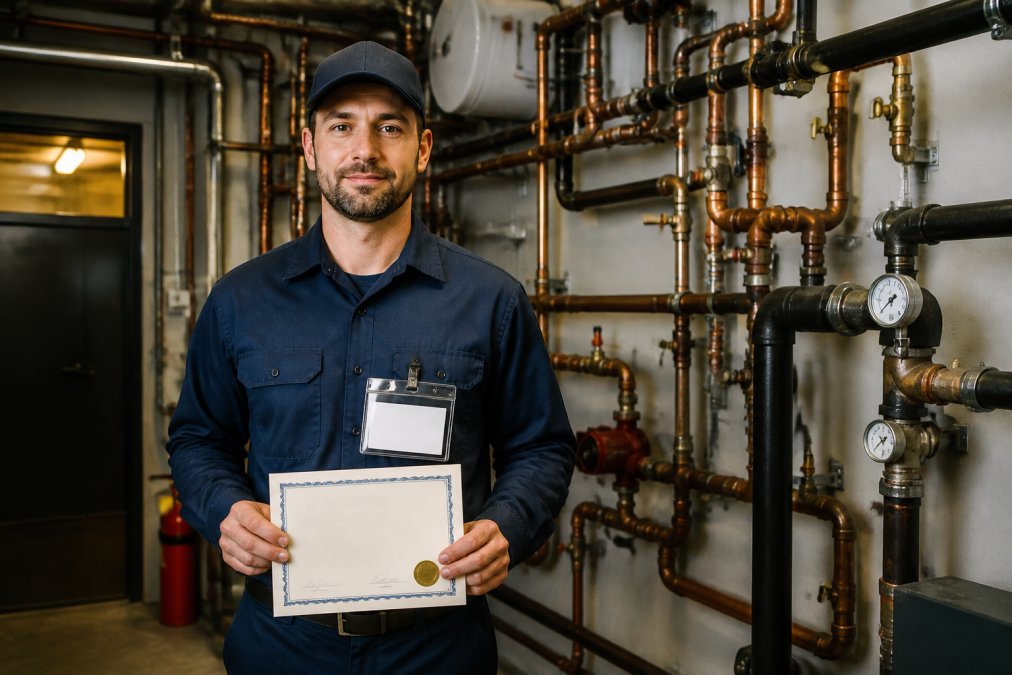
Look for credentials from recognized trade organizations or specialized training in commercial systems, backflow prevention, or industrial plumbing. A plumber who claims certification should show the actual certificate and explain what it covers. This matters most when code compliance is on the line, a certified technician knows specific requirements for your facility type, whether that's a restaurant kitchen, medical office, or industrial facility.
Insurance and Bonding
A certified local plumber for businesses must carry liability insurance covering commercial work. Request proof of coverage before they enter your facility. General liability insurance protects you if something goes wrong during repair; workers' compensation insurance protects their employees.
Bonding is the second layer. A bonded contractor has posted a financial guarantee that they'll complete work as promised. Request certificates of insurance and verify they're current. A legitimate certified local plumber for businesses will provide this documentation upfront without hesitation.
Emergency Response Capability
Ask specifics about response time. What's the average response time for emergency calls? Do they keep technicians on standby or dispatch from home? Are there geographic limits to their service area?
A certified local plumber for businesses should have documented response protocols. Some maintain equipment in multiple locations or rotate on-call staff to ensure coverage. Before you have an emergency, call during business hours and ask for their emergency procedures in writing.
Commercial Plumbing Maintenance Services for Operational Reliability
Preventative Maintenance Programs
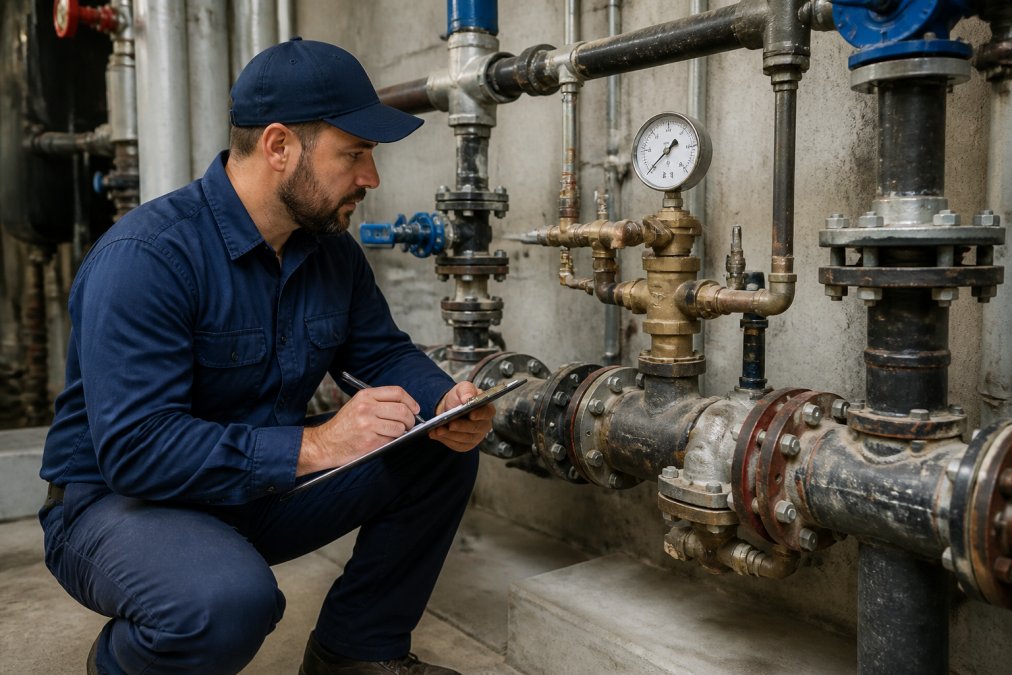
Preventative maintenance is where certified local plumbers for businesses earn their value. A scheduled inspection program catches problems before they become emergencies, leaks before they damage infrastructure, corrosion before it weakens pipe walls, blockages before they back up into your facility.
A preventative maintenance program typically includes quarterly or semi-annual inspections, water quality testing, pressure monitoring, and documentation of system condition. The cost is predictable and significantly lower than emergency repairs. A certified local plumber for businesses will recommend a maintenance schedule based on your facility's age, usage patterns, and code requirements.
Drain Cleaning and Sewer Services
Commercial drain systems handle higher volume and different types of waste than residential systems. A certified local plumber for businesses understands these distinctions and has equipment suited to commercial-scale problems.
Drain cleaning typically involves mechanical snaking for standard clogs or hydro-jetting for stubborn buildup. A certified technician knows which approach suits your situation and what pressure levels are safe for your pipe material. Sewer line inspection using camera technology shows exactly what's happening inside the line, tree root intrusion, pipe collapse, offset joints, or simple buildup, preventing guesswork and ensuring the right solution.
Commercial Plumbing Code Compliance and Local Standards
Backflow Prevention Requirements
Backflow prevention is one of the most commonly overlooked compliance requirements. Backflow occurs when contaminated water flows backward into the clean water supply, a serious public health risk (the CDC). Most jurisdictions require backflow prevention devices on commercial properties, with specific requirements depending on facility type and water usage (the EPA).
A certified local plumber for businesses knows the specific requirements for your jurisdiction and facility type. Installation is only the beginning, backflow prevention devices require annual testing and certification. A certified technician maintains records of testing, handles required maintenance, and ensures your system stays compliant.
Building Code Inspections and Permits
Commercial plumbing work typically requires permits and inspections. A certified local plumber for businesses handles this as routine, knowing which work requires permits and how to pass inspection. They understand the specific code requirements for your facility type.
Unpermitted work creates liability for you as the property owner. If something fails and causes damage, your insurance might not cover it if the work wasn't permitted. A certified local plumber for businesses treats permits as non-negotiable.
Common Commercial Plumbing Issues and Solutions
Leak Detection and Pipe Repair
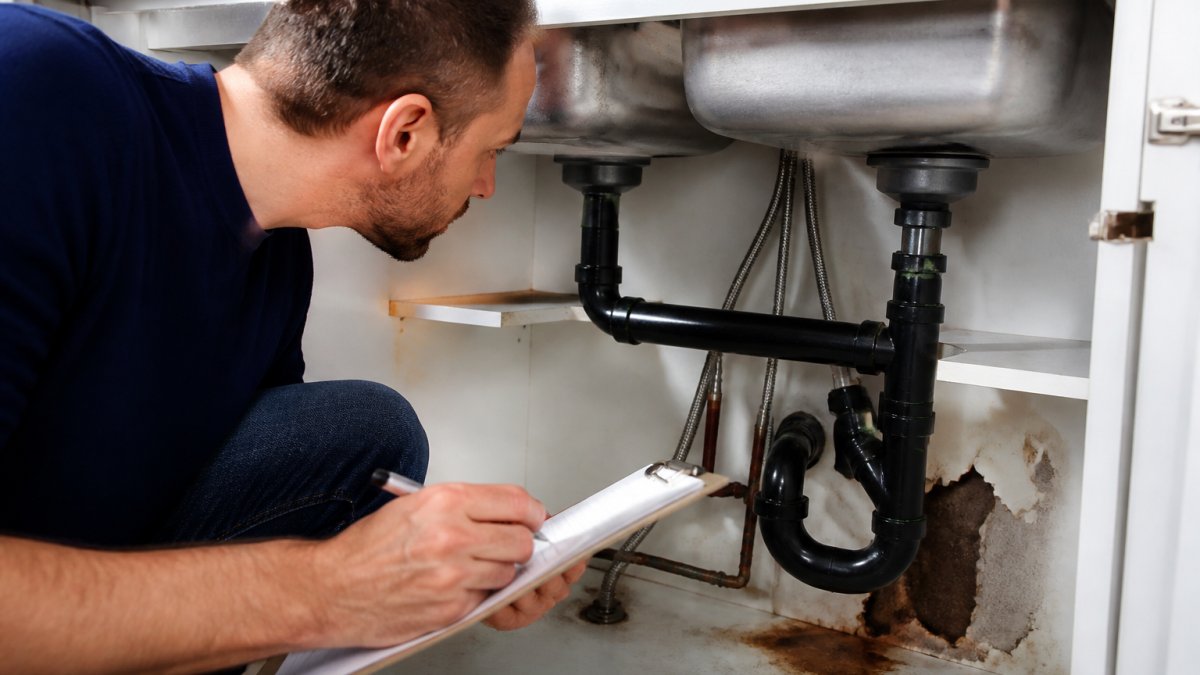
A small leak in a commercial building compounds quickly. Water damage accumulates, mold develops, structural materials degrade. A certified local plumber for businesses has tools and expertise to find leaks before they cause serious damage.
Modern leak detection uses acoustic equipment, thermal imaging, or pressure testing to pinpoint problems without destructive investigation. Repair options depend on the situation, some leaks can be patched; others require pipe replacement. Trenchless technology like pipe bursting, pipe relining, and epoxy coating can address corrosion or damage without excavation. A certified local plumber for businesses knows when each method is appropriate.
Water Heater Installation and Maintenance
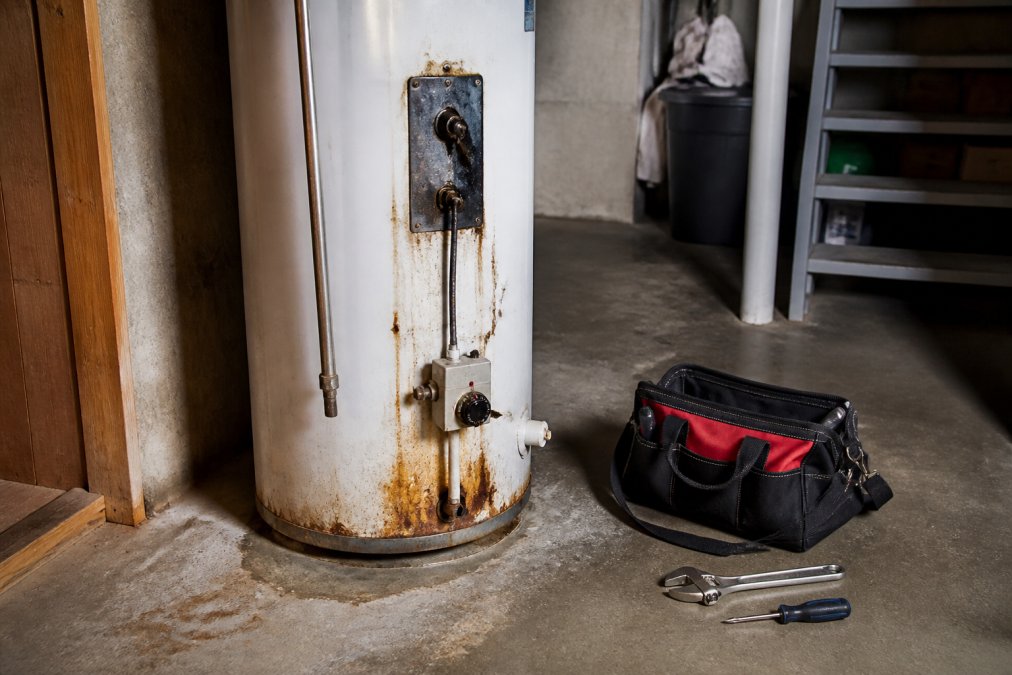
Commercial water heaters operate at a different scale than residential units. Capacity must match demand; efficiency impacts operating costs; reliability affects facility operations. A certified local plumber for businesses understands these factors and recommends appropriate equipment for your specific needs.
Installation involves proper venting, expansion tank sizing, pressure relief configuration, and integration with building systems. Code compliance is strict. Maintenance extends equipment life and prevents unexpected failure through regular inspections, sediment flushing, and component testing.
Grease Trap and Catch Basin Services
Restaurants and food service facilities generate grease that can't go into standard drain systems. Grease traps capture this material before it reaches municipal sewers, preventing blockages and environmental problems. A certified local plumber for businesses understands grease trap sizing, installation, and maintenance requirements, and maintains documentation for compliance.
Catch basins serve similar functions in different contexts, capturing sediment, debris, or contaminants before they reach storm drains or sewer systems. A certified local plumber for businesses treats these systems as critical infrastructure.
How to Choose the Right Contractor for Your Business
Service Area and Response Time
Geography matters more than you might think. A certified local plumber for businesses who operates in your area understands local code variations and can respond quickly to emergencies. Ask directly: What's your service area? Where are your technicians based? What's your average response time for emergencies?
Confirm they have experience with your facility type and the specific systems you need serviced.
Transparent Pricing and Written Estimates
A certified local plumber for businesses provides transparent pricing and written estimates that explain what's included. Ask how they charge: flat rate, hourly rate, or project-based pricing? What's included in the estimate, parts, labor, permits, inspections? Get these answers in writing before work begins.
A quality contractor separates estimate from invoice. If something changes during work, they communicate before proceeding, not after.
References and Customer Feedback
Ask for references from commercial clients similar to yours. References from businesses reflect commercial work quality better than residential customers. Ask specifically about response time, quality of work, and whether the contractor communicated clearly about costs and timeline.
Online reviews provide useful context. Look for patterns: Do multiple reviews mention the same strengths or weaknesses? Check whether the contractor is affiliated with professional organizations or has certifications beyond basic licensing.
Conclusion
A certified local plumber for businesses is an investment in operational reliability, code compliance, and protection against liability. The difference between hiring someone certified and someone just claiming experience becomes obvious when an emergency hits or when an inspector questions your system's compliance.
UMark Plumbing and Drain Inc. brings 20+ years of commercial experience, 24/7 emergency availability, and a certified team that understands the specific demands of business facilities. Whether you need preventative maintenance programs, emergency repairs, or compliance documentation, our approach prioritizes minimizing your downtime and protecting your operation. Get a free quote and discover how certified expertise translates to operational peace of mind.
Frequently Asked Questions
What certifications should a certified local plumber for businesses hold?
A certified local plumber serving businesses should hold a valid provincial plumbing license, carry liability insurance, and maintain bonding. In most provinces, plumbers must complete apprenticeships and pass licensing exams. For commercial work, look for credentials in backflow prevention, gas line installation, and knowledge of commercial building codes. Verify credentials directly with your provincial regulatory body to confirm current standing.
How do commercial plumbing code compliance requirements differ from residential plumbing?
Commercial plumbing code compliance involves stricter standards for water pressure, drainage capacity, and backflow prevention. Commercial systems must handle higher usage volumes and meet specific health and safety codes. Backflow prevention devices are mandatory in most commercial properties. Building permits and inspections are more rigorous. A certified contractor familiar with commercial plumbing code compliance ensures your systems meet all local bylaws and pass inspections.
What should I ask a plumber about their commercial plumbing maintenance services before hiring?
Ask about their preventative maintenance programs, response times for emergencies, and whether they offer service level agreements. Inquire about their experience with your industry type (restaurants, medical facilities, schools). Request references from other commercial clients. Confirm they provide written estimates, carry insurance, and understand local building codes. Ask about drain cleaning frequency recommendations and whether they offer 24/7 availability for emergencies.
How can I verify if a plumbing contractor is insured and bonded?
Request proof of current liability insurance and bonding directly from the contractor. Ask for certificate numbers and contact information for their insurance provider. You can verify bonding through your provincial licensing board or the contractor's regulatory body. Never hire a contractor who cannot provide documentation. Bonding protects you if work is incomplete or substandard; insurance covers liability if damage occurs during repairs.
This article was written using GrandRanker