 listicle
7 Common Plumbing Issues: Fixes and Prevention
Table of Contents
- 7 Common Plumbing Issues: Fixes and Prevention
- 1. Leaky Faucets and Dripping Fixtures
- 2. Clogged Drains and Blocked Pipes
- 3. Running or Constantly Flushing Toilets
- 4. Low Water Pressure Issues
- 5. Water Heater Malfunctions and How to Choose the Right Water Heater Size
- 6. Sewer Line Backups and Tree Root Intrusion
- When to Call Emergency Plumbing Services
- Seasonal Plumbing Preparation and Preventative Maintenance
- Frequently Asked Questions
Last Updated: August 31, 2026
7 Common Plumbing Issues: Fixes and Prevention
Most homeowners ignore their plumbing until something breaks, a small leak becomes a basement flood, or a slow drain turns into complete blockage. Understanding common plumbing issues in North York helps you catch problems early and avoid costly emergency repairs. At UMark Plumbing and Drain Inc., we've spent over 20 years helping homeowners and businesses identify and fix these problems before they escalate. This guide covers the seven most frequent issues we encounter, what causes recurring toilet clogs them, how to fix them, and when to call a professional.
1. Leaky Faucets and Dripping Fixtures
A dripping faucet wastes roughly 11,356 liters of water per year and signals that internal seals or washers have worn out.
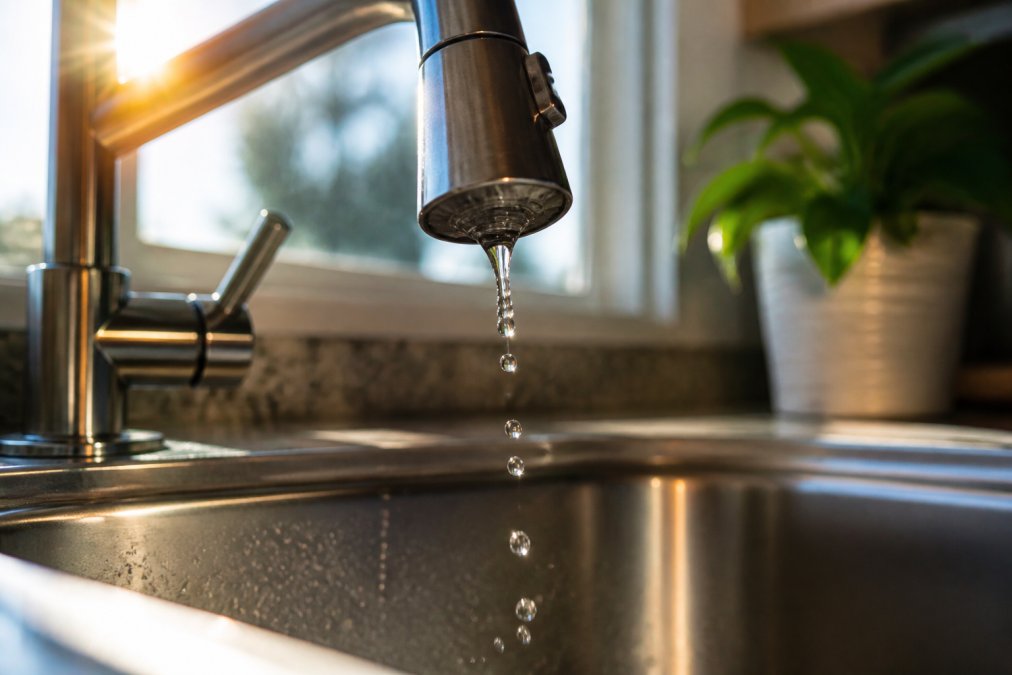
Why faucets leak: Faucets contain rubber washers, O-rings, and seals that deteriorate over time. Hard water deposits can corrode these components, or mineral buildup can prevent proper closure.
DIY approach: For compression faucets (older two-handle style), replacing the washer is straightforward. Turn off the water supply using the shut-off valve beneath the sink, disassemble the handle, and swap out the worn washer in 15-20 minutes for a few dollars. For cartridge or ball-type faucets (single-handle models), you'll need a cartridge replacement kit specific to your model.
When to call a professional: If you're uncomfortable working with fixtures or replacing the washer doesn't stop the drip, a licensed plumber can diagnose whether you need a cartridge replacement, new valve body, or complete faucet replacement.
2. Clogged Drains and Blocked Pipes
Clogged drains rank among the most common plumbing issues. Hair, soap scum, food particles, and grease accumulate inside pipes, gradually restricting water flow until complete blockage occurs.
What causes clogs: Bathroom drains clog from hair combined with soap residue. Kitchen drains trap grease and food particles. Tree roots can also penetrate sewer lines in older homes, causing backups that affect multiple drains.
DIY solutions: For minor clogs, a plunger works well. Fill the sink or tub with enough water to cover the plunger cup, then plunge vigorously 15-20 times. For tougher clogs, a drain snake (plumbing auger) can break through blockages manually. You can rent these at hardware stores for $15-30 per day.
When professional drain cleaning is necessary: If plunging and snaking don't work, or if multiple drains are backing up, you likely have a deeper blockage in the main sewer line. This requires professional equipment like hydro-jetting, a high-pressure water system that clears pipes without chemicals. UMark Plumbing and Drain Inc. uses hydro-jetting and sewer line inspection cameras to identify exactly where the blockage is and prevent it from returning.
3. Running or Constantly Flushing Toilets
A running toilet wastes more water than any other household fixture. If your toilet runs continuously or refills randomly, the internal flapper valve or fill valve has failed, one of the easiest plumbing issues to fix yourself.
How toilets work: When you flush, water drains from the tank through the flapper valve at the bottom. As the tank empties, the float drops, triggering the fill valve to refill. If the flapper doesn't seal properly, water slowly leaks into the bowl, the float drops, and the fill valve runs constantly.
DIY repair: Open the toilet tank lid and inspect the flapper, a rubber disc at the bottom. If it's cracked, warped, or covered in mineral deposits, replace it. A universal flapper costs $10-15 and takes 5 minutes to install. If the flapper looks fine, the issue is likely the fill valve itself, which can be replaced with a kit in 15-20 minutes.
When to call a plumber: If replacing the flapper and fill valve doesn't stop the running, the problem may be cracks in the tank itself or issues with the water supply line.
4. Low Water Pressure Issues
Low water pressure makes showering frustrating and washing dishes slow. The problem can originate from your main water line, a clogged aerator, or issues with your home's internal plumbing.
Common causes: Mineral deposits clog aerators (the screens at faucet outlets). Corroded or failing water pressure regulators reduce flow throughout the home. Leaks in hidden pipes can also cause pressure drops.
Quick fixes: Remove the aerator from the faucet (unscrew by hand), soak it in vinegar for 30 minutes to dissolve mineral deposits, scrub with an old toothbrush, and reinstall. This solves low pressure at a single faucet in most cases.
If pressure is low throughout your home, check the water pressure regulator, a bell-shaped device on the main water line where it enters your house. A failing regulator can be replaced, but this requires shutting off the main water supply and is best left to professionals.
Professional solutions: A licensed plumber can test your water pressure with a gauge (normal is 275-414 kPa) and identify whether the issue is on your property or the municipal supply.
5. Water Heater Malfunctions and How to Choose the Right Water Heater Size
Water heater problems range from no hot water to strange noises and leaks. Understanding your heater type and capacity helps you troubleshoot issues and plan replacements.
Common water heater problems: Sediment buildup inside the tank reduces efficiency and creates rumbling noises. The heating element fails, leaving you with lukewarm water. Pressure relief valves leak or fail. In older tanks, corrosion causes leaks requiring full replacement.
DIY maintenance: Flushing sediment from your tank annually extends its lifespan. Turn off the power (for electric) or gas, shut off the cold water inlet, connect a hose to the drain valve at the tank's base, and drain several liters until the water runs clear. This takes 30 minutes and costs nothing.
Choosing the right water heater size: Tank capacity should match your household's peak hot water demand. A family of four typically needs a 150-190 liter tank for adequate hot showers and laundry. Larger households (5+ people) benefit from 280+ liter tanks. Consider recovery rate, how quickly the heater replaces hot water that's been used. Newer heaters are significantly more efficient than models over 10 years old.
When replacement is necessary: If your heater is over 10 years old and leaking, replacement is inevitable. Repair costs for older units often exceed 50% of a new heater's price, making replacement the smarter choice.
6. Sewer Line Backups and Tree Root Intrusion
Sewer line problems are among the most serious plumbing issues because they affect your entire home's drainage. Tree roots, ground settling, and aging pipes all cause backups that send sewage into your basement or yard.
Why sewer lines fail: Tree roots penetrate cracks in older clay or cast-iron pipes, seeking moisture. Once inside, they grow and block the line completely. Ground settling shifts pipes out of alignment, creating low spots where waste collects. Corrosion eats through cast-iron pipes, creating holes that allow soil to enter and collapse the line.
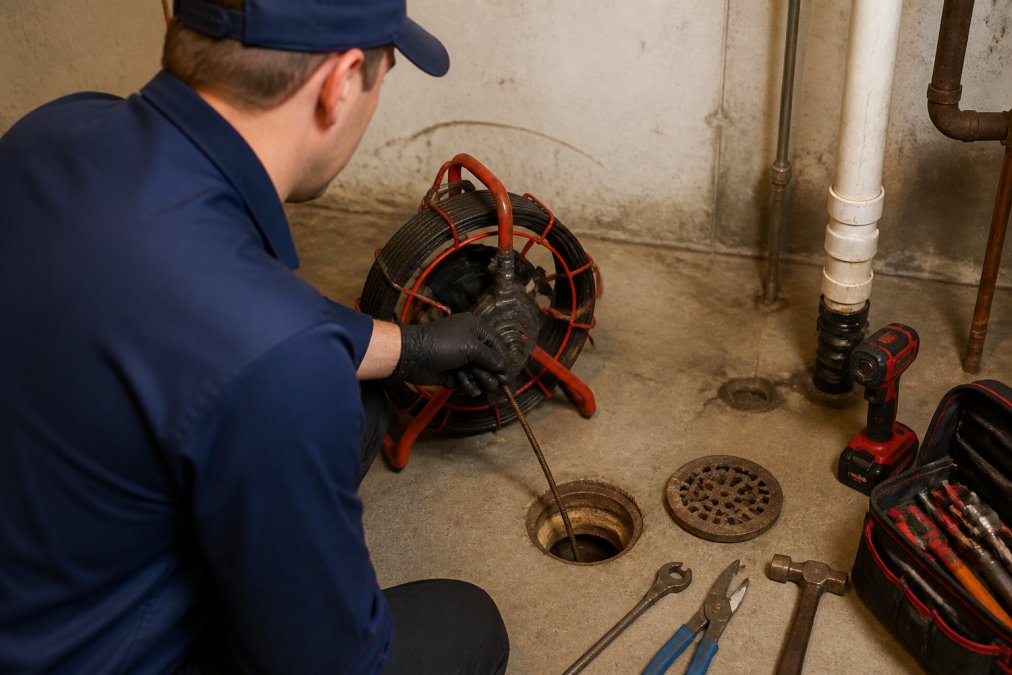
Warning signs: Multiple slow drains throughout your home, gurgling sounds from drains, sewage backups in the basement, or wet patches in your yard all indicate sewer line problems requiring immediate professional attention.
Professional diagnosis and repair: A plumber inserts a camera into your sewer line to inspect it and identify the exact problem. Options include hydro-jetting to clear roots temporarily, pipe bursting to replace the line without excavation, or traditional excavation and replacement for severely damaged sections. UMark Plumbing and Drain Inc. provides sewer line inspection and repair services with 24/7 availability for emergencies.
When to Call Emergency Plumbing Services
Some plumbing issues demand immediate professional response. Knowing which problems qualify as emergencies helps you prioritize and avoid costly damage.
True emergencies: Burst pipes flooding your home require immediate action to shut off the main water supply and stop water damage. Sewage backups into your home pose health hazards. Frozen pipes that have burst need emergency repair before thawing causes flooding.
What to do immediately: Locate your main water shut-off valve (typically where the water line enters your home) and turn it off. This stops water flow to your entire house and prevents further damage. Then call an emergency plumber. UMark Plumbing and Drain Inc. offers 24/7 emergency services, available nights, weekends, and holidays.
Non-emergencies that can wait: Slow drains, minor leaks under sinks, running toilets, and low pressure at a single faucet can usually wait for regular business hours.
Seasonal Plumbing Preparation and Preventative Maintenance
Preventative maintenance costs far less than emergency repairs. Seasonal preparation protects your system from weather-related damage and extends the lifespan of fixtures and pipes.
Spring maintenance: After winter, inspect exposed pipes for cracks or damage. Check basement or crawl space pipes for leaks. Test your sump pump by pouring water into the pit; it should activate and drain the water. Clear gutters and downspouts to prevent water from pooling near your foundation.
Summer preparation: This is ideal timing for major repairs or replacements. Water heater issues, sewer line problems, and fixture upgrades are easier to schedule when weather is good.
Fall readiness: Drain outdoor faucets and disconnect garden hoses before the first frost. Insulate exposed pipes in unheated spaces to prevent freezing. Have your water heater inspected and flushed.
Winter precautions: Let cold water drip from faucets during extreme cold snaps. Open cabinet doors under sinks to allow warm air to reach pipes. Seal air leaks around pipes where they enter your home.
Year-round maintenance checklist:
| Task | Frequency | Time Required | Impact |
|---|---|---|---|
| Drain sediment from water heater | Annually | 30 minutes | Extends heater life 2-3 years |
| Clean faucet aerators | As needed | 10 minutes | Restores water pressure |
| Inspect under-sink pipes for leaks | Monthly | 5 minutes | Catches small leaks early |
| Test sump pump | Spring and fall | 10 minutes | Prevents basement flooding |
| Flush main sewer line | Every 2-3 years | Professional service | Prevents major backups |
| Inspect water heater for corrosion | Annually | 5 minutes | Identifies replacement needs early |
| Check water pressure | Annually | Professional test | Detects regulator failure |
Professional plumbing system inspections, offered by UMark Plumbing and Drain Inc., catch problems before they become emergencies. A certified plumber can identify corroded pipes, failing water heaters, and deteriorating seals during a comprehensive inspection.
Common plumbing issues in North York homes are preventable with regular maintenance and quick action when problems appear. Small leaks, slow drains, and running toilets are manageable DIY fixes if you're comfortable with basic tools. Sewer line problems, water heater failures, and burst pipes demand professional expertise. UMark Plumbing and Drain Inc. combines 20+ years of experience with certified technicians and 24/7 availability to handle any plumbing challenge, whether it's a routine repair or a middle-of-the-night emergency. Get a free quote today and discover how professional, responsive service protects your home and your wallet.
Frequently Asked Questions
Q: How do I know if I have a main line sewer blockage?
A: A main line sewer blockage typically shows multiple signs: water backing up in multiple drains or toilets simultaneously, slow drainage throughout the house, gurgling sounds from plumbing fixtures, or sewage odors near drains or in the yard. If you notice these issues across different areas rather than just one fixture, contact a professional for sewer line inspection and hydro-jetting to clear the blockage safely.
Q: When should I call emergency plumbing services versus scheduling a routine appointment?
A: Call emergency plumbing services immediately for burst pipes, major leaks causing water damage, sewage backups, no hot water in winter, or gas-related plumbing issues. Schedule routine service for slow drains, minor leaks, fixture repairs, or preventative maintenance inspections. Emergency plumbing services are available 24/7 to prevent costly water damage and system failure.
Q: What are the most common plumbing mistakes to avoid in older homes?
A: Older homes often have corroded pipes, outdated plumbing fixtures, and deteriorated drain systems. Avoid using harsh chemical drain cleaners on old pipes, as they can accelerate corrosion. Don't ignore slow drains or minor leaks, as pipe corrosion worsens over time. Have a professional conduct a plumbing system inspection to identify issues before they become emergencies. Proper pipe insulation in winter prevents burst pipes in aging systems.
Q: Why is my water heater making strange noises?
A: Strange noises from a water heater typically indicate sediment buildup inside the tank. As water heats sediment, it creates popping or rumbling sounds. This reduces efficiency and shortens the heater's lifespan. Flush the tank annually to remove sediment buildup. If noises persist after flushing, or if the heater is over 10 years old, consult a professional about replacement or repair to ensure proper sizing and performance.
This article was written using GrandRanker