 comparison
Local vs National Plumbers: Choose the Right Fit
Table of Contents
- Local vs National Plumbers: Key Differences
- Pros and Cons of Local Plumbing Companies
- Advantages of National Plumbing Chains
- Questions to Ask a Plumber Before Hiring
- Licensing, Insurance, and Hiring Certified Plumbers for Rentals
- Understanding Average Cost of Emergency Plumbing Services
- How to Choose the Right Plumber for Your Situation
- Conclusion
Last Updated: August 27, 2026
Local vs National Plumbers: Key Differences
When a pipe bursts at 2 AM on a Sunday, the distinction between a local plumber and a national chain becomes critical. Local plumbers operate independently or as small teams within specific regions, while national chains maintain standardized practices across multiple locations. The core difference isn't just geography, it's how they respond, what they charge, and how transparent they are about the work.
Local plumbers have deep roots in their communities. They understand the specific plumbing infrastructure of the area, know common issues that plague older homes, and build their reputation on word-of-mouth and long-term relationships. National chains bring brand recognition, standardized training protocols, and the backing of larger organizations. Both have genuine advantages; the right choice depends entirely on your situation.
At UMark Plumbing and Drain Inc., we've served residential and commercial clients for over 20 years, and we've seen firsthand how local expertise transforms emergency response. When you call a local plumber during an emergency, you're often reaching someone who knows the neighborhood's water lines, common failure points, and how to navigate local building codes without delay. This article breaks down exactly what separates local and national plumbing companies, so you can make an informed decision when you actually need one.
Pros and Cons of Local Plumbing Companies
Local plumbing companies excel at personalized service and rapid response. A local plumber in your area can often arrive within an hour, whereas national chains may have longer wait times due to scheduling across broader territories (peer-reviewed research). Local plumbers typically know the specific challenges of your neighborhood's plumbing infrastructure, whether homes were built with copper or galvanized pipes, what the local water pressure issues are, and how frost affects underground lines in winter.
The relationship aspect is real. You're working with someone who builds their reputation in your community. If they do poor work, they lose clients to word-of-mouth. Many homeowners find that local plumbers are more willing to explain problems in plain language and discuss options before starting work.
However, local plumbing companies have limitations. A solo plumber or small team may not be available 24/7, even if they claim to be. They might be booked solid during peak seasons. Smaller operations sometimes lack the financial cushion to handle complex jobs or guarantee parts and labor comprehensively. Additionally, pricing can vary wildly between local plumbers, there's no standardization, which means you might pay significantly more than the person down the street for identical work.
Insurance and licensing vary. Some local plumbers maintain excellent credentials and comprehensive insurance; others operate with minimal coverage. This matters enormously if something goes wrong.
Advantages of National Plumbing Chains
National plumbing chains bring consistency and scale. When you call a national chain, you know roughly what to expect: similar pricing structures, consistent technician training, and professional accountability across locations.
The financial stability of a national chain matters. If something goes wrong, there's a corporate entity responsible. Warranties and guarantees are often stronger because the company has the resources to honor them. National chains also tend to have better access to parts inventory and can source specialized components faster than a solo plumber might.
Technology integration is another advantage. Many national chains now offer online booking, real-time technician tracking, and digital invoicing. National chains also provide predictability in availability, they can often dispatch someone because they have multiple technicians.
The downsides are real, though. National chains often subcontract work to independent plumbers, which creates a disconnect between the company you hired and the person who shows up. Pricing is sometimes higher because you're paying for the brand and overhead. The technician assigned to your job might be less familiar with your specific neighborhood's infrastructure than a local plumber who's worked there for 15 years.
Questions to Ask a Plumber Before Hiring
Before you hire anyone, ask direct questions that reveal how they operate. Start with licensing and insurance: "Can you provide your license number and proof of liability insurance?" This is non-negotiable.
Ask about their response time for emergencies. Don't just accept "24/7 service", push for specifics. "How long does it typically take you to arrive for an emergency call at 2 AM on a Sunday?" Get a realistic timeframe.

Inquire about pricing structure. Ask: "Do you charge by the hour, flat-rate, or a combination?" and "What's your service call fee?" Understand whether they charge travel time and how they handle jobs that run longer than estimated.
Ask about warranty and guarantees on their work. "What's your warranty on repairs?" and "If the same problem happens again within 30 days, do you return at no charge?" A good plumber will guarantee their labor for a reasonable period.
For commercial properties, ask about their experience with your specific type of facility and whether they understand local building codes for commercial plumbing.
Ask whether they'll provide references from recent jobs similar to yours. Contact those references directly and ask about response time, professionalism, and whether issues recurred.
Finally, ask about their approach to emergency repairs versus prevention. "If I call with a leak, do you just patch it, or do you diagnose why it happened?" Plumbers who think diagnostically tend to deliver better long-term results.
Licensing, Insurance, and Hiring Certified Plumbers for Rentals
Hiring certified plumbers for rentals is non-negotiable. Provincial regulations require that plumbing work meet specific codes, and only licensed plumbers can legally perform certain work (gov.bc.ca). Verify their license through your provincial plumbing regulatory body, this is straightforward online. A licensed plumber has passed exams, completed apprenticeships, and maintains ongoing professional standards.
Insurance is equally critical. A plumber with liability insurance protects you if they damage your property or cause injury. Ask to see their insurance certificate directly. If a plumber can't or won't provide proof of insurance, walk away immediately.
For rental properties specifically, you have additional exposure. If a plumber does substandard work and a tenant is injured or property is damaged, you could face liability claims. Hiring certified plumbers with strong insurance is your legal protection. Document everything, get written estimates, keep copies of invoices, and photograph work before and after completion.
Understanding Average Cost of Emergency Plumbing Services
Emergency plumbing costs vary based on several factors: time of day, complexity of the problem, your location, and whether the plumber charges hourly or flat-rate. Service call fees typically apply just for arriving at your property. Parts and labor are usually separate line items on your invoice.
The time factor is significant. A 10 PM emergency call will cost more than the same repair during business hours (bls.gov). Weekend and holiday rates are typically higher. Overnight calls often carry premium charges.
For emergency repairs, ask for an estimate before work begins whenever possible. A plumber who does this demonstrates respect for your budget.
National chains often advertise "no overtime charges" or "flat-rate pricing," which can be appealing. However, verify what's included. Some flat-rate quotes cover labor only, with parts billed separately.
Request itemized invoices. You should see: service call fee, labor hours and rate, parts with costs, and any additional charges. Transparent invoicing protects both you and the plumber by creating a clear record.
How to Choose the Right Plumber for Your Situation
Choosing the right plumber depends on your specific circumstances. If you're in a residential emergency and need someone in the next hour, a local plumber with strong community reputation is often your best bet. Call several local plumbers before an emergency happens and keep their names and numbers on file.
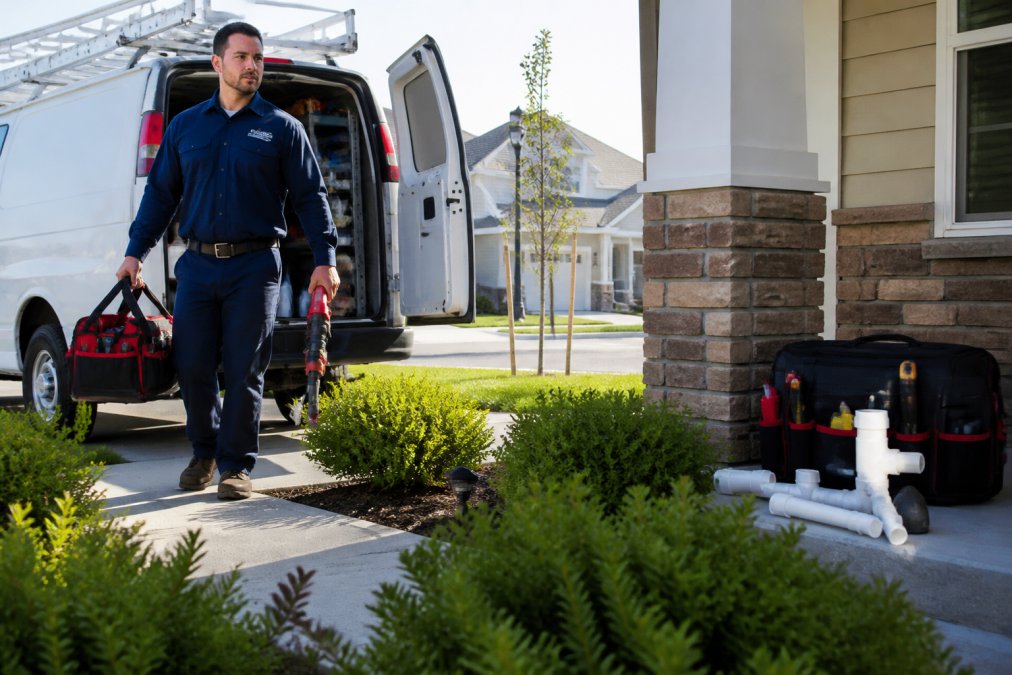
For commercial properties where downtime is costly, a national chain or a local commercial plumber with experience in your industry might be worth the extra cost.
If you value consistency, transparency, and standardized pricing, national chains deliver that. For routine maintenance and non-emergency repairs, you have more flexibility. Get three quotes for the same job from different plumbers and compare not just price but what's included, warranty terms, and how each plumber communicates.
Consider your location and service area. If you're in a rural area, a national chain might not serve you at all. If you're in a major city, you have options.
Think about long-term relationships. If you own your home long-term, building a relationship with a reliable local plumber pays dividends. If you're renting or expect to move soon, this relationship matters less.
For rentals and commercial properties, prioritize licensing, insurance, and verifiable experience. Get references from other property managers or business owners.
Finally, trust your gut on communication. A plumber who explains problems clearly, answers questions patiently, and provides options rather than pushing the most expensive solution is worth hiring.
Conclusion
The choice between local and national plumbers isn't about which is objectively better, it's about matching the plumber to your situation. Local plumbers excel at rapid response, neighborhood expertise, and personalized service. National chains deliver consistency, financial stability, and standardized training.
The real differentiator is how thoroughly you vet whoever you choose. Verify licensing and insurance. Ask specific questions about response time, pricing, and guarantees. Get references and follow up on them. Request written estimates before work begins. Document everything in writing.
UMark Plumbing and Drain Inc. has served residential and commercial clients across the region for over 20 years with certified technicians, 24/7 emergency availability, and transparent pricing. Whether you need emergency repair for a burst pipe or routine maintenance to prevent problems, our team understands the local infrastructure and responds promptly. Get a free quote and experience the difference that local expertise and professional accountability make.
When a plumbing emergency strikes, you won't have time to research. Choose your plumber now, before you need one at midnight. UMark Plumbing and Drain Inc. offers quick, reliable repair for emergency leaks and pipe bursts, backed by certified technicians available at any time of day. Get started with a free quote and keep our number on your phone for when it matters most.
| Comparison Factor | Local Plumbers | National Chains |
|---|---|---|
| Response Time | Often 30-60 minutes | 1-3 hours typical |
| Pricing Transparency | Varies widely | Standardized, predictable |
| Local Infrastructure Knowledge | Excellent | Moderate to good |
| 24/7 Availability | Depends on plumber | Typically yes |
| Licensing & Insurance | Verify individually | Standardized |
| Personalized Service | High | Moderate |
| Technology/Online Booking | Limited | Extensive |
| Long-Term Relationship | Strong potential | Minimal |
| Commercial Experience | Varies | Often strong |
| Cost for Emergency Work | Variable | Often higher |
=== FAQ ANSWERS (audit these too, same rules) ===
[1] Q: What's the main difference between local and national plumbers? A: Local plumbers typically operate independently or in small teams within specific communities, offering personalized service and deep knowledge of local plumbing infrastructure. National chains have standardized procedures, wider resource availability, and consistent service across multiple locations. Local plumbers often provide faster response times for emergencies in their service area, while national chains may offer more predictable pricing and brand recognition. The choice depends on whether you prioritize community relationships and quick local response or standardized procedures and brand reliability.
[2] Q: How do I verify that a plumber is licensed and insured before hiring? A: Request proof of licensing from your provincial or municipal regulatory body before hiring. Ask for their license number and verify it independently through the appropriate authority. Demand a certificate of insurance showing both general liability and workers' compensation coverage. Licensed and insured plumbers protect you from liability if something goes wrong during the job. Always confirm their credentials are current and match their service area. Never hire someone who cannot provide documentation or becomes defensive about sharing this information.
[3] Q: Why is hiring certified plumbers for rentals especially important? A: As a property manager or landlord, you face legal liability if uncertified work causes damage or fails to meet local building codes. Certified plumbers ensure repairs comply with all applicable regulations and standards, protecting your rental property investment. They also provide documentation of work completed, which is crucial for insurance claims and tenant disputes. Certified professionals reduce the risk of repeat issues that cost you money in emergency callbacks. This protects both your property and your liability coverage.
[4] Q: What factors influence the average cost of emergency plumbing services? A: Emergency plumbing costs depend on the time of call (nights and weekends typically cost more), the complexity of the repair, parts required, and travel distance. Service call fees, hourly labor rates, and material costs all contribute to the final bill. National chains often quote flat rates, while local plumbers may charge hourly. Getting a detailed estimate before work begins helps you understand pricing. Ask whether the service call fee applies toward the final invoice and what's included in the quoted price to avoid surprises.
Frequently Asked Questions
What's the main difference between local and national plumbers?
Local plumbers typically operate independently or in small teams within specific communities, offering personalized service and deep knowledge of local plumbing infrastructure. National chains have standardized procedures, wider resource availability, and consistent service across multiple locations. Local plumbers often provide faster response times for emergencies in their service area, while national chains may offer more predictable pricing and brand recognition. The choice depends on whether you prioritize community relationships and quick local response or standardized procedures and brand reliability.
How do I verify that a plumber is licensed and insured before hiring?
Request proof of licensing from your provincial or municipal regulatory body before hiring. Ask for their license number and verify it independently through the appropriate authority. Demand a certificate of insurance showing both general liability and workers' compensation coverage. Licensed and insured plumbers protect you from liability if something goes wrong during the job. Always confirm their credentials are current and match their service area. Never hire someone who cannot provide documentation or becomes defensive about sharing this information.
Why is hiring certified plumbers for rentals especially important?
As a property manager or landlord, you face legal liability if uncertified work causes damage or fails to meet local building codes. Certified plumbers ensure repairs comply with all applicable regulations and standards, protecting your rental property investment. They also provide documentation of work completed, which is crucial for insurance claims and tenant disputes. Certified professionals reduce the risk of repeat issues that cost you money in emergency callbacks. This protects both your property and your liability coverage.
What factors influence the average cost of emergency plumbing services?
Emergency plumbing costs depend on the time of call (nights and weekends typically cost more), the complexity of the repair, parts required, and travel distance. Service call fees, hourly labor rates, and material costs all contribute to the final bill. National chains often quote flat rates, while local plumbers may charge hourly. Getting a detailed estimate before work begins helps you understand pricing. Ask whether the service call fee applies toward the final invoice and what's included in the quoted price to avoid surprises.
This article was written using GrandRanker