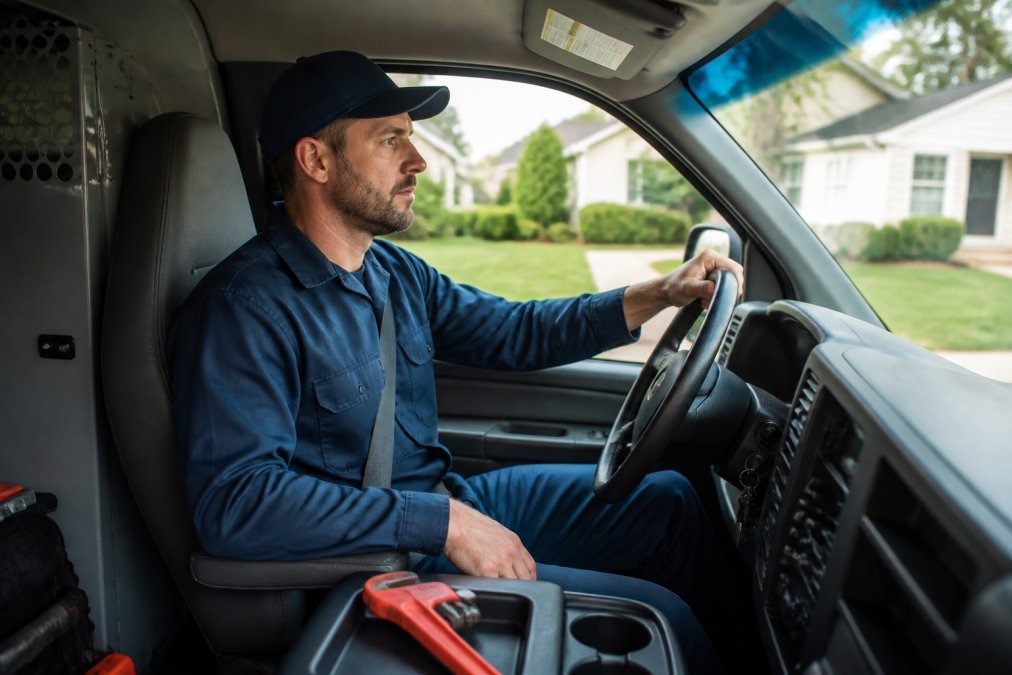
 how-to
Do Plumbers Charge for Travel? A Homeowner's Guide
Table of Contents
- Do Plumbers Charge for Travel? The Short Answer
- Why Plumbers Charge for Travel Time
- Understanding the Plumber Call Out Fee
- Average Hourly Rate for Plumbers and Travel Costs
- How Travel Time Is Calculated and Billed
- Hiring Certified Plumbers for Rentals and Travel Transparency
- Negotiating Travel Fees and Avoiding Hidden Costs
- Conclusion
Last Updated: August 29, 2026
Do Plumbers Charge for Travel? The Short Answer
Yes, most plumbers do charge for travel time. Whether you're calling for an emergency burst pipe or routine maintenance, understanding how travel costs factor into your final bill is essential before a technician arrives at your door.
Travel charges reflect real operational costs: fuel, vehicle maintenance, insurance, and the time your plumber can't spend serving other customers. Understanding why plumbers charge for travel, how those fees are calculated, and what's considered industry standard will help you make informed decisions and avoid surprises when the invoice arrives.
Why Plumbers Charge for Travel Time
Plumbers charge for travel time because every minute spent driving to your location is a minute they can't spend at another customer's home generating billable work.
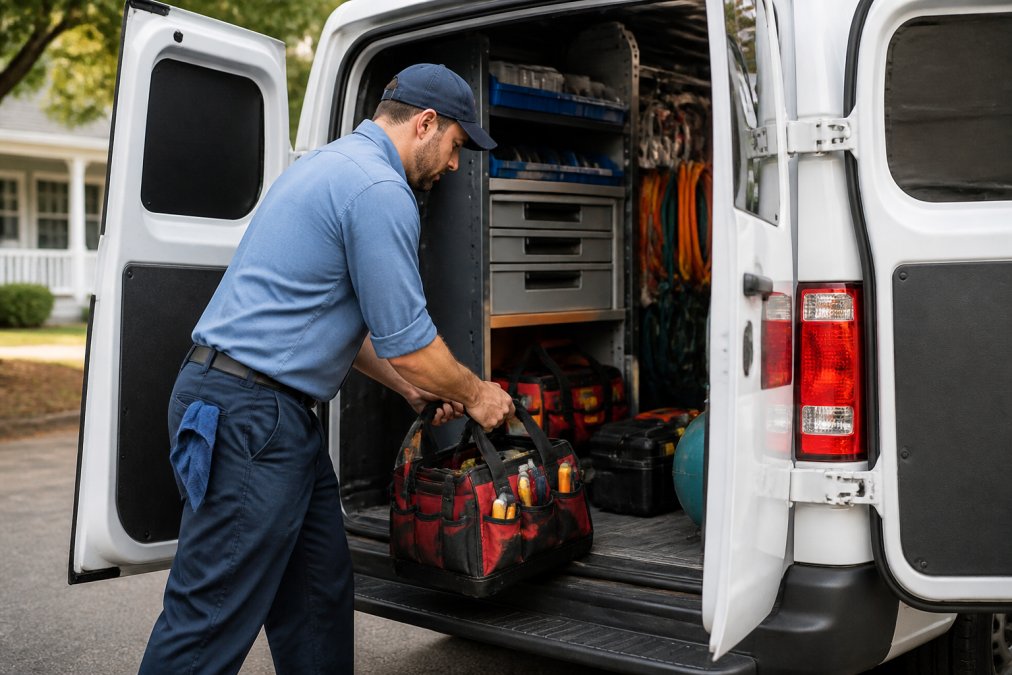
A plumber's service vehicle is a mobile office equipped with diagnostic tools, replacement parts, safety equipment, and emergency supplies. That vehicle requires fuel, regular maintenance, insurance, and eventual replacement. Tires wear faster on service vehicles due to constant stop-and-start driving. Oil changes and brake service happen more frequently. These costs add up quickly.
When a plumber travels 30 minutes to your location, they're unavailable for another customer. If they could serve three customers in an eight-hour day without travel time but only two with travel factored in, the lost revenue from that third customer needs to be recovered through travel charges.
Emergency calls amplify these costs. A plumber responding to your burst pipe at 2 AM is leaving their family, disrupting their sleep, and potentially missing other scheduled work the next day. The travel charge for emergency plumbing reflects both the inconvenience and the opportunity cost of being available around the clock.
Understanding the Plumber Call Out Fee
A plumber call out fee, sometimes called a service call fee or dispatch fee, is distinct from travel time charges. A call out fee is a fixed charge simply for showing up, it covers the administrative costs of dispatching a technician, scheduling the appointment, and the initial assessment of your problem. This fee is typically charged whether the plumber spends 15 minutes or two hours at your home.
Travel time charges, by contrast, are often calculated separately and based on distance or time spent driving. Some plumbers include travel in their hourly rate; others bill it as a separate line item. A few charge a flat rate regardless of distance.
Not all plumbers charge a separate call out fee. Some build it into their hourly rate or include it in a minimum service charge. When comparing quotes from different plumbers, look at the total cost structure, not just the hourly rate.
Emergency plumbing calls often carry a higher call out fee than routine maintenance visits, reflecting the reality that emergency dispatches disrupt normal scheduling and require keeping technicians available outside standard hours.
Average Hourly Rate for Plumbers and Travel Costs
Hourly rates for plumbers vary significantly based on experience, certification level, location, and whether it's a routine call or emergency work. Most certified plumbers charge rates that reflect their training and expertise. Emergency rates, typically charged for calls outside standard business hours, are often 1.5 to 2 times the standard rate (bls.gov).
Travel time is sometimes billed at the full hourly rate and sometimes at a reduced rate. Some plumbers charge 50% of their hourly rate for travel, while others charge the full amount. A few include the first 15 or 30 minutes of travel time in the call out fee, then charge hourly rates for any additional drive time.
The total cost of a service call includes multiple components: the call out fee, travel time (if billed separately), diagnostic time, labor for the actual repair, parts, and sometimes a parts markup. Understanding this breakdown helps you see where your money is going and identify where you might negotiate.
For routine maintenance, travel costs are often a smaller percentage of your total bill. For emergency repairs, travel charges can represent 10-20% of the final invoice, especially if you live far from the plumber's base of operations (peer-reviewed research).
How Travel Time Is Calculated and Billed
Plumbers calculate and bill travel time in several different ways. The most common approach is distance-based billing, where the plumber charges a set amount per kilometer or establishes a flat rate for calls within certain zones. This method is straightforward and easy to understand upfront.
Time-based billing charges you for the actual minutes or hours spent driving. A plumber might bill travel time at their full hourly rate, a reduced rate, or sometimes at no charge if it's included in the call out fee. With this method, heavy traffic or unexpected delays increase your cost.
Some plumbers use a hybrid approach: they charge a flat call out fee that covers the first 15 or 30 minutes of travel, then bill additional travel time at a reduced rate. This protects customers from massive charges for short trips while ensuring plumbers recover costs for longer distances.
The best practice is asking upfront how travel time is calculated. A professional plumber will explain their method clearly and give you an estimate based on your location.
Hiring Certified Plumbers for Rentals and Travel Transparency
If you're a property manager or landlord managing rental units, understanding how certified plumbers charge for travel becomes especially important. Certified plumbers, those who've completed formal training and passed licensing exams, typically charge more than unlicensed workers, but they offer protections that matter for rental properties. A certified technician's work carries warranty guarantees, and their labor is backed by liability insurance.
Travel transparency is crucial when managing multiple properties across a wider area. Some plumbers offer reduced travel rates for property managers with multiple locations, recognizing the consistent business opportunity. Negotiating a service agreement with a reliable plumber can lock in travel rates and ensure priority response times.
When hiring a certified plumber for rental properties, ask whether they offer flat rates for your service area or if they calculate travel per call. Understand whether emergency calls carry different travel charges than routine maintenance. Get everything in writing so your tenants, your accounting team, and the plumber all have the same expectations.
Negotiating Travel Fees and Avoiding Hidden Costs
Travel fees aren't always set in stone. Knowing how to negotiate and what to watch for can reduce your overall plumbing costs.
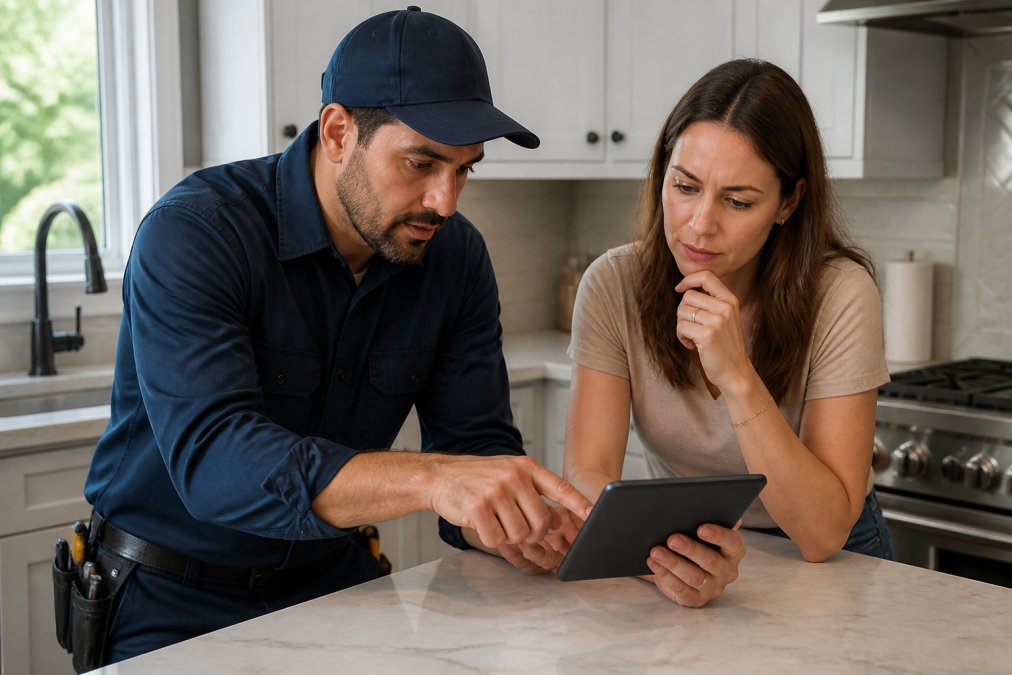
Start by getting multiple quotes. Call three plumbers and ask each how they calculate travel costs. Comparing these structures reveals which approach saves you money for your specific situation.
Ask whether travel charges apply to follow-up visits. If a plumber returns to finish work or address a problem they created, some charge travel fees again while others waive them. A plumber who stands behind their work and waives travel fees for warranty visits is demonstrating confidence in their service.
Bundling services can reduce travel costs. If you have multiple plumbing issues, ask the plumber to address everything in one visit. You'll pay one travel charge instead of multiple ones.
Timing matters. Scheduling routine maintenance during standard business hours costs less than emergency calls. If your water heater is aging, getting it serviced proactively during the day is cheaper than having it fail at 2 AM.
Watch for hidden costs beyond travel. Some plumbers charge markup fees on parts, sometimes 20-30% above cost (ase.com). Others charge diagnostic fees that are credited toward repairs if you proceed but forfeited if you don't. Ask about these fees upfront.
Avoid plumbers who won't provide estimates before starting work. Professional plumbers assess the problem, explain what needs to be done, and give you a cost estimate, including travel fees, before picking up their tools.
Conclusion
Plumbers charge for travel because the costs of maintaining a service vehicle, fuel, insurance, and lost billable time are real business expenses. Understanding how these fees are calculated helps you budget accurately and compare quotes fairly. Travel transparency separates professional plumbers from those who hide costs until the invoice arrives.
When you need reliable plumbing service, choosing a certified plumber with clear billing practices protects you from surprises. UMark Plumbing and Drain Inc. provides upfront estimates that break down travel costs, call out fees, and labor charges so you know exactly what you're paying for. Get a free quote today and see how transparent, professional plumbing service should work.
Frequently Asked Questions
What is a normal call out fee for a plumber?
A plumber call out fee typically covers the cost of dispatching a technician to your location and conducting an initial assessment. This fee varies based on whether the service is routine or emergency, your service area, and the plumbing company's overhead. Many companies include the call out fee in their service charge if you proceed with repairs, while others charge it separately. Request an itemized estimate that clearly breaks down the call out fee before work begins to understand what you're paying for.
Are travel fees included in the hourly rate for plumbers?
Travel fees are typically separate from the hourly labor rate. Your hourly rate covers the time the plumber spends working on your plumbing problem, while travel fees or trip charges compensate for fuel, vehicle maintenance, and dispatcher time to reach your location. Some companies bundle travel into a flat service fee, while others bill them separately. Always ask whether travel costs are included or additional when you request a quote to avoid surprises on your final invoice.
How can I avoid unexpected plumbing service fees?
Request a detailed estimate before any work starts that itemizes the service fee, travel charge, hourly labor rate, and parts cost separately. Ask your plumber to explain each line item on the invoice. Confirm the service area and whether travel time applies to your location. Get the estimate in writing and ask what happens if the job takes longer than expected. Hiring a certified plumber who provides billing transparency from the start reduces the risk of hidden costs and ensures you understand the full scope of charges.
Do plumbers charge extra for emergency after-hours calls?
Yes, emergency plumbing services typically include additional charges beyond standard daytime rates. These may include an emergency surcharge, higher hourly labor rates, or extended travel fees depending on the time of call and distance. Some companies offer 24/7 emergency services with transparent pricing that accounts for after-hours dispatch costs and technician availability. Before calling for an emergency repair, ask the dispatcher what additional fees apply so you can budget accordingly. Having a trusted plumber on file who offers clear emergency pricing helps you make informed decisions during stressful situations.
This article was written using GrandRanker