 how-to
When to Hire a Commercial Plumber for Multi-Unit Buildings
Table of Contents
- Why Multi-Unit Buildings Need Commercial Plumbing Expertise
- Signs You Need to Call a Commercial Plumber
- Plumbing Emergencies in Multi-Unit Buildings
- Low Water Pressure in Apartment Buildings: When It Signals a Bigger Problem
- Commercial Plumbing Maintenance Checklist for Property Managers
- Regulatory Compliance and Certification Requirements
- How to Choose the Right Commercial Plumber for Your Building
- Conclusion
- Frequently Asked Questions
Last Updated: October 10, 2026
Why Multi-Unit Buildings Need Commercial Plumbing Expertise
Multi-unit buildings operate on a different scale than single homes. A burst pipe in a residential home is an emergency.
At UMark Plumbing and Drain Inc., we work with property managers who've learned this lesson the hard way. Understanding when to hire a commercial plumber for multi-unit buildings means you're not just getting someone to fix a leak.
Commercial plumbing systems are fundamentally different. They handle more water flow. They're built to code standards that residential systems don't need to meet. The pipes are larger. The fixtures serve more people. When something fails, the stakes are higher.
The cost of not having the right expertise shows up fast. Improper repairs lead to repeat failures. Missed maintenance creates emergencies during peak hours. Non-compliant work creates liability.
Signs You Need to Call a Commercial Plumber
Not every plumbing issue in a multi-unit building requires a commercial specialist. Small repairs to individual units can sometimes be handled by a general plumber. But certain warning signs tell you it's time to bring in someone with commercial expertise.
Building-Wide Water Pressure Issues
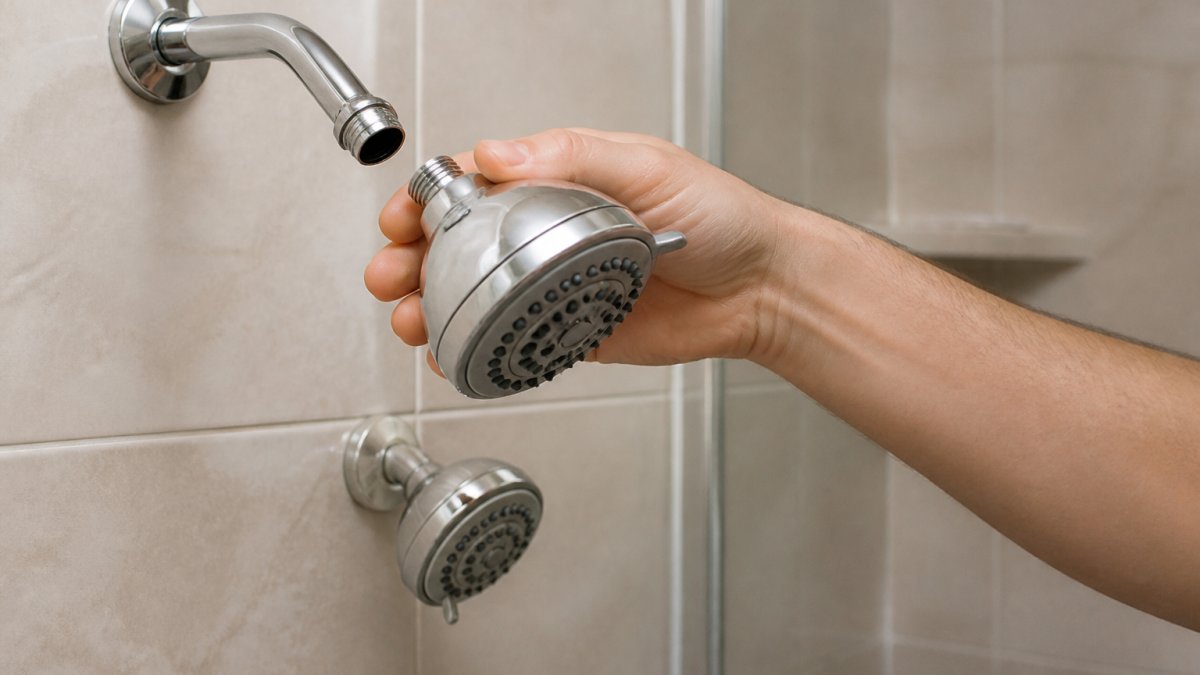
Low water pressure affects one unit, then another, then suddenly half the building complains. This isn't a problem you can fix by adjusting one tenant's pressure regulator.
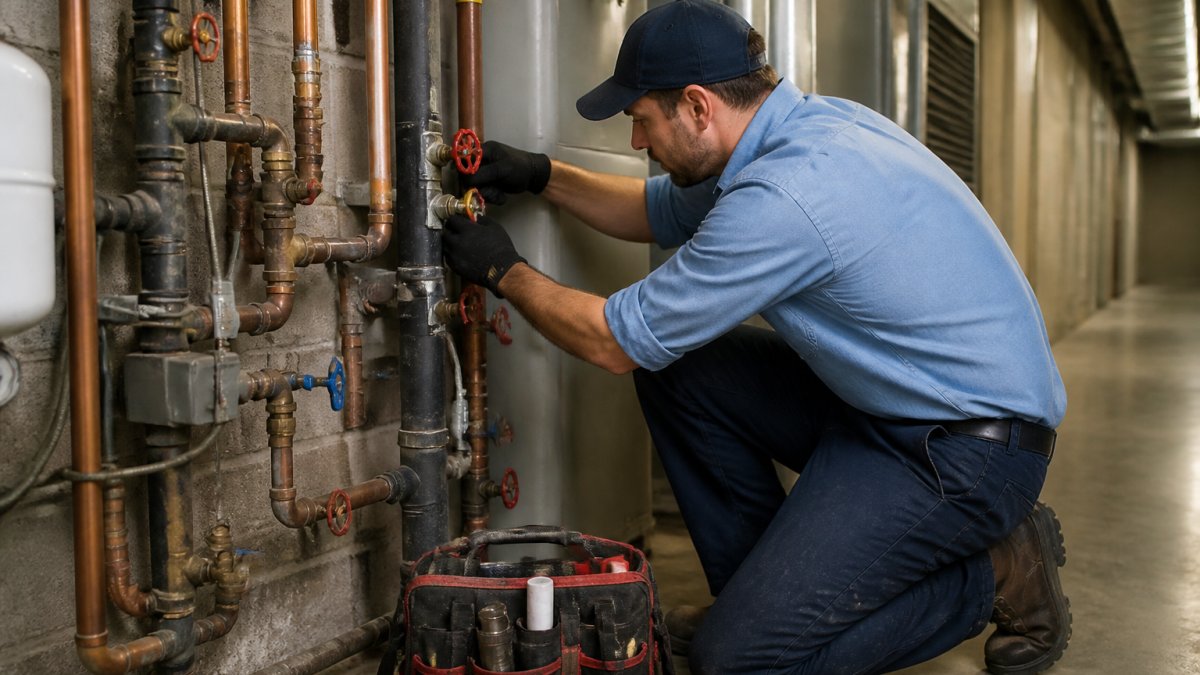
Building-wide pressure issues point to problems in the main distribution system. The pressure reducing valve might be failing. The main line could be partially blocked. Scale buildup inside the pipes reduces flow. These problems require someone who understands how water moves through an entire building's infrastructure.
When multiple units report low pressure at the same time, call a commercial plumber. They'll test pressure at different points in the system to find where the problem starts. A residential plumber might tell you to replace a valve. A commercial plumber will diagnose whether that's actually the issue or just a symptom of something larger.
Recurring Drain Problems Across Multiple Units
One clogged drain is normal. Multiple units experiencing drain problems in the same week signals a building-wide issue.
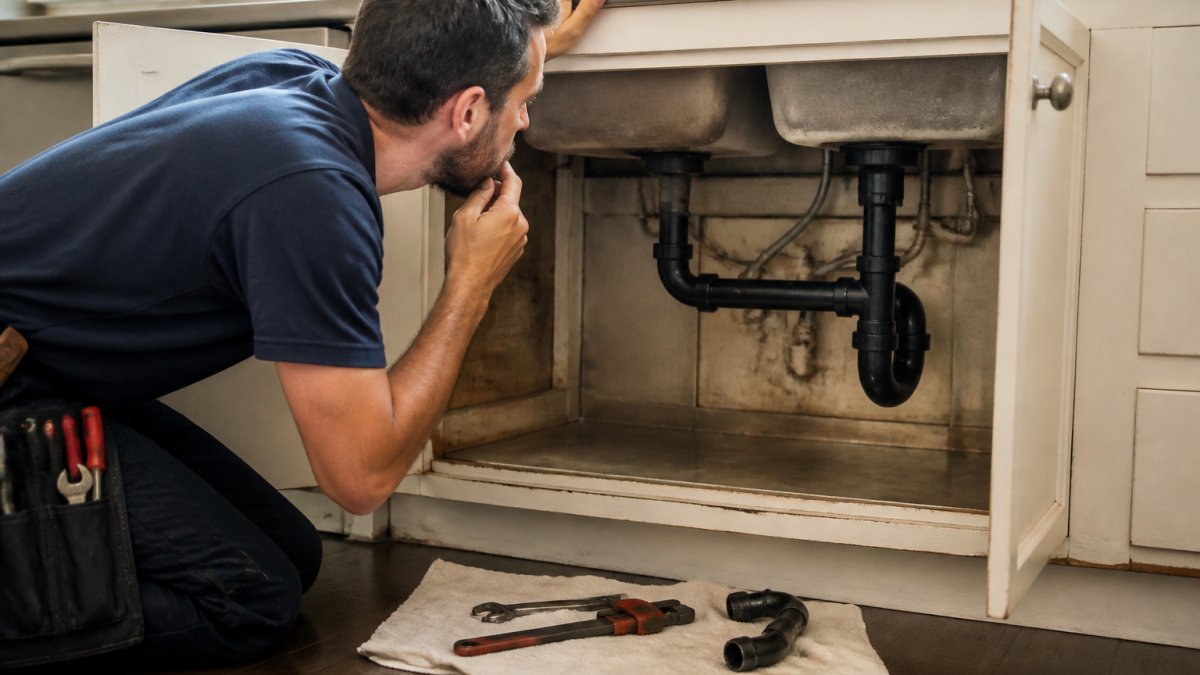
The problem could be in the main sewer line. Roots might be growing into shared pipes. The building's grease trap might be full. Tree roots don't care whether they're in a residential or commercial system, but fixing them in a commercial system requires different equipment and expertise.
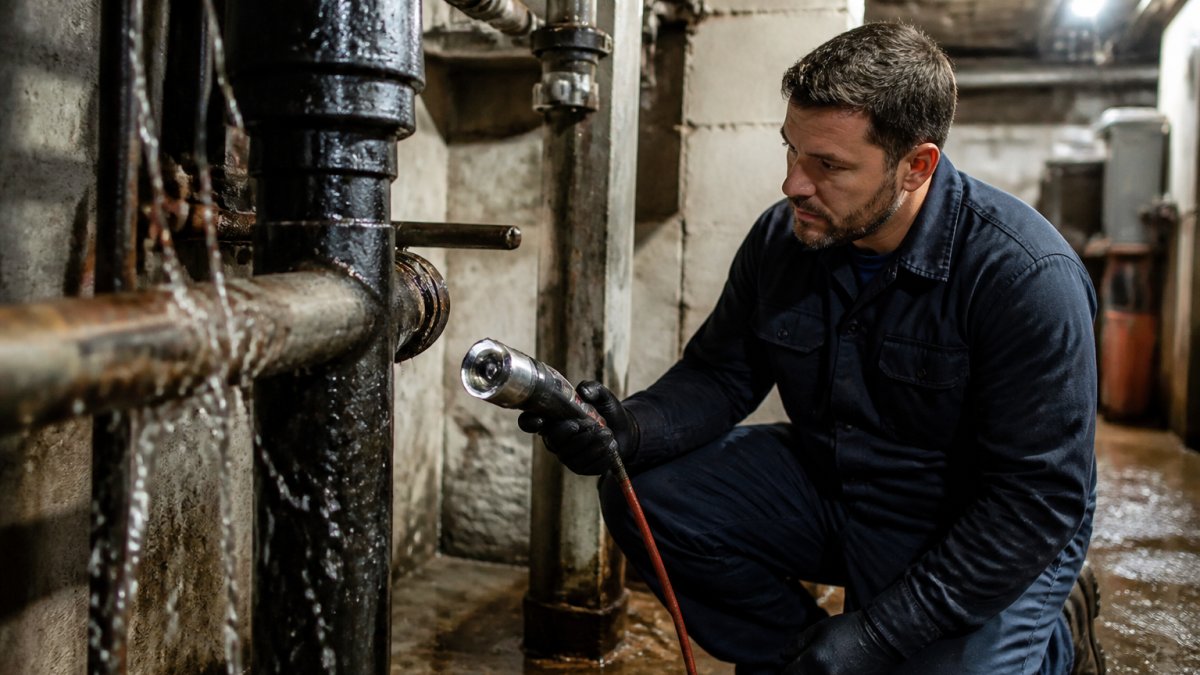
A commercial plumber has the tools to inspect the entire drainage system. They can run a camera through main lines to see exactly where blockages are forming. They understand how to clear main lines without damaging the building's infrastructure. They know which issues need immediate attention and which can be scheduled during low-usage hours.
Plumbing Emergencies in Multi-Unit Buildings
Emergencies in multi-unit buildings are different from residential emergencies. They move faster. They affect more people. They create immediate financial and operational impact.
Burst Pipes and Water Main Failures
A burst pipe in a single home is bad. A burst water main in a multi-unit building is a crisis.
Water main failures flood basements. They cut off water to multiple units. They damage building infrastructure. They force emergency shutdowns. The longer the main line stays broken, the more tenants lose access to water, the more damage spreads, and the more liability the property owner faces.
When a water main fails, you need someone who can respond immediately. Response time matters. Equipment matters. Experience with commercial-scale water systems matters. A plumber who's only worked on residential homes might not have the right tools or the experience to handle a main line failure in a large building.
Sewage Backups Affecting Multiple Units
Sewage backups are serious. They're also expensive and dangerous. A backup affecting one unit is contained. A backup affecting multiple units means the problem is in shared infrastructure.
The main sewer line is blocked. The septic system is failing. The municipal connection is compromised. These aren't problems you solve with a plunger. They require industrial-grade equipment, proper safety protocols, and someone who understands how municipal codes govern sewage systems.
When sewage backs up into multiple units, tenants can't use bathrooms or drains. The building becomes uninhabitable. Health codes get violated. Liability increases. You need a commercial plumber who can diagnose the problem quickly and fix it safely.
Low Water Pressure in Apartment Buildings: When It Signals a Bigger Problem
Low water pressure in apartment buildings often gets misdiagnosed. Tenants complain. Property managers assume it's a valve issue or a minor leak. Sometimes it is. Often it's not.
Pressure problems in multi-unit buildings usually start in the main distribution system. The pressure reducing valve regulates flow from the municipal line into the building. If it's failing, pressure drops building-wide. The check valve might be stuck.
A commercial plumber tests pressure at multiple points. They check the municipal supply line. They test pressure at the main reducing valve. They measure pressure in different zones of the building. This diagnostic process identifies where the pressure is actually being lost.
Low pressure that only affects upper floors often points to a failing pressure boost pump. Low pressure everywhere suggests a main line issue. Pressure that varies throughout the day might indicate a municipal supply problem. Each diagnosis requires different expertise.
Commercial Plumbing Maintenance Checklist for Property Managers
Preventative maintenance keeps commercial plumbing systems running smoothly. It catches small problems before they become emergencies. It extends the life of pipes and fixtures. It reduces downtime and tenant complaints.
Quarterly and Annual Inspection Tasks
Quarterly inspections catch problems early. Walk through mechanical rooms. Check for leaks around main lines. Look for corrosion on pipes. Listen for unusual sounds in the plumbing system. Check pressure gauges if your building has them.
Annual inspections go deeper. A commercial plumber should:
- Test water pressure throughout the building
- Inspect the main water shut-off valve
- Check all pressure reducing valves
- Examine visible pipes for corrosion or deterioration
- Inspect grease traps and clean if needed
- Test backflow prevention devices
- Check water heaters for sediment buildup
- Inspect sump pumps and drainage systems
Maintenance prevents emergencies. A small leak caught during quarterly inspection costs less to fix than a burst pipe that floods the basement. Sediment removed from a water heater during annual maintenance prevents failure during peak usage.
Building Code Compliance and Documentation
Commercial plumbing must meet building codes. These aren't suggestions, they're legal requirements.
Backflow prevention devices must be installed and tested annually. Documentation of these tests must be kept on file. Water heaters must meet specific temperature and pressure standards. Pipes must be sized correctly for the building's usage. Drainage systems must slope properly and include proper venting.
Property managers need to maintain records of all plumbing work. When was the last inspection? What was checked? What repairs were made? What maintenance is scheduled? These records protect the property owner. They demonstrate compliance if an issue arises. They help identify patterns in plumbing problems.
A commercial plumber who understands building codes can review your maintenance records and identify gaps. They can ensure your building stays compliant. They can provide documentation that proves you're meeting legal requirements.
Regulatory Compliance and Certification Requirements
Commercial plumbing isn't regulated the same way residential plumbing is. The standards are stricter. The documentation requirements are more detailed. The consequences of non-compliance are more serious.
Licensed commercial plumbers have specific certifications. They've passed exams on commercial codes. They understand industrial standards. They know how to install and maintain systems that serve hundreds of people daily.
Backflow prevention devices must be tested by certified technicians. Water quality testing requires specific expertise. Some municipalities require commercial plumbing work to be inspected and signed off by certified inspectors. Non-compliant work can force building shutdowns. It can create liability for property owners.
When you hire a commercial plumber for multi-unit buildings, verify their certifications. Ask what codes they're certified to work with. Request documentation of their training and licensing. This verification protects your building and your tenants.
How to Choose the Right Commercial Plumber for Your Building
Finding the right commercial plumber matters. The wrong choice leads to repeat problems, compliance issues, and wasted money. The right choice keeps your building running smoothly.
Response Time and 24/7 Availability
Commercial emergencies don't happen during business hours. Pipes burst at midnight. Sewage backs up on weekends. Water mains fail during storms.
Knowing when to hire a commercial plumber for multi-unit buildings means you need someone available now, not in three days. Response time directly affects how much damage occurs. A one-hour response prevents more damage than a six-hour response.
Ask potential plumbers about their emergency response times. How quickly do they arrive after you call? Do they have technicians on call 24/7? What's their average response time for emergency calls? Can they handle your building's specific emergencies, or do they need to call in specialists?
UMark Plumbing and Drain Inc. offers 24/7 emergency services. We understand that commercial emergencies can't wait. Our certified team responds quickly to burst pipes, sewage backups, and other urgent plumbing problems. We keep your building operational and your tenants safe.
Experience with Multi-Unit Systems
Not all plumbers have experience with multi-unit buildings. Residential experience doesn't translate directly to commercial work.
Ask about their experience specifically. How many multi-unit buildings have they worked with? What size buildings? What types of systems have they maintained? Can they provide references from property managers or building owners?
A plumber with commercial experience understands system scale. They know how decisions about one component affect the entire building. They've seen the problems that develop in multi-unit systems. They know preventative maintenance that actually prevents emergencies in commercial buildings.
| Consideration | Why It Matters | What to Ask |
|---|---|---|
| Response Time | Emergencies worsen quickly | "What's your average emergency response time?" |
| 24/7 Availability | Problems don't follow business hours | "Are you available nights and weekends?" |
| Certifications | Compliance and safety | "What commercial certifications do you hold?" |
| Multi-Unit Experience | Commercial systems are different | "How many multi-unit buildings have you serviced?" |
| References | Proven track record | "Can you provide references from property managers?" |
| Emergency Equipment | Proper tools for commercial work | "What equipment do you have for commercial emergencies?" |
Conclusion
Hiring the right commercial plumber for multi-unit buildings isn't optional, it's essential. Your building's plumbing system serves dozens or hundreds of people daily. When problems occur, they affect everyone. When emergencies happen, they need immediate expert response.
At UMark Plumbing and Drain Inc., we've spent over 20 years working with commercial properties and multi-unit buildings. Our certified team delivers quick, reliable repairs for everything from burst pipes to sewage backups. We're available 24/7 because commercial emergencies don't wait.
When you need a commercial plumber for multi-unit buildings, get a free quote from UMark Plumbing and Drain Inc. today. Let us keep your building running smoothly and your tenants safe.
Frequently Asked Questions
What are the signs that a multi-unit building needs a commercial plumber?
Signs include water pressure drops across multiple units, recurring clogs in different apartments, visible pipe corrosion, water discoloration, or sewage odors in common areas. If tenants report similar issues simultaneously, the problem likely affects the main plumbing infrastructure rather than individual units. A licensed commercial plumber can diagnose whether the issue is building-wide or isolated to specific fixtures.
When is a plumbing problem in an apartment building an emergency?
Emergencies include burst pipes, active water leaks causing damage, sewage backups affecting multiple units, complete loss of water pressure, or gas line issues. These situations require immediate attention because they disrupt tenant services, create liability risks, and cause property damage. Commercial plumbers offering 24/7 emergency services can respond quickly to minimize tenant impact and prevent further infrastructure damage.
How often should plumbing be inspected in a multi-unit building?
Most building codes recommend annual inspections of the main plumbing infrastructure, water heaters, and drainage systems. High-volume usage buildings may benefit from semi-annual inspections. Regular inspections identify pipe deterioration, scale buildup, and compliance issues before they become costly failures. A commercial plumbing contractor familiar with building codes can establish an appropriate service frequency based on your building's age and usage patterns.
Should I call a commercial plumber if multiple units have low water pressure?
Yes. Low water pressure across multiple units typically indicates a main line issue, mineral buildup, or pressure regulator failure rather than individual fixture problems. A commercial plumber can test water pressure at the main line, inspect backflow prevention devices, and assess the condition of supply lines. Addressing building-wide pressure issues quickly prevents tenant complaints and potential damage to appliances.