 How-to
7 Ways to Avoid Emergency Plumbing Charges in North York
Last Updated: November 21, 2026
Quick Summary
You avoid emergency plumbing charges by deciding whether your problem is a true emergency, since after-hours rates apply the moment you dial and many urgent calls could have waited until business hours. Shut off the water and contain any leak first, then ask for the dispatch fee, hourly rate, and minimum charge in writing before you agree to a visit.
- A contained leak with the water off is no longer an emergency and can wait until morning.
- Emergency plumbers may cost 1.5 to 3 times as much as a typical plumber, so timing affects the bill.
- Ask for the call-out charge, hourly rate, and minimum charge before anyone leaves for your address.
- Test every shut-off valve twice a year and replace washing machine hoses every five years.
- Tenants should report leaks in writing and keep the plumber's invoice for reimbursement.
Table of Contents
- What Counts as a Plumbing Emergency (And What Doesn't)
- How to Stop a Plumbing Leak Temporarily Before Help Arrives
- Understand the Emergency Plumbing Service Call Fee
- Questions to Ask an Emergency Plumber Before You Agree
- Get a Written Quote and an Itemized Invoice Every Time
- Preventive Maintenance That Keeps Emergency Calls Away
- North York Consumer Protections, Insurance, and Landlord Duties
- Book a Preventive Plumbing Inspection with UMark
- Frequently Asked Questions
What Counts as a Plumbing Emergency (And What Doesn't)
A plumbing emergency is any problem that risks serious water damage, a health hazard, or the loss of your only toilet, and everything else can usually wait until morning. That distinction is the single biggest factor in how to avoid emergency plumbing charges, because after-hours rates apply the moment you dial. A good share of urgent calls could have waited until business hours without any harm.
True emergencies that justify an after-hours call
Call now if you see any of these:
- Water spraying or pouring from a burst pipe
- Sewage backing up into a tub, sink, or floor drain
- A gas smell near the water heater or any gas appliance
- No water at all in the building, or no working toilet in a one-bathroom home
- Water spreading toward electrical outlets, the panel, or finished floors
- A leak you cannot stop at the shut-off valve
Problems that can safely wait until morning
Many calls are not true emergencies. A dripping faucet, a slow drain, a running toilet, or a single clogged sink can wait.
Use this split to decide whether your problem justifies an after-hours call or can safely wait until business hours.
| Situation | Call now or wait | Note |
|---|---|---|
| Water spraying or pouring from a burst pipe | Call now | Risks serious water damage |
| Sewage backing up into tub, sink, or floor drain | Call now | Health hazard |
| Gas smell near water heater or gas appliance | Call now | Safety issue |
| No water at all, or no working toilet in a one-bathroom home | Call now | Loss of only toilet |
| Water spreading toward electrical outlets, panel, or finished floors | Call now | Electrical risk |
| Leak you cannot stop at the shut-off valve | Call now | Cannot be contained |
| Dripping faucet, slow drain, running toilet, single clogged sink | Can wait until morning | Not a true emergency |
| Water heater still gives warm water, or leak contained with a bucket | Can wait until morning | Water off and staying off |
How to Stop a Plumbing Leak Temporarily Before Help Arrives
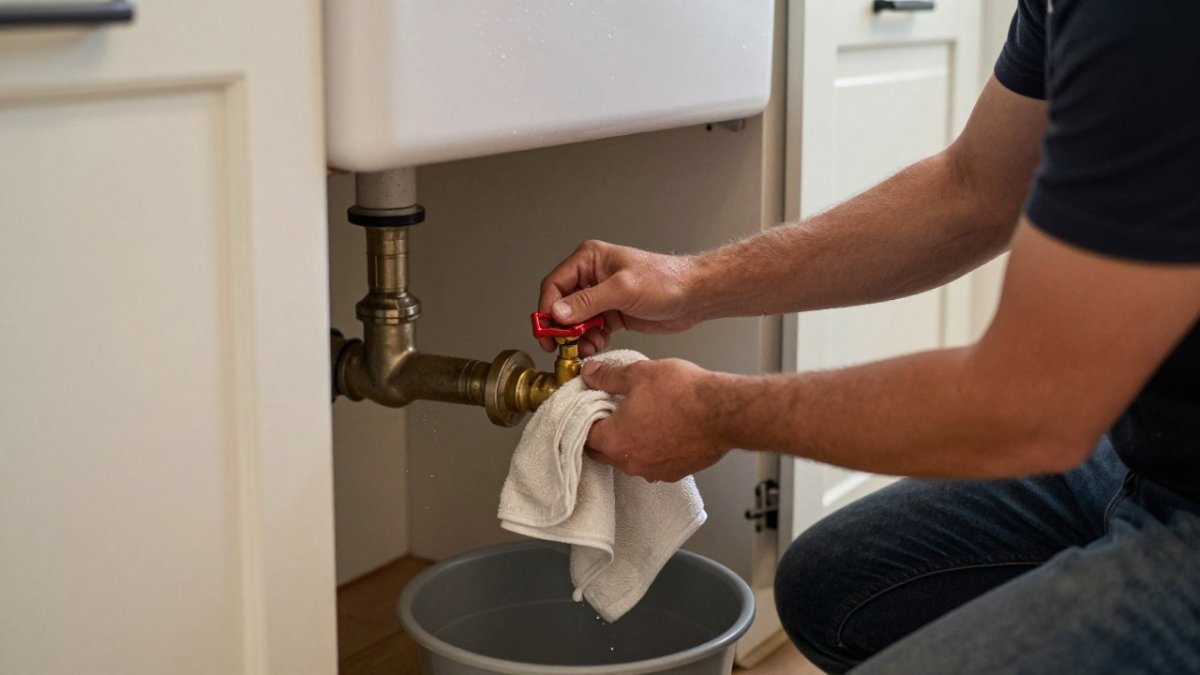
Shut off the water first, then contain what has already escaped. That order matters more than anything else you do in the first ten minutes.
Here is the sequence we walk callers through:
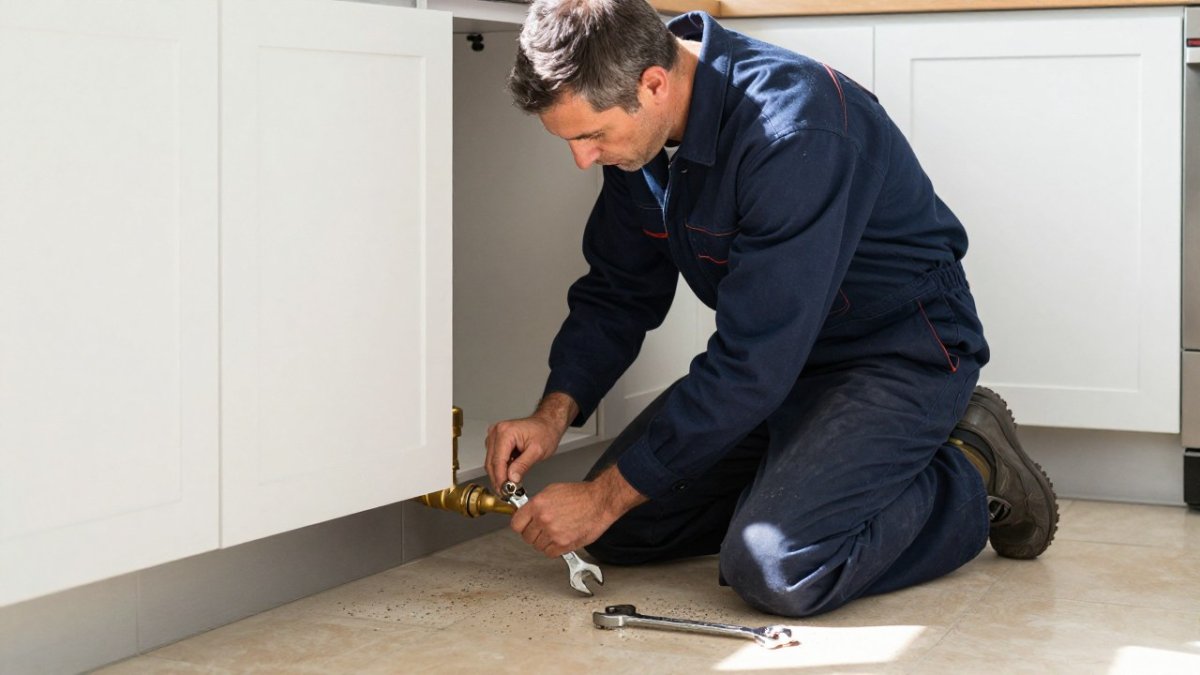
- Turn the fixture valve under the sink or behind the toilet clockwise until it stops.
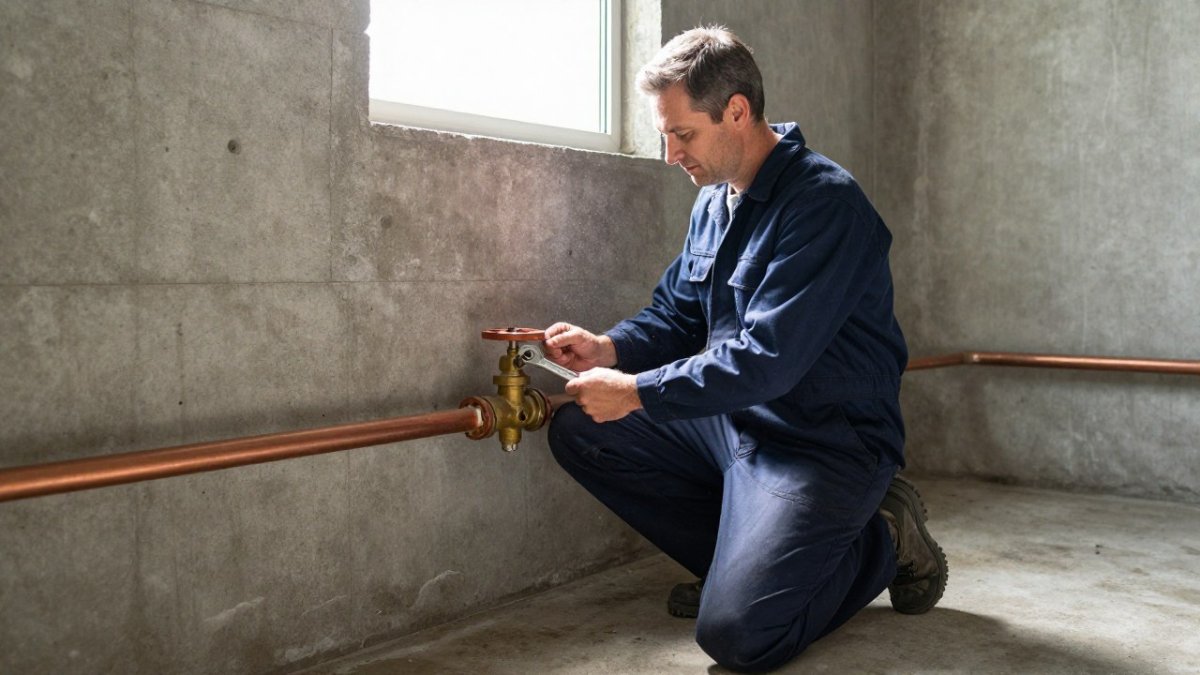
- If that fails, close the main water supply valve, usually near the meter or where the line enters the home.
- Open a low faucet to drain pressure from the pipes.
- Put a bucket under the leak and move rugs, furniture, and electronics clear.
- Do not pour chemical drain cleaner into a blocked line you cannot see. It can sit in the pipe and injure whoever opens it later.
If the backup is a toilet that keeps overflowing, our guide on how to stop an overflowing toilet quickly walks through the steps in order. A contained leak with the water off is no longer an emergency. That single fact can save you an after-hours call.
Understand the Emergency Plumbing Service Call Fee
An emergency plumbing service call fee is the flat charge for sending a technician to your door, and it is separate from the hourly labour and parts that follow. After-hours, weekend, and holiday calls usually carry a higher fee than a weekday visit. According to Angi's plumbing cost guidance, emergency plumbers may cost 1.5 to 3 times as much as a typical plumber, so the timing of your call has a real effect on the bill.
What the fee actually covers, and what it doesn't
Ask the dispatcher exactly what the fee includes and how many minutes it covers before you agree to the visit.
The three pricing tiers you will be quoted
Ask which rate applies to your call before you agree to anything. If the leak is contained, waiting until business hours may change the rate that applies.
How to compare dispatch fees across companies
A single fee number tells you little on its own. Ask each company for its dispatch or call-out fee, its hourly rate, any minimum charge, and whether the dispatch fee is credited against the repair if you proceed.
A company with a higher dispatch fee but a lower hourly rate and a credit-back policy can end up cheaper than one advertising a low call-out.
Watch out: a quoted fee that changes on arrival
Confirm the fee in writing, text or email is fine, before the technician leaves for your address, and ask whether the quoted amount is the total you will see on the invoice or a starting point.
For a fuller picture of what a fair fee looks like, see our breakdown of what you should pay for an emergency plumber.
Questions to Ask an Emergency Plumber Before You Agree
Ask for the call-out charge, the hourly rate, and the minimum charge before anyone leaves for your address. A dispatcher who will not give a number is a warning sign.
Run through this list on the phone:
- What is the service-call or dispatch fee?
- What is the hourly rate, and does it change after midnight?
- Is there a minimum charge, and how many minutes does it cover?
- Will you give me a written quote before work starts?
- Are you licensed, and can I see proof of insurance?
- How long until someone actually arrives?
That last question matters. Ask how quickly someone can realistically arrive, since a response time is more useful than a general promise of availability. Write down the name of the person you spoke to.
Get a Written Quote and an Itemized Invoice Every Time
A written quote protects you from the classic surprise: a verbal estimate that doubles by the time the invoice arrives. Ask for the quote in writing before the technician starts, even by text or email.
Then keep the itemized invoice. It is your record if you need to dispute a charge or file an insurance claim. Our guide on what an emergency plumbing quote should include explains each line so you know what to check.
Preventive Maintenance That Keeps Emergency Calls Away
Many emergency calls start as a small problem someone ignored. A slow drain can become a sewer backup, and a corroded shut-off valve can seize when you need it most.
- Test every shut-off valve twice a year and note any that stick
- Run hot water down each drain weekly to keep grease moving
- Check under sinks for damp wood or rust stains
- Flush the water heater once a year to clear sediment
- Replace washing machine hoses every five years
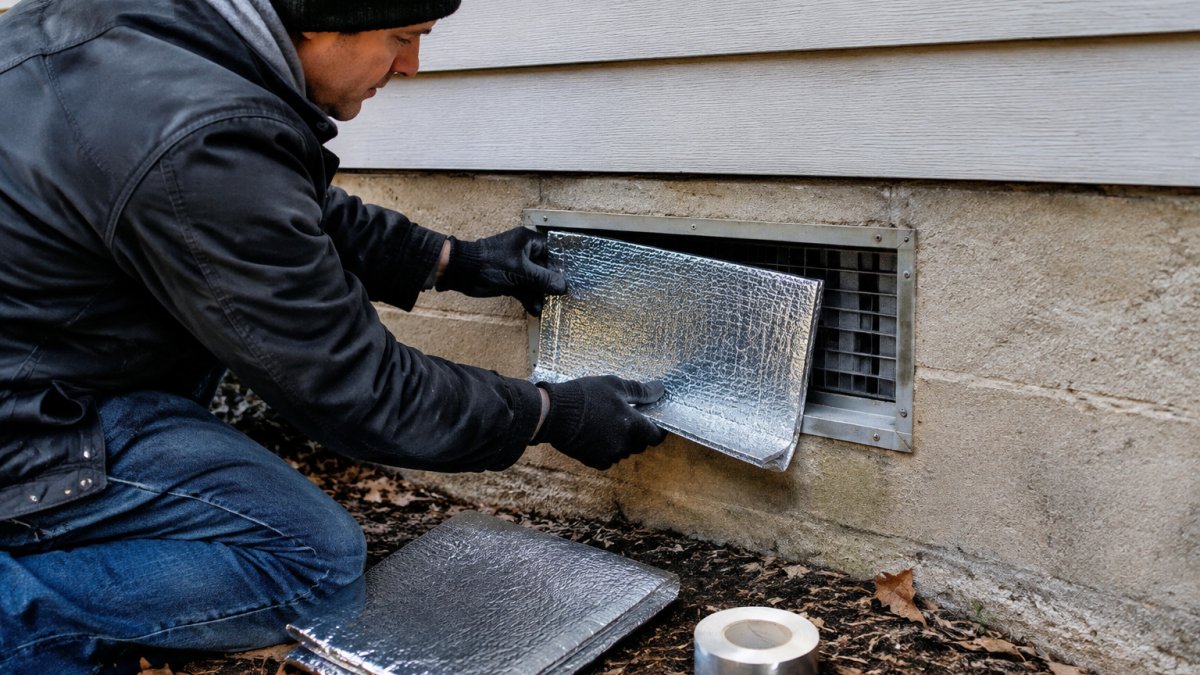
- Insulate exposed pipes before the first hard freeze
- Clear hair from tub and shower drains monthly
- Book a plumbing inspection once a year
A blocked drain caught early is a drain cleaning job. Caught late, it is a flooded basement and a weekend call. If you rent, report small issues in writing so the landlord is on record.
North York Consumer Protections, Insurance, and Landlord Duties
You have rights in Ontario when you hire a plumber, and knowing them helps you push back on overcharging. Ask for the licence number and confirm it before work begins.
Your consumer-protection route in Ontario
If a company gives you an unclear or inflated invoice, ask the business in writing for an itemized breakdown. Keep your written quote, the itemized invoice, and any texts or emails with the dispatcher as a record.
Documentation to keep for an insurance claim
Before you assume a burst pipe is covered, read your policy or call your provider. If you do file a claim, insurers typically ask for:
- Photos and video of the damage before cleanup
- The plumber's itemized invoice showing the cause of the failure
- The written quote you approved before work began
- Receipts for any emergency water extraction or drying
Our article on whether home insurance covers emergency plumbing lays out what policies typically include.
Who authorizes and pays: landlord versus tenant
If you rent, your landlord handles repairs to the plumbing system, and you should report leaks in writing right away. Keep copies of every message. Landlords are generally responsible for plumbing repairs, but a tenant who authorizes emergency work without notifying the landlord can end up in a dispute over who pays. The safe sequence is: report the issue in writing, request permission to call a plumber if the landlord cannot respond in time, and keep the plumber's invoice for reimbursement.
Verification checklist before you let anyone start
Run through this before the technician begins work:
- Licence number confirmed against the Ontario skilled trades registry
- Certificate of insurance for liability shown on request
- Written quote with parts, labour, and any emergency surcharge as separate lines
- Name of the person who authorized the work, in writing
A company that cannot produce the first two items is not one you want opening a wall in your North York home.
Book a Preventive Plumbing Inspection with UMark
A yearly inspection can help you avoid emergency plumbing charges by catching small issues early. Our certified team serves homeowners and commercial properties, and is available 24/7 for emergencies.
If you are searching for a plumber in North York, consider starting with a maintenance visit rather than an emergency. You can book a preventive plumbing inspection and get a written quote before any work begins.
A burst pipe at 2 a.m. is stressful enough without wondering whether the bill is fair.
Frequently Asked Questions
How can I avoid emergency plumbing charges?
The most reliable way to avoid emergency plumbing charges is to catch problems before they become urgent. Schedule a preventive plumbing inspection, learn where your main water shut-off valve is, and fix slow leaks, running toilets, and weak drains during regular business hours. If something does happen after hours, confirm whether it is a true emergency, ask for the service-call fee and hourly rate up front, and request a written quote before authorizing work. Containing the damage yourself with the shut-off valve also reduces the scope of the repair.
How much does an emergency plumber cost in North York?
Pricing varies by plumber, time of day, and the job itself, so ask for a written quote before work begins. After-hours calls often carry surcharges and dispatch fees. UMark Plumbing and Drain Inc. has a pricing page on its website, and you can request a quote before work begins.
What should I ask a plumber before agreeing to emergency service?
Ask four things: the total service-call or dispatch fee, the hourly rate for after-hours work, whether the quote is written and itemized, and how soon the technician will actually arrive. Also confirm the plumber is licensed and insured, and ask whether the quoted price includes parts and labour or only the visit. Getting these answers by phone before you agree protects you from a small estimate turning into a much larger invoice.
Can I stop a plumbing leak myself while waiting for a plumber?
Yes, in many cases. Close the fixture shut-off valve under the sink or behind the toilet first. If that does not stop the flow, turn off the main water supply valve. For a burst pipe, wrap the damaged section with self-adhesive pipe tape or a rubber patch and a clamp, then open a nearby tap to drain pressure. Never use chemical drain cleaner on a fully blocked drain before a plumber arrives, and call a professional immediately if you smell gas or see water near electrical outlets.