 How-to
How Often Should You Inspect Home Plumbing?
Quick Summary
Most homes should have a professional home plumbing inspection once a year, plus a quick homeowner check every month. Some sources suggest every two years for newer homes with stable systems, and home age and pipe material shape the right schedule.
- Homes under 15 years old: professional inspection every 2 years, plus monthly homeowner checks.
- Homes 15 to 40 years old: professional inspection every year.
- Homes over 40 years old: annual inspection with extra attention to drains and the main sewer line.
- Older galvanized or cast iron pipes corrode from the inside, narrowing the pipe and reducing water pressure.
- Call a licensed plumber for steady leaks, sudden pressure drops, brown water, or sewage smells.
Table of Contents
- How Often Should You Inspect Home Plumbing?
- Why Routine Plumbing Inspections Matter for North York Homes
- Setting an Inspection Schedule by Home Age and Plumbing Material
- Home Plumbing Inspection Checklist for Homeowners
- Signs of Plumbing Leaks You Should Never Ignore
- How Often to Clean Home Drains and Seasonal Checks for Freezing Weather
- Booking Your Annual Plumbing Inspection With UMark
- Frequently Asked Questions
How Often Should You Inspect Home Plumbing?
Last Updated: November 23, 2026
Most homes should have a professional plumbing inspection once a year, and a quick homeowner check every month. Published advice does vary: some sources suggest every two years for newer homes with stable systems. Your home's age, pipe material and household habits all shape the right schedule.
A small drip or slow drain that gets ignored can become a costly repair within months. A regular home plumbing inspection catches these problems early, when they are cheap to fix.
Why Routine Plumbing Inspections Matter for North York Homes
Many leaks happen inside walls and under floors, where you cannot see them. A plumber can spot the warning signs before the damage spreads.
North York homes face a few specific risks:
- Older houses often have aging galvanized or cast iron pipes
- Cold winters put stress on outdoor and basement plumbing
- Shared buildings and condos depend on common drain lines
- Tree roots can crack sewer lines over time
Preventing small problems is always cheaper than emergency repair. A burst pipe on a weekend can mean water damage, mould and a large bill.
Setting an Inspection Schedule by Home Age and Plumbing Material
Your schedule should match the age and condition of your plumbing. A new home with copper or PEX pipes needs less frequent checks than a 60-year-old house. Use this as a starting point:
- Newer homes (under 15 years): Professional inspection every 2 years, plus monthly homeowner checks
- Mid-age homes (15 to 40 years): Professional inspection every year
- Older homes (over 40 years): Professional inspection every year, with extra attention to drains and the main sewer line
Older Homes and Galvanized or Cast Iron Pipes
Galvanized and cast iron pipes corrode from the inside. The corrosion narrows the pipe and reduces water pressure over time. A plumber can check for thinning walls and rust buildup during a visual inspection.
If your home still has these pipes, ask about a camera inspection of the drain lines. Replacing old pipes is a bigger job, but early planning can help you avoid a sudden failure.
Condos, Rentals and Shared Buildings
In condos and shared buildings, drain lines often run through common areas. A problem in one unit can affect neighbours. Check your building's rules to see who is responsible for repairs to shared pipes.
Landlords may find it useful to inspect rental units at least once a year and after each tenancy.
The right inspection interval depends on how old your home is, so use this guide to set a schedule.
| Home age | Professional inspection | Homeowner check |
|---|---|---|
| Under 15 years | Every 2 years | Monthly |
| 15 to 40 years | Every year | Not specified |
| Over 40 years | Every year, with extra attention to drains and the main sewer line | Not specified |
Home Plumbing Inspection Checklist for Homeowners
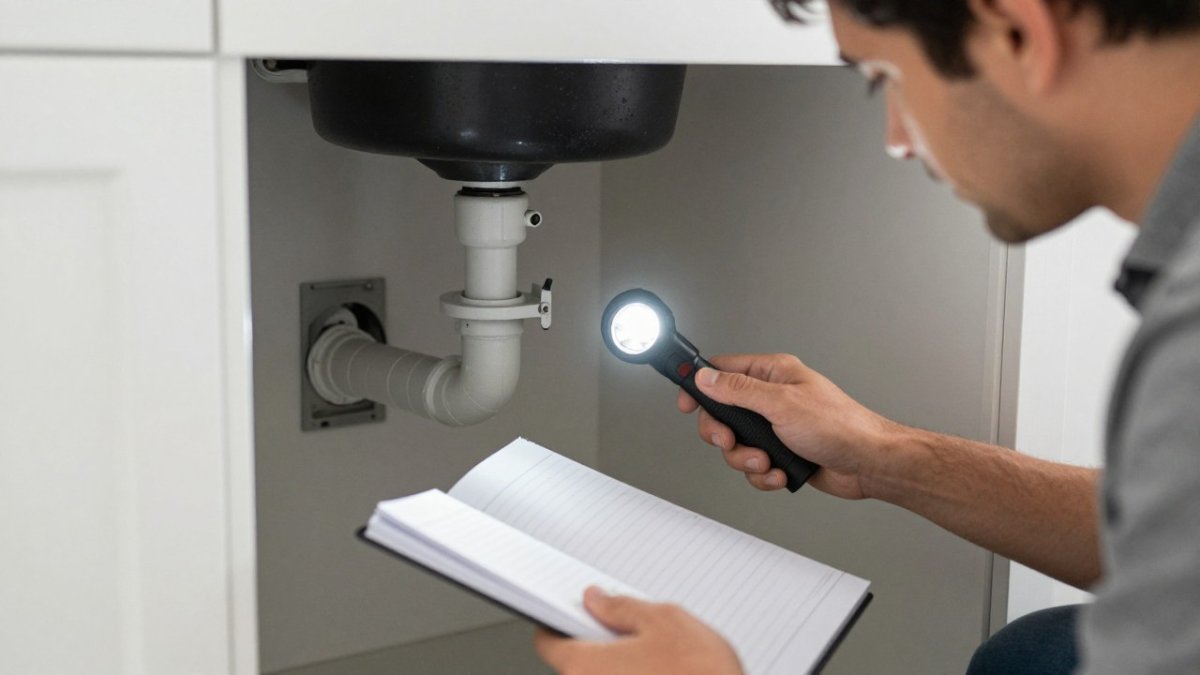
A monthly homeowner check is not a substitute for a professional inspection, but it catches the obvious problems early. For a fuller routine suited to rental units, see our preventative plumbing maintenance checklist for rental units. Set aside about 15 minutes and work through the house in the same order each time. Keep a simple log, a notebook or a note on your phone, with the date, what you checked, and anything that looked different. That record is useful when you book a professional inspection or talk to your insurer.
Under every sink and around every fixture
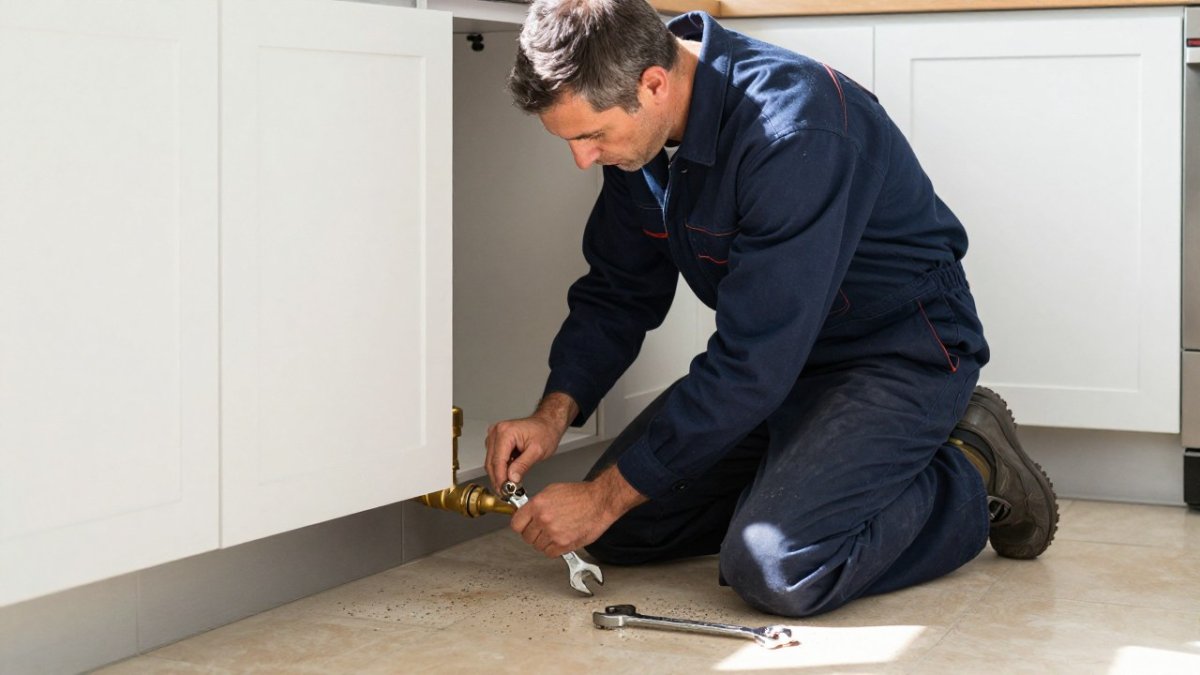
- Look for drips, damp spots, water stains, or white mineral crust on the pipes and cabinet floor.
- Check the supply lines and shut-off valves for corrosion or moisture.
- Run the faucet and watch the drain for slow emptying or gurgling.
Toilets
- Check the base and the tank for leaks or moisture.
- Listen for the fill valve running when no one has used the toilet.
- Look for wobble at the base, which can mean a failing wax seal.
Water pressure and flow
- Run each faucet and note whether pressure has dropped compared with previous months.
- If you have a pressure gauge that attaches to a hose bib or faucet, record the reading. A sudden change in water pressure matters more than the exact reading.
- Watch for brown or cloudy water that does not clear after a few minutes.
Water heater
- Check for rust, pooling water, or unusual noise at the base and connections.
- Note the age of the unit, most storage-tank water heaters have a limited service life, and an aging unit deserves closer watching.
Basement and laundry area
- Look at the floor drain for standing water or a dry trap.
- Check the washing machine hoses for bulging, cracks, or dampness.
- Look for water stains on the floor or lower walls after heavy rain.
Safe limits, when to stop and call a professional
Do not open walls, disconnect supply lines, or attempt to adjust the main water valve or pressure-reducing valve yourself. Stop and call a licensed plumber if you see a steady leak, a sudden drop in water pressure across the house, brown water that does not clear, sewage smell, or water staining on a ceiling below a bathroom. Having a professional look at a visible leak is worth it rather than patching and hoping.
Signs of Plumbing Leaks You Should Never Ignore
A leak rarely fixes itself. These warning signs point to a problem that needs attention:
- A water bill that rises with no change in use
- Musty smells or mould near walls, floors or ceilings
- Soft, warped or discoloured flooring or drywall
- Gurgling sounds from drains, especially after flushing
- Water stains on ceilings below bathrooms
Catching these early saves money. If slow or gurgling drains are the problem, you can follow a step-by-step guide to fixing gurgling sink drains in older homes. A hidden leak can damage wood framing, insulation and flooring before anyone sees it.
How Often to Clean Home Drains and Seasonal Checks for Freezing Weather
Drain cleaning and seasonal preparation are two separate routines, and both matter in North York, where winter cold and older housing stock combine to raise the risk of frozen and burst pipes.
Drain cleaning frequency
Drains benefit from regular clearing, and the right interval depends on your household. Kitchen sinks collect grease and food residue, while bathroom drains collect hair and soap scum. A simple routine, running hot water after use, using a strainer, and clearing the pop-up stopper, prevents most clogs. If a drain is slow despite routine clearing, or if multiple drains gurgle at once, that points to a problem in the main line rather than a single fixture, and a camera inspection is worth considering.
Autumn checklist before freezing weather
- Disconnect and drain outdoor hoses, then shut off and drain the outdoor taps if your home has separate shut-off valves for them.
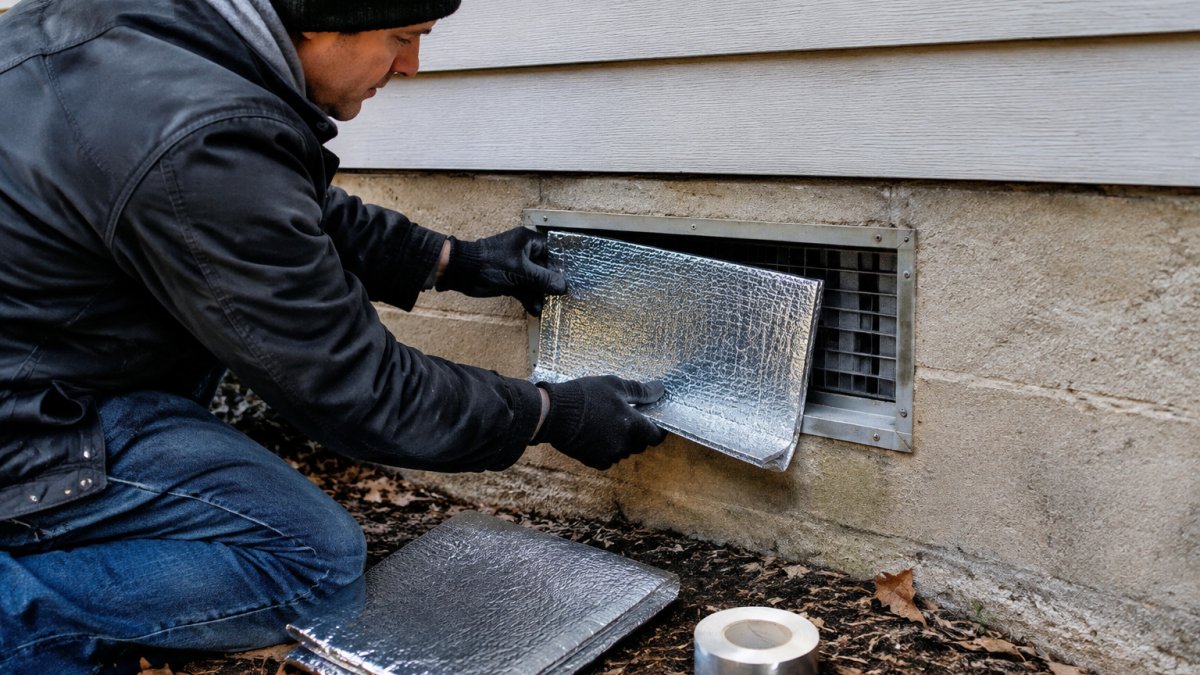
- Insulate exposed pipes in unheated spaces such as garages, crawl spaces, and rim joists.
- Seal gaps around pipes where they pass through exterior walls, since cold air entering those gaps is a common cause of frozen lines.
- Keep the thermostat set high enough to keep pipes warm, even when the house is empty.
- Make sure the basement floor drain trap has water in it; a dry trap lets sewer gas into the home. To find out how often to maintain a basement floor drain, read our dedicated guide.
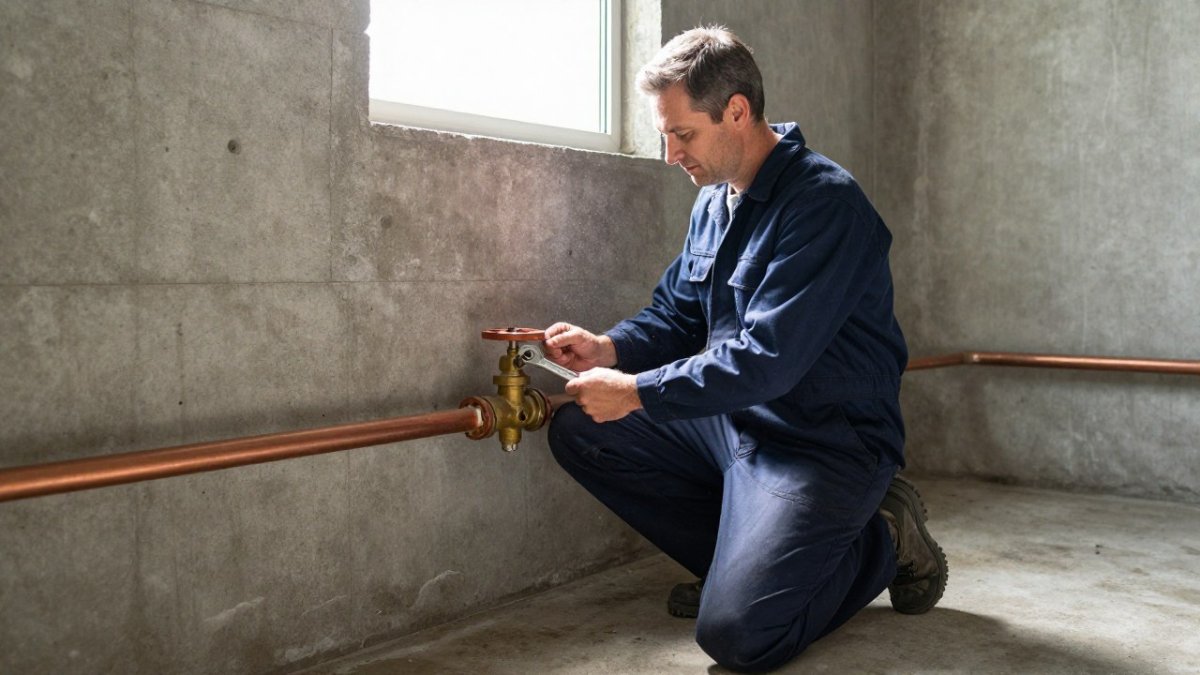
- Know where your main water shut-off valve is and test that it turns.
Why North York homes are exposed
Older houses may have pipes in exterior walls or unheated crawl spaces, and galvanized or cast iron lines can be more vulnerable to cracking when water freezes and expands. A pipe that freezes can split and then leak only when it thaws, which is why the damage often appears after the cold snap rather than during it. If you suspect a frozen pipe, do not use an open flame to thaw it; call a licensed plumber.
Spring check
After the thaw, look for damp patches near exterior walls, at hose bibs, and in the basement. A leak that appears in spring often started with a freeze over the winter.
Booking Your Annual Plumbing Inspection With UMark
A yearly professional inspection can give you a clear picture of your home's plumbing condition.
To book your annual home plumbing inspection, visit our Plumber North York page or review our Plumbing Services Vaughan options. Our certified technicians serve homes across North York and Vaughan, and we offer 24/7 emergency service when you need it.
Frequently Asked Questions
Should a plumber inspect your plumbing every year?
For most homes, an annual professional inspection is a sound baseline, and it is a common baseline interval. Older homes, homes with galvanized or cast iron piping, and properties with a history of leaks or drain backups may warrant more frequent checks. Between professional visits, a homeowner can check under sinks, around toilets, at the water heater and at the main shutoff for moisture or corrosion each month. A licensed plumber can assess pipe condition, water pressure and drain flow in one visit, and can flag problems before they turn into water damage.
What should I check during a home plumbing inspection?
A thorough home plumbing inspection covers visible pipes, supply lines and drains for leaks, corrosion and wear. It also tests water pressure, checks faucets, toilets and shutoff valves for proper operation, and looks at the water heater and any outdoor hose connections. A professional may use a camera to view the inside of drain and sewer lines where blockages or root intrusion are suspected. Using a home plumbing inspection checklist helps homeowners keep track between professional visits and gives a plumber a clear starting point when they arrive.
How often should I check my pipes for leaks?
Walk through the home once a month and look under every sink, behind the toilet, around the water heater and near the main water shutoff for drips, staining or soft spots in the floor or cabinet base. Pay attention to a water meter that moves when no fixtures are running, since that can signal a hidden leak. Early detection of signs of plumbing leaks is one of the most effective ways to avoid costly water damage, so any sign of moisture should be followed up with a licensed plumber promptly.
Should I inspect plumbing before buying a home?
Yes. A pre-purchase plumbing inspection gives a buyer a clear picture of pipe material, drain condition, water pressure and any hidden leaks before the sale closes. Older homes often have galvanized or cast iron piping that may need repair or replacement, and an inspection can estimate remaining service life. Buyers should request the inspection during the conditional period so they have time to negotiate repairs or walk away if the findings are serious.