 how-to
Emergency Plumbing Services: What to Expect in 2026
Table of Contents
- What Counts as a Plumbing Emergency
- Your Emergency Plumbing Checklist: Steps Before the Plumber Arrives
- Emergency Plumber Response Time: What to Expect
- How to Choose and Verify an Emergency Plumber
- Transparent Emergency Pricing: What Affects Your Bill
- Common Plumbing Emergencies and How They're Fixed
- Prevention and Post-Repair Follow-Up
- Frequently Asked Questions
Last Updated: October 21, 2026
What Counts as a Plumbing Emergency
A plumbing emergency is any water or drainage failure that risks property damage, health, or safety if it waits until morning.
The clear-cut cases:
- Burst pipes spraying or pouring water into walls, ceilings, or floors
- Sewage backing up into tubs, showers, or floor drains
- No water at all in the building, or no hot water from the water heater
Everything else sits on a spectrum. A dripping faucet is annoying, not urgent, and a slow drain in one bathroom sink can usually wait for a scheduled visit.
Water damage compounds. Drywall soaks, subfloors swell, and mold can start establishing itself within a day or two in a damp, warm space. That's why Health Canada's guidance on moisture and mold in the home treats fast drying as the priority, not a nice-to-have.
One more thing worth knowing: condominium plumbing emergencies are rarely just your problem. In a shared building, a leak on your floor becomes the unit below's ceiling.
Your Emergency Plumbing Checklist: Steps Before the Plumber Arrives
What you do in the first ten minutes changes the size of the repair. Here's the sequence we walk customers through:
- Shut off the water. Find your main shut-off valve, usually near the water meter or where the supply line enters the home, and turn it clockwise until it stops.
- Kill the power to wet areas. If water is near outlets, a panel, or an appliance, trip the breaker for that zone.
- Open a low faucet. This drains remaining pressure and reduces spray when the plumber opens a fitting.
- Contain the water. Buckets, towels, and a wet/dry vacuum if you have one; move furniture and electronics clear.
- Photograph everything. Wide shots and close-ups for your insurer and building manager.
- Clear a path. Move boxes, rugs, and pets so the technician can reach the problem fast.
- Call and describe. Say what's leaking, where, and whether the water is clean or dirty, that tells us what to bring.
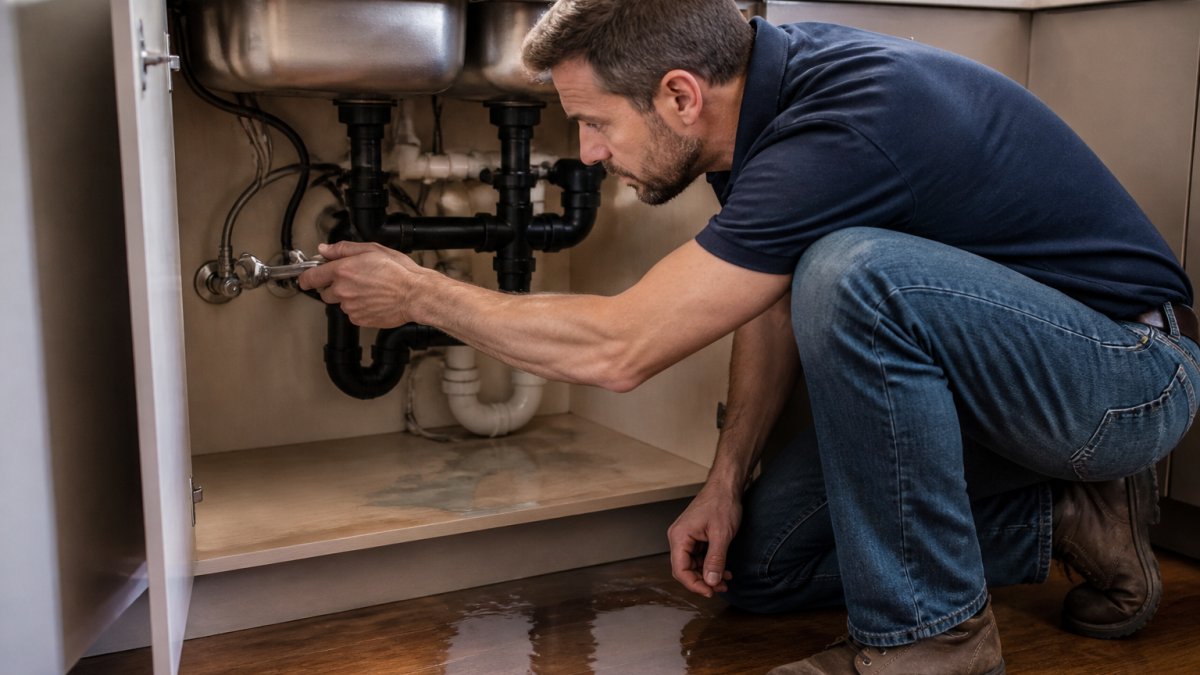
How to Stop a Water Leak Quickly
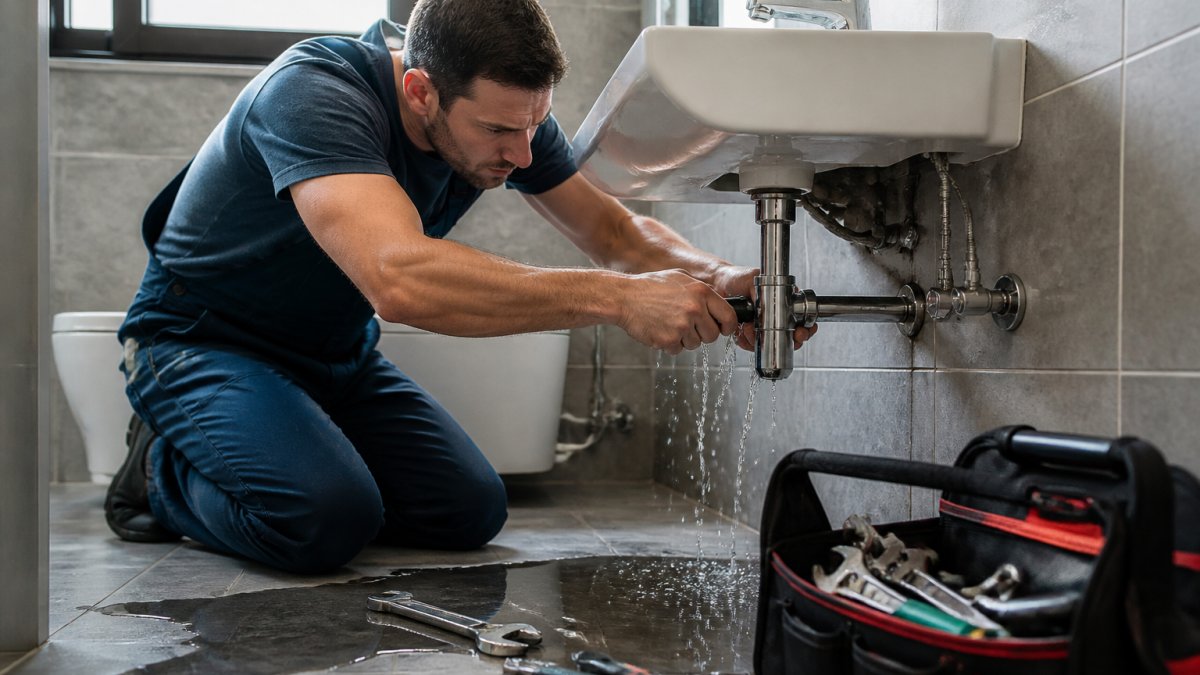
For a leaking supply pipe, close the nearest isolation valve first, then the main. If you can't isolate it, wrap the pipe tightly with self-fusing silicone tape or a rubber patch and hose clamp, then open a tap downstream to relieve pressure. Tape buys hours, not weeks, never patch and leave it.
Emergency Plumber Response Time: What to Expect
Response time is where "24/7 service" claims get tested. Ask two questions when you call: is a technician actually on call right now, and what's the realistic arrival window?
What drives arrival time:
- Distance and traffic between the on-call technician and your address
- Time of day (overnight calls usually move faster than a 6 p.m. rush)
- Season (a deep freeze generates a queue of burst-pipe calls at once)
For a true emergency like a burst pipe, most reputable companies aim to have someone en route quickly, but no honest plumber guarantees a stopwatch number before seeing your address. Get the window in writing or by text.
How to Choose and Verify an Emergency Plumber
Choosing an emergency plumber comes down to verification, not the flashiest ad. Any company can claim 24-hour service. Fewer can prove it.
Run this checklist before you commit:
- Confirm the technician is certified. Ask for the journeyman or master plumber credential. In Ontario, trades are regulated through the Ontario College of Trades, so you can check.
- Get a ballpark before dispatch. A reputable company will give a range or a diagnostic fee over the phone, not a blank check.
- Ask whether they handle commercial work. A small office building has different needs than a house, and downtime costs money.
A common mistake is hiring on price alone at 1 a.m. The cheapest call-out often becomes the most expensive repair when the fix doesn't hold. We've seen customers pay twice because the first "fix" only masked the symptom.
Transparent Emergency Pricing: What Affects Your Bill
Emergency plumbing pricing is where trust is won or lost. A 2 a.m. call is not the moment to discover the after-hours rate was never mentioned. Here's the vocabulary and questions that keep the bill predictable.
The four components of an emergency invoice
Most reputable companies build an emergency bill from four parts. Ask which apply before dispatch:
- Call-out or diagnostic fee. A flat charge to get a certified technician to your door and identify the problem. Many companies credit it toward the repair if you proceed, ask whether it is credited, and whether it is charged even if you decline the work.
- After-hours premium. Overnight, weekend, and statutory holiday calls cost more to staff, usually as a multiplier on the labor rate (for example, time-and-a-half) or a flat surcharge. Ask which applies and when the premium window starts and ends.
- Labor. Charged hourly or by the job, hourly is more transparent on small fixes, flat-rate more predictable on larger ones. Ask which model the company uses before work begins.
- Parts and materials. Usually marked up from trade cost. Ask whether the markup is a flat percentage or built into a quoted part price, and whether you'll see the part number on the invoice.
What actually moves the number
- Access difficulty. A leaking supply line behind finished drywall or under a tiled floor takes longer to reach than one in an open basement. Ask the technician to explain the access plan before cutting.
- Time of day and season. A deep freeze generates a queue of burst-pipe calls at once, and demand pricing can apply. Ask whether the quoted rate holds if the job runs past the premium window.
- Repair versus replacement. On a failed water heater or a repeatedly clogged sewer line, a repair sometimes won't hold. Ask for both numbers in writing so you can compare.
Questions to ask before you say yes
- What is the call-out fee, and is it credited toward the repair?
- What is the after-hours rate, and when does it apply?
- Will I get a written estimate before work starts, and will you call me if the scope changes?
What a fair invoice looks like
A transparent invoice itemizes the call-out, labor hours and rate, parts with part numbers, and any premium applied, and states the warranty terms. If you declined a recommended repair, it should note that recommendation and your decision, a record that protects both sides if the problem returns.
Common Plumbing Emergencies and How They're Fixed
Most emergency calls fall into a handful of categories, each with a standard fix. Knowing them helps you describe the problem, understand the estimate, and decide how urgently to act. The table below is a quick reference; the notes after it cover what to do while you wait.
| Emergency | Typical Cause | Standard Fix | Urgency |
|---|---|---|---|
| Burst pipe | Freezing, pressure, corrosion | Isolate, cut out damaged section, replace | Immediate, shut off water first |
| Sewer backup | Root intrusion, grease, collapse | Auger or jet the line, camera inspection | Immediate, health hazard |
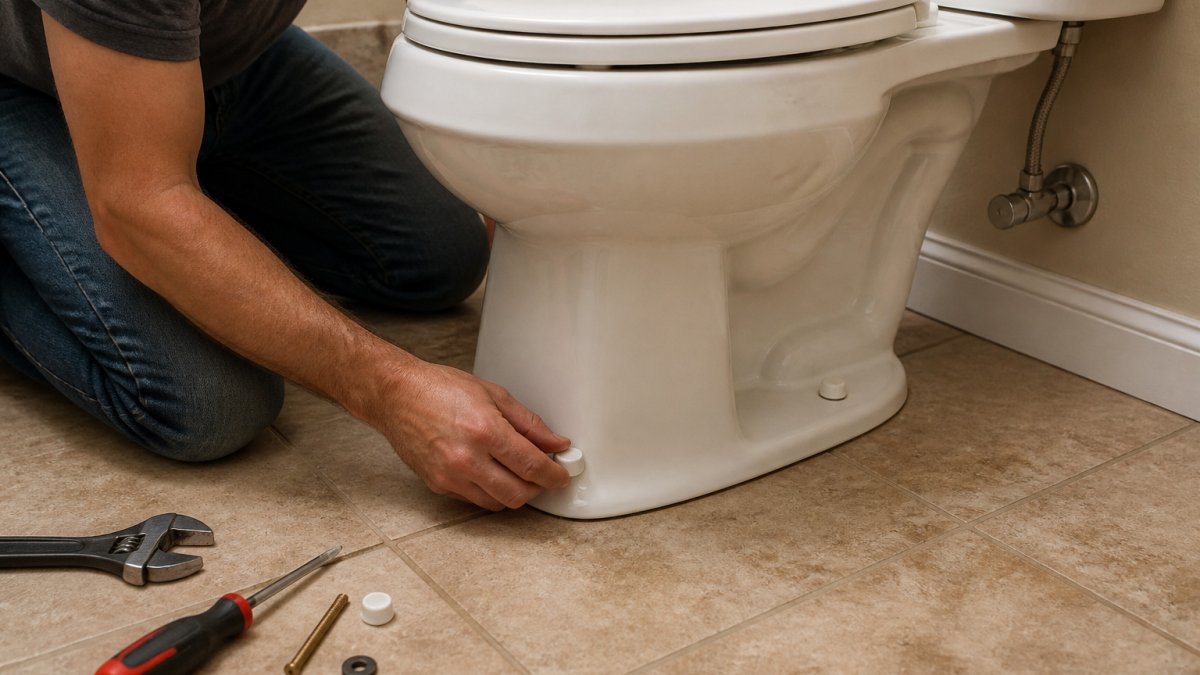
| Overflowing toilet | Blockage or failed fill valve | Clear clog, replace valve or flapper | Same day, immediate if upper floor |
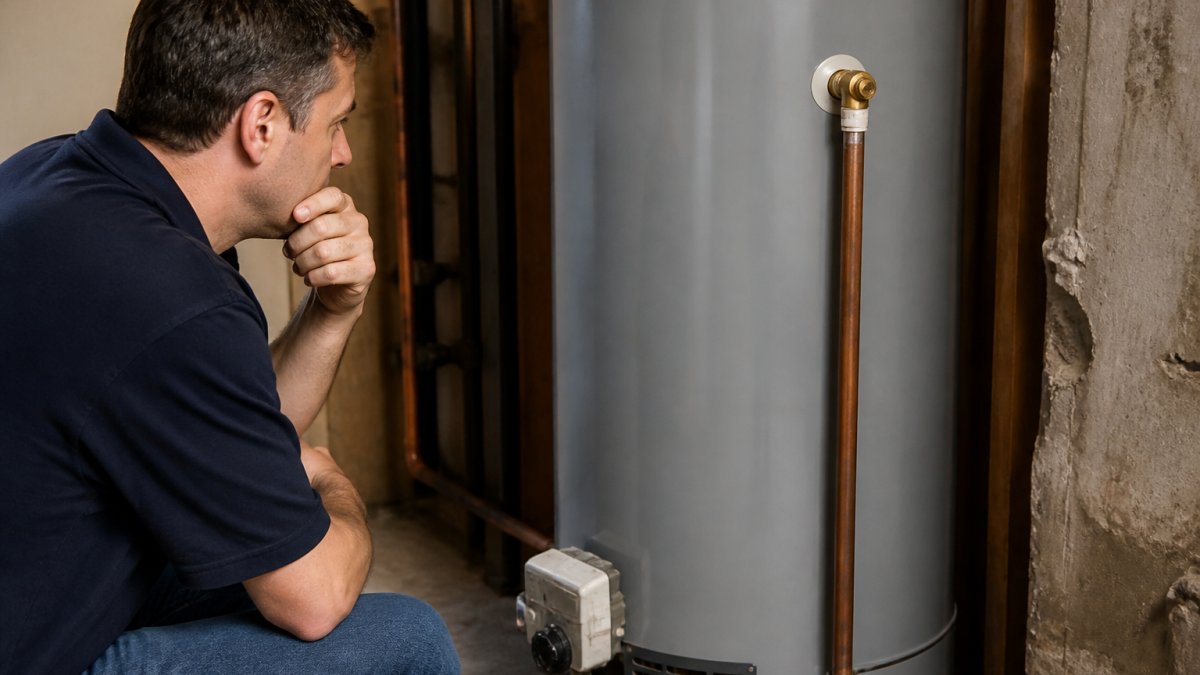
| Water heater failure | Tank corrosion or element failure | Repair or replace, flush lines | Same day if leaking; can wait if no hot water only |
| Clogged laundry line | Lint and detergent buildup | Snake and jet the standpipe drain | Can usually wait for scheduled visit |
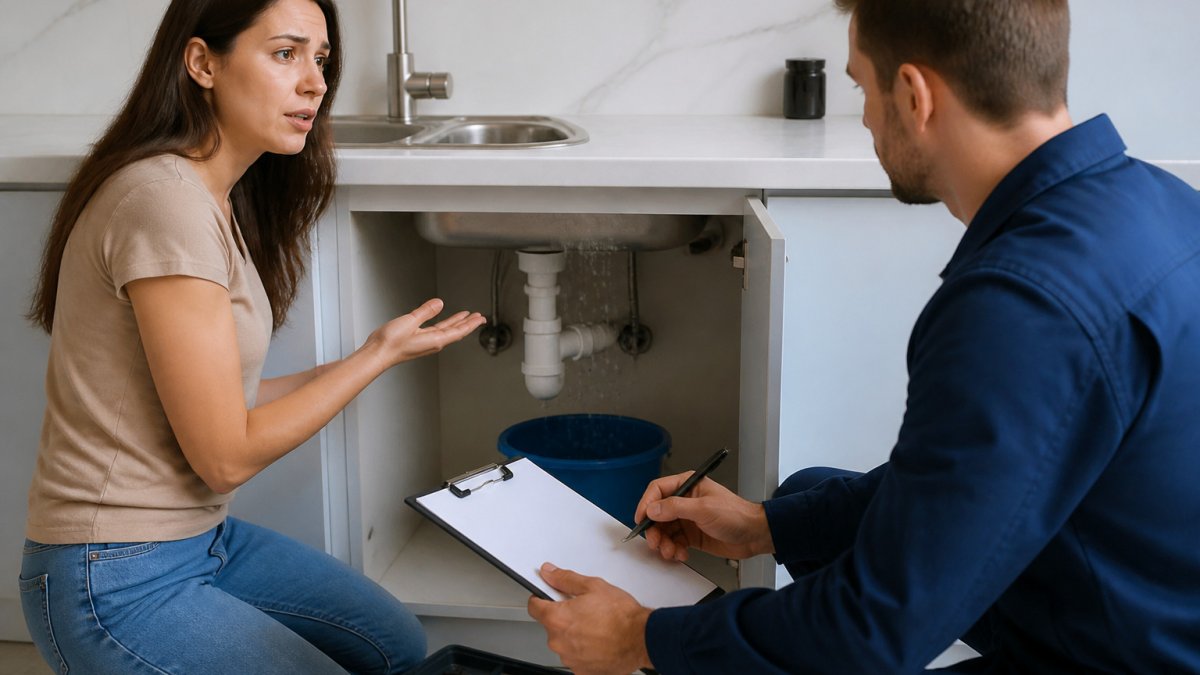
| Water leak under sink | Worn supply line or fitting | Replace line, tighten or swap fitting | Immediate if active; same day if slow |
Triage: what can wait, what can't
Not every plumbing problem is an emergency, and treating a slow drain like a burst pipe wastes money. Use these rules of thumb:
- Call now, any hour: active water spraying or pouring, sewage backing up into fixtures, water near electrical panels or outlets, no water at all in the building, a failed sump pump during a storm, or a gas smell near a water heater (leave the property and call your gas utility first).
- Call the same day: a water heater that is leaking but not flooding, a toilet that overflows only when flushed, a slow leak under a sink, or a drain that is fully blocked but not backing up.
- Schedule a visit: a single slow drain, a dripping faucet, a running toilet that still flushes, or a water heater that is merely old.
What to do while you wait
For any active leak or burst pipe: shut off the main water valve, kill power to wet areas at the breaker, open a low faucet to drain pressure, contain the water, and photograph everything for your insurer. For a sewage backup, don't run water or flush toilets, keep people and pets away, and wear gloves and boots if you must move anything.
How each fix actually works
- Burst pipe: the technician isolates the damaged section, cuts it out, and replaces it with new pipe and fittings. On a frozen pipe, thaw safely and check for splits before restoring pressure.
- Sewer backup: the line is augered or jetted to clear the blockage, then inspected with a camera to confirm the cause. A recurring backup usually means roots, a bellied pipe, or scale, the camera inspection separates a real fix from a repeat visit.
- Overflowing toilet: the clog is cleared mechanically, and a failed fill valve or flapper is replaced. Chemical drain cleaners are a poor choice here because they can damage older fixtures and create a hazard for the technician.
Drain cleaning and clogged drains are the most common overnight calls. A backed-up sewer is the most urgent, because wastewater carries health risks and needs a camera inspection to confirm what is blocking the line. Burst pipes and pipe repairs spike during the first hard freeze. Water leaks that start small are the sneaky ones, quietly damaging a ceiling for days.
We handle both residential and commercial work, including the condominium plumbing that comes with its own access and compliance requirements.
Prevention and Post-Repair Follow-Up
Prevention is cheaper than any emergency call. A few habits cut your risk substantially:
- Know your main shut-off valve and test it once a year.
- Insulate exposed pipes in unheated spaces before the first freeze.
- Disconnect garden hoses in fall so outdoor lines can drain.
After a repair, ask the technician what caused the failure and whether a follow-up inspection is warranted. A clogged drain that keeps returning usually means a deeper problem: roots, a bellied pipe, or scale. A good company will recommend a camera inspection rather than repeat the same snake job every few months.
If a repair doesn't hold, call back. A company that stands behind its work will return to check it. That's the difference between a fix and a patch.
Frequently Asked Questions
What counts as an emergency plumbing problem?
A plumbing emergency is any issue that risks property damage, health, or safety if not fixed immediately. Examples include burst pipes, uncontrollable leaks, sewage backups, an overflowing toilet, no water supply, or a failed water heater. If water is actively damaging your home or you cannot stop the flow, call an emergency plumber right away. Minor drips or slow drains can usually wait for a scheduled visit.
How quickly can an emergency plumber respond?
Response times vary by provider and time of day. Many 24/7 services aim to arrive within one to two hours for urgent calls like burst pipes or sewage backups. When you call, ask for a specific arrival window and confirm any after-hours charges before booking. A reputable company will give you a clear estimate upfront so there are no surprises.
What should I do while waiting for an emergency plumber?
Shut off the main water valve to stop the flow, then switch off electricity to any affected areas if it is safe to do so. Move valuables away from water and place towels or buckets to contain the leak. Do not attempt major repairs yourself. Note the time you called and keep your phone nearby so the plumber can reach you if needed.
How do I choose a reliable emergency plumbing service?
Look for a licensed, insured company with clear 24/7 availability and verifiable customer reviews. Ask for a written estimate before work begins and confirm whether after-hours rates apply. Check that technicians are certified and that the company services your area without extra travel fees. A trustworthy plumber will answer questions directly and provide a contact number you can call anytime.
A plumbing emergency tests more than your pipes. It tests whether the company you call actually shows up, gives an honest estimate, and fixes the problem for good. UMark Plumbing and Drain Inc. has served homes and businesses for over 20 years with 24/7 emergency service, a certified team, and affordable, upfront pricing. When water is moving where it shouldn't, get a free quote and let our technicians stop the damage fast.